Why Sunderland Homeowners Are Looking at Double Glazing Right Now
There’s a quiet revolution happening on the terraced streets of Pallion, the semis of Farringdon, and the older estates out towards Houghton-le-Spring. Sunderland homeowners are waking up to the reality that their homes, many sitting at EPC Band E, well below the national average of Band D, are costing them significantly more to heat than they should be.
When you’re burning through 13,000 kWh of gas a year (close to the national median, but in a city where winters genuinely bite), every gap in your thermal envelope matters. Sunderland’s cold winters rack up between 1,800 and 2,200 heating degree days annually, that’s a technical way of saying your boiler works hard for a long time. Single-glazed or poor-quality old double glazing is quietly bleeding that heat straight out onto the street.
The North East also has the highest fuel poverty rates in England, which is a sobering fact. But it also means this region gets more funding, more retrofit programmes, and more installer activity than almost anywhere else. Sunderland City Council has been actively pushing home energy upgrades, and the combination of accessible grants and lower North East labour costs means 2026 is genuinely one of the better years to act.
What Double Glazing Actually Involves for a Typical Sunderland Home
If you live in one of Sunderland’s classic Victorian or Edwardian terraces, think the streets around Roker, Hendon, or Millfield, your windows are probably sitting in timber frames that have seen better days. These homes were built between roughly 1880 and 1920, and the window openings are often slightly irregular, which means off-the-shelf uPVC units sometimes need custom sizing. That adds a little to the cost but it’s entirely manageable.
The interwar semis that dominate areas like Grindon, Thorney Close, and parts of Hylton Castle are generally a bit more forgiving. They tend to have more standardised window sizes and easier access for installers. If you’re in one of the post-war council estates around Pennywell or Town End Farm, there’s a good chance your windows were already upgraded at some point, but those upgrades may now be 20 or 25 years old, meaning the sealed units are likely failing and the insulating gas has long since escaped.
The practical reality of installation in Sunderland’s terraced streets is worth thinking about. Parking for a van and moving frame sections through a narrow hallway is a genuine consideration, something installers in town deal with regularly. Most experienced local fitters have this down to a fine art, but it’s worth mentioning when you get quotes so they can plan properly.
Here are the main considerations specific to Sunderland’s housing stock:
- Victorian and Edwardian terraces often have rubble-filled cavity walls or solid walls, meaning windows are one of the biggest heat loss points, making the upgrade payback especially strong
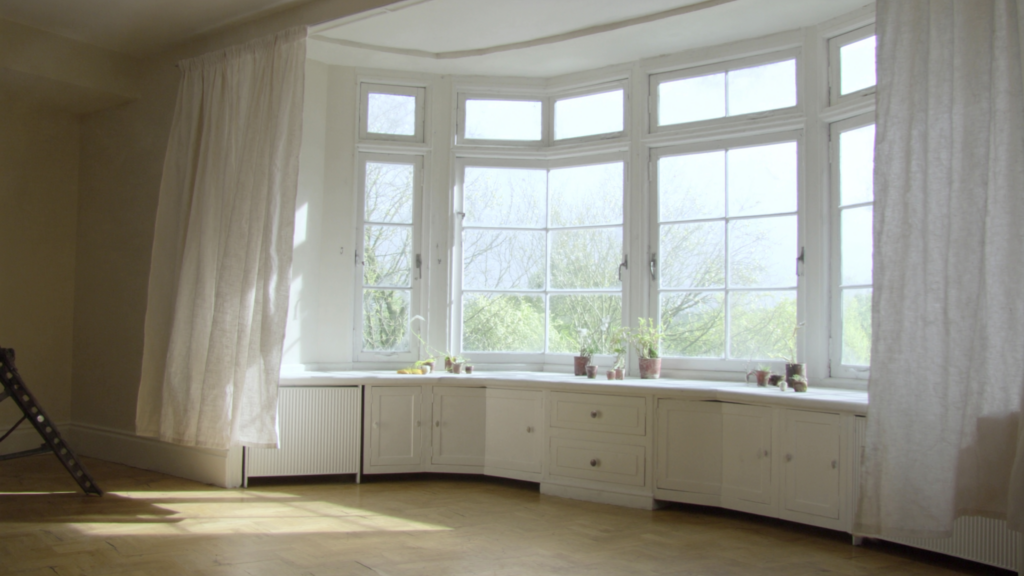
- Bay windows are common in the older streets and add complexity (and cost) to replacement
- Colliery-era housing in areas closer to the former pit villages around the city edges often has non-standard window openings and older brick that needs careful sealing
- Access and scaffolding, upper floor windows on end-of-terrace properties sometimes need scaffold or specialist equipment
- Conservation area restrictions apply in parts of central Sunderland and some of the older village cores, more on this below
How Much Double Glazing Costs in Sunderland and the North East Area in 2026
The good news about getting double glazing in Sunderland is that North East labour costs are noticeably lower than the national average, typically 10 to 15 percent below what you’d pay in the South East or even in parts of the Midlands. Nearby towns like Washington, Seaham, South Shields, and Tynemouth are all served by the same cluster of installers, which means healthy competition and fair pricing across the board.
Here’s a realistic pricing guide for 2026. These figures assume standard uPVC double glazing with A-rated units:
| Property Type | Number of Windows | Sunderland Estimate | North East Average | National Average |
|---|---|---|---|---|
| Small terraced (2-bed) | 4–6 windows | £2,800–£4,200 | £2,900–£4,400 | £3,200–£5,000 |
| Mid terraced (3-bed) | 6–8 windows | £3,800–£5,500 | £3,900–£5,700 | £4,500–£6,500 |
| Semi-detached (3-bed) | 8–10 windows | £4,500–£6,800 | £4,700–£7,000 | £5,500–£8,000 |
| Semi-detached with bay (3-bed) | 9–11 windows inc. bay | £5,500–£8,000 | £5,700–£8,200 | £6,500–£9,500 |
| Victorian terrace with sashes | 6–8 windows | £5,000–£8,500 | £5,200–£8,800 | £6,000–£10,000 |
| Full house upgrade (4-bed semi) | 12–14 windows | £7,000–£10,500 | £7,200–£11,000 | £8,500–£13,000 |
Prices vary depending on frame style, glazing specification, any scaffolding requirements, and whether your existing frames need structural repair before installation. Always get at least three quotes, and make sure each quote specifies the exact unit type, energy rating, and warranty terms so you’re comparing like with like.
How Sunderland’s Weather and Location Affect Your Double Glazing Choices
Sunderland sits in an interesting weather position. You’re close enough to the North Sea coast that easterly winds in winter can be genuinely sharp, anyone who’s stood near Roker seafront in January knows exactly what that feels like. But the city itself is sheltered enough that you’re not dealing with the extreme exposure of somewhere like Whitby or the Northumberland coast. Rainfall sits between 700 and 1,000mm per year, which is moderate but consistent.
What this means practically is that your glazing choices should prioritise thermal performance and condensation resistance above almost everything else. The temperature differential between a cold night and a centrally heated room is significant, and cheaper sealed units with inadequate spacer bars will show internal condensation within a few years, or external condensation on cold mornings, which is actually a sign the unit is working correctly but feels frustrating nonetheless.
The North Sea proximity also means a slightly higher risk of salt-laden air in the east of the city, around Roker, Seaburn, and the coast road areas. This isn’t the extreme coastal corrosion challenge you’d face in places like Seaham’s more exposed spots, but it does mean that frame quality matters. Look for uPVC profiles with reinforced steel internally, and make sure the hardware (handles, hinges, locking mechanisms) is specified as corrosion-resistant.
Solar gain is a legitimate consideration in Sunderland too, even with only 850 to 1,000 sunshine hours per year. South-facing rooms can genuinely benefit from glazing that allows some solar heat gain in winter, a lower solar heat gain coefficient isn’t always better here the way it might be in sunnier parts of the UK.
The Products and Options That Work Best Here
Given Sunderland’s climate and housing stock, here’s what genuinely performs well rather than just what looks good on a brochure:
uPVC Double Glazing with A or A+ Energy Rating
This is the workhorse choice for the vast majority of Sunderland homes, and rightly so. Look for units with a whole-window energy rating of at least A, a U-value of 1.2 W/m²K or below, and a warm-edge spacer bar (like Thermix or Super Spacer) rather than the old aluminium type. Warm-edge spacers dramatically reduce condensation on the inner pane edge and improve the overall unit performance.
Triple Glazing, Worth It Here
Triple glazing costs roughly 20 to 30 percent more than equivalent double glazing, but in Sunderland’s climate with those long cold winters, it starts to make real financial sense, especially if you’re already upgrading the whole house. You’re looking at U-values around 0.7 to 0.8 W/m²K for a quality triple glazed unit. For north-facing rooms or homes near the coast, it’s worth a serious look.
Timber or Aluminium Frames for Conservation Areas
If you’re in one of Sunderland’s conservation areas, you may need to replicate the appearance of the original windows. Slim-sightline aluminium frames with double glazing are a good modern solution that satisfies both planners and thermal performance needs. Expect to pay a premium of 40 to 60 percent over standard uPVC.
Secondary Glazing as an Alternative
For the older terraces in heritage-sensitive areas, or where full replacement isn’t practical, secondary glazing fitted to the inside of existing frames can deliver surprisingly good results. It’s less disruptive, cheaper, and still cuts heat loss significantly.
Specifications to ask for in your quote:
- Whole-window U-value of 1.2 W/m²K or better (1.0 or below for triple)
- Argon or krypton gas fill between panes
- Low-E glass coating on the inner pane
- Warm-edge spacer bar
- A or A+ window energy rating (BFRC rated)
- 10-year minimum warranty on sealed units
How to Find a Trustworthy Double Glazing Installer Near Sunderland
The Sunderland area is well-served by installers, the city’s size means you have genuine choice, and the cluster of nearby towns including Washington, Seaham, South Shields, and Tynemouth means most installers cover a broad patch and stay competitive on price. Even so, the double glazing industry still attracts its share of rogues, so knowing what to look for matters.
Certifications to check:
- FENSA or Certass registration, this is the most important one. FENSA and Certass registered installers self-certify that their work meets Building Regulations, which means you don’t need to apply for a council inspection separately. If an installer isn’t registered with one of these schemes, walk away
- TrustMark, government-endorsed quality scheme, worth checking
- Which? Trusted Trader, independently vetted, useful for consumer confidence
- GGF membership, the Glass and Glazing Federation sets industry standards and offers deposit protection
Questions to ask before you sign anything:
- Are you FENSA or Certass registered, and will you provide a certificate on completion?
- What’s the U-value and energy rating of the units you’re quoting?
- What warranty do you offer on frames and on sealed units separately?
- Who manufactures your frames, is it a UK profile system?
- Do you use subcontractors for installation, or is it your own employed team?
Red flags to watch for:
- High-pressure sales tactics, including “today only” discounts, a reputable firm doesn’t need to pressure you
- No FENSA or Certass registration
- Asking for more than 25 percent deposit upfront
- Vague or verbal-only quotes without written specifications
- Very recently formed company with no local reviews
Lead times in the North East currently run at around 4 to 8 weeks for a standard job. If a company says they can start next week on a full house, that’s worth probing, either they have gaps in their schedule for a reason, or they’re not making the windows themselves to order.
Grants and Funding That Could Reduce Your Costs in 2026
This is where living in Sunderland genuinely works in your favour. The North East’s higher-than-average fuel poverty rates mean this region consistently gets strong grant allocation, and Sunderland City Council has been proactive about pushing retrofit funding out to residents.
ECO4 (Energy Company Obligation, Phase 4)
ECO4 is funded by the big energy suppliers and delivered through local installers. It targets homes in EPC Bands D, E, F, and G, so if you’re sitting at Band E (which is typical in Sunderland), you may well qualify. Eligibility is primarily linked to benefits receipt or low income. Measures can include windows as part of a wider whole-house retrofit package, though windows alone are less commonly funded under ECO4 without other measures being included.
Great British Insulation Scheme (GBIS)
The Great British Insulation Scheme closed on 31 March 2026. It funded insulation measures only and never covered windows or glazing. Homes in Band E or below in council tax bands A to D are eligible regardless of income, this catches a significant chunk of Sunderland’s housing stock. Check with Sunderland City Council or a registered ECO4 installer to assess your eligibility quickly.
Warm Homes Plan (Local Authority Delivery)
The government’s Warm Homes Plan is distributing funding through local authorities, and Sunderland City Council has been active in accessing this. Check directly with the council’s housing or energy team for current live schemes, these can change throughout the year as new funding rounds open.
Nest Scheme (if applicable via cross-border installers)
If you’re near the edges of the region, some installers serving the Sunderland area also operate in areas covered by the Welsh Government’s Nest scheme, not directly applicable, but worth knowing if you’re exploring all options.
VAT on Energy-Saving Materials
Glazing is standard-rated for VAT at 20%. The zero rate for energy-saving materials covers insulation, heat pumps and solar panels; HMRC names secondary and double glazing as excluded (VAT Notice 708/6). This isn’t a grant but it is a genuine 20% saving compared to what homeowners were paying a few years ago. Glazing is standard-rated for VAT at 20%. The zero rate for energy-saving materials covers insulation, heat pumps and solar panels; HMRC names secondary and double glazing as excluded (VAT Notice 708/6).
How to