Why Gateshead Homeowners Are Turning to Double Glazing Right Now
There’s something telling about the fact that Gateshead’s average EPC rating sits at Band D. That’s not a disaster, but it’s not great either, and with gas bills running well above comfortable levels thanks to those long Tyne Valley winters, a lot of local homeowners are quietly doing the maths on where their heat is actually going.
A huge chunk of it is escaping through your windows. Single glazing, old timber frames, or degraded double glazing from the 1990s can account for around 25–30% of a home’s heat loss. When you’re burning through roughly 13,000 kWh of gas a year, right at the national median, but heating a home in a part of England where winters genuinely bite, that starts to feel very avoidable.
The North East also has the highest fuel poverty rates in England. That makes the financial case for double glazing not just appealing but genuinely urgent for many Gateshead families. Add in the newer grant schemes available through Gateshead Council and national programmes, and the timing in 2026 is actually pretty good for getting this done affordably.
There’s also the regeneration angle. Areas like Dunston, Teams, and Wrekenton have seen a wave of private buyers snapping up older terraced stock in recent years, and these buyers are investing in improvements. Double glazing is consistently the upgrade that estate agents say adds the most immediate perceived value on a tight budget.
What Double Glazing Actually Involves for a Typical Gateshead Home
Most Gateshead homes fall into two broad categories, pre-war terraces and post-war semis, and each has its own quirks for double glazing installation.
The Victorian and Edwardian Terraces
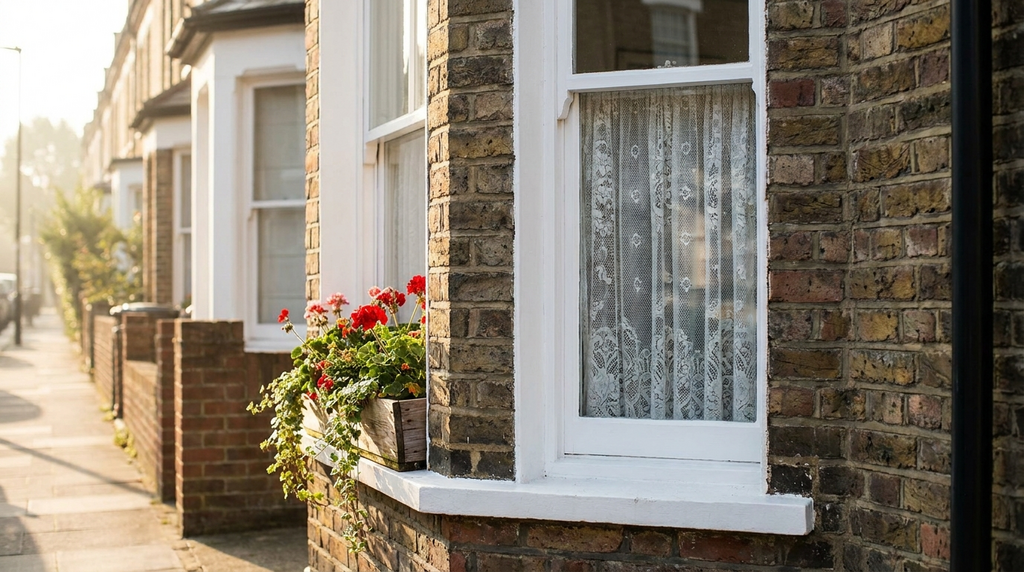
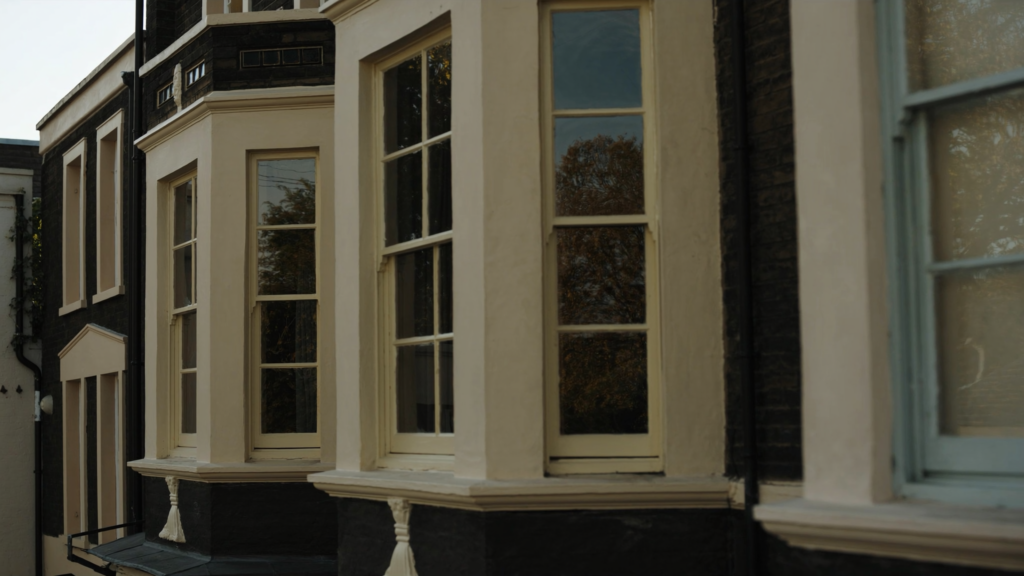
You’ll find these throughout Bensham, Saltwell, and Low Fell. These properties typically have original timber box sash windows or large single-pane casements, often with narrow reveals. Fitting modern double glazed units into these frames requires careful measurement and sometimes custom sizing, which adds cost.
The walls in these homes are solid brick, no cavity, which actually makes windows an even higher priority for heat retention, since there’s no cavity wall insulation option to fall back on. Getting your windows right here does disproportionately heavy lifting compared to a newer home.
The Post-War Semis and Council-Built Stock
Much of Gateshead’s suburban housing, think Birtley, Blaydon, Whickham, and the Winlaton estate, dates from the 1940s through to the 1970s. These homes often have metal-framed windows that are notorious cold bridges and single-glazed in original form. Replacement is usually straightforward, and the performance gains are dramatic.
Some properties in these areas were built as part of post-war council programmes and later sold under Right to Buy, meaning they’re now in private hands but share consistent construction types. If your home was council-built, it’s very likely your windows are overdue for replacement regardless of how they look from the outside.
Colliery Housing and Former Mining Village Stock
Gateshead borders some historically mining-heavy areas, and you’ll find colliery-era terraces particularly around Kibblesworth, Lamesley, and southern parts of the borough. These homes often have non-standard window openings, wider than typical Victorian terraces, sometimes with transom bars that need to be retained or replicated. Any installer quoting you should actually visit the property rather than quoting blind from photos.
Access can also be trickier in these areas, tighter streets mean scaffolding logistics need thinking through, and parking for a fitter’s van and materials needs consideration before booking.
How Much Double Glazing Costs in Gateshead and the North East Area in 2026
Labour costs in the North East run around 15–20% lower than the national average and noticeably cheaper than London or the South East. Gateshead sits in a sweet spot where you get good installer competition, companies based in Gateshead itself, plus firms covering the Newcastle, Washington, and South Shields cluster, which keeps pricing competitive.
| Property Type | Number of Windows | uPVC Double Glazed (Full Replacement) | Timber-Look Composite | Triple Glazing Upgrade |
|---|---|---|---|---|
| 2-bed terrace (Bensham, Teams) | 5–6 windows | £2,800 – £3,800 | £4,200 – £5,500 | £4,500 – £5,800 |
| 3-bed semi (Birtley, Whickham) | 7–9 windows | £3,500 – £5,000 | £5,500 – £7,200 | £5,800 – £7,800 |
| 3-bed terrace with bay window | 7–8 windows + bay | £4,200 – £5,800 | £6,200 – £8,000 | £6,500 – £8,800 |
| 4-bed semi (Low Fell, Wrekenton) | 9–12 windows | £5,000 – £7,000 | £7,500 – £10,000 | £8,000 – £11,000 |
| Front door replacement (composite) | 1 door | £900 – £1,400 | £1,200 – £1,800 | N/A |
These figures assume standard access. If your home requires scaffolding, for upper-floor windows on a narrow-fronted terrace where ladder access isn’t safe, expect to add £300–£600 to the total. Conservation area properties may also need specific frame profiles that add 10–15% to costs.
For comparison, the same 3-bed semi job in Newcastle might come in 5–8% higher due to slightly higher overheads, and in Tynemouth or Jesmond you’d likely pay closer to the national average or above. Gateshead genuinely offers good value for quality work.
How Gateshead’s Weather and Location Shape Your Double Glazing Choices
Gateshead’s climate is more demanding than the headline stats might suggest. Yes, you’re sheltered from the worst coastal winds that hammer Tynemouth and South Shields, the Tyne Valley provides genuine protection from easterly gales, but you still clock up somewhere between 1,800 and 2,200 heating degree days per year. That’s substantially higher than the national average, and it means your windows work harder, for longer, every single year.
Rainfall of 700–1,000mm per year isn’t extreme, but it’s consistent, and Gateshead’s hill-and-valley topography means some properties in areas like Blaydon and Dunston face quite different exposure profiles from homes just a mile away. Properties on elevated ground, say, overlooking the Team Valley or up towards the Fell, face more wind-driven rain than those in sheltered valley streets.
This matters because wind-driven rain tests frame seals and drainage channels. Cheap uPVC profiles can warp slightly over years of thermal cycling between Gateshead’s cold winters and occasionally warm summers, breaking the seal between frame and glass unit. Specifying a Grade C or higher wind and weather rating (as per BS 6375) isn’t over-engineering for Gateshead, it’s just sensible.
Gateshead also sits in a moderate noise environment compared to, say, living alongside the A1 in Birtley or near the industrial zones of Dunston. For most residential streets, standard 4/12/4mm double glazing provides adequate acoustic performance. If you’re within earshot of the A167 corridor or near the Metrocentre access roads, consider 6.4mm laminated glass on the outer pane, it makes a genuinely noticeable difference to background traffic noise.
The Products and Options That Actually Perform in Gateshead’s Housing Stock
Here’s honest advice rather than a manufacturer brochure, for most Gateshead homes, here’s what actually makes sense.
uPVC Frames, Still the Workhorse Choice
For the majority of post-war semis and inter-war terraces, quality uPVC remains the most cost-effective choice. Look for reinforced steel-cored uPVC from a recognised profile system (Rehau, Veka, and Deceuninck are all well-regarded and have fabricators covering the North East). Avoid unbranded profiles from installers who can’t tell you what system they’re using.
- Minimum 28mm double glazed unit
- Warm-edge spacer bar (reduces cold bridging at the glass edge)
- Argon gas fill between panes
- Low-emissivity (Low-E) coating on inner pane
- Centre-pane U-value of 1.1 W/m²K or better
- Overall window U-value of 1.4 W/m²K or better for frames
Triple Glazing, Worth It in Gateshead?
With 1,800+ heating degree days, Gateshead sits comfortably above the threshold where triple glazing starts to make financial sense for north-facing and east-facing elevations. The performance jump from a 1.4 U-value double to a 0.8 U-value triple unit is meaningful when those windows face the coldest overnight temperatures.
Triple glazing adds roughly 25–40% to the window cost but can push your EPC improvement from Band D to solid Band C or even low Band B territory when combined with other measures. For a new purchase where you’re doing a full house renovation, it’s worth serious consideration.
Timber-Look Composite for Victorian Terraces
If you have a Victorian terrace in Saltwell or Bensham and want to retain the character of the property without the maintenance headache of real timber, composite frames (timber core with aluminium or uPVC cladding) are excellent. They satisfy the planning officer’s eye in conservation-adjacent areas and genuinely look the part.
Aluminium Frames for Bay Windows
Large bay windows common in Edwardian Gateshead terraces are actually well-suited to slim aluminium frames, which allow larger glass areas without the bulky sightlines of uPVC. Thermally broken aluminium systems achieve U-values of around 1.6 W/m²K, not as strong as uPVC, but acceptable and visually superior for period properties.
How to Find a Trustworthy Double Glazing Installer Near Gateshead
The Gateshead and wider Tyne and Wear market has plenty of good installers, but also its share of companies that will sign you up quickly and deliver a mediocre job. Here’s how to protect yourself.
The Certifications That Actually Matter
- FENSA registration, This is the big one for windows and doors. FENSA-registered installers self-certify that their work meets Building Regulations, saving you from needing a separate Building Control application. Always check the FENSA register online before booking.
- TrustMark, Government-endorsed quality scheme. Look for the logo and verify on the TrustMark website.
- GGF membership, The Glass and Glazing Federation sets standards and provides a consumer protection guarantee.
- Which? Trusted Trader, Useful for checking review history specific to the North East market.
Questions Worth Asking Before You Sign Anything
- Can you tell me which profile system you use and who fabricates the frames?
- What is the centre-pane U-value and the whole-window U-value you’re quoting?
- Is your company FENSA registered and will you provide a FENSA certificate?
- What guarantee do you offer on frames, glass units, and installation separately?
- Do you carry your own liability insurance?
Red Flags to Walk Away From
- Quotes given over the phone without a site visit for non-standard properties
- High-pressure “today only” discounting, a classic double glazing sales tactic that’s still alive in the North East
- No fixed address or trading only through social media
- Requests for more than a 25% deposit upfront
Many of the best installers in Gateshead also serve Newcastle, Washington, South Shields, and Tynemouth as part of their regular patch. A company with a proper depot and showroom somewhere in the NE8 or NE9 postcode area, with verifiable local reviews going back several years, is generally a safer choice than a national franchise with local subcontractors.
Lead times in 2026 are running at around 3–6 weeks for standard uPVC, and 6–10 weeks for composite or bespoke timber-look frames. Book early if you want work done before the next winter sets in.
Grants and Funding That Could Reduce Your Costs in 2026
This is where Gateshead residents are genuinely better positioned than homeowners in many other parts of England. The North East’s higher fuel poverty rates mean it attracts disproportionate funding, and knowing what’s available can seriously reduce what you pay out of pocket.
ECO4 (Energy Company Obligation Scheme)
ECO4 requires the largest energy suppliers to fund energy efficiency improvements for low-income and vulnerable households. Windows can be funded under ECO4, though they’re typically funded as part of a broader package including insulation. If your household is in receipt of qualifying benefits, including Universal Credit, Pension Credit, or Child Tax Credit, you may be eligible for fully funded or heavily subsidised double glazing.
Gateshead Council works with installers and energy companies on ECO4 referrals. Contact the council’s housing team or check the Simple Energy Advice portal to start an eligibility check.
Great British Insulation Scheme (GBIS)
The Great British Insulation Scheme closed on 31 March 2026. It funded insulation measures only and never covered windows or glazing. Given Gateshead’s housing stock, a significant number of local properties qualify. The scheme primarily targets insulation but can be combined with glazing upgrades in whole-house assessments.
Gateshead Council’s Warm Homes Programme
Gateshead Council administers its own Warm Homes funding alongside national schemes. This has historically targeted the worst-performing private and rented properties in the borough and can include grants toward window replacement where they form part of a whole-house retrofit plan. Eligibility is means-tested and stock-limited, it’s worth calling the council’s energy efficiency team directly to ask about current availability rather than waiting for it to be advertised widely.
Home Upgrade Grant (HUG)
HU