Overview of Double Glazing in Boston, Lincolnshire
Boston, Lincolnshire is a market town of around 35,000 residents situated in one of the flattest, most wind-exposed parts of the East Midlands, and poorly insulated windows are one of the leading causes of heat loss across its largely older housing stock. If your home still has single-glazed windows or ageing double glazing from the 1990s, you are almost certainly losing a significant portion of your heating through the glass alone. Modern double glazing, fitted correctly by a FENSA-registered installer, can reduce heat loss through windows by up to 50% compared with single glazing, making a genuine, measurable difference to your energy bills and indoor comfort throughout Boston’s notoriously cold winters.
Boston sits close to The Wash, giving it a distinctly exposed, maritime-influenced climate with strong easterly winds off the North Sea that push cold air directly into homes. This geographical reality means that draught-proofing and thermal performance matter more here than in many other parts of the country. With the town’s average EPC rating sitting at Band E, there is a clear and pressing need for energy efficiency improvements, and double glazing is almost always one of the first upgrades recommended by assessors visiting Boston properties.
Why Boston Homeowners Choose Double Glazing
The Local Climate Makes Thermal Performance a Priority
Boston experiences some of the coldest average winter temperatures in Lincolnshire, with regular frosts from November through to March and persistent easterly winds that make the perceived temperature feel significantly lower than the thermometer reading. Many Boston homeowners describe condensation running down their window panes in winter, a reliable sign that existing glazing is failing to keep warm air inside and cold air out. Modern double glazing with low-emissivity (low-E) glass addresses this directly by adding a microscopically thin metallic coating to the inner pane that reflects heat back into the room.
Boston’s Housing Stock
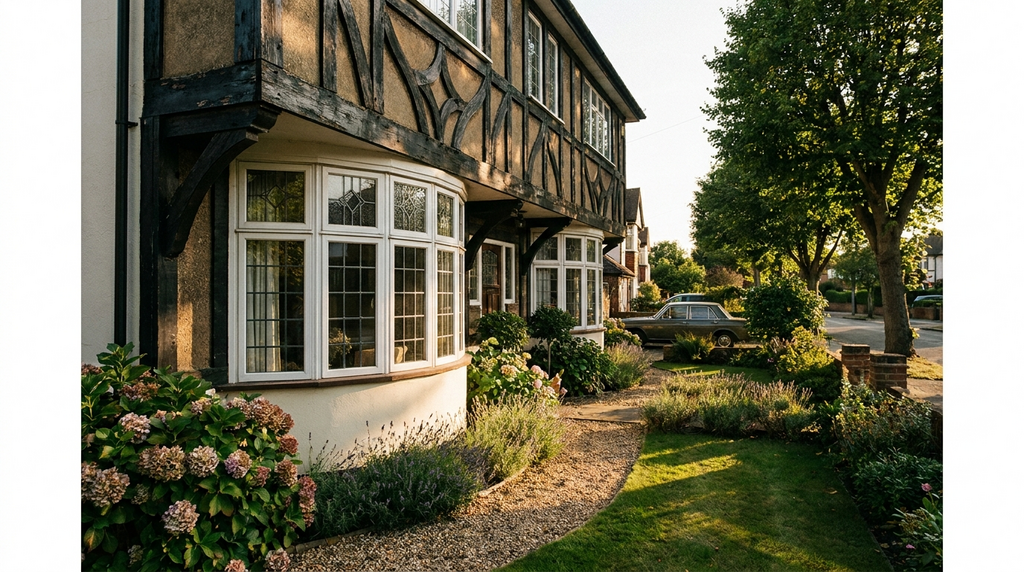
The majority of homes in Boston are terraced and semi-detached properties, many of which were built between 1900 and 1970 and originally fitted with single-glazed sash or casement windows. These older window frames, whether timber or early uPVC, are frequently draughty, difficult to open and close properly, and offer almost no thermal or acoustic insulation. The town also has a significant number of post-war council-built semi-detached homes, which were constructed to minimal insulation standards and are now well overdue for glazing upgrades.
Terraced homes in Boston face a particular challenge because they lose heat from only two external walls, meaning the front and rear windows become proportionally more important for overall thermal performance. Replacing single or poor-quality glazing in a mid-terrace can have a more noticeable impact on indoor temperature than the same upgrade carried out in a detached property with more wall surface area to lose heat through.
Noise Reduction Matters in Town Centre Streets
Boston town centre and the streets immediately surrounding it carry significant road and commercial traffic, particularly around the market area and along the A52 corridor. Acoustic double glazing, with a wider air gap or argon-filled cavity, can meaningfully reduce noise intrusion, which is a priority for homeowners on busy routes such as Wide Bargate, London Road, and Spilsby Road.
2026 Costs for Double Glazing in Boston
What You Can Expect to Pay in the East Midlands
Double glazing costs in Boston and the surrounding Lincolnshire area are generally slightly below the UK national average. This reflects the lower labour rates typical of the East Midlands compared with London and the South East. However, costs vary considerably depending on window type, material, energy rating, and the number of windows being replaced. The figures below are realistic estimates for 2026 based on typical Boston properties.
| Window Type | Frame Material | Energy Rating | Estimated Cost Per Window (Supply and Fit) | Typical Full House (8–10 Windows) |
|---|---|---|---|---|
| Casement | uPVC | A or B rated | £400 – £600 | £3,200 – £5,500 |
| Casement | Timber | A or B rated | £700 – £1,100 | £5,500 – £9,500 |
| Casement | Aluminium | A rated | £800 – £1,200 | £6,500 – £10,500 |
| Sash (sliding) | uPVC | A or B rated | £700 – £1,000 | £5,000 – £8,500 |
| Sash (sliding) | Timber | A rated | £1,000 – £1,600 | £8,000 – £14,000 |
| Bay Window (three panes) | uPVC | A or B rated | £1,200 – £2,000 | Priced per unit |
| Tilt and Turn | uPVC | A rated | £500 – £750 | £4,000 – £6,500 |
Factors That Affect Your Final Price in Boston
- Number of windows being replaced, Installers typically offer a better per-unit price when replacing the full house in one visit, so a full replacement almost always works out cheaper per window than doing individual rooms separately.
- Access difficulties, Properties on narrow terraced streets in Boston town centre can be harder to access for scaffolding or ladders, which may add a small premium to upper-floor replacements.
- Existing frame condition, If timber sub-frames or lintels need repair before new windows can be fitted, this adds to the overall cost.
- Bespoke or non-standard sizes, Older Boston properties sometimes have non-standard window openings, particularly in Victorian terraces near the town centre, which require made-to-measure units at a higher price.
- Glazing specification, Argon-filled cavities and warm-edge spacer bars add modest cost but improve thermal performance noticeably.
Types of Double Glazing Available for Boston Homes
uPVC Double Glazing
uPVC remains the most popular choice for Boston homeowners due to its low cost, durability in wet and windy conditions, and minimal maintenance requirements. Modern uPVC frames bear little resemblance to the yellowing, bowing frames of the 1990s, today’s systems are reinforced with steel or aluminium cores, available in a range of colours and woodgrain finishes, and can achieve Window Energy Ratings of A or higher. For most terraced and semi-detached homes in Boston, uPVC casement or tilt-and-turn windows offer the best balance of performance and value.
Timber Double Glazing
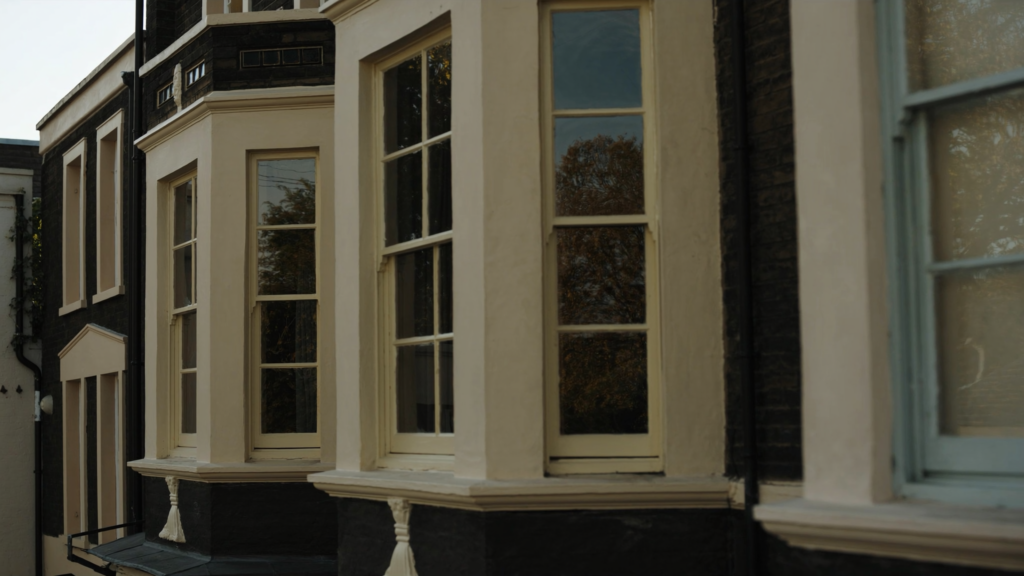
Timber frames suit Boston’s older Victorian and Edwardian stock particularly well from a visual standpoint and are often required in conservation areas or for listed properties. They perform excellently when properly maintained but do require periodic repainting or re-staining, typically every five to seven years. Engineered timber systems (where a timber outer is bonded to an aluminium inner) offer improved weather resistance without sacrificing appearance.
Aluminium Double Glazing
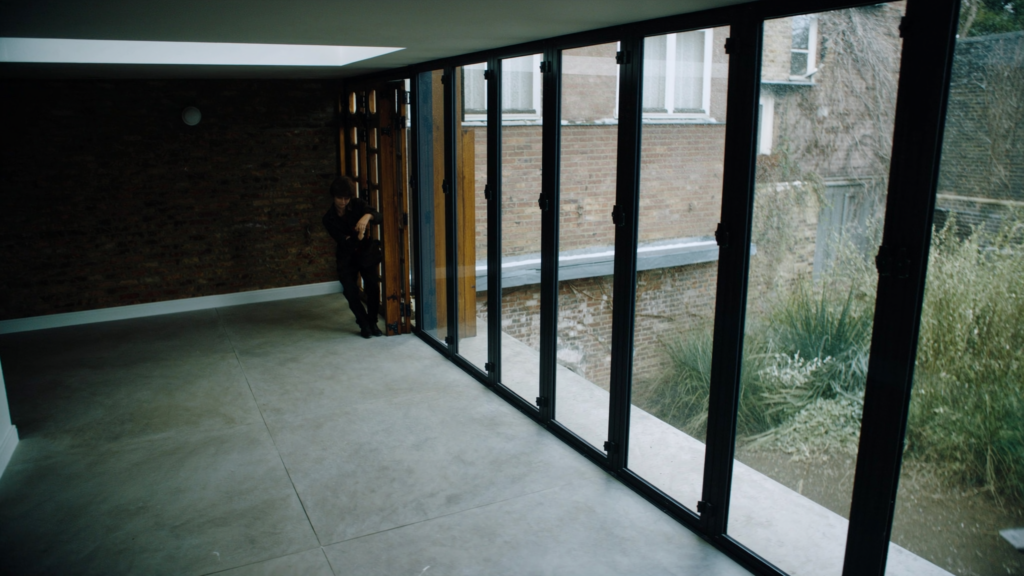
Aluminium frames are slim, strong, and well suited to larger glazed areas such as rear extensions or picture windows. They are increasingly popular in contemporary new-build and renovation projects around Boston’s outskirts. Thermally broken aluminium, where a plastic barrier separates the inner and outer frame, is essential for achieving the energy ratings needed to comply with current Building Regulations.
Glass Specifications Worth Understanding
- Low-E glass, A metallic coating reflects heat back into the room while still letting light through. Standard in most A-rated products.
- Argon fill, Argon gas in the cavity between panes conducts heat less readily than air, improving the U-value of the unit.
- Warm-edge spacer bars, Replace aluminium spacers at the edge of the glass unit, reducing cold bridging and condensation around the frame edge.
- Acoustic glass, Uses laminated panes of different thicknesses to disrupt sound transmission. Recommended for homes on busy Boston roads.
- Window Energy Ratings (WER), Rated A++ to E by the British Fenestration Rating Council (BFRC). Aim for at least A-rated for new installations in Boston.
What to Look for in a Boston Double Glazing Installer
Key Accreditations to Check
Choosing the right installer is as important as choosing the right product. In Boston and across Lincolnshire, there are both national companies with local depots and independent local firms. The accreditations below are your primary tools for separating trustworthy traders from those who may cut corners.
- FENSA registration, FENSA (Fenestration Self-Assessment Scheme) allows installers to self-certify that their work complies with Building Regulations. A FENSA certificate proves your windows were fitted legally and is essential when you sell your home. You can verify any installer at fensa.org.uk.
- CERTASS membership, An alternative to FENSA that carries the same legal weight. Some smaller Lincolnshire firms are CERTASS members rather than FENSA-registered.
- TrustMark accreditation, A government-endorsed quality scheme. TrustMark tradespeople have been vetted for competence, financial probity, and customer service standards.
- Which? Trusted Traders, An independently verified endorsement scheme worth checking alongside the above.
Questions to Ask Before Signing a Contract
- Are you FENSA or CERTASS registered, and will you provide a certificate on completion?
- What is the U-value and Window Energy Rating of the units you are proposing?
- Does your quote include all fitting, making good, and removal of old frames?
- What is the manufacturer’s guarantee on the sealed units, and what is your own installer warranty?
- Are you able to provide references from recent jobs in Boston or the surrounding area?
- Is the price fixed, or could it change once work begins?
Always get at least three written quotes from different installers before committing. Be cautious of any company that offers a dramatically reduced price only if you sign on the day, this high-pressure tactic is a recognised warning sign in the double glazing industry.
Government Grants and Funding for Double Glazing in 2026
ECO4, The Energy Company Obligation Scheme
ECO4 is the current iteration of the government’s Energy Company Obligation programme, which requires large energy suppliers to fund energy efficiency improvements in low-income and vulnerable households. In Boston, where average EPC ratings sit at Band E and fuel poverty rates are above the national average, a significant proportion of households may qualify. Double glazing can be funded under ECO4 when it forms part of a broader package of improvements, typically alongside insulation or heating upgrades. Eligibility is linked to income, benefits receipt, and your current EPC rating. Contact your energy supplier directly or use the government’s ECO4 eligibility checker at gov.uk.
Great British Insulation Scheme (GBIS)
The Great British Insulation Scheme, which runs alongside ECO4 in 2026, is built to help homes in EPC Bands D to G access a single insulation or glazing measure. Boston homeowners with Band E ratings, the town’s average, fall squarely within the target group. The Great British Insulation Scheme closed on 31 March 2026. It funded insulation measures only and never covered windows or glazing. Both owner-occupiers and private renters may qualify depending on household income and property rating.
Local Council Support, Boston Borough Council
Boston Borough Council has historically participated in Lincolnshire-wide home improvement schemes and has directed residents towards national funding routes including ECO and Warm Homes programmes. It is worth contacting the council’s housing or environmental health team directly to ask about any current local authority flexible eligibility agreements, which can extend ECO4 funding to households that do not automatically qualify through the standard national criteria. Lincolnshire County Council also operates the Lincolnshire Home Improvement Agency, which can advise older and disabled residents on available funding routes.
Warm Homes Plan, Upcoming Expansion
The government’s Warm Homes Plan, announced in late 2025, is expanding in 2026 to offer additional support for energy efficiency upgrades in owner-occupied and rented homes. While the primary focus is on insulation and low-carbon heating, glazing improvements are included as eligible measures within whole-house retrofit assessments. Boston homeowners should register interest with local advice services to stay informed as the scheme rolls out further across the East Midlands.
How Double Glazing Affects Your EPC Rating in Boston
Given that the average Boston home sits at EPC Band E, many local homeowners are either approaching a legal threshold (private landlords must now meet minimum EPC requirements) or simply looking to improve their property’s value and marketability. Double glazing is one of the measures that EPC assessors specifically account for when calculating a home’s rating.
Replacing single glazing with A-rated double glazing across all windows in a typical Boston semi-detached or terraced home can improve the EPC score by approximately 4 to 8 points. Depending on starting position, this can shift a home from Band E to Band D, a meaningful improvement that affects both the legal standing of a rented property and its appeal to prospective buyers. According to data from the Energy Saving Trust, improving from Band E to Band D can add between 1% and 3% to a property’s market value, which in Boston’s current property market (where average house prices sit around £180,000 to £220,000 for terraced and semi-detached homes) is a real financial gain.
Double glazing alone rarely lifts a home from Band E to Band C, assessors typically look at wall insulation, loft insulation, and heating system efficiency alongside glazing. However, it forms an important part of a coordinated upgrade strategy.
Planning Considerations for Boston
Permitted Development, What Most Homeowners Can Do Without Permission
In most cases, replacing windows in a residential property in Boston does not require planning permission, provided the replacement is like-for-like in terms of appearance and the property is not listed or within a designated conservation area. This falls under permitted development rights. However, permitted development does not mean you can ignore Building Regulations, FENSA or CERTASS certification is still required to demonstrate compliance.
Conservation Areas in Boston
Boston has several designated conservation areas,