Overview of Double Glazing in Sleaford
Sleaford is a market town in Lincolnshire where a significant proportion of homes were built before modern energy efficiency standards were introduced, meaning single-glazed windows remain common across many streets. Double glazing in Sleaford has become one of the most popular home improvement investments in the town, and for good reason, older semi-detached and terraced properties lose a substantial amount of heat through poorly insulated windows, pushing up energy bills and reducing comfort during the colder months that define life on the Lincolnshire plain.
With an average EPC rating of Band D across the town, Sleaford homeowners have clear room to improve. Upgrading to modern double glazing is one of the most straightforward ways to move up the EPC scale, reduce heating demand, and make a property genuinely more comfortable to live in. Whether you own a Victorian terrace near the town centre, a 1960s semi off Grantham Road, or a newer build in one of the surrounding estates, this guide covers everything you need to know about double glazing in Sleaford in 2026.
Why Sleaford Homeowners Choose Double Glazing
The Lincolnshire Climate and Its Impact on Heating Bills
Sleaford sits in a part of Lincolnshire that experiences some of the coldest winters in the East Midlands region. The town is relatively flat and open, which means easterly winds, often biting cold, especially between November and March, can make poorly insulated homes feel draughty and expensive to keep warm. Average gas usage in Sleaford runs at around 12,500 kWh per year, which is above the national average. This reflects just how hard heating systems have to work in this part of the country.
Single-glazed windows offer virtually no thermal resistance. On a cold January night in Sleaford, you can often feel cold radiating from single-pane glass from several feet away. Double glazing creates an insulating air gap, or argon gas-filled cavity, between two panes of glass, dramatically reducing the rate at which heat escapes. For many families in town, this translates directly into lower gas bills and warmer rooms without turning the thermostat up.
The Housing Stock in Sleaford
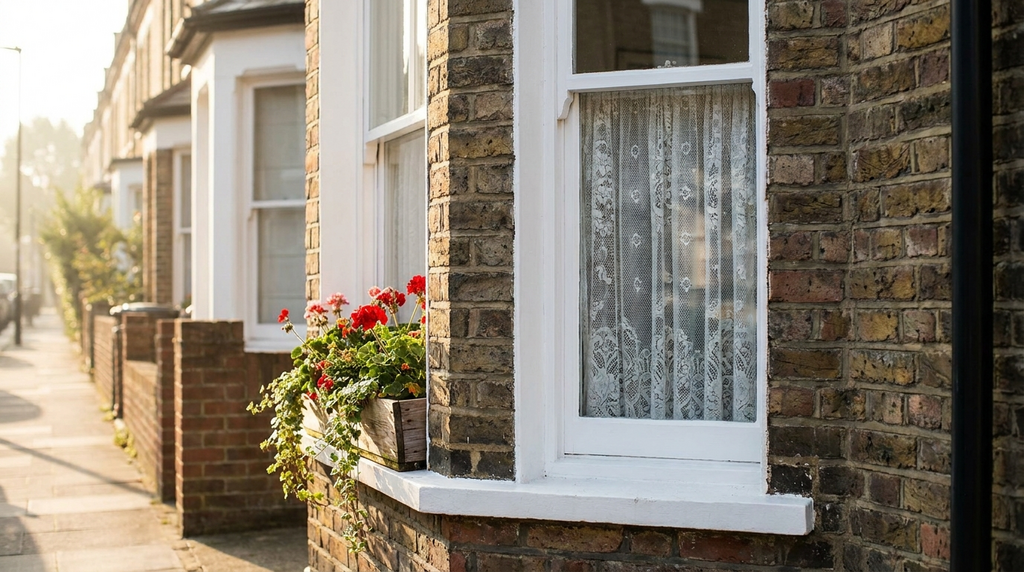
The majority of homes in Sleaford are semi-detached and terraced properties, many dating from the Victorian era through to the post-war period. These property types present particular challenges for heat retention. Terraced homes share walls with neighbours, which helps reduce heat loss on two sides, but the front and rear elevations, often featuring large single-glazed windows, can be a significant source of energy waste.
Semi-detached homes face a similar situation, with the added exposure of a side wall and frequently larger window openings on the ground floor. Upgrading the glazing on these properties tends to have an immediately noticeable effect on indoor temperature and draught levels. Many Sleaford homeowners report that the difference is felt within the first few days after installation, particularly in front rooms and bedrooms that face the prevailing wind direction.
2026 Costs for Double Glazing in Sleaford
Typical Installation Prices in the East Midlands
Double glazing costs in Sleaford are broadly in line with East Midlands pricing, which tends to sit slightly below London and the South East but is comparable to other Lincolnshire towns. Prices vary depending on frame material, glass specification, window style, and the number of units being replaced. The table below provides a realistic guide to what you should expect to pay in 2026.
| Window Type | Frame Material | Typical Cost Per Window (Supply and Fit) | Full House Estimate (6–8 Windows) |
|---|---|---|---|
| Standard Casement | uPVC | £350 – £550 | £2,100 – £4,400 |
| Sash Window | uPVC | £600 – £950 | £3,600 – £7,600 |
| Sash Window | Timber | £900 – £1,500 | £5,400 – £12,000 |
| Bay Window | uPVC | £900 – £1,800 | Varies by number of bays |
| Tilt and Turn | uPVC | £450 – £700 | £2,700 – £5,600 |
| Casement | Aluminium | £500 – £800 | £3,000 – £6,400 |
Factors That Affect the Final Price
Several local factors can push costs up or down. Homes in older parts of Sleaford, particularly around the town centre and conservation areas near the Navigation, may have non-standard window openings that require bespoke frames, adding to the price. Scaffold access costs can also add £200 – £600 depending on the height of upper-floor windows. If you are replacing windows in a property that has not had double glazing before, there may be additional work to prepare the reveals and ensure a weathertight finish.
It is always worth getting at least three written quotes from local installers. Prices in Sleaford can vary considerably between companies, and the cheapest quote is not always the best value, particularly for the quality of the glass unit, the depth of the cavity, and the standard of installation.
Types of Double Glazing Available
Frame Materials Suited to Sleaford Homes
uPVC frames remain the most popular choice across Sleaford’s semi-detached and terraced homes. They are low maintenance, durable in wet and cold conditions, and competitively priced. Modern uPVC comes in a wide range of colours and woodgrain foil finishes, so it no longer looks out of place on older properties.
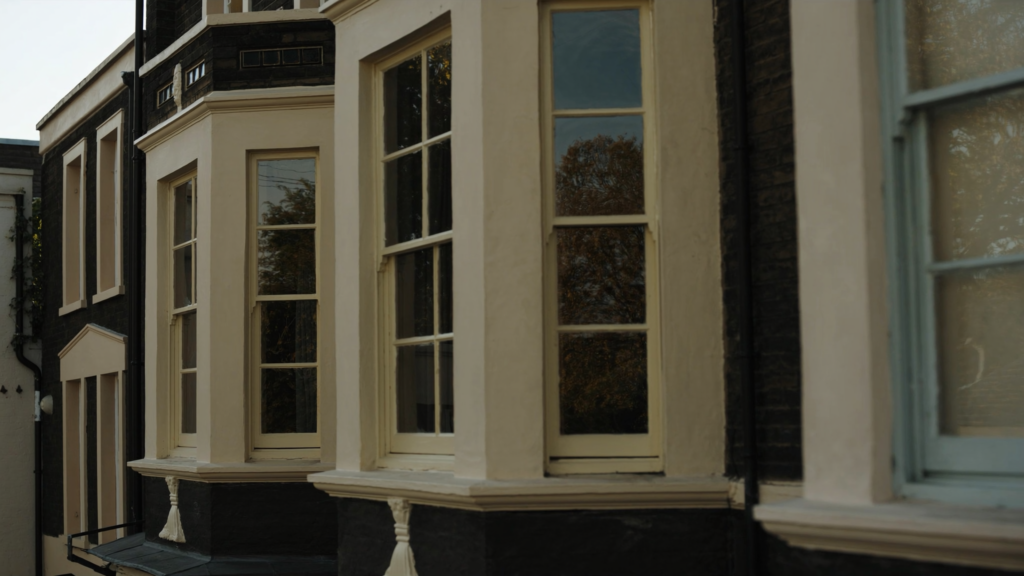
Timber frames are popular on older character properties and are often required in conservation areas or for listed buildings. They require more maintenance than uPVC but offer excellent thermal performance when properly specified and fitted with high-quality sealed units.
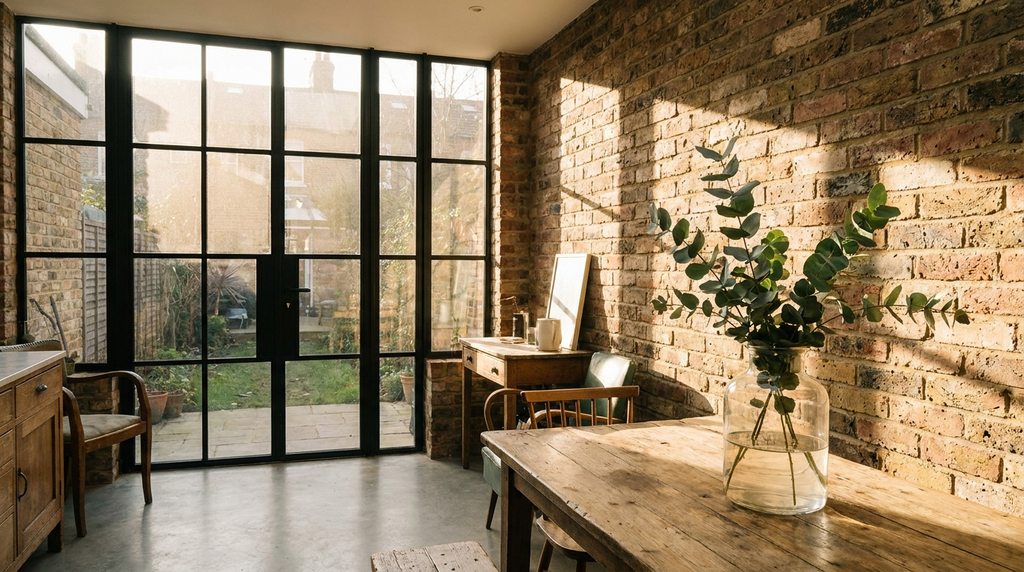
Aluminium frames are increasingly chosen for contemporary extensions and rear aspects of homes. They are slim, strong, and can accommodate large panes of glass, though they are generally more expensive than uPVC.
Glass Specifications and Energy Ratings
Not all double glazing units are created equal. When comparing quotes, check the energy rating of the glazing unit itself. The British Fenestration Rating Council (BFRC) rates windows from A++ down to G, in a system similar to white goods. For a Sleaford home with high gas usage, aiming for at least an A-rated unit is strongly advisable.
Look for the following specifications when reviewing what is included in a quote:
- A low-emissivity (Low-E) coating on the inner pane, which reflects heat back into the room
- Argon gas fill in the cavity between the panes, which insulates better than air
- A cavity depth of at least 16mm, wider cavities generally perform better
- Warm-edge spacer bars to reduce condensation at the edges of the glass
- A sealed unit guarantee of at least 10 years against misting and seal failure
What to Look for in a Sleaford Double Glazing Installer
Accreditations and Certifications
When choosing a double glazing installer in Sleaford, the single most important thing to check is whether they are registered with FENSA or Certass. These are government-authorised bodies that regulate the installation of replacement windows and doors in England. A FENSA-registered installer will self-certify that the work meets Building Regulations, and they will issue you with a certificate after completion. This certificate is important when you come to sell your home.
TrustMark registration is another reliable indicator of quality. TrustMark is a government-endorsed quality scheme that covers a wide range of home improvement trades. Installers who carry the TrustMark logo have been independently vetted for their trading standards, insurance, and quality of workmanship.
Questions to Ask Before You Agree to Anything
- Are you FENSA or Certass registered, and will you provide a certificate on completion?
- What is the energy rating of the glazing units you supply?
- What guarantee do you offer on the sealed units, frames, and installation?
- Are you a local company with a physical address, and can you provide references from Sleaford or nearby properties?
- Is your quote fully inclusive, including disposal of old frames and any making-good work?
- Do you carry public liability insurance?
Be cautious of any company that pressures you to sign on the day or offers a deeply discounted price that is only valid for 24 hours. Reputable Sleaford installers will give you time to consider your options and compare quotes.
Government Grants and Funding for Double Glazing in 2026
ECO4 Scheme
The Energy Company Obligation (ECO4) is the main government-backed scheme that can fund energy efficiency improvements for eligible homeowners. In 2026, ECO4 continues to prioritise households with lower incomes and properties with poor energy efficiency ratings. Given that Sleaford has an average EPC of Band D, many homes in the town meet the property eligibility criteria. However, the scheme requires you to be receiving certain means-tested benefits, such as Universal Credit, Pension Credit, or Child Tax Credit, to qualify for free or heavily subsidised double glazing.
ECO4 is delivered through the major energy suppliers, so the first step is to contact your gas or electricity provider to check whether you are eligible. Alternatively, Lincolnshire County Council and North Kesteven District Council (under whose authority Sleaford falls) can sometimes signpost residents to local ECO4 coordinators.
Great British Insulation Scheme (GBIS)
The Great British Insulation Scheme closed on 31 March 2026. It funded insulation measures only and never covered windows or glazing. While its primary focus is loft and wall insulation, double glazing can be included as part of a wider package of measures in certain circumstances. Homeowners in Sleaford with a property rated EPC Band D or below may be eligible, regardless of whether they receive benefits, though income does play a role in determining the level of support available.
North Kesteven District Council Support
North Kesteven District Council has historically worked with Lincolnshire’s Warm Homes initiative to help residents access energy efficiency funding. It is worth contacting the council directly to ask about any current local schemes or referral pathways to ECO4 funding. The council’s housing team can also advise on whether your property falls within any targeted improvement areas.
The Boiler Upgrade Scheme and Double Glazing
The Boiler Upgrade Scheme (BUS) does not directly fund double glazing, but improving your glazing before applying for a heat pump under BUS can significantly improve the viability of that transition. A well-insulated home with good double glazing requires a smaller, cheaper heat pump to heat effectively, making the overall upgrade more cost-effective.
How Double Glazing Affects Your EPC Rating
The average EPC rating in Sleaford is Band D, which corresponds to a score roughly between 55 and 68. Upgrading from single glazing to modern A-rated double glazing can add between 4 and 10 points to your EPC score depending on the size and number of windows being replaced and the overall thermal profile of your property.
For a typical semi-detached property in Sleaford replacing six single-glazed windows with A-rated double glazing, it is realistic to expect an improvement of around 5 to 8 EPC points. In many cases, this is enough to move a property from the lower end of Band D into the upper range of Band D, or even into Band C. Reaching Band C is increasingly important for homeowners considering selling, remortgaging, or renting their property, as lenders and tenants are becoming more attentive to energy performance.
In terms of property value, research by Nationwide and analysis cited by the Energy Saving Trust suggests that improving an EPC from D to C can add between 3 and 5 per cent to a property’s market value. For a home in Sleaford valued at £220,000, that could represent an increase of £6,600 to £11,000.
Planning Considerations for Sleaford
Conservation Areas in the Town
Sleaford has a designated conservation area centred around the historic town centre, including the area near St Denys’ Church and the Navigation. If your property falls within this conservation area, replacing windows is not automatically covered by permitted development rights. You may need to apply for planning permission before installing double glazing, and there are likely to be restrictions on frame materials, colours, and styles.
In conservation areas, planning officers at North Kesteven District Council will typically require that replacement windows match the character of the original as closely as possible. This often means timber frames, slim sightlines, and specific colours. uPVC may not be acceptable in these locations, so it is essential to check with the council before proceeding.
Listed Buildings
If you own a listed building in or around Sleaford, and there are several Grade II listed properties in the town centre and surrounding villages, you will need Listed Building Consent before replacing any windows. This is a separate process from planning permission and is required regardless of whether the windows are considered original features. Unauthorised work to a listed building can result in enforcement action and mandatory reinstatement at the owner’s cost.
Standard Properties and Permitted Development
For the majority of Sleaford homes outside conservation areas and not listed, replacing like-for-like double glazing falls under permitted development and does not require a planning application. However, you are still required to comply with Building Regulations, which is where FENSA or Certass registration becomes essential.
Expected Savings and Payback Period
Energy Savings in kWh
Based on data from the Energy Saving Trust and the Building Research Establishment, replacing all single-glazed windows in a semi-detached home with A-rated double glazing typically saves between 150 and 400 kWh of gas per year. For a detached or larger property, this figure can be higher. Given Sleaford’s average annual gas usage of 12,500 kWh, this is a reduction of roughly 1 to 3 per cent in total gas consumption from windows alone.
However, when combined with other improvements such as loft insulation and draught-proofing, both of which are already widely recommended for Sleaford homes, the overall energy savings can be significantly greater due to the compounding effect of reducing heat loss through multiple pathways simultaneously.
Financial Savings in GBP
At 2026 gas prices of approximately 6.24p per kWh (reflecting current Ofgem price cap levels), saving 300 kWh of gas annually translates to a saving of around £18 to £25 per year on gas bills from windows alone. This may seem modest in isolation, but double glazing also reduces the need