Overview of Double Glazing in Newark
Newark-on-Trent is a market town of around 42,000 residents in Nottinghamshire, and a significant proportion of its housing stock still relies on older single-glazed windows that do little to keep the cold out or the heat in. Double glazing has become one of the most popular home improvements in the town, and for good reason, Newark sits in the East Midlands where average winter temperatures regularly drop well below 5°C, making energy efficiency a practical necessity rather than a luxury. Whether you live in one of the many Victorian terraces near the town centre, a 1960s semi-detached on the outskirts, or a newer build that needs its original units replacing, this guide gives you honest, practical advice about what double glazing costs in Newark in 2026, what it will do for your energy bills, and how to find a reliable local installer.
Newark’s housing is characterised by a mix of older traditional properties and post-war social housing estates, many of which were built before modern insulation standards existed. The town’s average EPC rating sits at Band D, which means most homes are losing more heat than they should. Upgrading to modern double glazing is one of the most straightforward and cost-effective ways to move up the EPC scale, reduce your gas consumption, and make your home more comfortable throughout the year.
Why Newark Homeowners Choose Double Glazing
Newark’s Climate and Why It Matters for Windows
The East Midlands experiences some of the most variable weather in England. Newark, sitting in the Trent Valley, is particularly exposed to cold northerly winds in winter and can experience significant rainfall throughout the year. Average winter temperatures in the region hover between 2°C and 7°C, and while Newark does not face the extremes of northern England, the combination of cold snaps, damp air, and older housing stock means draughty windows are a very real problem for many local households.
Single-glazed windows, still found in a substantial number of Newark’s older terraces and pre-1970s semis, allow heat to escape rapidly. The Energy Saving Trust estimates that poorly performing windows can account for up to 18% of a home’s total heat loss. In a Newark terrace where gas usage averages around 11,200 kWh per year, that translates to hundreds of pounds leaving through the glass every winter.
Newark’s Housing Stock
The dominant property types in Newark are semi-detached and terraced homes, many of which were built between 1890 and 1970. These properties share several characteristics that make double glazing particularly beneficial:
- Older timber window frames that have warped, rotted, or no longer seal properly
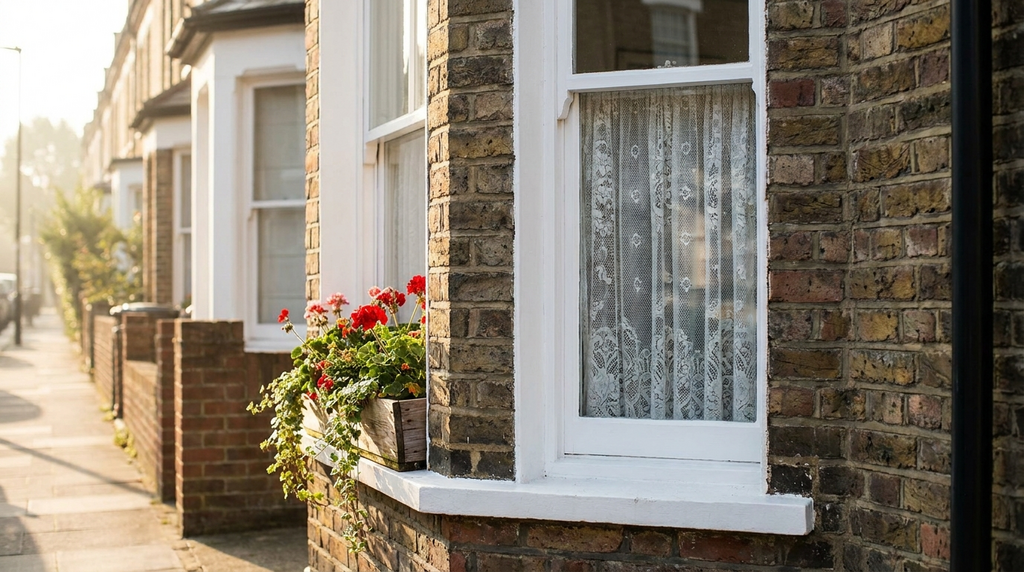
- Large front bay windows common in Edwardian and Victorian terraces that create significant cold spots
- Draughty sash windows in period properties near the castle quarter and town centre
- Cavity walls that may already be insulated but still lose heat through uninsulated glazing
- Back extensions with single-glazed casements or outdated conservatory panels
For the typical Newark semi-detached with eight to ten windows and a front door, replacing all glazing in one project usually delivers the best value and the most noticeable improvement in comfort and energy use.
2026 Costs for Double Glazing in Newark
What You Can Expect to Pay in 2026
Prices for double glazing in Newark and the wider East Midlands region vary based on window size, frame material, glass specification, and the number of units being replaced. The figures below are realistic estimates for 2026 and reflect both materials and installation by a reputable local company. Always get at least three written quotes before committing.
| Window Type | Frame Material | Typical Cost Per Window (Supplied and Fitted) | Full House Estimate (8–10 windows) |
|---|---|---|---|
| Standard casement | uPVC | £400 – £600 | £3,200 – £5,500 |
| Bay window (3-panel) | uPVC | £900 – £1,500 | Included in full house cost |
| Sash window (vertical sliding) | uPVC or timber | £700 – £1,200 | £5,600 – £10,000 |
| Standard casement | Aluminium | £600 – £900 | £4,800 – £7,500 |
| Standard casement | Timber | £800 – £1,400 | £6,400 – £12,000 |
| Front door (composite) | Composite | £1,200 – £2,200 | Separate item |
| Tilt and turn casement | uPVC | £450 – £700 | £3,600 – £6,000 |
Factors That Affect the Final Price in Newark
Several local and property-specific factors will push your quote higher or lower than the figures above:
- Property age and frame condition, Older Newark terraces may need lintel or reveal repairs before new frames can be fitted, adding £100–£300 per window
- Access and scaffold requirements, First-floor sash windows on tall Victorian properties may need scaffold, typically adding £300–£600 to the total job
- Conservation area restrictions, Certain parts of Newark, particularly around the castle and the historic town centre, have restrictions on frame styles and colours (covered in more detail below)
- Glass upgrades, Triple glazing, self-cleaning glass, or acoustic glass all cost more than standard double-glazed units
- Number of windows, Installing all windows at once usually gives you better value per unit than replacing them one at a time
Types of Double Glazing Available
Choosing the Right Glazing for Your Newark Home
Not all double glazing is equal. The energy performance of a window is measured using a Window Energy Rating (WER) scale from A++ to E, and separately by its U-value, the lower the U-value, the better the insulation. For Newark homes aiming to improve their EPC rating, you should be looking at windows with a WER of A or above and a U-value of 1.4 W/m²K or lower.
- Standard double glazing, Two panes of glass with an air or argon gas-filled gap, typically 16–20mm wide. This is the most common and affordable option and suits the majority of Newark’s semi-detached and terraced homes.
- Low-emissivity (Low-E) glass has a microscopically thin metallic coating that reflects heat back into the room. This glass is significantly more efficient than basic double glazing and strongly recommended for older Newark properties.
- Triple glazing, Three panes with two gas-filled cavities. Offers the best thermal performance but costs roughly 20–30% more than double glazing. Best suited to exposed or north-facing elevations.
- Acoustic glass, Useful if your home is near the A1, the Newark bypass, or the busy town centre. Reduces outside noise significantly.
- Self-cleaning glass, Uses a special coating that breaks down dirt in sunlight and allows rain to wash it away. Useful for hard-to-reach windows on tall Newark Victorian properties.
Frame Materials Explained
uPVC frames dominate the Newark market because they are affordable, low maintenance, and available in a wide range of colours and woodgrain foils. Timber frames suit period properties and conservation areas but require more maintenance. Aluminium frames offer a slim, modern profile and excellent longevity but tend to cost more upfront. For most Newark homeowners on a mid-range budget, uPVC in a colour or finish sympathetic to the property’s age will deliver the best combination of performance and value.
What to Look for in a Newark Double Glazing Installer
Certifications and Accreditations That Matter
The double glazing industry has its share of poor-quality traders, and Newark homeowners have been stung by cowboy installers in the past. Protecting yourself starts with knowing which accreditations are worth having and which are little more than marketing badges.
- FENSA registration, FENSA (Fenestration Self-Assessment Scheme) is the most widely recognised competency scheme for window installers in England. A FENSA-registered company self-certifies that your installation meets Building Regulations, saving you from applying for a council certificate separately. Always ask for the FENSA certificate on completion.
- CERTASS membership, An alternative to FENSA that carries the same legal weight. Either FENSA or CERTASS registration is acceptable.
- TrustMark accreditation, Government-endorsed quality scheme covering a wide range of trades. TrustMark-registered installers have been vetted for technical competence and customer service standards.
- Which? Trusted Traders, Independent endorsement based on customer reviews and site visits. Useful for shortlisting local Newark installers.
Questions to Ask Before Signing Anything
- Are you FENSA or CERTASS registered, and will I receive a certificate after the work is completed?
- How long is the warranty on frames, glass units, and the installation itself?
- Is the installation team directly employed by you, or are they subcontractors?
- Can you provide references from similar Newark properties you have worked on recently?
- What happens if a sealed unit fails and starts to mist up within the warranty period?
- Will you dispose of the old frames and glazing, and is this included in the quoted price?
A reputable Newark installer will answer all of these questions clearly and without hesitation. Be wary of any company pushing for a same-day decision or offering discounts that expire immediately.
Government Grants and Funding for Double Glazing in 2026
What Financial Help Is Available to Newark Residents
Several government-backed schemes may help Newark homeowners reduce the cost of double glazing in 2026, though eligibility depends on your income, property type, and current EPC rating.
ECO4, Energy Company Obligation Scheme
ECO4 is the fourth phase of the Energy Company Obligation, which requires large energy suppliers to fund energy efficiency improvements in lower-income and vulnerable households. Double glazing can be funded under ECO4 where it forms part of a wider package of improvements. To qualify, you typically need to be receiving a means-tested benefit (such as Universal Credit, Pension Credit, or Housing Benefit) and have a home with an EPC rating of D or below, which applies to the majority of Newark’s housing stock.
Newark falls under the remit of Nottinghamshire County Council and Newark and Sherwood District Council, both of which have historically engaged with ECO4 delivery partners. Contact Newark and Sherwood District Council directly to ask whether they have an active referral scheme running in 2026.
Great British Insulation Scheme (GBIS)
The Great British Insulation Scheme, which runs alongside ECO4, primarily targets insulation but can be used in combination with glazing upgrades. Homes in Council Tax bands A to D in lower-income areas of Newark may qualify for additional support.
Warm Homes Plan
The government’s Warm Homes Plan, which is being rolled out progressively through 2026, aims to improve millions of homes across England. Funding is channelled through local authorities and registered social landlords. Newark and Sherwood District Council should be your first point of contact to find out whether your household is eligible for any directly funded glazing support under this plan.
Home Upgrade Grant (HUG)
The Home Upgrade Grant targets off-gas-grid properties, but Newark homeowners in rural parts of the district without mains gas connection may be eligible for funded energy efficiency measures including glazing. Check directly with Newark and Sherwood District Council.
It is worth being realistic, standalone double glazing grants are harder to access than insulation grants, and most schemes require a whole-house approach. However, if your home qualifies for ECO4 support, glazing costs can be significantly reduced or fully covered as part of a broader improvement package.
How Double Glazing Affects Your EPC Rating
Moving Up the Energy Performance Certificate Scale
Newark’s average EPC rating sits at Band D, which covers a score range of 55 to 68 on the Standard Assessment Procedure (SAP) scale. Replacing single glazing with modern, A-rated double glazing typically adds between 4 and 10 SAP points to a property’s score, depending on the size and number of windows being replaced.
For a typical Newark semi-detached sitting at the lower end of Band D (around 57 SAP points), upgrading all windows from single to A-rated double glazing could push the property into Band C territory. This matters for several reasons:
- Property value, Research from property analysts consistently shows that homes in Band C or above sell for more than equivalent Band D properties. In the Newark market, moving from D to C could add 2–5% to your property’s value.
- Mortgage eligibility, Several lenders now offer green mortgage products with preferential rates for properties rated Band C or above, which benefits anyone remortgaging after improvements.
- Rental compliance, If you rent out a property in Newark, minimum EPC requirements continue to tighten. Staying ahead of legislation by improving your EPC rating now avoids forced expenditure later.
- Selling appeal, A higher EPC certificate is increasingly important to buyers in Newark’s competitive housing market, particularly younger purchasers who factor running costs into affordability calculations.
Planning Considerations for Newark
Conservation Areas and Listed Buildings in Newark
Newark has a rich architectural heritage centred on its Norman castle, medieval market place, and the extensive Georgian and Victorian townscape that surrounds them. Several parts of the town fall within designated conservation areas, and a significant number of older properties are individually listed. This has direct implications for double glazing choices.
In a conservation area, permitted development rights for window replacement are restricted. You may need planning permission if the new windows would materially alter the character of the building or the area, for example, replacing traditional timber sash windows with white uPVC frames. Newark and Sherwood District Council’s planning team administers these rules and should always be consulted before ordering windows for a property in a designated area.
For listed buildings in Newark, Listed Building Consent is almost always required before replacing windows, and the bar for approval is high. You will typically be expected to replace like-for-like, meaning slim-profile timber