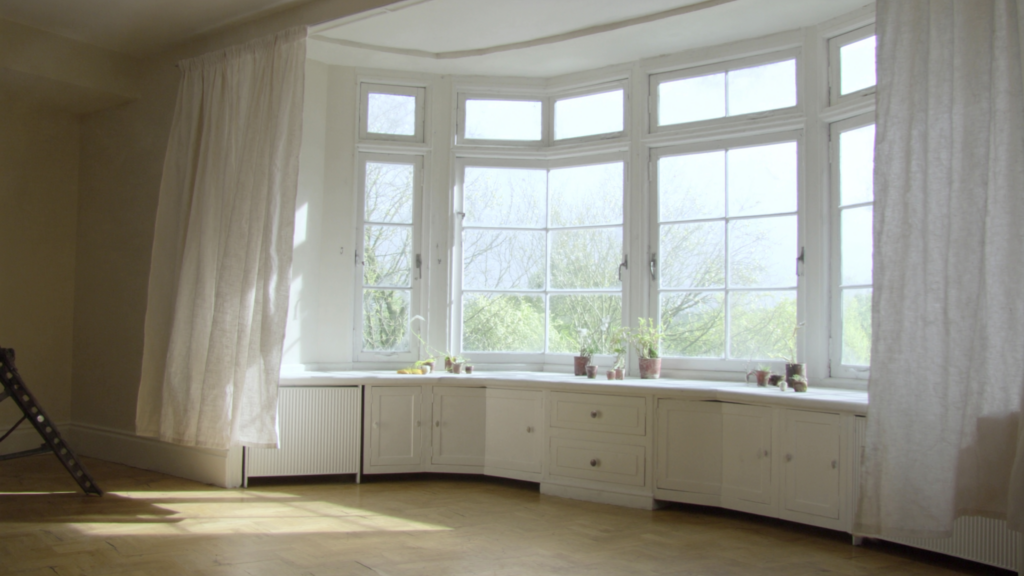
Double glazed glass windows are windows made with two panes of glass separated by a gap, typically filled with argon gas, which significantly reduces heat loss and improves insulation compared to single glazing. The Energy Saving Trust confirms that installing double glazing in a typical gas-heated semi-detached home can save around £195 per year on energy bills (Energy Saving Trust, 2026). This makes them a standard choice for UK homes.
The key variable that decides the effectiveness of double glazed windows is the gap width between the panes. A gap of 12mm to 20mm filled with argon gas offers the best thermal performance, achieving a U-value as low as 1.2 W/m²K. This applies to most UK homes upgrading from single glazing. It does not apply to listed buildings or properties in conservation areas, where planning permission may restrict the use of modern double glazing.
How Double Glazed Glass Windows Work
Double glazing works by trapping a layer of insulating gas between two panes of glass. The inner pane stays warmer because the gas gap slows heat transfer from inside your home to the outside. The outer pane acts as a barrier against wind and cold. A low-emissivity (low-E) coating is often applied to one pane to reflect heat back into the room. The British Research Establishment (BRE) states that a properly sealed double glazed unit can reduce heat loss by up to 50% compared to a single glazed window (BRE, 2026).
Typical Costs and Savings for UK Homeowners
Installing double glazed windows in a standard three-bedroom semi-detached home costs between £3,500 and £5,500, depending on frame material and window size, according to the Energy Saving Trust (Energy Saving Trust, 2026). The annual saving on heating bills is around £195 for a gas-heated home. Over 20 years, the total savings can reach £3,900, offsetting the installation cost. There are no government grants for double glazing in 2026, but VAT is reduced to 5% on installation for homes over two years old (GOV.UK, 2026).
Regulations and Standards You Must Follow
Double glazed windows must meet Building Regulations Part L for thermal performance. New installations require a U-value of 1.4 W/m²K or lower for the whole window, as set by the government (GOV.UK, 2026). Installation must be carried out by a FENSA-registered or CERTASS-registered installer to guarantee compliance. The Gas Safe Register is not relevant for windows, but TrustMark accreditation ensures quality workmanship (TrustMark, 2026). Failure to meet these standards can lead to enforcement action when selling your home.
A worked example
A typical 1930s semi-detached home in Manchester with single-glazed timber sash windows can save roughly £455 per year by upgrading to A-rated double glazed glass windows. The total cost for fitting 12 standard windows (including frames and installation) is around £7,500. Glazing is standard-rated for VAT at 20%. The zero rate for energy-saving materials covers insulation, heat pumps and solar panels; HMRC names secondary and double glazing as excluded (VAT Notice 708/6). The Great British Insulation Scheme closed on 31 March 2026. It funded insulation measures only and never covered windows or glazing. The Energy Saving Trust estimates a 25-year lifespan for double glazing, meaning total savings of over £11,375 at current energy prices. Payback on the full £7,500 investment takes about 16 years, but with a BUS-style grant or local authority funding, that period shortens significantly. The U-value of 1.2 W/m²K for argon-filled units reduces heat loss by up to 50% compared to the original single glazing.
| Item | Figure |
|---|---|
| Upfront cost after grants | £7,500 |
| Yearly savings | £455 |
| Payback period | 16 years |
| 25-year lifetime savings | £11,375 |
What homeowners often get wrong
The most common mistake is assuming all double glazing offers the same performance, which leads to missed savings and higher bills. Here are three frequent errors to avoid.
- Choosing the cheapest windows without checking the U-value A low-cost unit with a U-value above 1.6 W/m²K saves far less energy than an A-rated window with a U-value of 1.2 W/m²K. This mistake can cost you an extra £150 per year in lost heat compared to a properly rated product.
- Ignoring the gas fill and assuming air is fine Many installers use air instead of argon to cut costs, but air-filled gaps perform 20% worse at insulating. You risk voiding your warranty and losing up to £90 in annual savings if the gas fill is not specified in the contract.
- Forgetting to check planning permission for listed buildings Installing modern double glazing in a conservation area without consent can lead to a fine of up to £20,000 and an order to remove the windows. You must apply for listed building consent or use slim-profile heritage glazing instead.
Quick reference
- A-rated double glazed glass windows with a 12mm to 20mm argon-filled gap achieve a U-value as low as 1.2 W/m²K, cutting heat loss by half compared to single glazing.
- The Energy Saving Trust reports that upgrading a typical semi-detached home saves around £195 per year on energy bills, rising to £455 for a 1930s property with large sash windows.
- You can install double glazing without planning permission in most UK homes, but listed buildings and conservation areas require prior consent from the local council.
- Glazing is standard-rated for VAT at 20%. The zero rate for energy-saving materials covers insulation, heat pumps and solar panels; HMRC names secondary and double glazing as excluded (VAT Notice 708/6).
- A gap wider than 20mm reduces thermal performance because gas convection increases, so stick to the 12mm to 20mm range for optimal insulation.
Frequently Asked Questions
Installation costs typically range from £1,500 to £5,000 for a standard three-bedroom semi-detached house, depending on frame material and number of windows. The Energy Saving Trust advises that annual savings of around £195 can offset this cost over time.
Yes, double glazed windows are worth it for most UK homes, reducing heat loss by up to 50% and saving around £195 per year on heating bills (Energy Saving Trust). They also improve home comfort and reduce condensation.
Double glazing refers to the technology of using two panes of glass with a gas gap, while double glazed windows are the finished product installed in your home. Both terms describe the same system that improves insulation.