Why Hitchin Homeowners Are Turning to Double Glazing Right Now
If you live in Hitchin, you’ve probably noticed that the town’s housing stock is doing something interesting, older Victorian and Edwardian terraces in the town centre sitting cheek-by-jowl with 1950s and 1960s semis spreading out towards Bearton and Walsworth. A lot of those homes are still running single-glazed windows or tired original double glazing that’s well past its useful life. With the average Hitchin home rated EPC Band D and energy bills refusing to come back down to pre-crisis levels, upgrading your windows has become one of the most practical improvements you can actually make right now.
There’s another local angle worth mentioning. North Hertfordshire District Council has been pushing hard on retrofit and energy efficiency across the district, and Hitchin’s position as the largest town in the district puts it front and centre of those efforts. The combination of older housing, above-average cold easterly winds rolling in off the flat Hertfordshire plains in winter, and genuinely excellent solar conditions in summer makes double glazing a surprisingly smart dual-purpose investment here.
And then there’s the conservation area question. A significant chunk of central Hitchin, particularly around the Market Place, Tilehouse Street, and the older streets feeding off Brand Street, sits within a conservation zone. That adds a layer of complexity that’s caught more than a few homeowners off guard. We’ll walk you through exactly what that means for your property later in this guide.
What Double Glazing Actually Involves for a Typical Hitchin Home
Most Hitchin homes fall into one of three eras, and each brings its own quirks for window replacement.
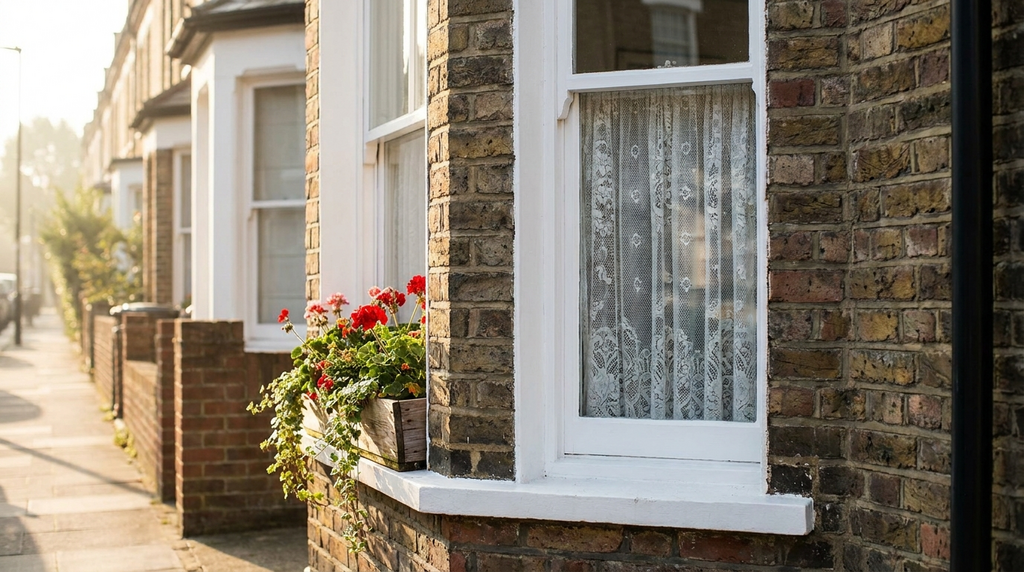
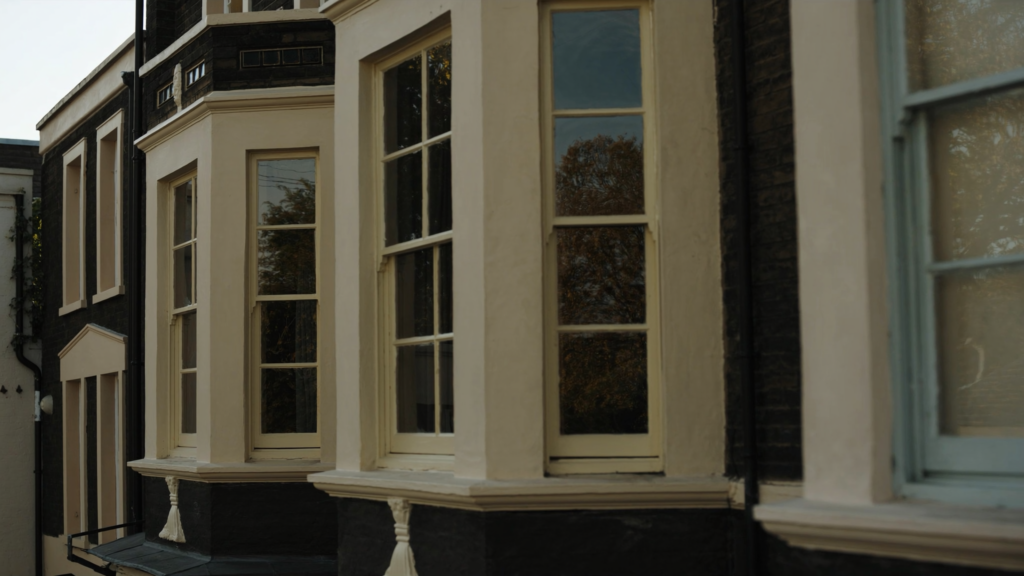
The Victorian and Edwardian terraces clustered around the town centre and areas like Nightingale Road tend to have large, characterful sash windows. Replacing these with standard casement double glazing would look wrong and, in a conservation area, probably won’t be permitted. You’re looking at specialist timber-framed or slim-profile uPVC sash replacements, more expensive, but absolutely the right call both aesthetically and in terms of planning.
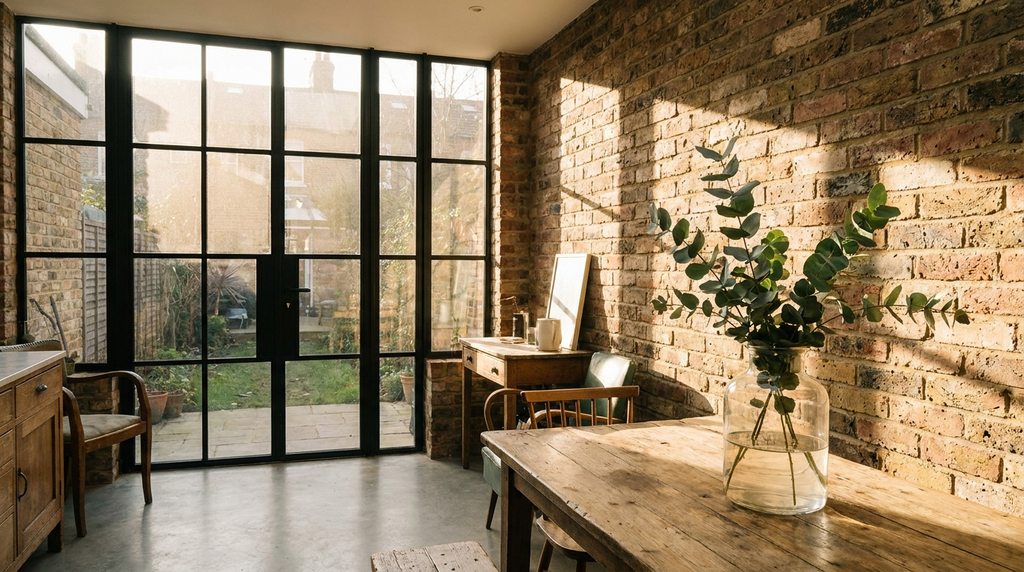
The 1930s semis, particularly common in the Highbury Road and Walsworth areas, typically have wider window openings and a more straightforward replacement job. These homes often have original Crittall-style steel windows which, while charming, are thermal nightmares. Modern double-glazed alternatives in these openings can dramatically transform heat retention.
Then there are the post-war estates built between roughly 1950 and 1985, stretching out towards Purwell and around Strathmore Avenue. These often have aluminium or early uPVC frames from the 1980s that are failing, seals blown, condensation trapped between panes, handles that stick. A full replacement here is usually straightforward and cost-effective.
Key practical considerations for Hitchin properties specifically
- Street parking in the town centre terraces can make skip and delivery access genuinely difficult, add this to your quote conversations early
- Many Victorian terraces have non-standard window openings that require bespoke manufacturing, adding lead time and cost
- Bay windows are common on 1930s semis and add complexity (and cost) to any installation
- If your home is mid-terrace, scaffold may only be needed on the rear elevation, worth checking rather than assuming
- Period properties may need lintel inspections before installation proceeds safely
How Much Double Glazing Costs in Hitchin and the East of England in 2026
Hitchin sits in a reasonably competitive area for double glazing installation. You’re close enough to Stevenage, Letchworth, and Luton that most regional installers cover the whole cluster, which keeps prices from inflating too much. Even so, you’ll typically pay a small premium over the national average due to Hertfordshire labour rates and the higher proportion of non-standard window sizes in the older housing stock.
| Property Type and Scope | Hitchin Estimate | East of England Average | UK National Average |
|---|---|---|---|
| 2-bed terrace, 6 windows (uPVC casement) | £3,200 – £4,400 | £3,000 – £4,200 | £2,800 – £4,000 |
| 3-bed semi, 8 windows (uPVC casement) | £4,500 – £6,200 | £4,200 – £5,900 | £4,000 – £5,600 |
| 3-bed semi, 8 windows with bay (uPVC) | £5,500 – £7,500 | £5,200 – £7,100 | £4,800 – £6,800 |
| Victorian terrace, sash windows (timber) | £6,500 – £10,000+ | £6,200 – £9,500 | £5,800 – £9,000 |
| Full house replacement, 1960s semi (10 windows) | £6,000 – £8,500 | £5,600 – £8,000 | £5,200 – £7,500 |
| Single window replacement (standard casement) | £450 – £750 | £420 – £700 | £380 – £650 |
These figures include supply, fitting, and removal of old frames. They do not include structural repairs, redecorating around reveals, or any planning application fees if required. Always get three written quotes, not ballpark figures over the phone, but itemised written estimates.
Insider tip, installers based in Letchworth and Stevenage frequently quote for Hitchin jobs as part of their regular run. Companies serving this corridor between Luton and Welwyn Garden City often offer slightly sharper pricing because they can schedule multiple jobs in a single day’s travel. Ask whether they have other Hitchin jobs lined up in the same week, sometimes a small discount follows.
How Hitchin’s Weather and Location Shape Your Double Glazing Choices
Hitchin’s climate is genuinely interesting from an energy perspective, and it influences which double glazing products will serve you best. The town sits in a position that catches cold easterly and north-easterly winds in winter, these are the same continental air masses that make East Anglia feel so raw from November to March. That wind-chill effect on exposed north and east-facing elevations means thermal performance really matters on those sides of your home.
At the same time, Hitchin gets excellent solar irradiance, between 1,100 and 1,200 kWh per square metre per year. That’s some of the best solar exposure in the UK. South and west-facing windows on your property are genuinely valuable for passive solar gain, warming your rooms naturally on clear winter days. This is worth factoring into your glazing specification choices, as we’ll explain in the products section below.
The relatively low annual rainfall (around 550–650mm) is actually good news for your window installations. It means the silicone seals and frames around your windows are less likely to suffer from prolonged saturation, and timber frames, if you’re going down that route for a period property, have a longer maintenance cycle than they would in wetter parts of the country like the Lake District or western Scotland.
The flat Hertfordshire terrain around Hitchin doesn’t create the same sheltering effect you’d get from hills, so even homes that feel tucked away in residential streets can experience significant wind exposure at first-floor and roof level. If you have dormer windows or roof-level glazing, prioritise good quality sealing and consider triple glazing for those specific elements.
The Products and Options That Actually Perform Well Here
Given Hitchin’s climate profile, cold easterly winds, good solar gain, modest rainfall, here’s an honest steer on which products to prioritise.
For the majority of Hitchin’s post-war housing stock
A good quality uPVC double-glazed unit with a low-E coating and argon gas fill is the sweet spot for most 1950s to 1980s homes here. Look for a U-value of 1.2 W/m²K or better (the lower the number, the better the thermal performance). A U-value of 1.4 is acceptable; anything above 1.6 is barely an improvement on old glazing and not worth your money.
For south and west-facing windows
This is where Hitchin’s excellent solar irradiance becomes an asset. Choose glass with a higher solar heat gain coefficient (SHGC), ideally above 0.4, so your windows actively let in useful winter warmth. Some homeowners overcorrect and choose heavily coated glass everywhere, which blocks this free heat. On south-facing elevations, that’s a mistake.
For north and east-facing elevations
Given the cold easterly winds, consider stepping up to triple glazing on these faces. The price premium, roughly 25–40% above equivalent double glazing, is more justified here than on sheltered elevations. U-values of 0.8 W/m²K are achievable with quality triple-glazed units.
For conservation area and Victorian properties
Timber sash double-glazed windows remain the gold standard aesthetically and planning-wise. Alternatively, heritage uPVC profiles (sometimes called “slimline” or “flush sash”) have improved enormously and can be difficult to distinguish from timber at normal viewing distances. Several manufacturers now achieve U-values of 1.2–1.4 in these profiles, which is genuinely respectable.
- Look for frames rated to BS 6375 for weather performance
- Check the Window Energy Rating (WER), aim for Band A or B minimum
- Argon fill is standard; krypton fill improves performance in slim-profile units
- Warm-edge spacer bars reduce condensation at frame edges, worth specifying
- Multi-point locking adds security and improves draught sealing simultaneously
Finding a Trustworthy Double Glazing Installer Near Hitchin
The double glazing industry has a complicated reputation, and rightly so, it’s one of the sectors with the most consumer complaints in home improvement. Here’s how to protect yourself when looking for installers in and around Hitchin.
FENSA registration is non-negotiable. Any installer replacing windows in England must be FENSA-registered (or use a Local Authority Building Notice instead). FENSA-registered installers self-certify their work complies with Building Regulations, which saves you a separate council inspection fee and creates a paper trail that matters when you sell your home. Check the FENSA directory at fensa.org.uk, don’t just take a trader’s word for it.
TrustMark registration is a further layer of assurance, indicating the installer has passed independent checks on their workmanship, customer service, and trading practices. Given the number of fly-by-night operations that have historically targeted Hertfordshire homeowners, it’s worth the extra verification step.
Questions worth asking any installer
- Are you FENSA-registered and can I check your registration number
- Who manufactures your sealed units and what warranties come with the glass
- What is the frame warranty and is it backed by a deposit protection scheme
- Do you use your own fitting teams or subcontractors
- How do you handle access for terraced properties with limited street parking
- Can you provide three local references from the last six months
Coverage-wise, the Hitchin area is well served by installers operating across the Letchworth–Stevenage–Luton–Welwyn Garden City corridor. Most established firms in these towns will readily quote for Hitchin addresses. Be wary of high-pressure sales tactics, a reputable company will give you a written quote that’s valid for at least 30 days without requiring a same-day decision.
Typical lead times in the East of England in 2026 are running at four to eight weeks from order to installation for standard windows, and eight to fourteen weeks for bespoke timber or heritage profiles. Plan accordingly if you’re aiming to have installation done before autumn.
Grants and Funding That Could Cut Your Costs in 2026
Let’s be straight with you here, dedicated standalone grants for double glazing are limited in 2026. However, there are routes to financial support worth exploring seriously.
ECO4 (Energy Company Obligation), This is the main route to free or heavily subsidised window upgrades for eligible Hitchin households. If you’re on qualifying benefits (Universal Credit, Pension Credit, Child Tax Credit, or similar) and your home is EPC Band D or below, you may be able to access fully funded glazing improvements through your energy supplier. North Hertfordshire District Council can refer eligible households, contact their energy efficiency team directly rather than approaching suppliers cold.
Great British Insulation Scheme (GBIS), GBIS in 2026 focuses primarily on insulation measures but can include glazing upgrades as part of a wider retrofit package in some circumstances. Eligibility broadly mirrors ECO4 but with a slightly wider net, households in Council Tax bands A to D in lower-income areas may qualify even without specific benefit entitlements.
North Hertfordshire District Council Local Support, North Herts has periodically administered Warm Homes funding and Flexible Eligibility provisions under ECO4, which allow the council to refer households that don’t meet standard benefit criteria but are still experiencing fuel poverty. This is the least-known but potentially most valuable route for households that fall just outside standard eligibility. Glazing is standard-rated for VAT at 20%. The zero rate for energy-saving materials covers insulation, heat pumps and solar panels; HMRC names secondary and double glazing as excluded from it (VAT Notice 708/6, checked August 2026). This isn’t a grant but it does reduce your overall cost, make sure your installer quotes with this applied rather than adding 20% at the end.
Who is unlikely to qualify, If you’re in a higher Council Tax band, not on qualifying benefits, and your home is already EPC Band C or above, you probably won’t access grant funding. Your best route is to use the VAT exemption and spread costs through a personal loan or savings.
Planning Permission and Regulations in Hitchin
For most Hitchin homeowners, replacing windows is covered by Permitted Development rights, meaning you don’t need to apply for planning permission. This applies to standard replacements where you’re fitting like-for-like or similar windows that don’t materially alter the appearance of the property.
However, there are important exceptions in Hitchin that affect more homes than you might expect.
Conservation areas, Significant portions of central Hitchin, including streets around the historic Market Place, Tilehouse Street, and several of the older residential roads nearby, fall within designated conservation areas overseen by North Hertfordshire District Council. In a conservation area, permitted development rights for windows are restricted. You’ll typically need to submit a Householder Application if your replacement windows are materially different in appearance, profile, or material from the originals, and uPVC windows on a Victorian terrace would almost certainly qualify as materially different. The application fee in 2026 is £258 for a householder application. Check North H