Why Letchworth Homeowners Are Looking at Double Glazing Right Now
There’s something quietly compelling happening in Letchworth at the moment. As the world’s first Garden City, this town was built on the principle of good, thoughtful design, and right now, residents are applying that same forward-thinking mindset to their homes. Double glazing is one of the most searched home improvement topics among Letchworth’s 34,000 residents, and it’s not hard to see why.
The town sits in a curious position energy-wise. With an average EPC rating of Band C, Letchworth homes are already above the national average, but “good enough” isn’t quite the Garden City spirit, is it? Many residents are looking at that gap between a comfortable C and an excellent B or A, and double glazing is often the most accessible next step. It’s the upgrade that bridges the gap between a reasonably efficient home and a genuinely impressive one.
Then there’s the cold easterly wind factor. Letchworth’s position in the East of England means winters here carry that sharp, biting quality that comes off the flat Hertfordshire plains, the kind of chill that finds every draught in an older sash window or thin single-glazed pane. If you’ve ever felt that invisible cold front rolling through your front room in January, you’ll already understand the appeal of proper double glazing more intuitively than any energy rating chart could explain.
Rising energy bills have concentrated minds too. Even at relatively efficient gas consumption of around 10,500 kWh per year, Letchworth households are paying significantly more than they were three years ago. Double glazing won’t fix everything, but it genuinely moves the needle on both comfort and bills, and for the semi-detached and terraced homes that dominate areas like Jackmans, Grange and the Norton Road corridors, it’s one of the most cost-effective upgrades available.
What Double Glazing Actually Involves for a Typical Letchworth Home
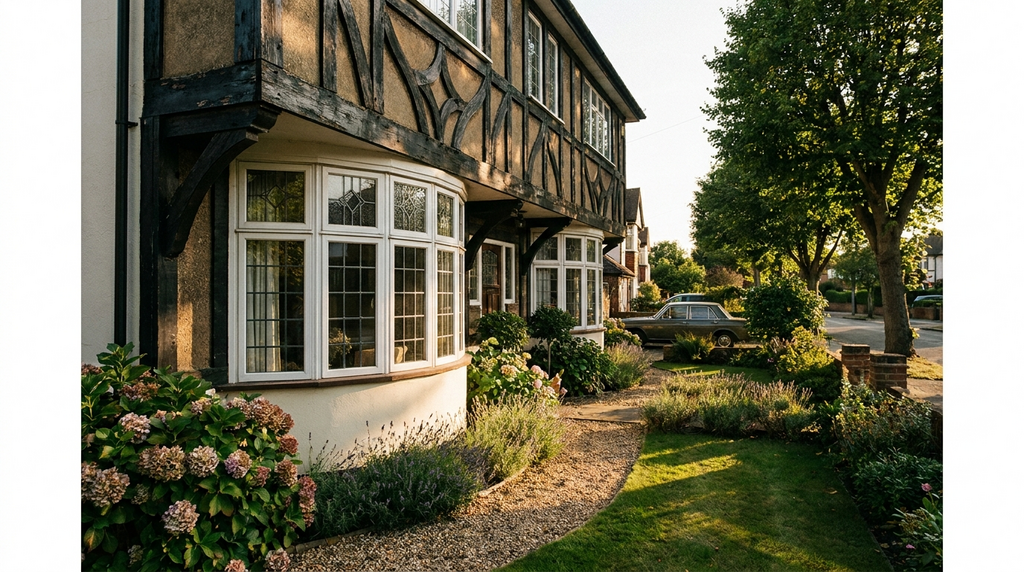
Let’s be honest about what you’re dealing with in a typical Letchworth property. The town’s housing stock spans a fascinating range, from the original Arts and Crafts homes built from around the early 1900s in the older Garden City grid, through to the interwar semis that spread along roads like Wilbury Road and Pixmore Avenue, right up to the postwar estates and newer developments around Jackmans and Grange.
Each era brings its own quirks for double glazing installation. Here’s what to expect depending on your home’s age:
- Pre-1919 Arts and Crafts properties, Many of the older, character-rich homes in the Letchworth Garden City area feature non-standard window openings, leaded lights, and casement designs that require bespoke glazing solutions. Standard off-the-shelf units often won’t fit, and you’ll need an installer who works with heritage-style frames.
- Interwar semis (1919–1945), The most common property type you’ll encounter. Bay windows and metal Crittall-style frames are typical here. These can be tricky, original metal frames often require specialist replacement or secondary glazing if you’re in a conservation area.
- Postwar and 1960s–1980s builds, More straightforward from an installation standpoint. Standard-sized openings, timber frames in decent condition (usually), and no particular planning complications. This is where you’ll get the most competitive quotes.
- Newer developments (post-1990), May already have double glazing fitted, but older units from the 1990s are now well past their best. Upgrading to modern A-rated or A+ units from this era can still deliver meaningful savings.
For the terraced homes found in areas like Birds Hill and parts of the Jackmans estate, access can occasionally be a consideration, particularly for rear windows where there’s no side access. This doesn’t usually add much cost in Letchworth (unlike some dense urban areas), but it’s worth flagging to your installer at the quote stage so there are no surprises on installation day.
One genuinely positive point for Letchworth installs, the town’s drier climate compared to the national average means less risk of damp-related complications around window reveals, which can inflate costs in wetter parts of the UK. Your installation is likely to be more straightforward than the same job in, say, the Lake District.
How Much Double Glazing Costs in Letchworth and the East of England Area in 2026
Let’s get into the numbers, because vague price ranges are frustrating. Costs in Letchworth broadly track the East of England average, sitting slightly above central England prices (due to proximity to London supply chains) but well below London itself. Here’s a realistic picture:
| Property Type and Scope | Letchworth Estimate | East of England Average | National Average |
|---|---|---|---|
| 2-bed terraced, full house (6–8 windows) | £3,800 – £5,200 | £3,600 – £5,000 | £3,200 – £4,800 |
| 3-bed semi-detached, full house (8–10 windows) | £4,800 – £6,800 | £4,600 – £6,500 | £4,000 – £6,000 |
| 4-bed detached, full house (10–14 windows) | £6,500 – £9,500 | £6,200 – £9,000 | £5,500 – £8,500 |
| Single casement window (uPVC) | £400 – £650 | £380 – £620 | £350 – £580 |
| Bay window unit (3-panel) | £1,100 – £1,800 | £1,050 – £1,700 | £950 – £1,600 |
| Heritage timber-look double glazing (per window) | £700 – £1,200 | £680 – £1,150 | £600 – £1,050 |
| Triple glazing upgrade (per window, premium option) | £650 – £950 | £620 – £900 | £580 – £850 |
Prices in Letchworth are slightly higher than in Stevenage or Luton, primarily because of slightly longer installer travel times from major glazing suppliers and the proportion of non-standard window sizes in older Garden City properties. Hitchin, being just 5km away, attracts the same pool of installers and you’ll see very similar pricing between the two towns.
Tip: Getting three quotes from installers who regularly cover the Letchworth–Hitchin–Stevenage triangle typically produces more competitive pricing than using a national call-centre company, which may subcontract the work anyway.
Frames matter for cost too. uPVC remains the most affordable and most popular in the area. Aluminium frames cost around 20–30% more but suit modernised or extended properties well. Timber frames, appropriate for heritage properties near the original Garden City layout, can be 40–60% more expensive but may be required in certain locations.
How Letchworth’s Weather and Location Affect Your Double Glazing Choices
Letchworth’s climate is genuinely different from the UK average in ways that should influence your buying decisions, and most national comparison sites don’t account for this at all.
The most distinctive feature is that cold easterly exposure. Unlike the western side of the country, Hertfordshire winters bring a dry, sharp cold that comes sweeping across flat terrain from the east. This means the U-value (how well a window retains heat) matters enormously for your front-facing and east-facing elevations. Look for units with a U-value of 1.2 W/m²K or better, many standard double-glazed units achieve 1.4 to 1.6, which simply isn’t good enough for an east-facing bedroom in January in this town.
On the flip side, Letchworth gets excellent solar gain for a UK location. With 1,200 to 1,500 sunshine hours per year and solar irradiance of around 1,100 kWh/m² annually, south-facing windows can contribute meaningfully to passive heating during late winter and spring. This means you should be cautious about choosing highly reflective or solar-control glass for south-facing windows, save that specification for west-facing rooms that may overheat in summer evenings.
Rainfall here is relatively low at 500–700mm per year, which is good news for window longevity. Seals and frames degrade faster in persistently wet climates, so your investment should last well in Hertfordshire conditions. It also means external sill detailing and drainage channels are less critical here than in, say, Wales or northwest England.
Noise isn’t usually a major driver for double glazing in most of Letchworth, it’s not a noisy town by any measure. However, properties on the A505 corridor, near the railway line to Cambridge and King’s Cross, or close to the industrial areas around Works Road may benefit from considering acoustic laminate glass in their specification, which adds around £80–£120 per window to the cost.
The Products and Options That Work Best Here
Given everything above, here’s what I’d genuinely recommend for a typical Letchworth home rather than a generic product list:
For Most Semi-Detached and Terraced Homes
A good-quality uPVC double-glazed unit with low-E coating and argon gas fill is the sweet spot. Aim for a whole-window U-value of 1.2 W/m²K or below and a BFRC energy rating of at least Band A. Brands like Rehau, Veka and Deceuninck all manufacture well in this specification and have stockists serving the Hertfordshire area.
For Original Garden City and Conservation-Adjacent Properties
Heritage-style double glazing in either slim-profile aluminium or engineered timber composite is worth the premium. Thermally broken aluminium systems from brands like Smart Systems or Schuco offer excellent U-values (down to 1.0 W/m²K) with a slimmer sightline that respects period aesthetics. The additional cost is real, but so is the difference in appearance and long-term satisfaction.
East-Facing Elevations
Prioritise the best U-value you can afford here. The easterly wind chill in Hertfordshire winters makes this the most heat-vulnerable side of most homes. If budget is limited, upgrade east-facing windows first and phase the rest later.
South-Facing Windows
Standard low-E glass rather than solar control glass. Letchworth’s sunshine hours mean passive solar gain through south-facing windows is genuinely valuable in winter, don’t sacrifice it for a minor reduction in summer temperatures. If south-facing rooms do overheat, internal blinds are a cheaper fix than the wrong glass specification.
On Triple Glazing
Triple glazing makes excellent sense for east-facing bedroom windows on exposed properties and for anyone upgrading to a heat pump in the future. It doesn’t make economic sense everywhere in a climate as mild as Letchworth’s, but for the coldest rooms in the house, the marginal cost (roughly £150–£250 extra per window) is usually worth it.
How to Find a Trustworthy Double Glazing Installer Near Letchworth
The Letchworth area is well-served by installers, many of whom also cover Hitchin, Stevenage, Royston and Luton. The key is knowing what to look for before you sign anything.
Essential certifications to check:
- FENSA registration, This is non-negotiable for replacing windows in England. FENSA-registered installers self-certify that their work meets Building Regulations, saving you from needing a separate building control application. Always ask for the FENSA certificate after completion.
- TrustMark accreditation, Government-endorsed quality scheme. Particularly important if you’re using any grant or ECO4 funding.
- GGF membership, The Glass and Glazing Federation provides consumer protection and dispute resolution. A useful safety net.
- Insurance-backed guarantees, Any reputable installer should offer a 10-year guarantee backed by an independent insurance provider, not just their own business. This protects you if they cease trading.
Questions worth asking before you commit:
- Do they have recent experience with pre-1939 properties in Letchworth or Hitchin specifically?
- Can they provide references from similar homes in the area?
- What U-values will the completed installation achieve?
- Is the guarantee insurance-backed and with which provider?
- What happens if there are non-standard frame sizes once the old windows are removed?
Red flags to watch out for: Same-day pressure to sign, “today only” discounts, reluctance to provide written specifications, no physical address verifiable near the Hertfordshire area, or quotes that are dramatically lower than competitors without clear explanation. Lead times in the East of England currently run at around 4–8 weeks from order to installation for most products.
Grants and Funding That Could Reduce Your Costs in 2026
Funding for double glazing specifically has tightened compared to a few years ago, but there are still meaningful routes to financial support for Letchworth homeowners, especially those with lower incomes or less efficient homes.
ECO4 (Energy Company Obligation)
ECO4 remains available in 2026 for households on qualifying benefits (including Universal Credit, Pension Credit, and certain disability benefits) or with a household income below £31,000. Under ECO4, double glazing can be funded as part of a wider package of measures, usually including insulation. North Hertfordshire Council, which covers Letchworth, is an active participant in ECO4 referral schemes. You apply through your energy supplier or via a TrustMark-registered installer. The full cost can be covered for qualifying households.
Great British Insulation Scheme (GBIS)
The GBIS focuses primarily on insulation but can include glazing improvements as a secondary measure. Homes in Council Tax bands A to D are the priority target. Many Letchworth terraces and semis fall squarely into this bracket. Check eligibility via the government’s Simple Energy Advice service.
North Hertfordshire Council Local Support
North Hertfordshire Council operates a Warm Homes programme that periodically provides additional top-up funding for energy efficiency measures. Availability changes depending on budget cycles, so it’s worth contacting the council’s housing team directly to ask what’s currently active. The council has historically been engaged on retrofit, it’s worth a phone call before you proceed with self-funding.
VAT on Energy-Saving Glazing
Glazing is standard-rated for VAT at 20%. The zero rate for energy-saving materials covers insulation, heat pumps and solar panels; HMRC names secondary and double glazing as excluded (VAT Notice 708/6). This is a straightforward 20% saving on labour and