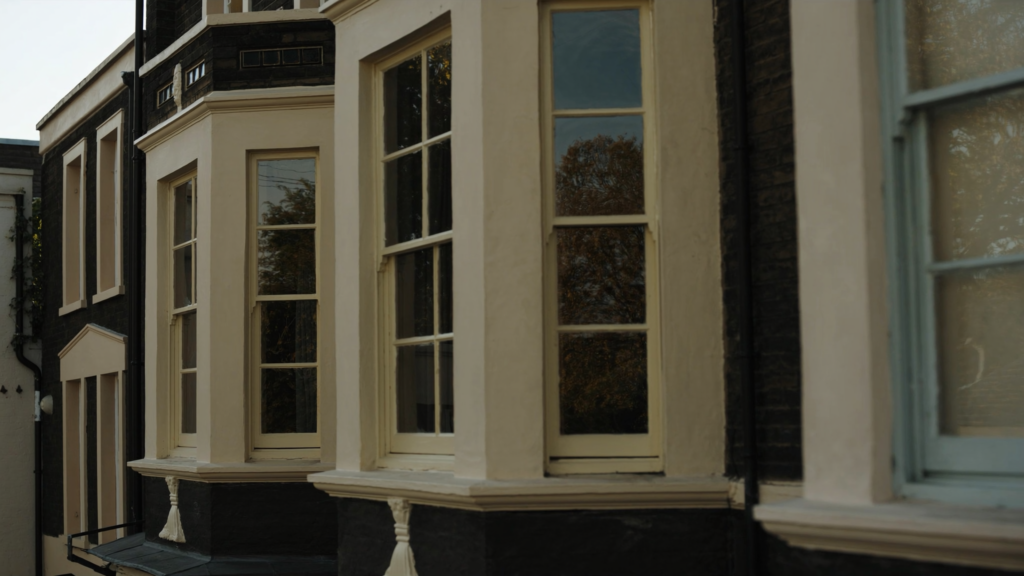
Why Lambeth Homeowners Are Looking at Double Glazing Right Now
If you’ve sat in a Victorian terrace in Brixton or a converted flat in Stockwell recently, you’ll know the feeling, that cold draught creeping under the sash window frame, the condensation pooling on the glass every morning, and an energy bill that makes no sense given how small your home actually is. Lambeth residents are increasingly fed up with it, and double glazing is moving to the top of the to-do list.
Lambeth’s housing stock is one of the oldest and most varied in London. From the grand Georgian and Victorian terraces around Clapham and Kennington to the post-war council estates in Norwood and Tulse Hill, a significant chunk of the borough’s homes still have single-glazed windows, or poorly performing double glazing installed decades ago that’s long past its best. With an average EPC rating of Band D across the borough, there’s genuine room for improvement.
There’s also a very practical driver right now, noise. Living in one of London’s densest boroughs, sandwiched between busy South Circular routes, railway lines, and Brixton’s famous high street, acoustic performance has become just as important to Lambeth homeowners as thermal efficiency. Modern double glazing addresses both. That’s a compelling package.
What Double Glazing Actually Involves for a Typical Lambeth Home
For most Lambeth properties, double glazing installation means navigating a set of challenges that simply don’t exist in quieter parts of England. Let’s be honest about that upfront.
The most common property type here is the Victorian or Edwardian terraced house, typically built between 1870 and 1914. These homes were built with thick brick walls and large timber-framed sash windows, which means you’re almost certainly dealing with original masonry openings that weren’t designed around standard modern window sizes. Bespoke or semi-bespoke frames are often needed, which pushes costs up compared to a newbuild estate in, say, Milton Keynes.
Flats are equally common, and they bring their own complications. If you own a leasehold flat, very typical in Lambeth, you may need freeholder or management company approval before replacing windows. This is often overlooked and can add weeks or even months to your project timeline. Always check your lease before getting quotes.
Here are the key practical realities for a Lambeth installation:
- Access and parking, Many Lambeth streets are controlled parking zones. Your installer will need a permit or will pass that cost on to you. Narrow terraced streets in areas like Loughborough Junction or West Norwood can make scaffold erection genuinely difficult.
- Sash window compatibility, The vast majority of Victorian terraces have vertical sliding sash windows. These can be double-glazed, but it requires specialist sash replacement units rather than standard casement frames. Make sure your installer has done this before.
- Flat access, Upper-floor flats in converted houses often require external access platforms. Factor in scaffolding costs early.
- Solid wall construction, Victorian terraces typically have solid brick walls, not cavity walls. Window frames sit within these openings and installation is generally straightforward, but the depth of the reveal affects frame choice.
- ULEZ and congestion charge, Installers working in Lambeth have to factor in ULEZ compliance and, for jobs in the north of the borough near Waterloo or Vauxhall, congestion charge costs. These typically get absorbed into labour pricing.
The good news is that Lambeth has a large number of experienced installers familiar with exactly these conditions. You’re not a guinea pig here, this is bread-and-butter work for South London glazing companies.
How Much Double Glazing Costs in Lambeth and the London Area in 2026
London prices for double glazing run roughly 15 to 25% above the national average, and Lambeth sits squarely in that bracket. Higher labour costs, ULEZ compliance, parking permits, and bespoke sizing for older properties all contribute. Here’s a realistic breakdown for 2026:
| Property Type | Number of Windows | Standard uPVC Double Glazing | Timber or Flush Sash Style | Triple Glazing Upgrade |
|---|---|---|---|---|
| One-bedroom flat | 3–4 | £2,400–£3,200 | £3,800–£5,200 | £4,200–£5,800 |
| Two-bedroom flat | 5–6 | £3,400–£4,600 | £5,200–£7,000 | £5,800–£8,000 |
| Mid-terrace (2-bed) | 6–8 | £4,200–£5,800 | £6,500–£9,000 | £7,000–£10,500 |
| Mid-terrace (3-bed) | 8–10 | £5,500–£7,500 | £8,500–£12,000 | £9,500–£14,000 |
| End-of-terrace (3-bed) | 10–14 | £7,000–£10,000 | £11,000–£16,000 | £12,000–£18,000 |
Compare this to the national average, where a mid-terrace double glazing job typically runs £3,500–£5,500, you’re paying a meaningful London premium. Even so, compared to Westminster (5km north) or Kensington (7km west), Lambeth installers tend to price slightly more competitively because competition is fierce and access is generally easier than central London.
Wandsworth and Southwark installers frequently cover Lambeth too, so getting quotes from companies based across all three boroughs is a smart move that can save you several hundred pounds on a full house job.
How Lambeth’s Weather and Location Affect Your Double Glazing Choices
Lambeth sits in southern England, which means it actually gets some of the best solar irradiance in the UK, around 1,100 to 1,200 kWh per square metre per year. That’s genuinely useful information when choosing glazing, not just trivia.
Because winters here are milder than northern England (with heating degree days of around 1,200 to 1,500 annually), the thermal performance argument for triple glazing is less compelling in Lambeth than it might be in, say, Leeds or Aberdeen. You’ll recover the extra cost, but the payback period stretches out. Standard A-rated double glazing with low-emissivity (low-E) coatings does the job for most properties here.
However, Lambeth gets hit by cold easterly winds in winter, these blow in from the Thames estuary and cut through surprisingly hard. Properties on the east-facing sides of Clapham, Brixton Hill, and Herne Hill can feel this acutely. If your main rooms face east, it’s worth considering a slightly higher-specification glazing unit to handle that wind exposure.
Noise insulation deserves its own mention for Lambeth specifically. The borough has two major rail corridors (the Victoria and Thameslink lines), the A23 Brixton Road, and Clapham High Street running through it. For properties within 200 metres of a railway or arterial road, look for glazing with a minimum acoustic rating of Rw 35dB, some specialist units go up to Rw 42dB, which makes a transformative difference in day-to-day comfort.
With Lambeth’s lower annual rainfall (500–700mm), you won’t have the aggressive driving rain that batters west-facing homes in Wales or the southwest. This means your seals and frames are under less stress, and standard weather ratings are sufficient for most orientations.
The Products and Options That Work Best Here
Based on Lambeth’s housing stock, climate, and noise profile, here’s what genuinely makes sense rather than what sounds impressive on a brochure:
For Victorian and Edwardian terraces, Timber-effect uPVC or actual slimline timber frames with double-glazed sash units. The aesthetic matters in these streets, and planning considerations (more on that below) often require it. Look for A++ energy-rated units with a U-value of 1.2 W/m²K or better. Warm-edge spacer bars (rather than aluminium) reduce cold bridging at the frame edge and improve real-world performance meaningfully.
For flats in converted houses, Standard casement or tilt-and-turn double-glazed units in uPVC or aluminium. Aluminium is worth considering for upper floors where weight and slim profiles matter, and it’s more durable in the long run for flats with less maintenance oversight.
For acoustic performance near roads or railways, Acoustic laminated glass in the outer pane with an asymmetric glass thickness (e.g., 6mm outer, 4mm inner) performs better than matched thickness panes for sound reduction. This is a relatively small cost premium, typically £80–£150 extra per window, and absolutely worth it on noisy Lambeth streets.
For solar gain, South-facing rooms can benefit from solar control glass if you’re in a top-floor flat or have large windows, to prevent summer overheating. But for most ground and first-floor terraced homes, standard low-E coating without solar control is the better choice, you want to capture that winter sun.
Gas filling, Argon-filled units are the standard and perfectly adequate here. Krypton-filled units (found in some premium triple glazing) offer marginally better performance but the cost premium isn’t justified in Lambeth’s mild climate.
How to Find a Trustworthy Double Glazing Installer Near Lambeth
The South London glazing market is busy, competitive, and, like anywhere, has its share of cowboys alongside genuinely excellent companies. Here’s how to separate them.
Certifications to look for:
- FENSA registration, This is the key one for double glazing. FENSA-registered installers self-certify compliance with Building Regulations, saving you the need for local authority inspection. Always ask for FENSA certification and check the installer’s status at fensa.org.uk.
- CERTASS, An alternative to FENSA, equally valid. Some excellent South London companies use CERTASS instead.
- TrustMark, Government-endorsed quality scheme. Particularly useful if you’re using any grant funding.
- Which? Trusted Traders, Worth checking for customer feedback specific to London installers.
Questions worth asking every installer:
- Have you worked on Victorian sash windows in Lambeth before? Can I see examples?
- Are you familiar with Lambeth’s conservation area requirements?
- How do you handle parking and access in controlled zones?
- What guarantee do you offer on frames, glass units, and installation?
- Will you provide a FENSA or CERTASS certificate on completion?
Red flags to watch for: pressure to sign on the day, vague quotes without itemised costs, no verifiable address, guarantees backed by the company itself rather than an insurance-backed scheme.
Lead times in the London market currently run four to ten weeks for bespoke sash units, and two to four weeks for standard casement windows. Lambeth, Wandsworth, and Southwark are well-served by the same pool of installers, so a company based in Balham or Peckham will typically cover your area without any travel surcharge.
Grants and Funding That Could Reduce Your Costs in 2026
The honest picture on grants for double glazing is that standalone window replacement is harder to fund than whole-house retrofits. But there are real routes to financial help for Lambeth residents.
ECO4 (Energy Company Obligation), If your household income is below £31,000 or you receive qualifying benefits, and your EPC is Band D or below, you may qualify for ECO4 funding. Lambeth’s Band D average means a large number of residents are technically eligible. ECO4 typically funds double glazing as part of a broader package of measures rather than in isolation, but it’s worth getting assessed. Apply through your energy supplier or via a TrustMark-registered installer.
The Great British Insulation Scheme closed on 31 March 2026. It funded insulation measures only and never covered windows or glazing. Double glazing isn’t typically a standalone measure under GBIS, but if you’re combining it with loft or wall insulation, it can be included in the overall package assessment.
Lambeth Council Retrofit Support, Lambeth Council has been active in the GLA’s borough-level retrofit programme. The council has published retrofit guidance aligned with the London Plan’s sustainability requirements, and runs referral pathways to ECO4 and GBIS through its housing team. Contact Lambeth’s housing improvement team directly to ask what’s currently available, schemes open and close throughout the year.
Warm Homes: Local Grant, This is the successor programme to the Home Upgrade Grant. It targets owner-occupiers and private renters in lower EPC-rated homes with lower incomes. Lambeth properties at Band D with eligible households could receive meaningful contributions. Check the current status at gov.uk or through Lambeth Council’s energy advice service.
Social housing residents, If you rent from Lambeth Council or a housing association, contact your landlord directly. Social landlords are required to meet minimum energy efficiency standards and many are actively installing double glazing under their own capital programmes. This is fully funded for tenants.
Planning Permission and Regulations in Lambeth
This is where Lambeth gets genuinely complicated, and it’s worth spending time here before you get quotes.
For most standard terraced houses and flats that are not in a conservation area or listed, double glazing falls under permitted development rights. You don’t need planning permission as long as the replacement windows match the appearance of what was there before. Your installer handles building regulation compliance through FENSA or CERTASS self-certification.
However, and this is important for a significant portion of Lambeth residents, the borough has a large number of designated conservation areas. These include:
- Clapham Old Town
- Stockwell Park
- Brixton Market area
- Kennington Park
- Waterloo and Lower Marsh
- Parts of Herne Hill and Tulse Hill
If your property sits within one of these areas, the rules change. Lambeth Planning requires that replacement windows preserve the character of the original building. In practice, this usually means timber-effect slim-profile frames, no white uPVC on front elevations, and often a requirement that sash windows be replaced like-for-like with sash-style units. Some conservation areas require full planning consent rather than just permitted