Why Pickering Homeowners Are Looking at Double Glazing Right Now
Pickering sits in a sweet spot that makes double glazing a particularly smart investment right now. Nestled at the edge of the North York Moors National Park, with the Vale of Pickering stretching out to the south, this market town experiences something a bit different from your typical Yorkshire settlement, a combination of moorland chill from the north, coastal air drifting in from Scarborough just 24km away, and older housing stock that’s quietly haemorrhaging heat every winter.
With an average EPC rating of Band D across the town, most Pickering homes are sitting in the “could do much better” category for energy efficiency. That’s not a criticism, it’s an opportunity. And with energy bills still stubbornly high in 2026, upgrading single-glazed or failed double-glazed units is one of the fastest ways to feel the difference, both in comfort and on your energy statement.
There’s also a practical community dimension here. Pickering has just under 7,000 residents, which means word travels fast. When a neighbour on Westgate or Hungate gets new windows fitted and starts talking about warmer mornings and quieter nights, the rest of the street notices. That social proof effect is very real in close-knit market towns like this one.
What Double Glazing Actually Involves for a Typical Pickering Home
Most of Pickering’s housing stock falls into two broad eras, Victorian and Edwardian terraces clustered around the town centre and older streets, and post-war semi-detached properties built from the 1950s through to the 1980s on the outskirts. Both present slightly different installation considerations.
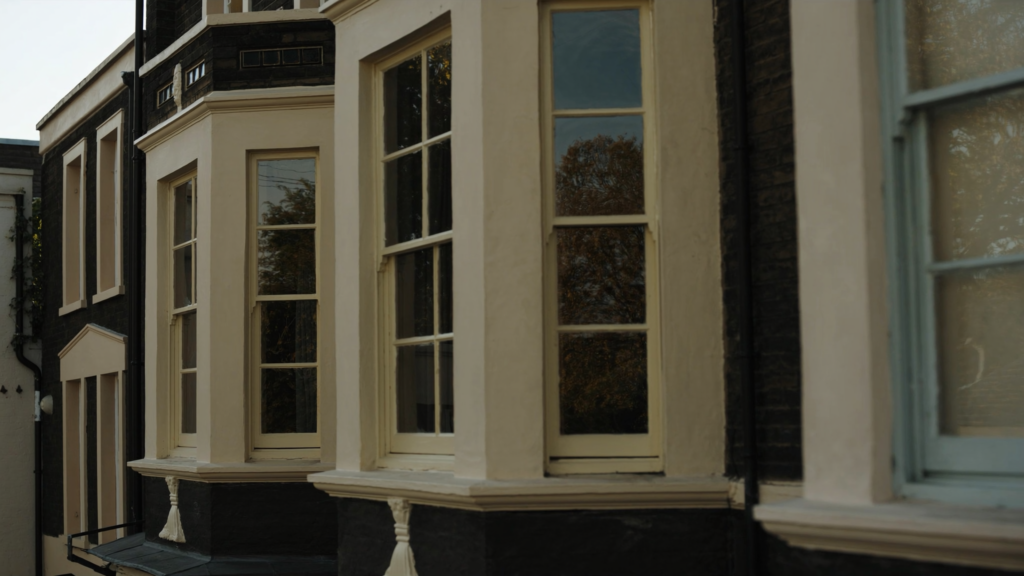
For the terraced homes you’ll find along Potter Hill, Bridge Street, and the older residential streets near the castle, the original window openings were often designed for timber sash or casement windows. Replacing these with uPVC double glazing is entirely possible, but it needs care. The window reveals can be shallower than in newer builds, which affects the depth of frame you can fit without touching the internal plasterwork.
Semi-detached properties from the 1960s and 70s, the type that makes up a large chunk of Pickering’s residential areas on the northern and eastern edges of town, are generally more straightforward. Standard casement double-glazed units fit well into these openings, and there’s usually better access for fitters working on the front and rear elevations.
A few practical realities to be aware of before you book anyone in:
- Access on narrow streets, some of Pickering’s older terraced streets have limited parking and tight access, which can affect how installers bring in frames and glass. This occasionally adds a small surcharge or requires scaffolding hire
- Solid stone and brick walls, older properties sometimes have unusually deep walls, which means bespoke frame sizing rather than off-the-shelf units
- Coastal air exposure, more on this below, but salt-laden air from the coast means hardware corrosion is a genuine concern over time
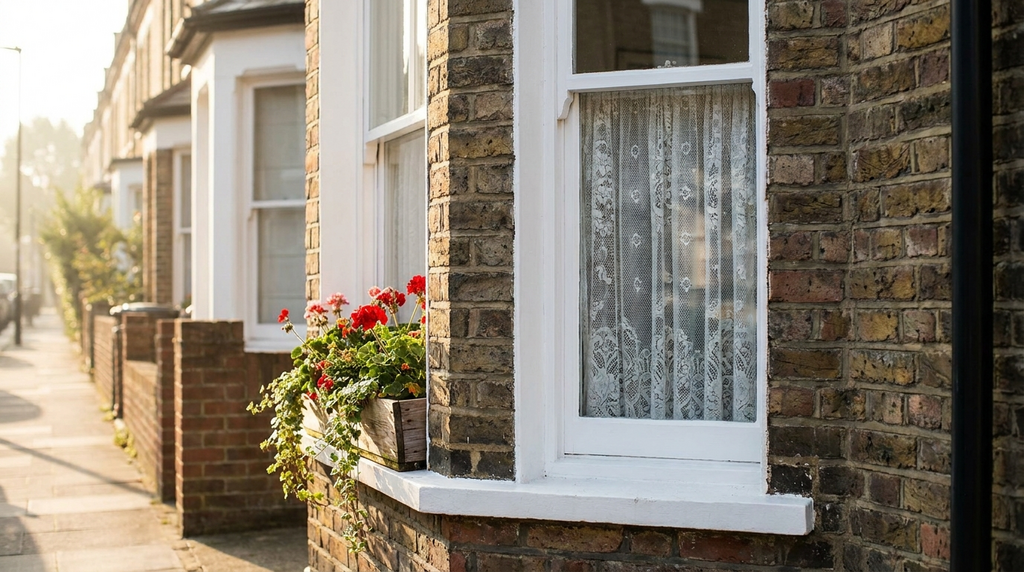
- Bay windows, common in Victorian terraces and requiring more complex installation work, usually adding £300–£600 to a standard job
The good news is that most of these challenges are well-understood by experienced installers. They’re not show-stoppers, they just need to be factored into your quote and your timeline.
How Much Double Glazing Costs in Pickering and the Yorkshire and the Humber Area in 2026
Let’s talk real numbers. Pickering is a small town, which has an important implication for pricing, most window installers are based in larger nearby towns like Scarborough, Helmsley, or even further afield. That travel time gets factored into your quote. You’ll typically pay 5–10% more than you would in a larger urban area like York or Leeds, simply because of the distance from suppliers and the time cost for fitters.
The Yorkshire and the Humber regional average for double glazing sits slightly below the national average, which is a genuine advantage. But Pickering’s semi-rural location nudges costs back up a little. Here’s a realistic pricing guide for 2026:
| Window Type and Property Size | Pickering Estimate | Yorkshire & Humber Average | National Average |
|---|---|---|---|
| Full house, 2-bed terrace (6–8 windows) | £3,800–£5,200 | £3,400–£4,800 | £3,600–£5,000 |
| Full house, 3-bed semi (8–10 windows) | £4,800–£6,800 | £4,400–£6,200 | £4,600–£6,500 |
| Single casement window replacement | £450–£750 | £400–£700 | £420–£720 |
| Bay window (3-section) | £950–£1,600 | £850–£1,450 | £900–£1,500 |
| Triple glazing upgrade (per window, vs double) | +£150–£250 | +£130–£220 | +£140–£230 |
| Timber-effect or heritage uPVC frames | +15–25% on standard | +12–22% on standard | +12–20% on standard |
These figures assume standard uPVC frames with double glazing and argon gas fill. Marine-grade hardware (recommended for Pickering given the coastal air proximity, see below) adds roughly £50–£120 per window. Always get three quotes from different installers, and be wary of anyone offering significantly below these ranges without a clear explanation.
Compared to Scarborough, where there’s more installer competition keeping prices down, Pickering quotes tend to run 8–12% higher on average. Helmsley is in a similar boat as an equally small market town. The closest price-competitive area is the Malton and Norton area, where a slightly higher population density means more installers operating locally.
How Pickering’s Weather and Location Affect Your Double Glazing Choices
Pickering’s position is genuinely interesting from a home improvement perspective. You’re not quite coastal, but you’re not deeply inland either. Scarborough is 24km to the east, Whitby 29km to the northeast, and that means salt-laden air does reach Pickering, particularly on easterly and northeasterly winds sweeping across the Vale.
That coastal influence matters for hardware longevity. Standard steel reinforcement within uPVC frames, standard steel hinges, and basic locking mechanisms can show rust and corrosion within 5–8 years in these conditions. Specifying marine-grade stainless steel or galvanised hardware at the outset adds a modest upfront cost but genuinely extends the lifespan of your windows by a decade or more.
The North York Moors sitting directly to the north also creates a funnelling effect for cold northerly air in winter. Pickering’s annual heating degree days sit in the higher part of the regional range, meaning your heating system works harder than it would in a more sheltered lowland town. Better-performing glazing with a lower U-value pays back faster here than it would, say, in the Vale of York.
Rainfall across Pickering averages around 700–800mm annually, but it can arrive in heavy, driving bursts, particularly in autumn and winter when westerlies pick up. This makes a good compression seal on your frames essential. Cheap, poorly fitted frames can allow water ingress through the frame-to-wall junction rather than the glass itself, which is an expensive problem to fix later.
On the positive side, Pickering does get reasonable sunshine, roughly 1,000–1,100 hours per year, making solar gain through south-facing double-glazed units a genuine contributor to free heat on bright winter and spring days. Specifying a higher solar heat gain coefficient (SHGC) on south-facing windows can noticeably reduce your heating demand without any running costs.
The Products and Options That Work Best Here
Based on Pickering’s specific conditions, here’s what genuinely makes sense rather than what every brochure tells you to buy:
Frame Material
uPVC remains the best value choice for the vast majority of Pickering homes. It handles coastal air better than powder-coated aluminium at a lower price point, and modern uPVC has moved a long way from the yellowing frames of the 1990s. For heritage properties near the castle or within the conservation area, timber-effect uPVC profiles give the right aesthetic without the maintenance burden of real timber in a wet climate.
Glazing Specification
Aim for a U-value of 1.2 W/m²K or better, this is the current Building Regulations requirement and a reasonable baseline. For north-facing windows or rooms that feel particularly cold, push for 1.0 W/m²K. Triple glazing (typically 0.7–0.8 W/m²K) makes most sense on north and east-facing elevations where you lose heat without gaining much solar benefit.
Gas Fill
Argon fill is standard and perfectly adequate. Krypton fill costs more and gives marginal improvements, save the budget for better frame hardware instead.
Hardware
- Hinges, stainless steel or marine-grade only. Reject any quote that doesn’t specify this
- Locking mechanisms, multi-point locking is standard and correct; check it’s galvanised
- Trickle vents, essential in older Pickering homes where background ventilation is limited. Don’t let an installer talk you out of these to cut costs
Glass Options Worth Considering
- Acoustic laminated glass, if your property fronts onto the A170 or any of the town’s busier routes, this makes a noticeable difference to traffic and tourist season noise
- Self-cleaning glass, worth considering for hard-to-reach upper floor windows, particularly given the rain and the occasional moorland dust that settles on frames
How to Find a Trustworthy Double Glazing Installer Near Pickering
Here’s the honest reality of finding an installer in Pickering, you almost certainly won’t find a dedicated local company operating solely from the town itself. At a population of under 7,000, most installation companies serving Pickering are based in Scarborough, Malton, or occasionally York. Some Helmsley-area tradespeople cover Pickering too. That’s not a problem, but it does mean you need to be a bit more deliberate about who you choose.
The key certifications to look for:
- FENSA registration, this is non-negotiable for window installers. A FENSA-registered installer self-certifies that your installation meets Building Regulations, saving you the cost of a separate local authority inspection. Check the FENSA register online before agreeing to any quote
- CERTASS membership, an alternative to FENSA with equivalent standing
- TrustMark accreditation, particularly valuable if you’re using any government-backed funding
- Which? Trusted Trader, useful for smaller local operators
Questions worth asking any installer before they start:
- Are you FENSA or CERTASS registered, and can you show your current registration number
- Do you use marine-grade hardware as standard, or is that an upgrade
- Who manufactures your frames and what’s the manufacturer’s guarantee period
- What’s your process if frames or glass are damaged during installation
- Will you handle the FENSA certification, or do I need to contact the council
Lead times in the Yorkshire and the Humber region currently run at 4–8 weeks for standard installations, occasionally longer for bespoke sizes or heritage profiles. Booking through winter tends to offer shorter waits than the spring rush.
Red flags to watch for: same-day pressure selling tactics, unusually low quotes without written specification, installers who can’t provide a local reference from a Yorkshire project, and anyone who dismisses the need for trickle vents outright.
Grants and Funding That Could Reduce Your Costs in 2026
Double glazing sits in an interesting position with government funding, it’s not always eligible as a standalone measure, but it frequently qualifies as part of broader energy efficiency upgrade packages. Here’s what’s available to Pickering residents in 2026:
ECO4 Scheme
The Energy Company Obligation scheme continues to offer substantial support for lower-income households. If you receive qualifying benefits (including Universal Credit, Pension Credit, or income-based support), you may be eligible for heavily subsidised or fully funded glazing upgrades as part of a whole-house retrofit package. North Yorkshire Council works with ECO4 delivery partners, contact them directly or check the government’s ECO4 eligibility checker online.
Great British Insulation Scheme (GBIS)
The Great British Insulation Scheme closed on 31 March 2026. It funded insulation measures only and never covered windows or glazing. Eligibility is based on EPC rating and household income. Given that Pickering sits at an average Band D, many homes will qualify on the EPC criterion alone, though income thresholds also apply for the full subsidy.
Warm Homes Plan
The government’s Warm Homes Plan, continuing in 2026, provides support particularly targeted at homes below EPC Band C. A Band D Pickering property upgrading to double glazing as part of a broader improvement package may qualify for partial grant funding. Check with North Yorkshire Council’s housing team for current local delivery arrangements.
North Yorkshire Council Local Support
North Yorkshire Council has historically administered its own flexible eligibility schemes alongside national programmes. This allows referrals based on vulnerability or low income even where standard criteria aren’t met. It’s genuinely worth calling their housing or energy team directly, the qualifying criteria can be broader than the national schemes suggest.
VAT Position
Glazing is standard-rated for VAT at 20%. The zero rate for energy-saving materials covers insulation, heat pumps and solar panels; HMRC names secondary and double glazing as excluded (VAT Notice 708/6). Make sure any quote you receive reflects this, some less scrupulous traders have been known to charge full VAT incorrectly on these installations.
Planning Permission and Regulations in Pickering
For most Pickering homeowners, replacing windows with double glazing falls under permitted development rights, meaning no planning application is required. This applies to the majority of standard terraced and semi-detached properties across the town.
However, Pickering has a conservation area covering the historic town centre and areas around the castle. If your home sits within this designated zone, the rules change meaningfully. You’ll need to ensure replacement windows match the appearance of the originals in terms of material and style, which in practice often means timber-effect profiles rather than standard white uPVC