Why Wells-next-the-Sea Homeowners Are Looking at Double Glazing Right Now
There’s a particular kind of cold that hits Wells-next-the-Sea differently to anywhere else in Norfolk. When the easterly winds sweep in off the North Sea across the saltmarshes, they don’t just chill the air, they find every gap, every poorly sealed frame, every single-glazed window your older Victorian or Edwardian home has to offer. If you’ve spent a winter here feeling a draught while sitting in your own living room, you already know exactly what we’re talking about.
Wells sits with an average EPC rating of Band E, that’s below the national average of Band D, which tells its own story. Most homes here are losing heat (and money) faster than they need to. With energy prices still high in 2026 and many properties in the town running on oil or LPG rather than mains gas, every kilowatt of heat you retain is worth real money to you.
The town’s coastal location also brings something else into play, salt air and damp. These conditions accelerate the deterioration of old timber frames and single-glazed units. Homeowners across Wells are finding that tired old windows aren’t just an energy problem, they’re a maintenance problem too. Double glazing solves both at once.
What Double Glazing Actually Involves for a Typical Wells-next-the-Sea Home
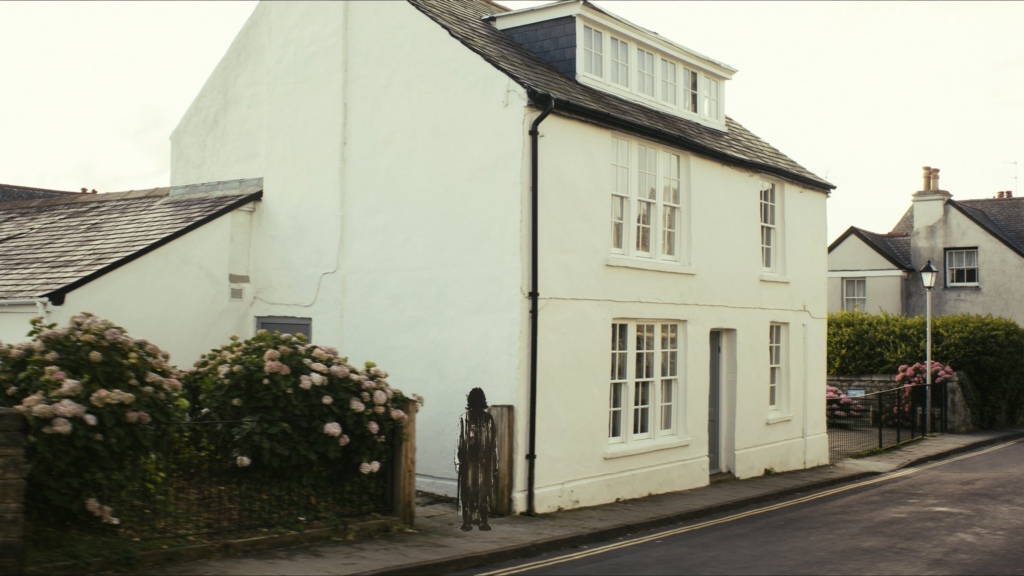
Wells-next-the-Sea has a fascinating and varied housing stock. You’ll find handsome Victorian and Edwardian terraces on streets like Burnt Street and Mill Road, alongside detached flint-and-brick Norfolk cottages, post-war semis, and some newer builds on the edges of town. Each property type comes with its own quirks for double glazing.
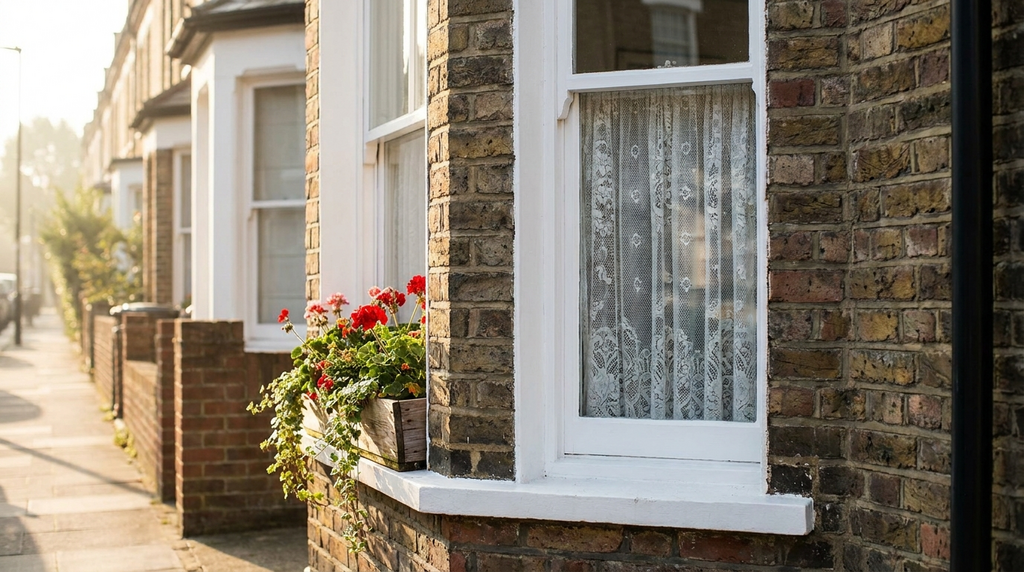
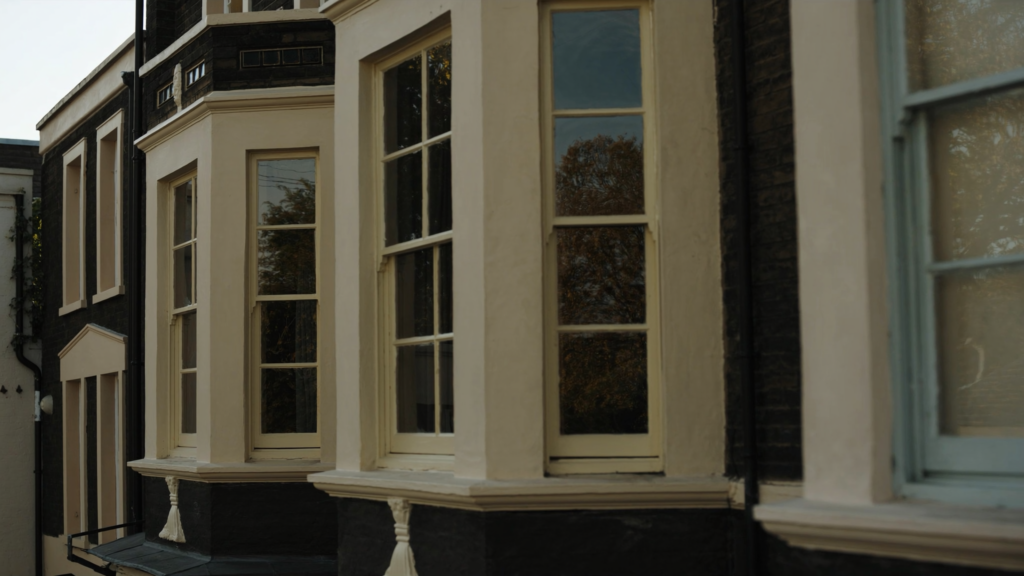
The terraced homes, particularly the older ones, often have sash windows with slim glazing bars and slightly irregular openings. These aren’t standard sizes, which means bespoke frames rather than off-the-shelf units. That adds cost, but it also means you get windows that actually fit properly rather than something that’s been wedged in and filled with expanding foam.
Detached properties here, especially the flint cottages and older stone-faced homes, can present access challenges. Some have narrow side passages or dense hedging that makes bringing in frames and scaffold a more complex operation than a typical suburban semi. Installers travelling from Hunstanton, Cromer, Dereham, or King’s Lynn (the main towns supplying tradespeople to Wells) need to factor in both the drive and any on-site complications.
A few things specific to homes in this area worth knowing before you start
- Timber frame condition, older Wells properties often have original timber surrounds that may be rotten or warped from years of coastal damp. Before new glazing goes in, frames may need repair or replacement, adding to your total cost
- Lintels, on Victorian terraces, the lintels above window openings can be in poor condition and may need attention before installation
- Reveal depth, older walls in this area tend to be thick (sometimes 450mm or more on flint-built properties), which means you’ll need to specify the correct frame depth to avoid a poor finish internally
- Salt air degradation, standard uPVC is fine, but aluminium frames should be marine-grade powder coated to resist corrosion in Wells’ coastal environment
How Much Double Glazing Costs in Wells-next-the-Sea and the East of England Area in 2026
Let’s be straight with you, double glazing in Wells-next-the-Sea will typically cost a little more than the same job in Norwich or Peterborough. You’re a small town with a population of just over 2,000, and installers factor in travel time, parking logistics, and the occasional access challenge. Even so, the premium isn’t huge, and the energy savings are proportionally the same.
The table below gives you realistic 2026 figures for typical Wells-next-the-Sea properties.
| Property Type | Number of Windows | uPVC Double Glazed | Timber Double Glazed | Aluminium Double Glazed |
|---|---|---|---|---|
| Small terraced cottage (2 bed) | 4–6 windows | £2,800–£4,200 | £4,500–£6,500 | £5,000–£7,000 |
| Mid terraced Victorian (3 bed) | 6–8 windows | £3,800–£5,500 | £6,000–£8,500 | £6,500–£9,500 |
| Detached Norfolk cottage (3–4 bed) | 8–12 windows | £5,000–£8,000 | £8,000–£13,000 | £9,000–£14,000 |
| Larger detached (4–5 bed) | 12–16 windows | £7,500–£12,000 | £12,000–£18,000 | £13,000–£20,000 |
The East of England average for a full house double glazing installation runs around 8–12% above the national average, largely due to rural access premiums and the fact that specialist installers often have to travel. Wells-next-the-Sea sits at the upper end of that range given its location on the North Norfolk coast, particularly for properties that require bespoke sizing.
Getting three quotes from different installers, including at least one based in King’s Lynn or Fakenham who regularly works in the Wells area, will help you avoid overpaying. Don’t just go with whoever posts a leaflet through your door.
How Wells-next-the-Sea’s Weather and Location Affect Your Double Glazing Choices
This is where living on the North Norfolk coast genuinely changes what you should buy. Wells only gets around 500–700mm of rainfall per year (less than much of England), but what it lacks in rain it more than compensates for in wind. Those cold easterly winds in winter are relentless and they drive straight off the sea.
Wind-driven cold air is different from still cold air, it finds and exploits gaps in window seals much more aggressively. This means the quality of the seal and the quality of the spacer bar between the glass panes matters enormously here. Cheap double glazing with poor edge seals will fail sooner in Wells than it would in, say, Dereham or King’s Lynn inland.
What this means practically
- Specify warm edge spacer bars (look for ones with a psi value below 0.06 W/mK), these perform significantly better in exposed coastal conditions
- Gas-filled units (argon is standard, krypton is premium) retain their insulating properties better over time than air-filled units
- A U-value of 1.2 W/m²K or below should be your minimum target for the whole window unit, not just the glass
- On south and west-facing elevations, you’ve got solid solar gain potential, Wells gets more sunshine hours than the national average, so don’t over-specify solar control glass on these faces unnecessarily
The salt air is a genuine consideration too. Aluminium frames without marine-grade coating will show corrosion within a few years on a property close to the harbour or quayside area. uPVC handles the coastal environment better out of the box, which is one reason it’s the most popular choice in the town.
The Products and Options That Work Best Here
Based on the conditions in Wells-next-the-Sea, here’s an honest expert view of what to actually specify, not just a generic rundown of what’s available.
For most terraced and detached homes in Wells, the sweet spot is uPVC double glazing with A-rated energy performance. It handles the coastal damp and salt air without special treatment, it’s competitively priced, and the top-quality modern uPVC systems look far better than the chunky white frames of 20 years ago. Slim-line and sculptured profiles are widely available and suit older properties well.
Specific specs worth asking for
- Glass, 4-16-4mm unit as standard minimum, ideally 4-20-4mm for north-facing elevations
- Gas fill, argon as a minimum, specifying krypton on exposed north and east-facing windows if budget allows
- Low-E coating, hard coat for south-facing windows, soft coat for north and east to maximise heat retention
- Spacer bar, warm edge (Super Spacer, Swisspacer, or equivalent) rather than aluminium
- Frame colour, anthracite grey or cream are popular in Wells and suit the town’s character; avoid bright white on flint or brick-faced properties where possible
For properties within Wells’ conservation area or those with listed building elements, timber double glazing or slim-profile aluminium may be required. Slimline double glazed timber sash windows are available that closely replicate original single glazed sashes while delivering a whole-window U-value around 1.4–1.6 W/m²K, not as good as a modern uPVC unit, but a huge improvement on what’s there now.
How to Find a Trustworthy Double Glazing Installer Near Wells-next-the-Sea
Wells-next-the-Sea doesn’t have its own glazing companies, the town is served by installers based in Hunstanton (25km away), Cromer (30km), Fakenham, Dereham (31km), and King’s Lynn (38km). This isn’t a problem, but it does mean you need to be a little more proactive about finding someone who genuinely knows the area and its property types.
Certifications to look for
- FENSA registered, this is the most important one for double glazing. FENSA installers self-certify compliance with building regulations, which means no separate application to North Norfolk District Council. If an installer isn’t FENSA registered, you’ll need to apply for building regulations approval separately, which adds cost and admin
- TrustMark approved, TrustMark is the government-endorsed quality scheme; it’s worth checking
- Which? Trusted Traders or similar reviewed platforms, read the reviews carefully, particularly from homeowners in coastal areas
Questions worth asking before you commit
- Have you worked on properties in Wells-next-the-Sea or along the North Norfolk coast before
- Are your units gas-filled with warm edge spacers as standard, or is that an extra
- What’s your guarantee on the sealed unit, and what happens if the unit fails and you’ve relocated the business
- Are you FENSA registered, and will you provide the certificate on completion
- What’s your current lead time for installation
Current lead times in the East of England for reputable installers are running at 6–12 weeks. Be wary of anyone who can start immediately, it often suggests they’re not as busy as they should be for a reason.
Grants and Funding That Could Reduce Your Costs in 2026
The good news for Wells-next-the-Sea homeowners is that the average Band E EPC rating here puts many properties firmly in the territory for grant funding. The bad news is that double glazing on its own isn’t always funded as a standalone measure, it’s often part of a broader energy efficiency package.
ECO4 Scheme, This is the main government-funded scheme for energy efficiency improvements. If you’re on qualifying benefits (Universal Credit, Pension Credit, Income Support and others), or if your household income is below around £31,000 and your home is Band E or below, you may qualify for fully or partially funded improvements. Double glazing can be included as part of an ECO4 package. Contact your energy supplier or visit the government’s ECO4 portal to start a referral.
Great British Insulation Scheme (GBIS), Running in 2026 and targeting homes in EPC bands D to G. Wells-next-the-Sea’s Band E average puts a large proportion of the town’s housing stock in scope. This scheme primarily targets insulation but can be a gateway to additional measures including glazing improvements.
North Norfolk District Council, NNDC administers local retrofit and energy efficiency support. Their Housing Standards team has historically supported residents with signposting to grant funding, and the council has been part of the Norfolk Warm Homes programme. It’s worth contacting NNDC directly to ask what’s currently available, the picture changes through the year as funding rounds open and close.
Norfolk Warm Homes, This county-level scheme has helped Norfolk residents access energy efficiency funding, particularly for off-gas-grid properties (which a significant portion of Wells homes are). Given that many properties here run on oil or LPG rather than mains gas, this scheme is particularly relevant.
Be realistic, free double glazing for everyone isn’t the situation. But if your home is Band E or below and you meet the income criteria, there is genuine grant money available that could cover a substantial portion or all of your installation cost.
Planning Permission and Regulations in Wells-next-the-Sea
Most standard double glazing replacements in Wells-next-the-Sea fall under permitted development rights, meaning you don’t need to apply for planning permission. This applies to the majority of terraced and detached properties in the town, provided the new windows are similar in appearance to the originals.
However, Wells-next-the-Sea sits within the North Norfolk Area of Outstanding Natural Beauty (AONB), and a significant portion of the town centre is designated as a Conservation Area. This changes things considerably for affected properties.
If your property is in the Conservation Area
- You’ll need to check whether your permitted development rights have been removed by a local Article 4 Direction, NNDC can confirm this
- Even where permitted development rights remain, windows in conservation areas must match the original style and character of the building as closely as possible
- uPVC windows are frequently refused or discouraged in conservation areas, timber or slim aluminium is usually the preferred route
- Contact North Norfolk District Council’s planning department before ordering anything
If your property is Listed
You’ll need Listed Building Consent for any window replacement, full stop. This requires a formal application to NNDC and must be approved before any work starts. Work done without consent on a listed building is a criminal offence. A heritage-experienced architect or surveyor is well worth involving at the outset.
For properties outside the conservation area and not listed, your FENSA-registered installer handles building regulations compliance. Just make sure you receive your FENSA certificate on completion, you’ll need it when you sell the property.
What You Will Actually Save, Honest Numbers for Wells-next-the-Sea Homes
Let’s work with the real energy figures for this town. The average Wells-next-the-Sea home uses around 13,400 kWh