Why Cromer Homeowners Are Paying More to Heat Their Homes Than They Should Be
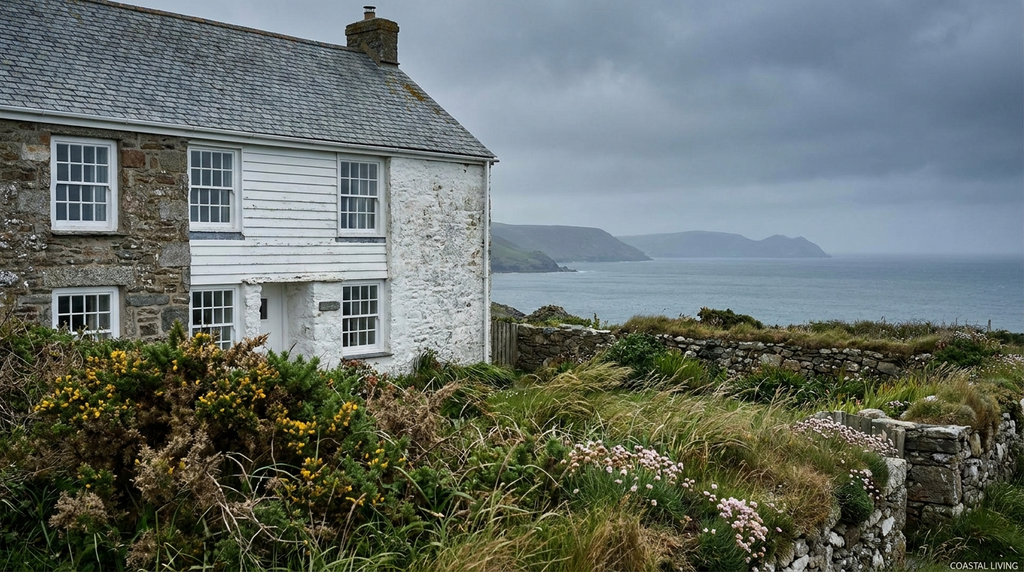
Stand on the clifftop at Cromer on a January morning and you’ll understand immediately why this town has a double glazing problem. Those cold easterly winds sweeping in off the North Sea don’t just make your morning walk bracing, they pour straight through single-glazed windows and poorly insulated frames, driving up heating bills in a town where the average gas usage already sits at 13,000 kWh per year.
That figure is right on the national median, but Cromer’s position on the Norfolk coast means the quality of that heating demand is different. You’re not just heating against cold air, you’re heating against persistent wind pressure that forces draughts through every gap and seal failure in older window frames. For a town built largely on Victorian and Edwardian terraced housing close to the seafront, that’s a significant and very solvable problem.
There’s also a practical moment happening right now. The average EPC rating in Cromer is Band D, the national average, but with energy prices still elevated and a growing number of local retrofit grants available through North Norfolk District Council, upgrading to proper double glazing has moved from “nice to have” to genuinely cost-effective. Homeowners on the seafront streets, in the terraced rows off Church Street, and in the semi-detached properties further inland towards Roughton Road are all asking the same question, is it finally time to sort the windows?
What Double Glazing Actually Involves for a Typical Cromer Home
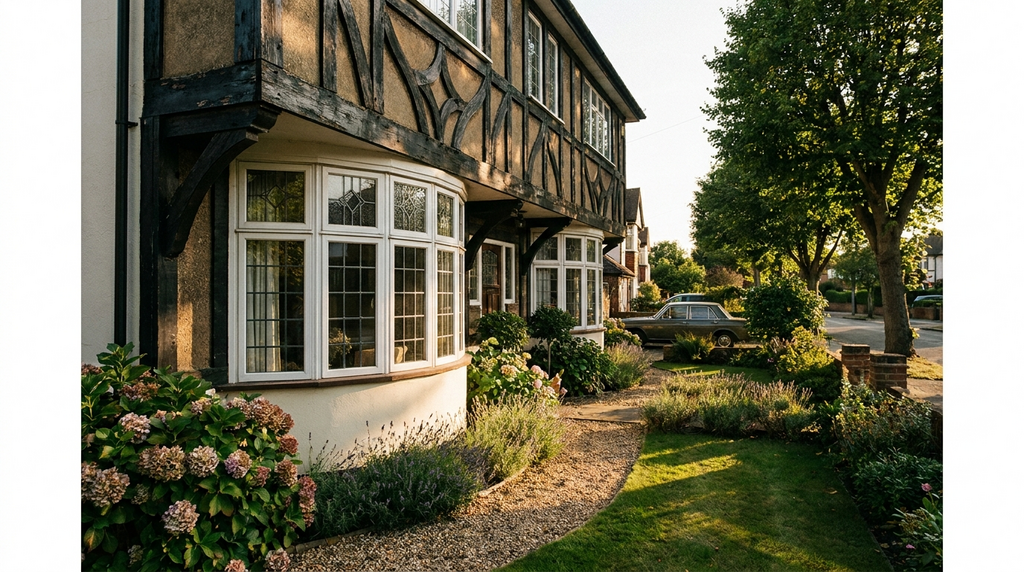
Most homes in Cromer fall into one of two camps, the older Victorian and Edwardian terraces within a short walk of the town centre and seafront, and the mid-20th century semi-detached properties on the estates pushing out towards the A149. Each has its own quirks for double glazing installation.
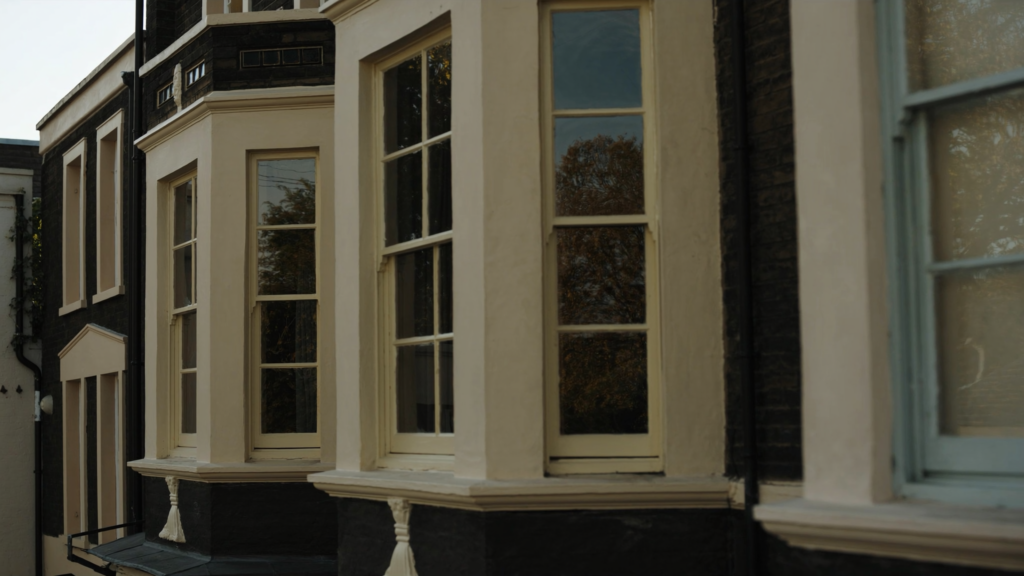
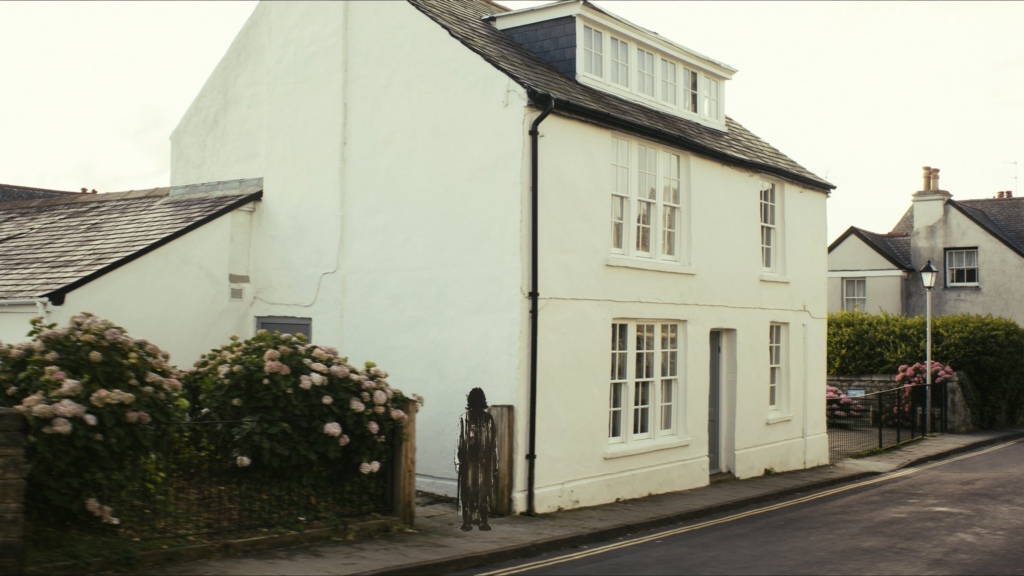
The older terraced properties, think the streets around the pier and the town conservation area, typically have larger, more ornate window openings with timber sash frames. Replacing these requires more care, more skilled labour, and often more negotiation with planning requirements than a straightforward casement swap on a 1960s semi. It’s possible, but a different job.
For the semi-detached stock from the 1950s through to the 1980s, the process is generally more straightforward. Standard casement windows, brick reveals in reasonable condition, and no conservation restrictions in most cases. These homes often still have original single-glazed metal or timber frames, some of the most inefficient window types still in common use, and upgrading them makes a very noticeable difference almost immediately.
A few practical realities worth knowing before you start calling installers:
- Access on town centre streets can be tight, some of the narrower roads near the seafront make delivery of large window units genuinely awkward, and scaffold towers sometimes can’t be erected without a road closure notice
- Cromer’s salt air environment is harder on frames, aluminium and uPVC both outperform timber in coastal conditions, though high-quality hardwood with proper marine-grade finishing is an option for conservation-sensitive properties
- Many older properties have subsided or settled reveals, meaning window openings aren’t perfectly square, which adds time to fitting and may require additional packers or frame adjustment
- Terraced properties share party walls but not window openings, you don’t need neighbour approval to replace your own windows, but where there’s shared scaffolding or access over adjoining land you’ll want to communicate early
The good news is that Cromer’s relatively low rainfall compared to western England (around 600mm per year) means external timber is generally in better condition here than in, say, a Welsh market town of similar age. Frames are often sound enough to be repaired or retained as secondary glazing rather than fully replaced, a useful option in conservation-sensitive areas.
How Much Double Glazing Costs in Cromer and the East of England Area in 2026
Cromer is a small town of under 8,000 people, which means you’re almost certainly going to be dealing with installers based in Norwich, North Walsham, or occasionally Dereham or Wymondham who cover this part of Norfolk as part of a wider patch. That’s generally fine, most established firms serving the East of England run efficiently across a 30-40km radius, but it does mean travel time and fuel costs are factored into quotes, and you’re unlikely to have three or four local firms competing aggressively for your business the way a homeowner in Norwich might.
Expect Cromer prices to run around 5-10% above the Norwich baseline, and broadly in line with East of England averages rather than the cheaper end of the national range.
| Window Type and Property Size | Cromer Estimate (2026) | East of England Average | National Average |
|---|---|---|---|
| uPVC casement, 2-bed terrace (6 windows) | £3,200 – £4,400 | £3,000 – £4,200 | £2,800 – £4,000 |
| uPVC casement, 3-bed semi (8 windows) | £4,200 – £5,800 | £4,000 – £5,500 | £3,800 – £5,200 |
| Aluminium slim-profile, 3-bed semi (8 windows) | £6,500 – £9,000 | £6,200 – £8,500 | £5,800 – £8,000 |
| Sash replacement (uPVC), 2-bed Victorian terrace | £4,800 – £6,500 | £4,500 – £6,200 | £4,200 – £6,000 |
| Triple glazing upgrade, 3-bed semi | £7,000 – £10,500 | £6,800 – £10,000 | £6,500 – £9,500 |
| Single window replacement (standard casement) | £550 – £850 | £500 – £800 | £450 – £750 |
These figures include supply, fitting, and VAT at 20%. They assume standard-sized openings in reasonable condition. If your reveals need significant repair work, add £150-£300 per window. Conservation area properties with specific glazing requirements can add 15-25% overall.
One honest note, be wary of quotes that come in significantly below these figures from firms you haven’t been able to verify locally. Some companies operating in this part of Norfolk quote low and then apply significant surcharges once they’ve assessed the job. Get a minimum of three written quotes and make sure each one specifies glass specification, frame system brand, U-value, and warranty terms.
How Cromer’s Weather and Location Change What Double Glazing You Should Choose
Cromer’s coastal position creates two specific demands that most inland Norfolk towns don’t have to think about as seriously, wind resistance and salt air durability. The easterly winds that sweep across from the North Sea during winter aren’t just cold, they carry moisture and salt particles that degrade seals, coatings, and gaskets faster than you’d expect in a sheltered inland location.
This matters more than people realise. A window with perfectly adequate sealing performance in, say, Dereham might show edge seal degradation and seal failure within 10-12 years if installed on an east-facing elevation in Cromer. Always ask installers specifically about their products’ salt air performance and whether the IGU (insulated glass unit) seals carry any coastal environment guarantee.
The flipside of Cromer’s exposed position is genuinely excellent solar gain. With more sunshine hours than most of the UK and relatively low cloud cover compared to western coastal towns, south and west-facing windows can make a real contribution to passive solar heating during the shoulder seasons. Choosing glass with a high solar factor (g-value) on south-facing elevations, rather than automatically specifying solar control glass, can measurably reduce your heating load from October through to March.
The practical upshot of all this:
- On north and east-facing elevations, prioritise thermal performance and seal quality above all else. Triple glazing is worth serious consideration on these faces
- On south and west-facing elevations, choose glass with a g-value of 0.6 or above to capture solar gain rather than blocking it
- For all exposed elevations, specify warm-edge spacer bars (rather than aluminium spacers) which maintain better edge-seal performance through repeated thermal cycling from sea wind exposure
- Frame material, uPVC or powder-coated aluminium will consistently outperform timber in Cromer’s salt air environment unless you’re committed to a rigorous maintenance programme
The Products and Options That Actually Perform Well in This Part of Norfolk
Given everything above, here’s an honest expert view on what works well for Cromer’s specific housing stock and climate, not just a rehash of what any glazing brochure will tell you.
For the Victorian and Edwardian terraces near the town centre, a high-quality uPVC sliding sash system with a central meeting rail that matches the original proportions is the practical sweet spot. Look for systems with a minimum U-value of 1.4 W/m²K, warm-edge spacers, and argon-filled IGUs as standard. Brands including Residence Collection and Spectus have profiles that sit sympathetically in older openings without requiring conservation area approval in most cases.
For the mid-century semis on the residential streets further inland, standard uPVC casement with A-rated or A+-rated glass will deliver the best return on investment. Insist on a whole-window U-value (not just the glass centre pane figure) of 1.4 W/m²K or better. Given the wind exposure, pay slightly more for a reinforced frame system rather than the entry-level options.
For anyone on the seafront or the cliff-adjacent streets, consider whether the investment in aluminium frames with a marine-grade powder coat is worth making once rather than replacing uPVC twice. The upfront cost is higher (see the table above) but the 30-40 year service life in exposed conditions can genuinely make economic sense.
Triple glazing is worth considering for north and east-facing elevations on any property in Cromer. The jump from a 1.4 to a 0.8 W/m²K U-value on a large north-facing living room window translates to meaningful heat loss reduction during those long North Sea winter blows. The price premium over standard double is roughly 25-35%, and in Cromer’s exposed conditions, the payback period is meaningfully shorter than in a more sheltered inland town.
How to Find a Trustworthy Double Glazing Installer Near Cromer
Because Cromer doesn’t have a large pool of local window firms, you’re going to be choosing between companies based primarily in Norwich (about 34km south), with some coming from North Walsham or even as far as Dereham or Wymondham. This is entirely normal and shouldn’t put you off, but it does mean doing your homework properly, because you can’t rely on word-of-mouth from a neighbour who used them last week.
The non-negotiable certification to look for is FENSA registration. Any company installing replacement windows in England is required to be registered with a competent person scheme, FENSA is the largest for glazing. FENSA registration means the installer can self-certify that the work meets Building Regulations without you needing to apply for a separate Building Regulations notice. You can verify any company’s registration at the FENSA website before you commit.
Also look for:
- TrustMark registration, government-endorsed quality scheme covering trades working in homes
- GGF membership (Glass and Glazing Federation), indicates commitment to industry standards and provides access to a deposit protection scheme
- A minimum 10-year guarantee on both frames and sealed units, and check whether this guarantee is backed by an insurance-backed guarantee (IBG) that survives if the company ceases trading
- References from other coastal Norfolk properties, specifically ask whether they’ve installed in coastal locations and whether they can point to jobs in Sheringham, Mundesley, or similar North Norfolk coastal towns
Red flags include pressure selling with same-day discounts, refusal to provide written specifications before you sign, quotes that don’t specify the glass unit manufacturer or U-value, and deposits of more than 25% upfront without an IBG in place.
Lead times across the East of England in 2026 are running at approximately 4-8 weeks from deposit to installation for most standard projects. Conservation area properties or bespoke sash orders may run to 10-12 weeks.
Grants and Funding Available to Cromer Residents in 2026
The funding landscape has shifted since the broad ECO4 rollout, but there are still meaningful routes to financial support for Cromer homeowners, particularly for those in older, less-efficient properties.
The Great British Insulation Scheme closed on 31 March 2026. It funded insulation measures only and never covered windows or glazing. The Great British Insulation Scheme closed on 31 March 2026. It funded insulation measures only and never covered windows or glazing. North Norfolk District Council is an active participant in the scheme, and the council’s website lists approved local assessors who can carry out a free eligibility check.
ECO4 provides fully funded or heavily subsidised energy efficiency improvements for households receiving qualifying means-tested benefits. If you or anyone in your household receives Universal Credit, Pension Credit, or certain other benefits, you may be entitled to free double glazing installation. Contact North Norfolk District Council’s housing team directly, they can refer you to registered ECO4 delivery partners operating in the area.
The Warm Homes Plan, expanding from 2026 onward, includes a broader homes upgrade grant stream aimed at owner-occupiers in Band D-F properties. While primarily targeted at heating system upgrades, ancillary fabric improvements including windows can be included in a whole-house assessment. Watch the North Norfolk District Council announcements, they have been among the more proactive East of England councils in promoting available funding to residents.
A few points worth knowing about grant eligibility:
- Most schemes require a current EPC, if yours is more than two years old, you’ll need a fresh assessment (around £80-£120 from an accredited assessor)
- Grant funding for glazing typically requires that the existing windows are genuinely inefficient, you generally can’t claim for upgrading windows already rated C or above
- Private landlords in Cromer may have separate obligations under the Minimum Energy Efficiency Standards, if you rent out a property here, take specific advice on your compliance position
Planning Permission and Conservation Rules in Cromer
This is where Cromer requires more careful attention than many comparable Norfolk towns. The town centre, particularly the streets around the church, the pier area, and parts of the clifftop housing, falls within a designated conservation area managed by North Norfolk District Council. Within this conservation area, the permitted development rights that allow