Why Norwich Homeowners Are Turning to Double Glazing Right Now
There’s something happening on the streets of Norwich at the moment. Walk through Earlham, Lakenham, or the Victorian terraces around Unthank Road and you’ll notice more and more skips outside houses, more white-van installers parked up, more neighbours comparing quotes over the fence. Double glazing upgrades are accelerating here, and for very good reason.
Norwich sits in a peculiar position climatically. The city faces those raw, biting easterly winds that sweep in off the North Sea with almost nothing to slow them down. Unlike cities further west that get some shelter from hills and inland terrain, Norwich is genuinely exposed. Single-glazed or tired old double-glazed windows that were installed in the 1990s simply aren’t up to the job when those easterlies arrive in January.
Add to that the fact that Norwich’s average EPC rating sits at Band D, right at the national average but with enormous room for improvement, and you start to see why so many homeowners are acting now. Energy bills remain a serious concern, and double glazing is one of the most visible, tangible upgrades you can make. Unlike loft insulation that disappears out of sight, new windows change how your home looks and feels every single day.
There’s also a practical financial moment right now. Installers serving Norwich, many of whom also cover Wymondham, Dereham, Great Yarmouth, and Cromer, are competitive on price in this region, with labour costs sitting below London and the South East. That means your money goes further here than it would in many other parts of England.
What Double Glazing Actually Involves for a Typical Norwich Home
Most Norwich homes fall into two categories that shape everything about a double glazing project: Victorian and Edwardian terraces (particularly dense in areas like Heigham, Catton, and Mile Cross), and post-war semi-detacheds on the suburban estates that ring the city. Each comes with its own quirks.
The Victorian terraces are the more interesting challenge. These properties typically have original timber sash windows or casement windows set into reveals that have slightly irregular dimensions, no two windows are exactly the same size, even in the same house. That means bespoke sizing is often necessary, which adds cost and lead time compared to a 1970s semi where everything is more standardised.
Post-war semis in areas like Bowthorpe, Heartsease, and Costessey are generally more straightforward. Standard casement windows, consistent sizing, and easier access for installers. If you’re in one of these properties, you’re in the more economical bracket of double glazing installations.
Here are the key practical considerations for Norwich homes specifically:
- Timber frame buildings, older Norwich terraces often have original timber frames that may need repair or replacement before new glazing can be fitted properly. Budget for a frame assessment
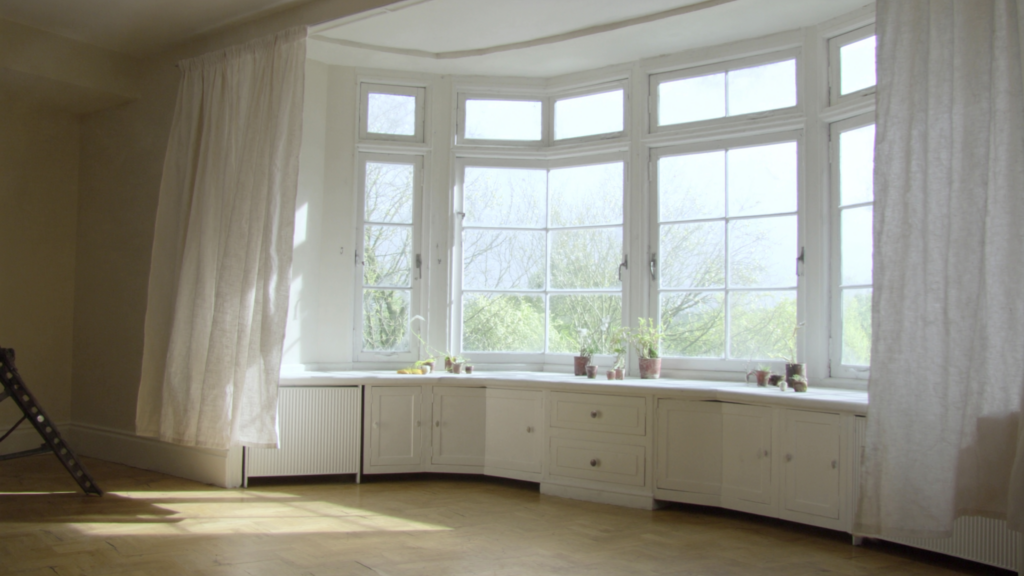
- Bay windows, very common in the Edwardian streets around Newmarket Road and Unthank Road. Bay configurations cost more and require careful measurement
- Access and parking, terraced streets in inner Norwich can be extremely tight. Installers sometimes need to park a street away and carry frames on foot, which adds labour time
- Lead flashings and reveals, older properties may have lead work around window reveals that needs to be replaced or carefully preserved
- Conservation area restrictions, more on this later, but it affects a significant number of Norwich properties
One thing that works in Norwich’s favour is the relatively dry climate. At 500–700mm of annual rainfall, the East of England sees less moisture-related damage to frames and reveals than, say, properties on the Welsh coast. That means less preparatory work in most cases and a cleaner, faster installation.
How Much Double Glazing Costs in Norwich and the East of England in 2026
Let’s talk numbers, because vague “it depends” answers aren’t helpful when you’re trying to plan a budget. The figures below reflect what Norwich homeowners are actually paying in 2026, based on typical local installer quotes. These include supply, fitting, and disposal of old units.
| Property Type and Scope | Norwich Cost | East of England Average | National Average |
|---|---|---|---|
| Single casement window replacement | £450 – £650 | £470 – £680 | £500 – £750 |
| Full terrace (6–8 windows, uPVC) | £3,800 – £5,500 | £4,000 – £5,800 | £4,200 – £6,500 |
| Full semi-detached (8–10 windows, uPVC) | £4,500 – £6,800 | £4,800 – £7,200 | £5,000 – £8,000 |
| Bay window unit (3-section) | £1,200 – £1,900 | £1,250 – £2,000 | £1,300 – £2,200 |
| Timber-look or heritage sash (per window) | £800 – £1,400 | £850 – £1,500 | £900 – £1,600 |
| Triple glazing upgrade (per window vs double) | +£180 – £320 | +£200 – £350 | +£220 – £380 |
| Front door with glazed panels | £900 – £1,600 | £950 – £1,700 | £1,000 – £1,900 |
Norwich prices sit slightly below the East of England average and noticeably below the national average. This is partly because the city has good installer competition, local companies who serve the Norwich-to-Great Yarmouth corridor keep each other honest on pricing. Labour costs are moderate here compared to Cambridge or Ipswich.
Where costs can spike in Norwich is on listed or conservation-area properties, where standard uPVC isn’t permitted and heritage timber or aluminium alternatives are required. Expect to add 30–50% to the above figures if you’re in one of those situations.
How Norwich’s Weather and Location Shape Your Double Glazing Choices
This is where living in Norwich specifically really matters for your buying decision. The city’s eastern exposure is the defining factor. Cold easterly winds, the kind that arrive from Russia and Scandinavia with very little interruption, hit Norfolk harder than almost any other part of England. Your windows on the east-facing elevation of your home take a battering in winter.
What this means practically is that standard double glazing (4-12-4 configuration) may leave you still feeling a draught chill on the coldest days, particularly on east-facing rooms. Upgrading to a wider argon-filled cavity, the 4-16-4 or 4-20-4 configurations, makes a meaningful difference in homes exposed to those winds. This is a real-world improvement. Norwich homeowners who’ve made the switch consistently report that the “cold wall” feeling near windows disappears.
The other side of the coin is Norwich’s excellent solar resource. With more sunshine hours than much of England and very low annual rainfall, south and west-facing windows in Norwich homes can passively capture useful solar heat through winter. Choosing glass with a solar gain coefficient (g-value) that’s balanced rather than fully low-emission helps you benefit from this free warmth. Don’t let an installer sell you the most aggressively solar-reflective glass for all elevations, it works against you on south-facing windows in this part of the country.
Condensation is also a genuine issue in Norfolk winters. The temperature differential between cold outside air and warm inside air is significant. High-performance warm-edge spacer bars around the glass perimeter dramatically reduce condensation on the inner face of double glazed units, this is a detail worth asking about specifically.
The Products and Options That Actually Perform Well in Norwich Conditions
Based on what works in Norwich’s specific combination of east-coast wind exposure, strong sunshine, and typical housing stock, here’s genuine expert guidance on products rather than a generic catalogue.
For most Norwich terraces and semis, uPVC casement windows with these specifications hit the sweet spot:
- A-rated or A+ rated energy efficiency (look for the BFRC energy label)
- 4-16-4mm or 4-20-4mm argon-filled double glazing as minimum
- Warm-edge spacer bars (Super Spacer or ThermoBar rather than aluminium)
- Low-E glass coating on the inner pane (reduces heat escape while allowing solar gain)
- U-value of 1.2 W/m²K or better for the whole window unit
For Victorian and Edwardian properties on Unthank Road, Newmarket Road, and similar streets, timber-effect uPVC or genuine engineered timber frames with double glazed units are worth the premium. They look proportionally correct in older reveals and preserve the character of the street. Some Norwich Conservation Area properties require these anyway.
Triple glazing is worth serious consideration for east and north-facing elevations in Norwich. The additional cost of roughly £200–320 per window over standard double glazing delivers a U-value of around 0.7–0.8 W/m²K versus 1.2 for good double glazing. For a bedroom on the north-east corner of a Norwich terrace, that’s a noticeable comfort improvement on January mornings.
What to avoid in this area: very cheap Chinese-manufactured units that arrive without BFRC ratings or proper British certification. They’re sometimes offered through trading platforms and can appear attractive on price, but they frequently fail their argon gas retention over time, which dramatically reduces their insulating performance within 5–7 years.
How to Find a Trustworthy Double Glazing Installer Near Norwich
Norwich has good installer coverage. Local and regional companies operate throughout the city and routinely cover the surrounding towns, Wymondham and Dereham to the south and west, and even stretching out to Great Yarmouth and occasionally Cromer for larger projects. This competition is healthy for consumers.
Here’s what to look for when vetting any installer:
- FENSA registration, this is the most important certification for window installers in England. FENSA-registered companies self-certify that their work complies with Building Regulations, saving you from having to apply for Building Control approval separately. Always ask for their FENSA registration number and verify it on the FENSA website
- TrustMark accreditation, a government-endorsed quality scheme that provides additional consumer protection
- Which? Trusted Trader status, useful secondary indicator of reliability, particularly for established Norwich-based companies
- GGFi guarantee insurance, offered through the Glass and Glazing Federation, this protects your guarantee if the installer ceases trading
Questions worth asking any installer before committing:
- Are you FENSA registered and will you handle the Building Regulations compliance certificate
- What is the U-value of the complete window unit (not just the glass)
- What spacer bar system do you use
- How long is the manufacturer’s warranty on the sealed unit and on the frames
- Do you have experience working in conservation areas in Norwich
- Who actually carries out the installation, your own employees or subcontractors
Red flags to watch for: pressure to sign on the day of the quote, unusually short guarantee periods (anything under 10 years on the sealed unit is below par), and quotes that don’t specify frame U-values or energy ratings. Lead times in the East of England currently run at 3–6 weeks for standard orders, though bespoke heritage windows for conservation properties can take 8–12 weeks.
Grants and Funding That Could Reduce Your Costs in Norwich in 2026
Here’s the honest picture on grants for double glazing in 2026, there is support available, but it’s more targeted than many homeowners assume.
ECO4 (Energy Company Obligation), This scheme, administered by energy suppliers and overseen by Ofgem, focuses on fuel-poor households and properties with low EPC ratings. If your Norwich home is Band D or below and you receive qualifying benefits (Universal Credit, Pension Credit, Child Tax Credit, and others), you may qualify for fully or heavily subsidised glazing. Contact Norwich City Council’s energy advice service or your energy supplier directly to check eligibility. The council can refer you to local ECO4 installers who operate in the city.
The Great British Insulation Scheme closed on 31 March 2026. It funded insulation measures only and never covered windows or glazing. Eligibility extends to households in EPC Bands D–G on lower incomes, or any household in Bands E–G regardless of income. Given Norwich’s average Band D rating, a meaningful number of residents qualify, particularly in older inner-city terrace streets.
Warm Homes Norfolk, Norfolk County Council and partner organisations run a local retrofit support programme. This isn’t purely a grant scheme but provides free home energy assessments and can signpost you to funding routes specifically for Norfolk residents. It’s worth contacting them before you approach any commercial installer, as they can sometimes unlock funding that a commercial route wouldn’t surface.
Norwich City Council’s own retrofit support, The council has supported area-based schemes in specific neighbourhoods in recent years, particularly in parts of Lakenham, Mile Cross, and older housing areas. Contact Norwich City Council’s housing or sustainability team to check whether any active schemes apply to your street.
For the majority of Norwich homeowners who don’t qualify for means-tested support, the most practical funding route is 0% finance through a FENSA-registered installer or a Green Home Finance product through your mortgage lender, several of which now offer dedicated retrofit lending at competitive rates.
Planning Permission and Regulations for Norwich Windows
For most Norwich homeowners, double glazing falls under permitted development rights, meaning you don’t need planning permission. However, there are important exceptions that affect a significant number of Norwich properties.
Conservation Areas, Norwich has several designated conservation areas including the Cathedral Close area, Elm Hill, and significant portions of the Victorian inner suburbs. If your property is within a conservation area, permitted development rights for windows are restricted. You may need planning permission or planning permission to replace windows, particularly on the principal elevation (the front of the house facing the street). The requirement is typically to match the original window design in terms of style, material, and finish, which usually means timber or aluminium rather than uPVC.
Listed Buildings, Norwich has a high concentration of listed buildings given its status as a historic city. If your property is listed (Grade I, II*, or II), you will need Listed Building Consent for any window replacement. Contact Norwich City Council’s planning department before doing anything.
For unlisted homes outside conservation areas, permitted development applies and you don’t need planning permission. However, you do need to comply with Building Regulations Part L (energy efficiency) and Part N (glazing safety). A FENSA