Why City of Dundee Is One of Scotland’s Most Interesting Places to Go Green
Dundee sits on the north bank of the Firth of Tay, and it’s a city that’s been quietly reinventing itself for years. Once famous for jute, jam, and journalism, it’s now drawing attention for innovation, waterfront regeneration, and, increasingly, its ambitions around sustainable living. With around 148,000 residents packed into one of Scotland’s most compact cities, Dundee has a real opportunity to shift the needle on home energy use faster than many larger, more spread-out counties.
The housing stock here tells a story of Scotland’s industrial past. You’ll find a high proportion of flats and tenement-style terraced properties, many built between the late Victorian era and the mid-20th century. These are solid, characterful homes, but they were built long before anyone thought about insulation standards, and many are still leaking heat at a rate that would make your energy bills wince.
What really sets Dundee apart from neighbours like Angus or Perth and Kinross is that combination of dense urban housing, a colder-than-average northern climate, and a tight geographic footprint. That means eco improvements here can deliver big savings per household, and local installers can cover the whole city from a single base, keeping costs competitive.
Making Sense of City of Dundee’s Energy Performance Picture
The average EPC rating across City of Dundee is Band D, which puts it right at the national average. But that headline figure hides some real variation across different neighbourhoods and property types.
Older tenement flats in areas like Lochee, Hilltown, and the city centre tend to sit at the lower end of Band D or even Band E. These buildings often have solid stone walls rather than cavity walls, which makes insulation more challenging (and more expensive) but also more rewarding when done well. Newer housing developments on the edges of the city, places like Broughty Ferry’s more modern estates or the developments around Dundee’s western fringe, tend to perform better, with some properties already reaching Band C or above.
In practical terms, what does Band D mean for your wallet? If you’re heating a typical Dundee flat, you’re probably spending somewhere in the region of £1,400 to £1,800 per year on energy bills. For a terraced house, that figure climbs to £1,700 to £2,300 per year. Dundee’s heating season is long and cold, with over 2,200 heating degree days per year, demand runs 20 to 30% above the national average. That means every improvement you make to your home’s thermal envelope pays back faster here than it would in, say, Bristol or Birmingham.
Dundee City Council is the single local authority covering the whole city, which actually makes navigating grants, planning, and support schemes more straightforward than in counties with multiple councils. There’s one point of contact, one set of local rules, and increasingly one coherent strategy for improving the city’s housing stock.
The Full Range of Eco Home Services Available to Dundee Homeowners
Whether you own a top-floor flat in the West End or a mid-terrace in Ardler, there’s a meaningful eco improvement available for your home. Here’s a plain-English rundown of what’s on offer.
Solar Panels
Solar PV systems generate electricity from daylight, and despite what people say about Scottish weather, Dundee gets between 700 and 900 sunshine hours per year. Long summer days mean your panels work hard from April through September. A typical 4kWp system costs around £5,000 to £7,000 installed, and adding a battery storage unit (around £2,500 to £4,000 extra) means you can store daytime generation for evening use. For south-facing roofs on terraced houses, solar is genuinely worth serious consideration.
Heat Pumps
Air source heat pumps are increasingly common in Dundee, particularly as gas boiler replacements in terraced properties with enough outdoor space for the unit. They work by extracting heat from outside air, even at low temperatures, and are most effective in well-insulated homes. Costs typically run from £8,000 to £14,000 installed, though the Boiler Upgrade Scheme (BUS) grant can take £7,500 off that price. Ground source heat pumps are less common in urban Dundee due to garden space constraints, but they’re worth exploring if you have the land.
Wall Insulation
This is often the single highest-impact improvement for Dundee homes. Cavity wall insulation (where applicable) costs around £400 to £800 for a typical property and can save over £200 per year. For the many solid-walled tenements and older terraces in the city, external wall insulation (EWI) is the main option, costs range from £8,000 to £20,000 depending on property size, but savings can be substantial and EWI also improves weatherproofing, which matters in Dundee’s wet winters.
Loft and Floor Insulation
If you have an accessible loft, insulation is one of the cheapest and fastest-payback improvements available. Costs start from around £300 to £600 for a standard top-up installation. Underfloor insulation for suspended timber floors, common in older Dundee terraces, typically costs £800 to £1,800 and can noticeably reduce draughts and heat loss.
Double and Triple Glazing
Many older Dundee properties still have single glazing or older double glazing that’s past its best. Upgrading to modern double or triple glazing improves comfort, reduces condensation, and lowers heating bills. Expect to pay £300 to £600 per window for standard double glazing, or more for heritage-style frames in conservation areas.
Smart Controls and Energy Monitoring
Sometimes the simplest improvements make a real difference. Smart thermostats, TRV upgrades, and energy monitoring systems typically cost £150 to £500 and can reduce heating bills by 10 to 15% just through better control.
Typical Costs and Savings for Common Eco Improvements in Dundee
| Improvement | Typical Cost (Flat) | Typical Cost (Terraced House) | Estimated Annual Saving | Approximate Payback Period |
|---|---|---|---|---|
| Loft insulation | Not always applicable | £300 – £600 | £150 – £250 | 2 – 4 years |
| Cavity wall insulation | £400 – £600 | £500 – £800 | £150 – £220 | 3 – 5 years |
| External wall insulation | £5,000 – £12,000 | £8,000 – £20,000 | £300 – £600 | 15 – 30 years |
| Solar PV (4kWp) | Not always applicable | £5,000 – £7,000 | £400 – £700 | 8 – 14 years |
| Air source heat pump | £8,000 – £12,000 | £9,000 – £14,000 | £200 – £600 | 10 – 20 years (less with BUS grant) |
| Double glazing (full home) | £2,000 – £5,000 | £3,000 – £7,000 | £100 – £200 | 15 – 30 years |
| Smart thermostat | £150 – £300 | £150 – £500 | £80 – £150 | 1 – 3 years |
Tip, combining improvements tends to shorten payback periods significantly. A well-insulated home with a heat pump, for example, will see the pump running far more efficiently than in a draughty property.
Grants and Funding Available to Dundee Homeowners in 2026
The good news is that Dundee residents have access to some of the best-funded eco home support in the UK, thanks to a combination of UK-wide schemes and Scotland-specific programmes that go above and beyond what’s available south of the border.
Home Energy Scotland
This is your first port of call if you live in Dundee. Home Energy Scotland offers free, impartial advice from qualified energy advisors, plus access to interest-free loans of up to £15,000 for energy efficiency improvements. There are also cashback offers available on top of the loans for certain measures. Unlike some grant schemes, this isn’t means-tested, any homeowner can apply. Call them or use their online tool to get a tailored recommendation for your property.
Warmer Homes Scotland
If you’re on a low income, receiving certain benefits, or living in a property with a poor EPC rating, you may qualify for free energy efficiency improvements through Warmer Homes Scotland. This can cover insulation, heating system upgrades, and more, entirely at no cost to you. Dundee has a significant number of properties and households that could qualify, so it’s genuinely worth checking eligibility even if you’re not sure.
ECO4 (Energy Company Obligation)
ECO4 is a UK Government scheme that requires large energy suppliers to fund home improvements for lower-income and fuel-poor households. In Dundee, this can mean free or heavily subsidised insulation and heating upgrades. Eligibility is linked to income, benefits, and EPC rating. Your energy supplier or a local installer can help you check whether you qualify.
Boiler Upgrade Scheme (BUS)
If you’re replacing a gas boiler with a heat pump, the BUS grant gives you £7,500 off the cost of an air source heat pump. This is available to homeowners across Dundee and can make heat pump installation genuinely competitive with boiler replacement costs. The grant is paid directly to your installer, so you simply pay the reduced amount.
Great British Insulation Scheme (GBIS)
GBIS targets homes in Council Tax bands A to D with an EPC rating of D or below. Given that the average Dundee home is Band D, a large proportion of residents could be eligible for subsidised or free insulation under this scheme. It’s worth checking even if you’re not on benefits, as there’s a general eligibility route alongside the income-based route.
Dundee City Council Support
Dundee City Council runs its own programmes to support housing improvements, particularly in areas with older social housing stock and mixed-tenure tenements. Keep an eye on the council’s housing and sustainability pages for area-based improvement schemes, which can offer additional top-up funding when multiple households in a tenement or street participate together.
What Dundee Homeowners Need to Know About Planning Permission
Most standard eco home improvements, loft insulation, cavity wall insulation, internal improvements, don’t require planning permission at all. But there are some important exceptions that Dundee residents need to be aware of.
All planning applications in Dundee go through Dundee City Council’s Planning Department. Scotland operates under its own planning system, with permitted development rules that are broadly similar to England but have some differences. Solar panels on a roof, for instance, are generally permitted development for most houses, but there are conditions around size, placement, and appearance that you should check before ordering.
External wall insulation changes the appearance of a property, so it may require planning permission in some cases, particularly for flats in shared tenement buildings, where all owners in the block typically need to agree to any external changes. Your installer should help you navigate this, but it’s worth flagging early in the process.
Dundee has several conservation areas, including parts of the city centre, Broughty Ferry, and the West End. If your home is in a conservation area or is a listed building, additional restrictions apply, you’ll likely need planning permission for external changes, and permitted development rights may be restricted or removed entirely. Listed buildings require Listed Building Consent for almost any significant alteration. Contact Dundee City Council’s planning team early if you’re in any doubt about your property’s status.
Scotland also has its own building regulations under Section 6 (Energy), which sets energy efficiency standards for any new work carried out. Your installer should be familiar with these requirements and ensure all work meets the current standards.
How Dundee’s Climate Should Shape Your Eco Home Decisions
Dundee’s climate is genuinely different from most of the UK, and it should influence which improvements you prioritise. Sitting in northern Scotland, the city sees cold winters that stretch well into spring, with heating degree days significantly above the national average. Keeping heat inside your home is the single most impactful thing you can do, insulation should almost always come before anything else.
The city does benefit from its position on the Tay estuary, which offers some shelter compared to more exposed parts of Angus or Fife. But wind-driven rain is still a factor, and external insulation systems need to be specified carefully to handle the local weather conditions. A good installer will know this and specify appropriate render systems and detailing.
Solar panels are absolutely viable in Dundee, despite the reputation for grey skies. The key advantage here is the long summer days, you’re significantly further north than London, which means summer daylight hours are much longer. A well-positioned south-facing array will generate meaningfully through the warmer months. The honest caveat is that winter generation will be lower than in southern England, so pairing solar with battery storage makes particularly good sense in Dundee.
Heat pumps perform well in Dundee’s climate, but they do need to work harder during the coldest months. This makes thorough insulation even more important as a foundation, a heat pump in a well-insulated home is highly efficient, while the same pump in a draughty property will struggle and run up higher electricity bills.
Strong winds are a consideration for any roof-mounted technology. Make sure any solar or rooftop installation uses mounting systems rated for higher wind loads, and always use an MCS-certified installer who understands local conditions.
Where to Find Eco Home Services Across City of Dundee
Dundee is a compact city, and that works in your favour for finding local installers. Because the entire local authority area is covered by a single city boundary, most reputable eco home companies operating in Dundee can reach any postcode from a single base, there’s no remote rural area that gets overlooked or charged a travel premium.
The main town covered by our service network is Dundee itself, which encompasses a wide range of neighbourhoods and communities including
Towns in City of Dundee
148,000 residents · EPC D
Services in City of Dundee
Nearby Counties
26 km away
33.4 km away
43.1 km away
56.3 km away
58.1 km away
70.8 km away
Frequently Asked Questions About Eco Home Services in City of Dundee – Energy Saving Solutions
Dundee homeowners can access several funding options in 2026, including the Scottish Government's Warmer Homes Scotland scheme and the Home Energy Scotland grant and loan programme, which offers up to £15,000 for eligible improvements. If your property sits at EPC Band D, you are likely to qualify for support toward insulation, heat pumps, or solar panels. Home Energy Scotland advisors cover the Dundee area and can assess your eligibility completely free of charge, so it is well worth giving them a call before spending anything.
In Dundee, a typical air source heat pump installation tends to fall somewhere between £8,000 and £14,000 depending on the size of your home and the complexity of the work involved. The good news is that the UK Boiler Upgrade Scheme still provides a £7,500 voucher toward the cost in 2026, which brings the out-of-pocket expense down considerably for most homeowners. Getting at least three quotes from MCS-certified installers based locally in Dundee or the wider Tayside area is the best way to make sure you are getting a fair price.
The safest starting point is to search for MCS-certified installers on the official MCS installer database, filtering by the DD postcode area to find tradespeople working right here in Dundee. Trusted Trader Dundee, run through Dundee City Council, also lists vetted local contractors and includes genuine reviews from other Dundee residents. Always ask for references from previous jobs in the area and confirm that any installer is registered with the appropriate scheme before work begins.
Many Dundee tenement flats can benefit from external wall insulation, though the process is a little more involved because all flat owners in the block typically need to agree before work can go ahead on shared walls. Dundee City Council has supported several tenement improvement projects and can sometimes help coordinate between neighbours, which makes the process far smoother. A surveyor familiar with Dundee's traditional sandstone and brick tenement stock can assess your specific building and let you know exactly what is possible.
For a typical Dundee home currently sitting at EPC Band D, the journey to Band C can often be achieved within a few weeks once you factor in survey, planning, and installation time combined. Common measures that make the biggest difference include loft insulation top-ups, cavity wall insulation where applicable, and upgrading to a more efficient heating system. Scotland's Home Energy Scotland service can arrange a free home assessment and map out the quickest and most cost-effective route for your specific property in Dundee.
Dundee actually receives a reasonable amount of sunlight by Scottish standards, and a south-facing 4kW solar panel system can still generate a meaningful amount of electricity throughout the year, helping to cut energy bills noticeably. In 2026, combining solar panels with a battery storage system is increasingly popular among Dundee homeowners as it allows you to use more of the energy you generate rather than exporting it back to the grid. Most Dundee installations pay back their cost within 10 to 14 years, and many homeowners find the savings begin showing up on their bills from the very first month.
Featured eco home guides.

Solar boom strains UK grid – what homeowners need to know
UK solar installations surge, but grid capacity lags. How homeowners can avoid export curbs, choose smart inverters, and protect their investment.

Why a temporary VAT cut on electricity bills misses the point
The IFS says a temporary VAT cut on household electricity bills is poorly targeted. We analyse the real impact on UK homeowners and better alternatives.

Why a VAT cut on energy bills won’t fix Britain’s leaky homes
Andy Burnham's call for a VAT cut on energy bills is dismissed as trivial. Axiom Eco Homes argues the real fix is insulation and heat pumps, not temporary tax tweaks.

Why a hospital solar fire shouldn’t stop UK homeowners going solar
A hospital solar panel fire raises safety fears. We examine the real risks, UK installation standards, and whether homeowners should worry about their PV systems.

Plug-in solar panels get a launch date but the small print matters
The government has set a date for when plug-in solar panels can be sold in the UK. Axiom Eco Homes unpacks what this means for your energy bills, EPC rating, and whether the small print adds up.
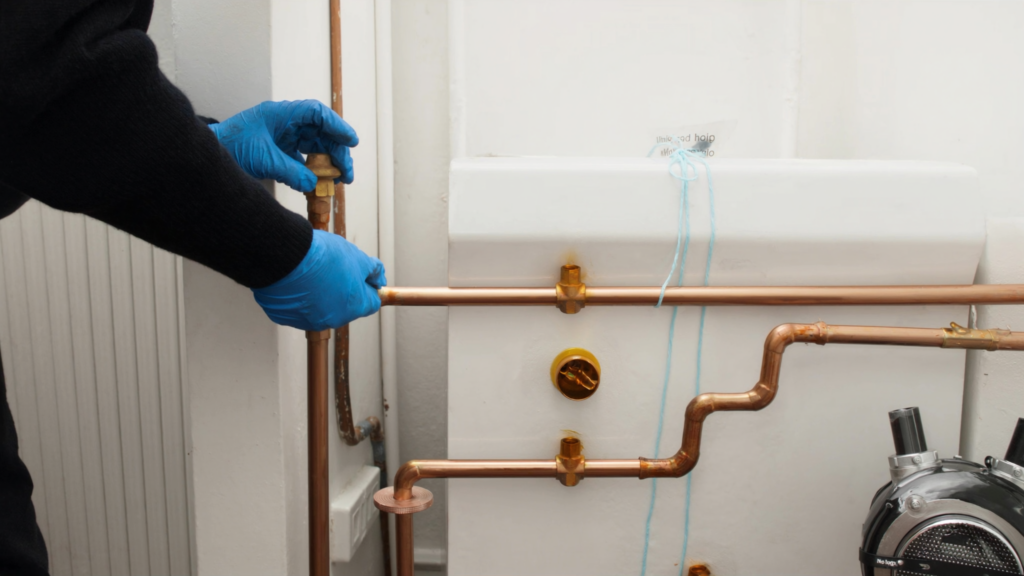
Radiator oversize factor explained for low flow temperatures
MCS 021, the Heat Emitter Guide that UK heat pump installers size radiators from, tells them to multiply each room’s heat loss by 3.1 before choosing a radiator for a system designed to run at 41-45°C. At 51-55°C that multiplier drops to 1.90. Those two numbers decide whether your existing radiators stay on the wall […]
Get Eco Home Quotes in City of Dundee
Compare quotes from trusted local eco home installers. No obligation.
Get a Free Quote