Why Highland Is One of Scotland’s Most Rewarding Places to Go Green
Highland is unlike anywhere else in the UK. Covering a vast sweep of northern Scotland, from the Cairngorm edges to the far north coast at Thurso, and westward to the dramatic peaks around Fort William, it’s a county defined by its scale, its weather, and its deeply independent character. With a population of just over 103,000 spread across some of Britain’s most rugged terrain, communities here have always had to be self-reliant.
That self-reliance makes eco home improvements feel less like a trend and more like common sense. Heating costs in Highland are 20 to 30% above the national average, driven by long, biting winters, relentless westerly winds, and housing stock that was often built long before modern insulation standards existed. If you live here, you already know the feeling of watching your energy bills climb through the colder months.
The good news is that Highland sits in a genuinely exciting position for home improvement. Between Scotland’s own funding programmes, UK-wide grants, and the county’s natural resources, particularly wind and long summer daylight hours, there’s a strong case for investing in your home right now. Let’s walk through everything you need to know.
The Energy Picture Across Highland and What It Means for Your Bills
The average EPC rating across Highland is Band E, that’s below the Scottish and UK national averages, and it matters because it translates directly into higher bills for ordinary families. An EPC Band E home typically costs between £2,200 and £2,800 per year to heat and power, compared to around £1,400 to £1,700 for a Band C home.
Average gas usage across Highland runs at 14,717 kWh per year, well above the national median of around 12,000 kWh. That extra consumption isn’t because residents are wasteful; it’s because homes are older, less insulated, and located in a climate that demands more from your heating system for more months of the year.
Average electricity usage sits at 3,617 kWh per year, which is broadly typical, but that figure could rise significantly if you switch to electric heating or a heat pump without first improving your insulation.
Different parts of Highland tell slightly different stories. Inverness, as the regional centre, has a more mixed housing stock with some newer, better-rated properties alongside older Victorian and inter-war terraces. Fort William and the western areas face the heaviest rainfall and some of the most exposed conditions. Thurso and Wick, up in Caithness, experience fierce northerly winds and some of the oldest rural housing stock in the county. Nairn and Dingwall sit in slightly more sheltered positions but still share the county’s general challenge of ageing homes that were simply not built with energy efficiency in mind.
The upside of all this is significant. Homes with lower EPC ratings have the most to gain from improvements. A Highland home moving from Band E to Band C could see annual savings of £700 to £1,200 depending on property size and the measures installed.
The Full Range of Eco Home Services Available to Highland Homeowners
If you’re just starting out or planning a full retrofit, there are services available right across the county to suit different budgets and property types.
Solar Panels
Highland gets 700 to 900 sunshine hours per year, fewer than southern England, but the long summer days more than compensate, and modern panels work on daylight rather than direct sunshine. A typical 4kWp system costs around £6,000 to £8,000 installed and can generate 3,200 to 3,600 kWh annually in this region. Pair it with a battery storage unit and you’ll make far better use of summer generation through darker months.
Heat Pumps
Air source heat pumps are increasingly popular across Highland, and for good reason, they work well even in very cold temperatures and are a natural replacement for oil boilers, which are still common here. Ground source systems are also viable for properties with sufficient land. Costs typically run from £8,000 to £14,000 for air source and £15,000 to £25,000 for ground source before grants. The Boiler Upgrade Scheme can bring these costs down significantly (more on that below).
Insulation
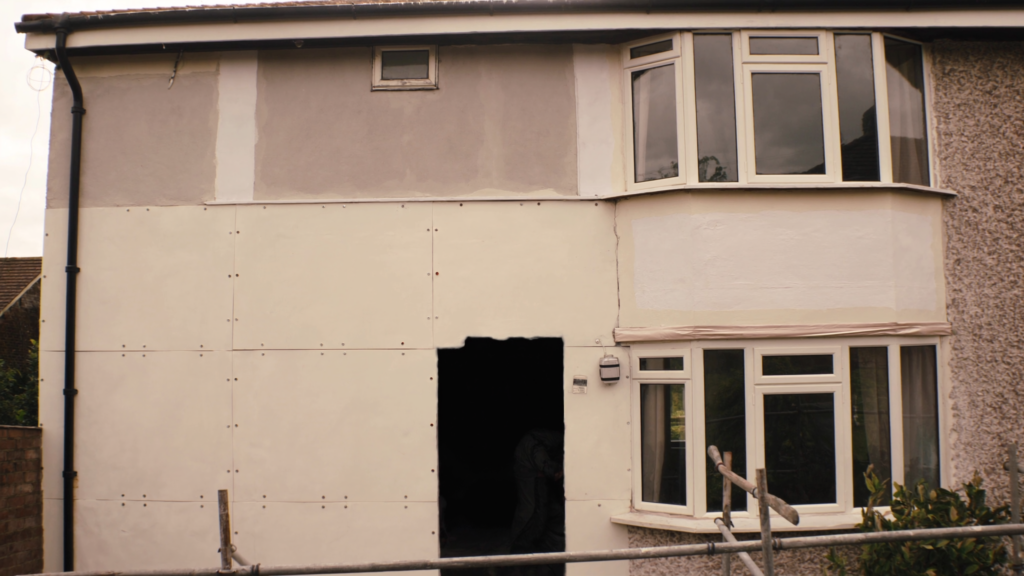
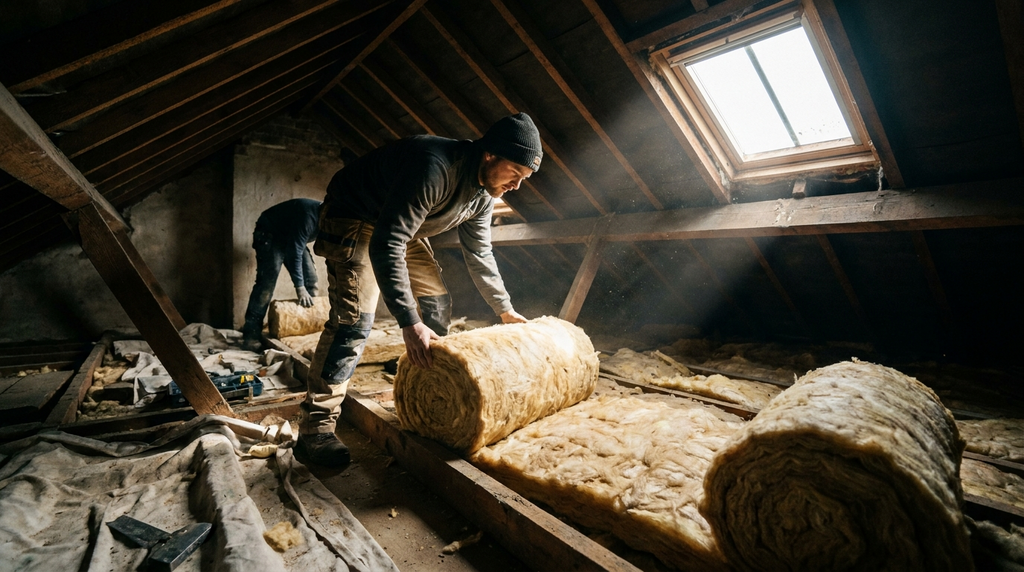
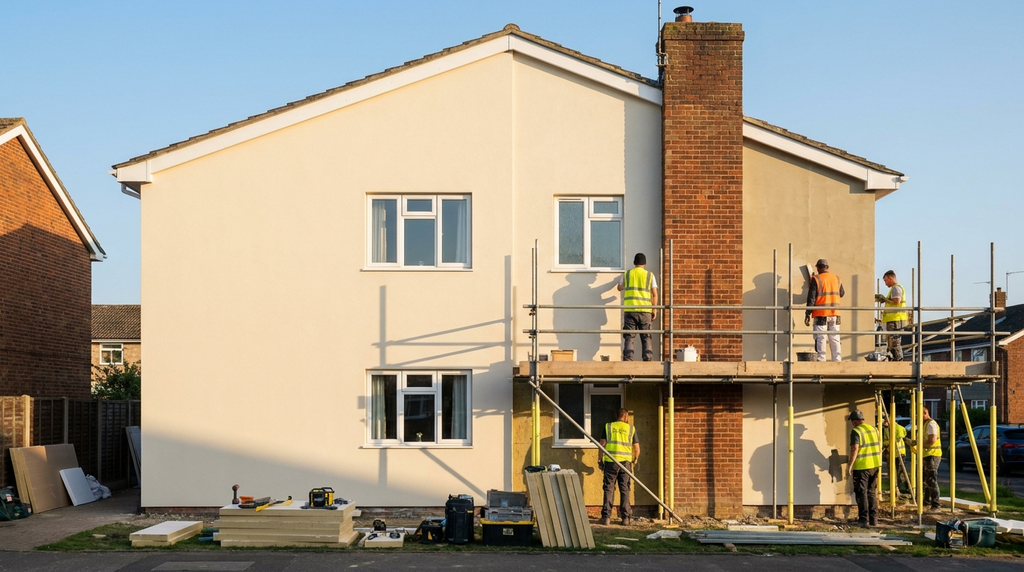
In Highland’s climate, insulation is where you feel the difference first. Loft insulation, cavity wall insulation, and solid wall insulation (both internal and external) are all available. Given the high rainfall in western parts of the county, external wall insulation requires careful material selection, your installer should use systems designed for exposed, wet climates. Loft insulation alone can save £200 to £400 per year and often costs as little as £300 to install.
Double and Triple Glazing
Older homes in Highland are often still sitting on single glazing or early double glazing well past its best. Upgrading to modern double or triple glazing reduces draughts, improves comfort enormously, and cuts heat loss through windows by up to 50%. Costs vary by property size but expect to pay £4,000 to £10,000 for a full house, depending on the number and size of windows.
Energy Efficiency Improvements
Beyond the big-ticket items, smaller upgrades make a real difference, draught-proofing doors and floors, upgrading to LED lighting throughout, fitting smart thermostats, and improving hot water cylinder insulation. These measures often cost a few hundred pounds but can collectively save £150 to £300 per year with almost immediate payback.
Comparing Costs and Savings Across Common Highland Property Types
The three most common property types across Highland are detached homes, semi-detached properties, and terraced houses. Here’s a realistic breakdown of what major improvements typically cost and what you can expect back.
| Improvement | Terraced Home | Semi-Detached Home | Detached Home |
|---|---|---|---|
| Loft Insulation | £300 – £500 | £400 – £600 | £500 – £900 |
| Cavity Wall Insulation | £600 – £900 | £800 – £1,200 | £1,000 – £1,800 |
| External Solid Wall Insulation | £8,000 – £13,000 | £10,000 – £16,000 | £14,000 – £22,000 |
| Air Source Heat Pump | £8,000 – £11,000 | £9,000 – £12,000 | £10,000 – £14,000 |
| Solar PV (4kWp) | £6,000 – £7,500 | £6,500 – £8,000 | £7,000 – £9,000 |
| Double Glazing (full house) | £3,500 – £6,000 | £4,500 – £7,500 | £6,000 – £10,000 |
And here’s how those investments typically play out in terms of annual savings and how long before you break even.
| Improvement | Typical Annual Saving | Estimated Payback Period |
|---|---|---|
| Loft Insulation | £200 – £400 | 1 – 3 years |
| Cavity Wall Insulation | £200 – £350 | 3 – 5 years |
| Solid Wall Insulation | £400 – £700 | 18 – 30 years (less with grants) |
| Air Source Heat Pump | £500 – £1,000 | 8 – 14 years (less with BUS grant) |
| Solar PV with Battery | £600 – £950 | 8 – 12 years |
| Double Glazing | £150 – £300 | 15 – 25 years |
Tip, combining measures delivers the best results. Installing insulation before a heat pump, for example, reduces the size of system you need and improves its efficiency significantly.
Grants and Funding Available to Highland Residents in 2026
Highland homeowners have access to a genuinely useful stack of funding, from Scotland-specific programmes to UK-wide schemes. Here’s what’s on the table right now.
Home Energy Scotland
This is Scotland’s flagship advice and funding service, and it’s completely free to access. Through Home Energy Scotland you can get impartial advice on what improvements suit your home, plus access to interest-free loans of up to £15,000 for energy efficiency improvements and renewable installations. There’s also an additional cashback element for some measures. Call them or visit their website, they’re genuinely helpful and not trying to sell you anything.
Warmer Homes Scotland
If you’re on a low income or receiving certain benefits, Warmer Homes Scotland could fund improvements to your home at no cost to you. This covers insulation, heating systems, and other measures. Given Highland’s high proportion of older housing and the significant number of households in fuel poverty, this scheme is particularly relevant here. Your local council can help you check eligibility.
ECO4 (Energy Company Obligation)
ECO4 runs alongside Warmer Homes Scotland and funds insulation and low-carbon heating for eligible households. Energy suppliers are obligated to deliver these improvements, so there’s no direct application, your supplier or a registered installer will assess your eligibility. Homes with EPC ratings below Band D and households receiving certain benefits are the most likely to qualify, and given Highland’s average Band E rating, many homes here will be in the frame.
Boiler Upgrade Scheme (BUS)
The BUS grant offers £7,500 off the cost of an air source heat pump and £7,500 off a ground source heat pump. This is a UK-wide scheme and applies to Highland homeowners replacing an existing heating system. Your installer applies on your behalf, so you never handle the paperwork yourself.
Great British Insulation Scheme (GBIS)
The Great British Insulation Scheme closed on 31 March 2026. It funded insulation measures only and never covered windows or glazing. Given that Highland’s average sits at Band E, a large number of homes across the county are potentially eligible. Loft and cavity wall insulation are the most commonly funded measures.
Council and Regional Support
Highland Council periodically runs or signposts local energy efficiency programmes, particularly for rural and remote properties. It’s worth contacting them directly or checking their website, as area-specific support can change throughout the year. Community Energy Scotland also supports local groups and individual homeowners in rural areas with renewable energy projects.
Planning Permission and Local Authority Rules for Highland Homeowners
Most eco home improvements in Highland fall under permitted development rights, meaning you don’t need planning permission. Solar panels on a pitched roof, air source heat pumps, and standard insulation work typically qualify, provided your home is not in a protected area.
However, Highland is a county where exceptions are genuinely common, and it pays to check before you commit to any work.
- Listed buildings, Highland has a significant number of listed buildings, particularly in historic town centres like Inverness and in older rural settlements. Any external changes to a listed building require listed building consent, regardless of the improvement type.
- Conservation areas, Inverness, Dingwall, Nairn, and other towns have conservation areas where changes to external appearance, including solar panels visible from the street, may need approval.
- Cairngorms National Park, Parts of the south and east of Highland fall within the Cairngorms National Park. The Park Authority has its own planning rules and stricter controls on external appearance. If your property is within the Park boundary, check with the Cairngorms National Park Authority rather than Highland Council.
- External wall insulation, In some locations, adding external insulation changes the appearance of your home enough to require planning permission. Your installer should flag this, but it’s always worth a quick call to Highland Council’s planning team to confirm.
All planning applications within Highland (outside the Cairngorms National Park) are handled by Highland Council’s Planning and Development service. They offer a pre-application advice service which can save you time and uncertainty before you commit to a project.
Scotland’s building regulations, specifically Section 6 (Energy), also apply to certain types of work and may require a building warrant. Your installer should be familiar with these requirements, but it’s your responsibility as the homeowner to ensure the correct permissions are in place.
How Highland’s Climate Should Shape Your Eco Home Choices
The climate here is background detail that should genuinely inform which improvements you prioritise and how you approach them.
Insulation first, always. With over 2,200 heating degree days per year, a measure of how hard your heating system has to work, Highland homes lose heat faster and for longer than almost anywhere else in the UK. Getting the fabric of your home right before anything else is the single smartest move you can make.
The prevailing westerly winds and high rainfall (1,000 to 2,000mm per year in western areas) mean that external wall insulation needs to be specified carefully. Products rated for exposed locations and proper detailing around windows and doors are essential, a good local installer will know this, but don’t be afraid to ask about it directly.
For solar panels, the shorter winter days are a real factor, but don’t let them put you off entirely. Summer generation in Highland is genuinely impressive thanks to the long daylight hours, and a well-sized battery system can store that generation for use later. East or west-facing roofs can also work well here when a south-facing pitch isn’t available.
Heat pumps perform well in Highland’s climate, but sizing matters. A properly designed air source heat pump will operate efficiently even when temperatures drop below freezing, which they regularly do across much of the county. Make sure any installer you use carries out a proper heat loss survey of your home