What Makes London a Fascinating Place to Go Green at Home
London is unlike anywhere else in England, and that’s not just civic pride talking. As a county, it packs an extraordinary diversity of housing, history, and community into a relatively compact area, stretching from the leafy riverside streets of Richmond and Chiswick through to the elegant Victorian terraces of Hampstead and the suburban avenues of Wimbledon. With 158,086 residents spread across just four main towns, this is a place where neighbours genuinely know each other, and where word travels fast about what’s working and what isn’t.
That matters for eco home improvements, because London homeowners tend to be well-informed and genuinely motivated. Many are already thinking about energy bills, carbon footprints, and the long-term value of their homes. The good news is that London’s climate is actually one of the best in the UK for solar energy, and with labour costs running 15 to 25% above the national average, making smart, well-planned decisions from the start pays off even more here than elsewhere.
There are some real quirks to navigating eco upgrades in London, though. Borough-specific conservation restrictions can affect what you can install on the outside of your home. Parking and access challenges in denser parts of the county can add to installation costs. And the sheer variety of housing, from Georgian terraces to purpose-built flats to Edwardian semis, means there’s no one-size-fits-all answer. This guide is here to help you cut through all of that.
Understanding Energy Performance Across the County
London’s average EPC rating sits at Band C, which actually puts the county above the national average. That’s genuinely good news, it means many homes here have already had some efficiency improvements, whether that’s double glazing, loft insulation, or a modern boiler. But “above average” doesn’t mean there’s nothing left to do.
Even a Band C home can still be losing significant heat through uninsulated solid walls, an ageing heating system, or single-glazed sash windows, all of which are common in the older housing stock you’ll find in areas like Hampstead and parts of Chiswick. Homes in these areas were often built before cavity walls were standard, which means they need a different insulation approach entirely.
In practical terms, the average London household spending on energy looks something like this. With 10,350 kWh of gas per year and 2,750 kWh of electricity, and using typical 2026 unit rates, you’re looking at an annual energy bill in the region of £1,600 to £2,000 for a typical semi-detached or terraced home. Homes at the lower end of the EPC scale, Band E or F, can easily be spending £2,500 to £3,500 a year or more.
Richmond and Wimbledon tend to have a mix of larger Victorian and Edwardian properties alongside more modern builds, which creates real variation in efficiency levels street by street. Hampstead’s Georgian and early Victorian housing is beautiful but can be thermally challenging. Chiswick offers a mix of well-maintained period terraces and purpose-built flats. If you’re not sure where your home sits, getting a fresh EPC assessment is a sensible first step, and it’s something we can help arrange.
The Full Range of Eco Home Services Available Across London
The good news for London homeowners is that the full spectrum of eco home services is available across the county. Here’s a plain-English overview of what’s on offer and roughly what each one involves.
Solar Panels
London is actually one of the best places in the UK for solar, with 1,200 to 1,500 sunshine hours per year and some of the strongest solar irradiance figures in the country. A typical 4kWp system for a semi-detached home costs around £6,000 to £8,000 installed and can generate 3,400 to 4,000 kWh annually. Pair it with a battery storage system and you can use a much higher proportion of what you generate.
Heat Pumps
Air source heat pumps are increasingly popular in London, particularly in homes where gas isn’t available or where homeowners want to cut their carbon footprint significantly. They work by extracting heat from outside air, even in winter, and are well-suited to London’s milder climate. Costs typically run from £8,000 to £14,000 before grants, though the Boiler Upgrade Scheme (more on that below) can reduce this substantially.
Insulation
This is often the most cost-effective first step. Loft insulation for a standard semi-detached home costs £300 to £600 and can save £200 to £300 a year on heating bills. Cavity wall insulation is similarly affordable where applicable. For solid-walled properties, very common in Hampstead and older parts of Chiswick, external or internal wall insulation costs more (typically £8,000 to £20,000) but delivers meaningful savings and improved comfort.
Double and Triple Glazing
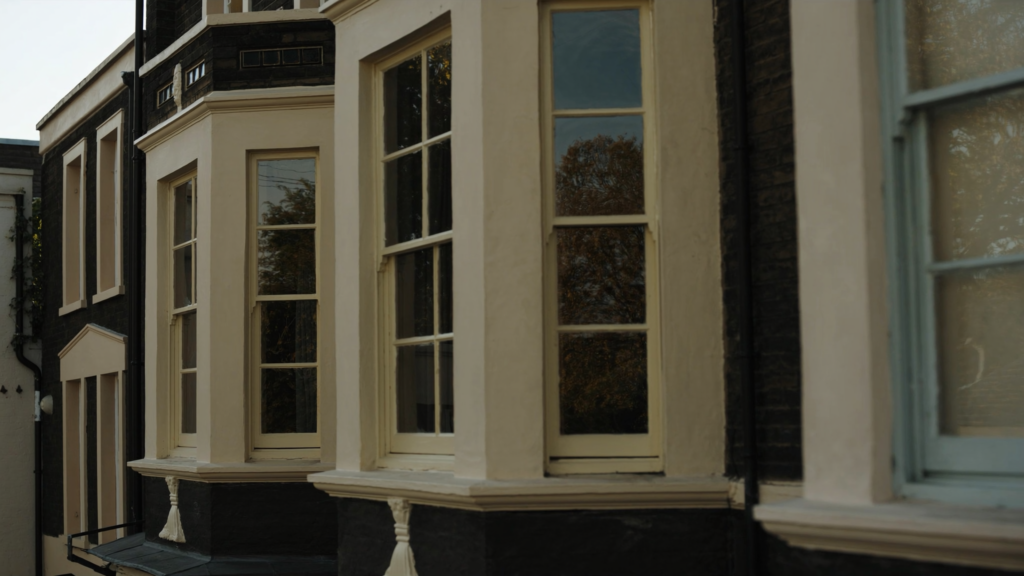
Replacing single-glazed windows with modern double or triple glazing can save £100 to £200 a year on heating and dramatically improves comfort. In conservation areas, there are special slim-profile options built to preserve the appearance of period windows, important in many parts of London.
Energy Efficiency Improvements
This includes smart thermostats, heating controls, LED lighting upgrades, and ventilation systems. These are often lower-cost entry points that can still make a noticeable difference to your bills and comfort. A good smart thermostat, for example, typically costs £150 to £250 installed and can save £75 to £150 a year.
Cost and Savings at a Glance, London Property Types
Here’s a practical comparison table to help you see what different improvements typically cost and what you might save, broken down by the property types most common across London.
| Improvement | Terraced Home | Semi-Detached | Flat | Est. Annual Saving | Approx. Payback |
|---|---|---|---|---|---|
| Solar panels (4kWp) | £6,500 – £8,000 | £7,000 – £9,000 | Not usually applicable | £600 – £900 | 8 – 12 years |
| Air source heat pump | £9,000 – £13,000 | £10,000 – £14,000 | £8,000 – £12,000 | £400 – £800 | 10 – 18 years |
| Loft insulation | £300 – £500 | £400 – £600 | N/A (check with freeholder) | £150 – £300 | 1 – 3 years |
| Cavity wall insulation | £700 – £1,200 | £900 – £1,500 | N/A | £150 – £250 | 4 – 6 years |
| Solid wall insulation (external) | £10,000 – £18,000 | £12,000 – £20,000 | N/A | £300 – £500 | 20 – 30 years |
| Double glazing (full house) | £4,000 – £7,000 | £5,000 – £9,000 | £2,000 – £4,000 | £100 – £200 | 20 – 30 years |
| Battery storage (with solar) | £2,500 – £4,000 | £2,500 – £4,500 | Not usually applicable | £200 – £400 | 7 – 12 years |
Remember that London’s higher labour costs mean quotes here will typically sit toward the upper end of national ranges. Always get at least three quotes and check installer accreditations before committing.
Grants and Funding Available to London Homeowners in 2026
The funding landscape for eco home improvements has evolved significantly, and there are now several routes available to London residents depending on your income, property type, and what you’re looking to install.
The Boiler Upgrade Scheme
The Boiler Upgrade Scheme (BUS) offers a £7,500 grant toward the cost of an air source heat pump, or £7,500 toward a ground source heat pump. This is available to most homeowners in England regardless of income. Your installer applies on your behalf, so you just pay the reduced amount upfront. Given the cost of heat pumps in London, this grant makes a real difference.
ECO4, The Energy Company Obligation
ECO4 is aimed at lower-income households and those living in less efficient homes. If you receive certain means-tested benefits, or if your home is rated EPC Band D or below, you may qualify for fully funded insulation, heating upgrades, or solar panels through your energy supplier. It’s worth checking even if you’re not sure you qualify, eligibility is broader than many people realise.
The Great British Insulation Scheme
The Great British Insulation Scheme closed on 31 March 2026. It funded insulation measures only and never covered windows or glazing. For London homeowners with solid walls or poorly insulated lofts, this can significantly reduce the upfront cost of improvement works.
London-Specific and GLA Programmes
The Greater London Authority (GLA) runs its own retrofit guidance and, through programmes like Warmer Homes, supports fuel-poor Londoners with energy upgrades. Individual London boroughs, including those covering Chiswick, Hampstead, Richmond, and Wimbledon, periodically run their own local energy improvement schemes, often in partnership with the GLA or Salix Finance. It’s always worth checking your specific borough council’s website for current offers, as these can include interest-free loans or top-up grants for qualifying households.
VAT on Energy Efficiency Measures
Solar panels, heat pumps, insulation, and several other qualifying measures continue to attract 0% VAT in 2026. This is a straightforward saving that applies to all homeowners, not just those on low incomes, and on a £10,000 installation, that’s £2,000 you’re not paying.
Planning Permission and Local Authority Considerations Across London
This is where London gets genuinely complex compared to most other counties, and it’s important to understand the landscape before you spend any money.
Most standard eco home improvements fall under permitted development rights, meaning you don’t need planning permission. Solar panels on a roof, air source heat pumps in a garden, and most internal insulation works can all proceed without a formal application in most cases. But London has a significant number of conservation areas and listed buildings, and these change the picture considerably.
In Hampstead, for example, large portions of the area fall within conservation zones where external alterations, including solar panels visible from the street, or external wall insulation, may require consent. The London Borough of Camden handles planning applications for Hampstead, while Richmond upon Thames covers the Richmond area, Hounslow covers much of Chiswick, and Merton handles Wimbledon applications.
Each of these boroughs has its own conservation officers and pre-application advice services. The honest advice here is simple, always check with your local borough planning department before booking any external works. A quick pre-application enquiry can save you a lot of hassle and expense later.
For listed buildings, additional listed building consent is almost always required for any works affecting the character of the building. This doesn’t mean eco improvements are impossible, heritage-compatible solar tiles, slim double glazing, and internal insulation are all available, but they need more careful planning and often specialist installers.
How London’s Climate Shapes the Best Eco Upgrades for Your Home
London’s climate is genuinely one of the county’s biggest assets for eco home improvements, and it’s worth understanding exactly why.
With 1,200 to 1,500 sunshine hours per year and some of the best solar irradiance figures in the UK, solar panels perform exceptionally well here. A south-facing roof in Richmond or Wimbledon can generate impressive returns year-round, and even east or west-facing installations can be viable. If you’re considering solar anywhere in London, the climate is firmly on your side.
London’s milder winters, with 1,200 to 1,500 heating degree days, well below the national average, mean that heat pumps perform particularly efficiently here. Heat pumps work best when the temperature differential between outside and inside is smaller, so London’s relatively moderate winters are ideal conditions. This is one county where a heat pump genuinely makes strong practical sense.
The lower rainfall (around 500 to 700mm per year) and good sunshine levels also mean external wall insulation is a particularly sound investment. External insulation needs reasonable weather during installation, and London’s drier climate reduces the risk of moisture-related issues both during and after the work. Finished correctly, external wall insulation also performs well in London’s conditions long-term.
The one thing to watch is cold easterly winds in winter, these can increase heat loss through gaps in older windows and doors, making draught-proofing a genuinely worthwhile low-cost improvement that’s easy to overlook but delivers real comfort improvements almost immediately.
Where to Find Eco Home Services Across London
Eco home services are available right across the county, covering all four main towns. Here’s where you can find help and how installer coverage typically works in this part of London.
- Chiswick, Well served by installers familiar with the mix of Edwardian terraces, Victorian semis, and purpose-built flats. Good access for most property types, though parking can add to logistics for larger jobs.
- Hampstead, A specialist market given the density of conservation areas and period properties. Installers working here tend to have experience with heritage-compatible solutions and listed building requirements.
- Richmond, Excellent coverage, with strong demand for solar and heat pump installations in the larger family homes common in this area. Richmond upon Thames council is generally considered responsive on planning enquiries.
- Wimbledon, Good installer availability, with a mix of property types from Victorian terraces to more modern semis. Merton