Why Greater London Is One of the Most Interesting Places to Make Your Home More Eco-Friendly
Greater London is unlike anywhere else in the UK. Eight and a half million people living across 31 boroughs, in everything from Georgian terraces in Islington to 1930s semis in Bromley, Victorian conversions in Hackney to modern flats in Tower Hamlets. That sheer variety of housing, built across three centuries, is what makes eco home improvements here both a challenge and a huge opportunity.
London also has something its northern neighbours don’t, the best solar irradiance in the UK. More sunshine hours, milder winters, and lower heating demand than almost anywhere else in England. If you’re thinking about solar panels, a heat pump, or better insulation, you’re actually in one of the most favourable climates in the country to make those investments pay off.
The Greater London Authority has its own retrofit guidance, and many boroughs run their own energy efficiency programmes on top of national schemes. That means there’s real support available, but navigating it takes a bit of local knowledge. That’s exactly what this guide is for.
What the Average EPC Band D Really Means for London Homeowners
The average home across Greater London sits at EPC Band D. That puts London right at the national average, which sounds fine until you realise it means most homes are still losing significant heat and burning more energy than they need to.
A Band D rating typically means your annual energy bills sit somewhere around £1,800 to £2,400 depending on your property size and heating habits. Push that up to Band B or C with some targeted improvements, and you could be looking at savings of £600 to £900 per year, money that stays in your pocket rather than going up through a poorly insulated roof.
How Different Parts of London Compare
Not all of London is equal for energy efficiency. Older, Victorian-era housing, concentrated in inner boroughs like Camden, Islington, Hackney, Lambeth, and Southwark, tends to have solid brick walls, single-glazed sash windows, and minimal loft insulation. These homes often sit at Band E or even Band F, meaning energy bills can push well above £3,000 a year.
Outer London boroughs like Bromley, Havering, Hillingdon, and Sutton tend to have more post-war housing, 1950s and 1960s builds with cavity walls that are much easier and cheaper to insulate. These properties often sit at Band D and are excellent candidates for a cost-effective package of improvements.
Properties in Kensington, Westminster, and parts of Richmond and Hammersmith frequently sit in conservation areas, which adds a layer of planning complexity, more on that shortly. Newer developments in areas like Newham, Stratford, and parts of Croydon often start at Band C or better, but still benefit from solar and smart energy upgrades.
London’s average gas usage of 10,694 kWh per year is close to the national median, but electricity usage at 3,145 kWh per year is notable, London’s dense flat stock and urban lifestyle patterns push electricity demand higher than in rural counties.
Eco Home Services Available Across Greater London
Whatever kind of property you live in, there’s an eco improvement that will make a real difference. Here’s a practical overview of what’s available across the county.
Solar Panels
London gets 1,200 to 1,500 sunshine hours per year, among the highest in the UK. A typical 4kW solar system costs around £7,000 to £9,000 installed and can generate roughly 3,400 to 3,800 kWh annually. With the Smart Export Guarantee paying you for surplus energy sent back to the grid, payback periods of 8 to 11 years are realistic, and the panels themselves last 25 years or more.
Heat Pumps
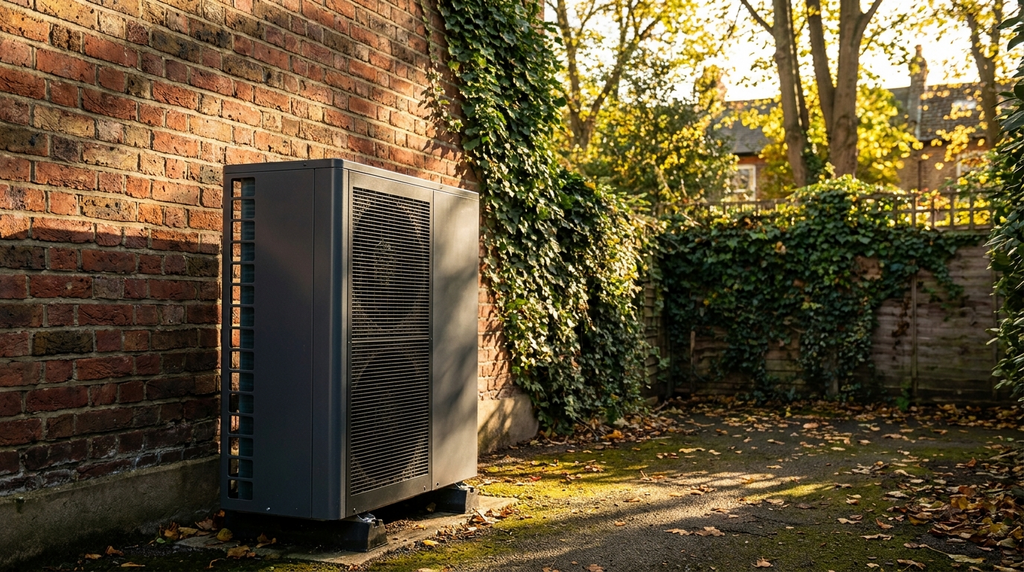
Air source heat pumps work brilliantly in London’s milder climate, they don’t have to work nearly as hard as in northern England or Scotland. A typical installation costs £10,000 to £15,000 before any grants. With the Boiler Upgrade Scheme offering £7,500 off, your net cost can come down significantly. Ground source heat pumps are less common in urban London due to garden space constraints, but they’re worth exploring in outer boroughs with larger plots.
Loft Insulation
One of the easiest and cheapest wins available. A standard loft insulation top-up costs £300 to £600 for most London properties and can save £150 to £300 per year on heating bills. Many properties in inner London have either no loft insulation or thin, outdated insulation that’s lost its effectiveness.
Wall Insulation
Cavity wall insulation (for post-1920s homes) costs around £800 to £1,500 and saves £150 to £300 annually. Solid wall insulation, needed for London’s vast stock of Victorian terraces, costs significantly more, between £8,000 and £20,000, but can save £400 to £600 per year. External wall insulation is particularly well-suited to London’s relatively dry climate.
Double and Triple Glazing
Replacing single-glazed sash windows, common across inner London, with double glazing costs £400 to £700 per window. A full house upgrade might run £5,000 to £12,000. Annual savings of £150 to £250 are typical, though the comfort improvement is often just as valuable as the bill savings.
EV Charging Points
Home EV chargers cost £800 to £1,200 installed. With London’s ULEZ zone and the city’s push toward electric vehicles, this is becoming an increasingly popular addition, particularly in outer boroughs where residents rely more on personal cars.
Battery Storage
Pair a battery system with solar panels and you can store daytime generation for evening use. A typical home battery costs £3,000 to £5,000 installed. Particularly valuable in London given higher electricity prices and the density of solar installations across the county.
Typical Costs, Savings and Payback Periods Across London Property Types
| Improvement | Terraced | Semi-Detached | Flat | Detached | Est. Annual Saving | Payback Period |
|---|---|---|---|---|---|---|
| Loft Insulation | £300–£500 | £400–£600 | N/A | £500–£700 | £150–£300 | 2–4 years |
| Cavity Wall Insulation | £800–£1,200 | £900–£1,400 | £600–£1,000 | £1,200–£1,800 | £150–£300 | 4–7 years |
| Solid Wall Insulation | £9,000–£14,000 | £11,000–£17,000 | £6,000–£10,000 | £14,000–£22,000 | £400–£600 | 20–30 years |
| Solar Panels (4kW) | £7,000–£8,500 | £7,000–£9,000 | Complex | £8,000–£10,000 | £500–£800 | 9–13 years |
| Air Source Heat Pump | £10,000–£14,000 | £10,000–£15,000 | £8,000–£12,000 | £12,000–£17,000 | £300–£700 | 10–18 years |
| Double Glazing (full home) | £5,000–£8,000 | £6,000–£10,000 | £3,000–£6,000 | £8,000–£14,000 | £150–£250 | 25–35 years |
Note on London costs, Labour costs across Greater London run 15 to 25% higher than the national average. Parking permits for installer vehicles, access challenges in dense urban streets, and conservation area requirements all add to installation costs. Always factor this in when comparing quotes from national price guides.
Grants and Funding Available to Greater London Homeowners in 2026
The good news is that there’s more funding available than most people realise. The tricky part is knowing what you’re eligible for.
The Boiler Upgrade Scheme
The BUS provides a £7,500 grant toward an air source heat pump, or £7,500 toward a ground source heat pump. It’s available to homeowners across all 31 London boroughs. Your installer applies on your behalf, you just need to have a valid EPC with no outstanding recommendations for loft or cavity wall insulation first.
ECO4
The Energy Company Obligation scheme (ECO4) targets lower-income households and those in the least efficient homes. If you receive qualifying benefits, Universal Credit, Pension Credit, or similar, and your home is EPC Band D or below, you may be eligible for free or heavily subsidised insulation, glazing, or even a heat pump. Boroughs like Newham, Hackney, Tower Hamlets, Waltham Forest, and Barking have high concentrations of eligible households.
Great British Insulation Scheme
The GBIS is broader than ECO4 and doesn’t require you to be on benefits. Households in EPC Band D to G in the lower council tax bands may qualify for subsidised insulation. Given that the London average sits at Band D, a significant number of homeowners across the county are potentially eligible. Check via your energy supplier or the government’s Simple Energy Advice service.
London-Specific Programmes
The Greater London Authority runs its own Warmer Homes programme, which provides additional funding and support for energy efficiency improvements, particularly targeting fuel poverty. Several London boroughs also run their own schemes on top of national funding. Lambeth, Lewisham, Southwark, Hackney, and Camden have all historically offered borough-level energy efficiency grants and interest-free loans for home improvements. It’s always worth checking your specific borough council’s website for current offers.
Smart Export Guarantee
Not a grant, but worth mentioning, once your solar panels are installed, the SEG pays you for every unit of electricity you export back to the grid. Rates vary by supplier but typically sit at 4p to 15p per kWh. Over a year, that can add up to £100 to £250 in additional income on top of your bill savings.
Planning Permission and Conservation Areas Across London Boroughs
This is where London gets genuinely complicated, and it’s something you really need to understand before spending any money.
Conservation Areas Are Everywhere
Greater London has more conservation areas than any other county in England, over 1,000 of them. Boroughs like Westminster, Kensington, Camden, Islington, Hammersmith, Richmond, and Greenwich have significant portions of their housing stock within conservation areas. In these zones, external changes, including external wall insulation, solar panels on front elevations, and replacement windows, often require planning permission rather than falling under permitted development.
Always check with your borough’s planning department before commissioning any work. Getting this wrong can result in enforcement notices requiring you to remove and reinstate at your own cost.
Listed Buildings
London has thousands of listed buildings, particularly in central boroughs. If your home is listed, you’ll need Listed Building Consent for almost any structural or external change. Internal wall insulation may be possible in some cases, but it requires specialist advice and consent. A heritage-aware installer is essential.
Permitted Development Rights
For homes not in conservation areas and not listed, most standard eco improvements fall under permitted development. Solar panels on rear or side roof slopes, loft insulation, cavity wall insulation, and heat pump installations (subject to noise and siting rules) typically don’t need planning permission. Your installer should confirm this for your specific property.
Which Councils Handle Applications
Each of London’s 32 borough councils handles its own planning applications, there’s no single London-wide planning authority for residential works. Your local planning department is the right first call. The GLA only gets involved in larger developments. Key contacts include Barnet Council, Bexley Council, Bromley Council, Croydon Council, Ealing Council, Enfield Council, and so on, each borough has its own planning portal and pre-application advice service.
How London’s Climate Makes Certain Eco Improvements Particularly Worthwhile
London’s geography and climate genuinely work in your favour for several types of eco upgrade, and it’s worth understanding why before you decide where to invest.
Solar is a Genuinely Excellent Choice Here
With 1,200 to 1,500 sunshine hours per year and some of the best solar irradiance in the UK, London properties generate significantly more solar electricity than homes in Yorkshire, the North West, or Scotland. A 4kW system in Croydon or Bromley will outperform the same system in Leeds by a meaningful margin. If you have a south-facing roof and you’re not in a conservation area, solar panels are one of the best investments you can make.
Heat Pumps Work Well in London’s Mild Winters
Air source heat pumps are most efficient when outdoor temperatures stay above freezing, which is most of the time in London. With 1,200 to 1,500 heating degree days (significantly fewer than northern England), your heat pump runs in ideal conditions for more of the year. That translates to better efficiency ratings and lower running costs.
External Wall Insulation and London’s Dry Climate
London sits in the drier eastern side of the UK, with just 500 to 700mm of rainfall per year. That makes external wall insulation a more viable long-term option than in wetter western cities. The render is less exposed to driving rain, meaning it lasts longer and performs better. For London’s huge stock of solid-wall Victorian terraces, external insulation