Why North Lanarkshire Is a County Worth Taking Seriously for Eco Home Improvements
North Lanarkshire sits in the central belt of Scotland, sandwiched between Glasgow to the west and the Lanarkshire hills to the east. It’s a county shaped by its industrial past, coal mining, steelmaking, and engineering left behind a landscape of solid, well-built housing that’s often decades old and crying out for modern energy improvements.
With around 84,000 residents spread across towns like Cumbernauld and Motherwell, this is a county of close-knit communities where word travels fast and a good installer recommendation is worth its weight in gold. People here are practical. They want to know what something costs, what they’ll save, and whether it’s actually worth it.
The honest answer is that North Lanarkshire homeowners have more to gain from eco improvements than most. Cold Scottish winters, older housing stock, and above-average heating bills mean the payback on insulation, heat pumps, and solar panels is genuinely compelling. Add in Scotland’s generous funding landscape, which goes well beyond what’s available in England, and the case for acting now is strong.
What makes North Lanarkshire different from its neighbours? This is a working county with real housing: terraced rows, semis, and post-war estates. It has neither the scattered farmhouses of a rural area nor the modern new-builds of an affluent suburb. Here, practical, affordable upgrades can make a meaningful difference to household budgets and comfort.
Understanding Energy Performance Across the County
The county average sits at EPC Band D, which puts North Lanarkshire squarely in line with the national average for Scotland. That sounds reassuring until you understand what Band D actually means in practice.
A Band D home typically costs between £1,800 and £2,400 per year to heat and power, depending on property size and occupancy. With average gas usage running at 13,000 kWh per year and electricity at 3,200 kWh per year, that’s a significant chunk of household income, especially for families on fixed budgets.
The picture varies noticeably across the county. Motherwell and its surrounding areas carry a lot of the older housing stock, pre-1960s terraced and semi-detached homes that were built before cavity walls and loft insulation were standard practice. These properties often have solid stone or brick walls, single-glazed or poorly upgraded double-glazed windows, and heating systems that were installed a generation ago.
Cumbernauld tells a different story. Built largely as a new town from the late 1950s onwards, many of its properties are from a slightly more modern era, but “more modern” still means 1960s and 1970s construction, which came with its own set of energy efficiency problems. Cavity walls that were never insulated, poor roof insulation, and electric storage heaters are common finds in Cumbernauld homes.
The bottom line is this, most homes in North Lanarkshire have significant room to improve, and moving from Band D to Band B or C is absolutely achievable with the right combination of measures. That jump typically translates to annual savings of £600 to £1,200 depending on your starting point and what you install.
The Full Range of Eco Home Services Available to North Lanarkshire Residents
If you’re in a terraced house in Motherwell or a semi in Cumbernauld, there’s a full menu of eco home improvements available to you. Here’s a practical overview of what’s on offer and what each one involves.
Solar Panels
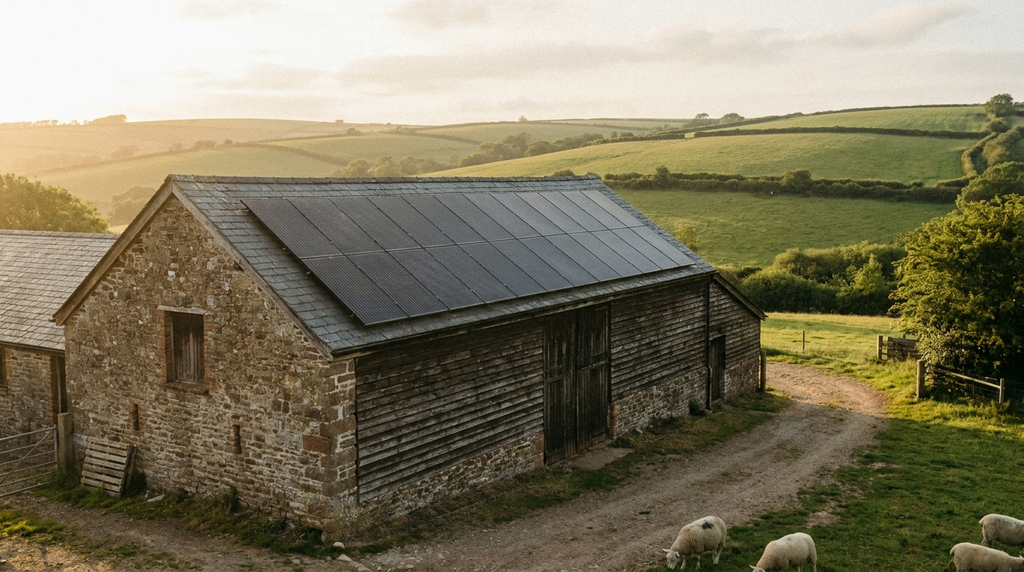
Solar PV systems generate electricity from daylight, and yes, they do work in Scotland. North Lanarkshire gets around 850 to 1,000 sunshine hours per year, which is lower than the south of England but still enough to make solar a worthwhile investment. A typical 4kWp system on a south-facing roof will generate around 3,000 to 3,400 kWh per year.
Pair your panels with a battery storage system and you can use more of what you generate rather than exporting it to the grid. Typical installed costs for solar PV in North Lanarkshire run from £6,000 to £9,000 for a 4kWp system, with annual savings of £400 to £650 depending on your usage habits.
Heat Pumps
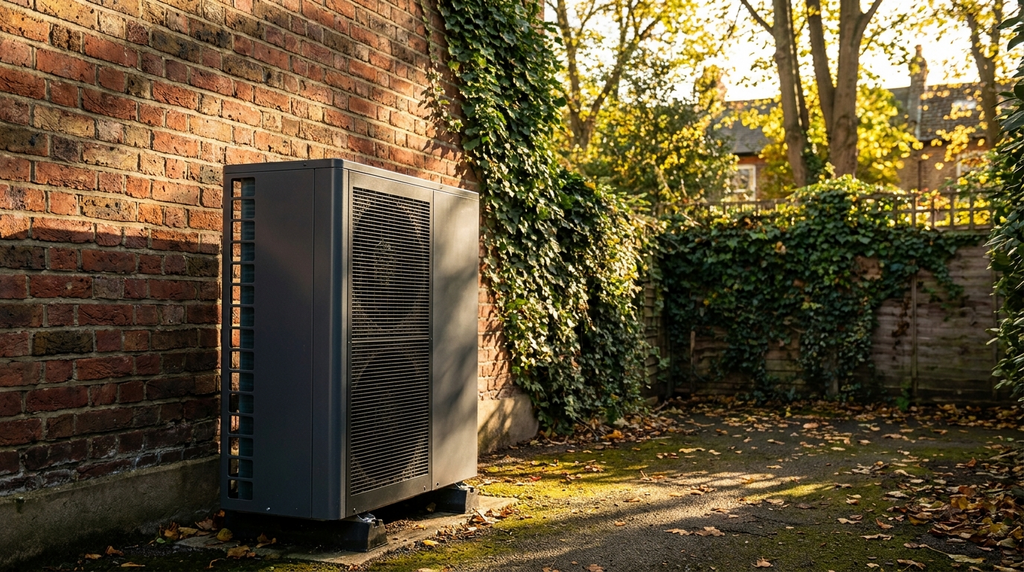
Air source heat pumps are increasingly popular across Scotland, and North Lanarkshire is no exception. A heat pump extracts heat from outdoor air and uses it to warm your home, even when temperatures drop below zero. They’re particularly effective when paired with underfloor heating or upgraded radiators.
For the cold winters this county experiences, a well-specified heat pump with a good coefficient of performance (COP) of 2.5 to 3.5 will significantly cut your heating bills compared to an aging gas boiler. Installed costs typically run from £8,000 to £14,000, but the Boiler Upgrade Scheme grant brings this down considerably (more on that below).
Insulation
This is where the biggest bang for your buck often lives. Cavity wall insulation, loft insulation, and solid wall insulation address the root cause of heat loss before it happens. In a typical North Lanarkshire semi-detached home, poor insulation can account for 35 to 45% of total heat loss.
Loft insulation is the simplest and cheapest fix, often costing £300 to £600 and saving £200 to £300 per year. Cavity wall insulation runs from £500 to £900 for a typical semi. Solid wall insulation, relevant for older Motherwell properties, is more expensive at £8,000 to £16,000 but delivers the most dramatic results.
Double and Triple Glazing
Upgrading from single glazing or poor-quality double glazing is one of the most noticeable improvements you can make, both for warmth and noise reduction. Triple glazing is increasingly recommended for Scotland’s climate. Expect to pay £4,000 to £8,000 for a full house glazing upgrade on a typical semi-detached property.
Energy Efficiency Upgrades
Smart thermostats, LED lighting, heat recovery ventilation, and hot water cylinder insulation all contribute to a more efficient home. These are often lower-cost measures that can be tackled one at a time. A smart thermostat alone can save £100 to £150 per year for around £150 to £250 installed.
Comparing Costs and Savings for Common Eco Improvements
Here’s a practical comparison table so you can weigh up the numbers for the most common property types in North Lanarkshire.
| Improvement | Semi-Detached, Typical Cost | Terraced, Typical Cost | Estimated Annual Saving | Approximate Payback Period |
|---|---|---|---|---|
| Loft Insulation | £400 – £600 | £300 – £500 | £200 – £300 | 2 – 3 years |
| Cavity Wall Insulation | £600 – £900 | £500 – £800 | £150 – £250 | 3 – 5 years |
| External Solid Wall Insulation | £10,000 – £16,000 | £8,000 – £13,000 | £400 – £600 | 18 – 28 years |
| Solar PV (4kWp) | £7,000 – £9,000 | £6,500 – £8,500 | £400 – £650 | 12 – 18 years |
| Solar PV + Battery Storage | £11,000 – £14,000 | £10,000 – £13,000 | £600 – £900 | 13 – 18 years |
| Air Source Heat Pump | £9,000 – £14,000 | £8,000 – £12,000 | £300 – £600 | 15 – 25 years (pre-grant) |
| Double to Triple Glazing | £5,000 – £8,000 | £4,000 – £6,500 | £100 – £200 | 25 – 40 years |
| Smart Thermostat | £150 – £250 | £150 – £250 | £100 – £150 | 1 – 2 years |
Important note on grants, the figures above are pre-grant costs. With available funding (detailed below), the real cost to you can be dramatically lower, and payback periods shrink accordingly.
Grants and Funding Available to North Lanarkshire Homeowners in 2026
This is where living in Scotland genuinely pays off. North Lanarkshire residents have access to a broader and more generous set of funding options than homeowners in most parts of the UK. Here’s what’s available right now.
Home Energy Scotland, Free Advice and Interest-Free Loans
Home Energy Scotland is funded by the Scottish Government and offers free, impartial energy advice for every household in the country. More practically, they administer interest-free loans of up to £15,000 for energy improvements including insulation, heat pumps, solar panels, and glazing upgrades.
There’s no income threshold for the loan, it’s available to all homeowners. You repay it over time, but with zero interest, which makes a real difference to the total cost of improvement. Ring them on 0808 808 2282 or visit their website to get started.
Warmer Homes Scotland
For households on qualifying benefits or low incomes, Warmer Homes Scotland provides free energy efficiency improvements, meaning you don’t pay a penny. This can cover insulation, heating upgrades, draught-proofing, and in some cases heat pump installation.
Eligibility is based on income, benefits received, and property energy rating. If your household receives Universal Credit, Pension Credit, or certain disability benefits and your home is below EPC Band D, you’re likely to qualify. This is worth checking before you spend anything at all.
ECO4, Energy Company Obligation
ECO4 is a UK-wide scheme requiring energy suppliers to fund improvements in lower-income and lower-rated homes. In North Lanarkshire, this can mean fully or heavily subsidised insulation and heating upgrades for eligible households.
Eligibility typically involves being on means-tested benefits and living in a property rated EPC Band D or below. Given that the county average is Band D, a large proportion of residents could qualify. Your energy supplier is the first point of contact, or speak to a local installer who can carry out an eligibility check.
Boiler Upgrade Scheme
The Boiler Upgrade Scheme (BUS) provides a £7,500 grant towards the cost of an air source heat pump, and £7,500 for a ground source heat pump. This is available across Great Britain including North Lanarkshire and significantly reduces the upfront cost of switching away from gas.
The grant is claimed by your MCS-certified installer, so you simply pay the net cost. Combined with the Home Energy Scotland interest-free loan for any remaining balance, a heat pump installation becomes much more financially accessible.
Great British Insulation Scheme
The Great British Insulation Scheme (GBIS) targets homes in lower Council Tax bands and those with EPC ratings of Band D or below. It focuses specifically on insulation measures and can provide fully or partially funded cavity wall and loft insulation.
Many North Lanarkshire properties fall into the eligible Council Tax bands, making this worth investigating even if you don’t meet the income thresholds for ECO4.
| Scheme | Who It’s For | Maximum Support | Covers |
|---|---|---|---|
| Home Energy Scotland Loan | All Scottish homeowners | £15,000 interest-free | Most eco improvements |
| Warmer Homes Scotland | Low income or benefits households | Free improvements | Insulation, heating, draught-proofing |
| ECO4 | Benefits recipients, Band D and below | Full or heavy subsidy | Insulation and heating |
| Boiler Upgrade Scheme | All homeowners replacing fossil fuel heating | £7,500 grant | Heat pumps |
| Great British Insulation Scheme | Lower Council Tax bands, Band D and below | Full or partial subsidy | Cavity wall and loft insulation |
Planning Permission and Local Authority Considerations in North Lanarkshire
North Lanarkshire Council is the single local authority covering the whole county, which makes things simpler than in areas split between multiple councils. All planning applications, building warrants, and permitted development queries go through North Lanarkshire Council’s planning department.
The good news is that most standard eco home improvements fall under permitted development rights in Scotland, meaning you don’t need full planning permission. Solar panels on a roof that isn’t facing a public road, cavity wall insulation, and loft insulation are all typically permitted development for standard residential properties.
However, there are important exceptions worth knowing about. Listed buildings, and North Lanarkshire has a number of them, particularly in older parts of Motherwell and some historic town centres, require listed building consent before almost any structural alteration, including insulation and glazing changes. Always check your property’s listed status before commissioning