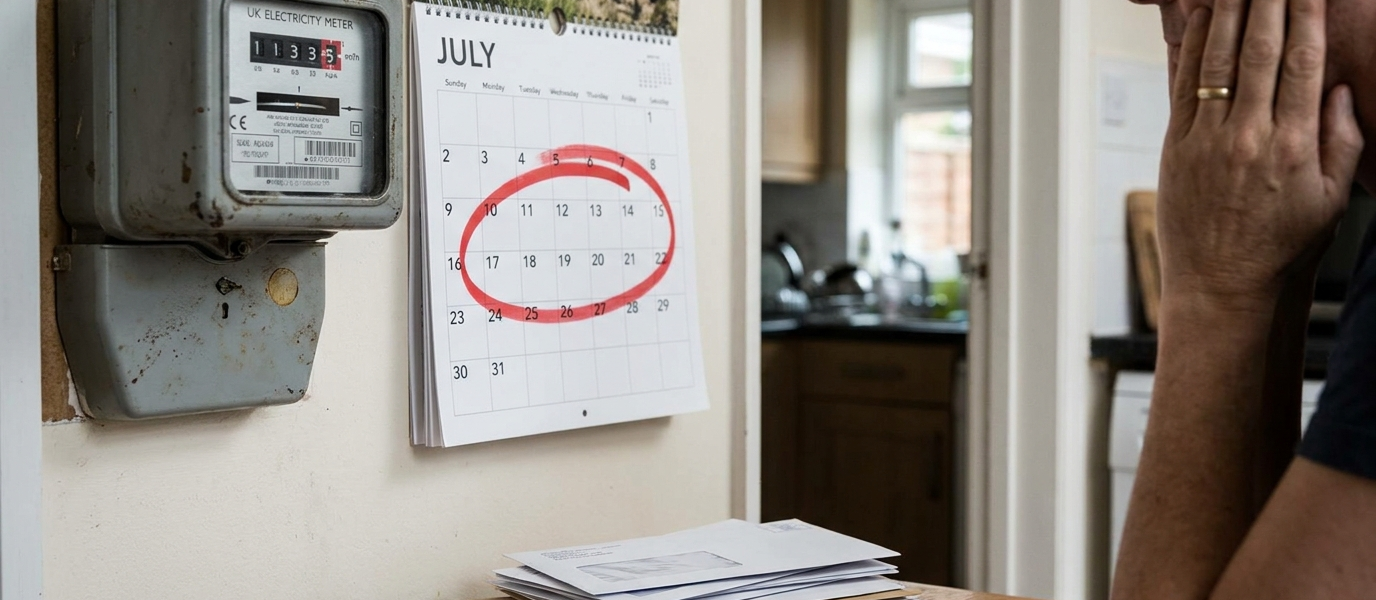
The price cap will rise by 12% on 1 July, the second increase this year, and the largest single jump since the energy crisis of 2022. The End Fuel Poverty Coalition released the figure last week, as reported by End Fuel Poverty Coalition. For a household using typical consumption, 12,000 kWh of gas and 3,000 kWh of electricity a year, this means roughly £180 extra annually. That is not a rounding error. That is a fortnight’s shopping for a family of four.
Who qualifies, and who doesn’t
The price cap applies to households on standard variable tariffs, which covers about 80% of UK homes. Those on fixed deals will not see the rise until their contract ends. But Ofgem data shows most fixed tariffs are currently priced above the cap, so switching now may not help. The increase is driven by wholesale gas costs, which have risen 15% since March, and network charges that Ofgem approved in April. The regulator has not announced any new support schemes for winter 2025–26, beyond the existing Warm Home Discount, which offers £150 to low-income households.
What it costs a typical 3-bed semi
Take a semi-detached house in Manchester with three bedrooms, gas central heating, and single-glazed windows. Its annual bill will rise from about £1,560 to £1,740 from July. That is before any increase in standing charges, which are set to rise by 3% in the same period. The Energy Saving Trust calculates that a 3-bed semi loses 35% of its heat through uninsulated walls and another 20% through the roof. Loft insulation to 270mm costs around £500 to install and can save £200–£300 a year. Cavity wall insulation costs about £1,500 and saves £250–£400 annually. Both pay back within three to five years.
How solar and heat pumps stack up
The Boiler Upgrade Scheme offers grants of £7,500 for an air-source heat pump, which can cut heating bills by 30–50% compared with a gas boiler, depending on the property’s insulation. Solar panels with a 5 kW system cost about £7,000–£9,000 installed. Under the Smart Export Guarantee, you get paid for surplus electricity at around 5p per kWh. A typical 3-bed semi can save £400–£600 a year on electricity bills. Battery storage adds roughly £2,000 but allows you to use solar power in the evening, doubling the savings. The catch: both technologies work best in well-insulated homes. Without loft and wall insulation, the payback period for a heat pump can stretch to 15 years or more.
What the government isn’t saying
But the rise raises a deeper question. The government’s Net Zero strategy assumes 600,000 heat pump installations per year by 2028. The current rate is about 50,000. Ministers have not announced any new funding for the Boiler Upgrade Scheme beyond 2028. The Energy Security and Net Zero Committee warned in March that the UK is “significantly off track” on home insulation. The Great British Insulation Scheme, launched in 2023, has reached only 150,000 homes, far below the target of 300,000. Without a step change in support, the July price rise will push more households into fuel poverty, not into low-carbon upgrades.
What to do now
Households on standard variable tariffs should check their eligibility for the Warm Home Discount through their energy supplier. Applications open in September. For those considering upgrades, the Energy Saving Trust recommends starting with a free home energy audit from your local council or a certified assessor. The Great British Insulation Scheme closed on 31 March 2026. It funded insulation measures only and never covered windows or glazing. Heat pump grants under the Boiler Upgrade Scheme run until 2028. Act before winter: the payback on insulation is faster than waiting for the next price cap review in October.
Frequently Asked Questions
Energy bills will rise by 12% from 1 July 2025 due to the price cap increase. For a typical household using 12,000 kWh of gas and 3,000 kWh of electricity annually, this adds roughly £180 per year, taking the average bill from about £1,560 to £1,740.
The price cap rise applies to households on standard variable tariffs, which covers around 80% of UK homes. Those on fixed deals won't see the increase until their contract ends, but most fixed tariffs are currently priced above the cap, so switching may not help.
The Boiler Upgrade Scheme offers grants of £7,500 for an air-source heat pump installation. This can cut heating bills by 30–50% compared to a gas boiler, though savings depend on your property's insulation levels.
A 5 kW solar panel system costs about £7,000–£9,000 installed. A typical 3-bed semi can save £400–£600 annually on electricity bills, plus earn around 5p per kWh for surplus electricity under the Smart Export Guarantee. Adding battery storage for £2,000 can double savings by storing power for evening use.
Yes, loft insulation to 270mm costs around £500 and saves £200–£300 annually, while cavity wall insulation costs about £1,500 and saves £250–£400 per year. Both pay back within three to five years, and for a 3-bed semi losing 35% of heat through uninsulated walls, it's a cost-effective way to reduce bills.


