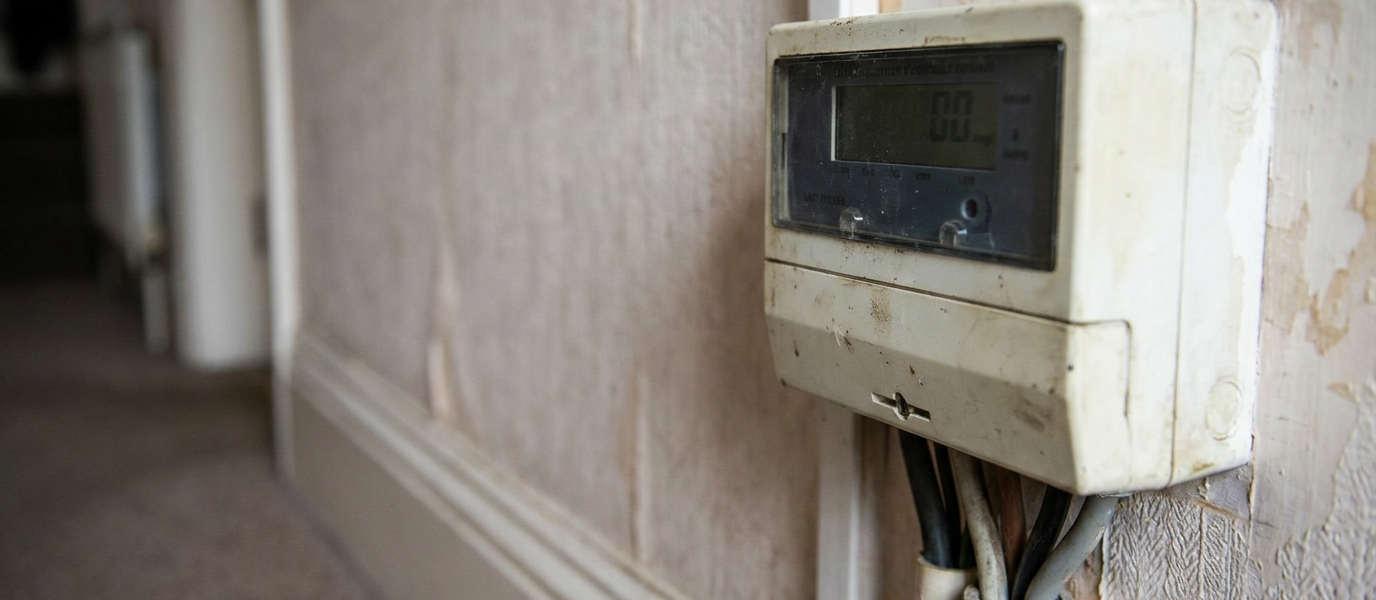
The energy price cap will rise to £1,849 per year for a typical dual-fuel household from 1 April 2026, an increase of £63 from the previous quarter. That is the headline figure from Ofgem’s latest quarterly review, published on 31 March 2026. The cap, which limits the unit rate and standing charge suppliers can levy on standard variable tariffs, now stands at its highest level since the start of 2025.
How the cap works and who it affects
The cap applies to households on default or standard variable tariffs, roughly 28 million homes in England, Wales, and Scotland. It does not cap the total bill: if you use more energy, you pay more. As RenewableUK explains, the cap is calculated using wholesale energy costs, network charges, operating costs, and policy costs, all adjusted quarterly. The current rise is driven by higher wholesale gas and electricity prices over the winter, plus increased network charges.
Which.co.uk notes that the cap was introduced in 2019 to prevent suppliers from overcharging loyal customers. But the catch is that it also discourages switching: many households on the cap are paying more than they would on the best fixed deals.
What it costs a typical 3-bed semi
For a typical 3-bed semi-detached house using 12,000 kWh of gas and 2,900 kWh of electricity per year, the cap means an annual bill of £1,849. That works out at about £154 per month. But the real cost depends on your home’s energy efficiency. A home with an EPC rating of D or E will use 20-30% more energy than one rated C or above, pushing the actual bill closer to £2,200-£2,400 a year.
Network charges alone account for roughly £300 of that annual bill, about £25 a month. Policy costs, which fund renewable subsidies and social programmes, add another £160. Both are baked into the cap and rise with inflation.
How to cut your bills below the cap
The cap is a ceiling, not a target. Homeowners can reduce their energy use, and their bills, by upgrading insulation, installing solar panels, or switching to a heat pump. The Boiler Upgrade Scheme offers £7,500 off the cost of an air source heat pump. The ECO4 scheme provides free or heavily subsidised insulation for low-income households. And the Home Upgrade Grant 2 (HUG2) covers off-gas-grid homes in England.
Improving your EPC rating from D to C can cut annual heating costs by £300-£500, according to industry estimates. Solar panels on a typical 3-bed semi can save £200-£400 a year on electricity, depending on orientation and usage. The payback period is now under 10 years for many installations, thanks to falling panel prices and the Smart Export Guarantee.
What the cap means for your EPC rating
The cap itself does not directly affect EPC ratings. But the cost of energy is a key input to the Standard Assessment Procedure (SAP) used to calculate EPC scores. Higher energy prices mean that any efficiency upgrade, loft insulation, cavity wall insulation, double glazing, delivers a bigger financial saving, which improves the EPC rating more than it would in a low-price environment.
For landlords, the Minimum Energy Efficiency Standards (MEES) require an EPC rating of E or above for new tenancies, rising to C by 2028. The cap’s level reinforces the case for early investment: the cost of upgrading a D-rated property to C is typically £5,000-£10,000, but it can add £1,000-£2,000 to the property’s value and avoid fines of up to £30,000.
Next steps for homeowners
The April 2026 cap is set for three months. Ofgem will announce the July cap in late May. If wholesale prices fall, the cap could drop. But the direction of travel is clear: energy is unlikely to return to pre-2021 levels. The smart move is to reduce your dependence on the grid.
- Check your EPC rating at gov.uk/find-energy-certificate.
- Apply for the Boiler Upgrade Scheme via gov.uk, grants are first-come, first-served.
- Contact your local authority about ECO4 or HUG2 funding if your household income is below £31,000.
- Compare fixed energy tariffs on a comparison site, you may save £100-£200 a year versus the cap.
Households on standard variable tariffs can switch supplier at any time. The cap is a safety net, not a strategy. Use it as a baseline, then build from there.
Frequently Asked Questions
Yes, the cap limits both the standing charge (a fixed daily amount) and the unit rate per kWh. For April 2026, the typical standing charge is about 60p per day for electricity and 30p per day for gas.
Yes, you can switch at any time. Fixed deals often offer lower rates than the cap, especially if you lock in during a period of falling wholesale prices. Use a comparison site to check current offers.
Yes, a better EPC rating means your home uses less energy for heating and electricity. Improving from D to C typically saves £300-£500 per year on bills, and grants like ECO4 and Boiler Upgrade Scheme can help cover the cost of upgrades.




