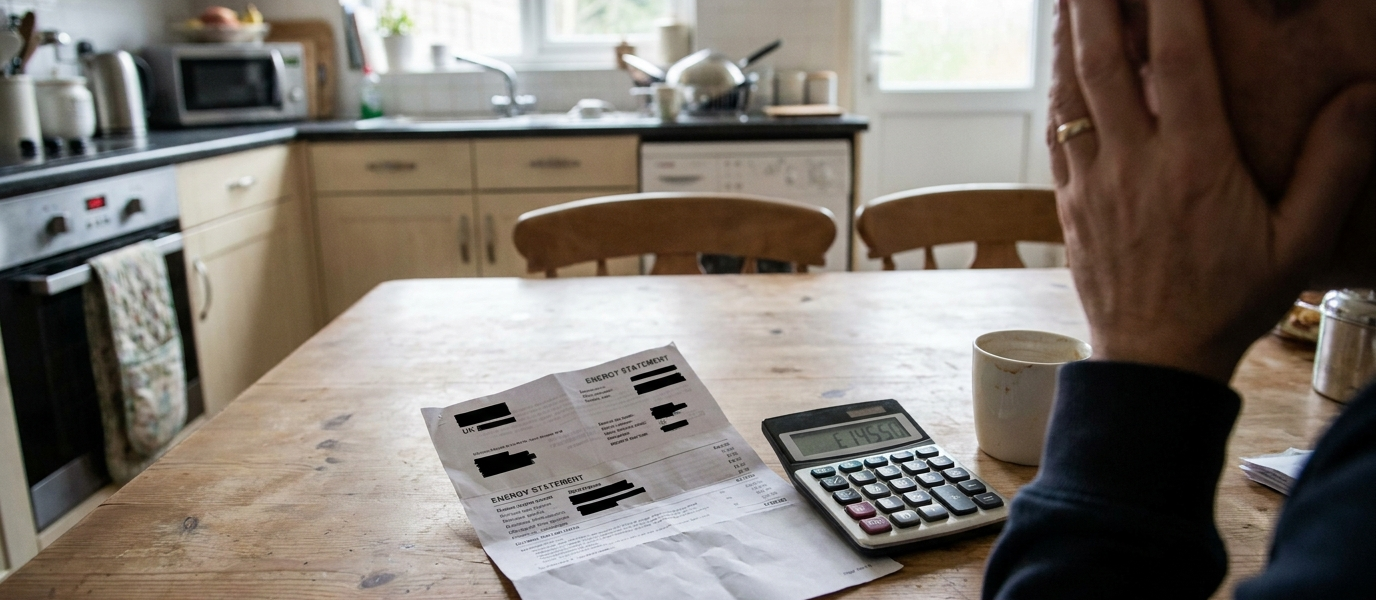
Ofgem will raise the energy price cap by £202 in October, the third increase this year. A typical household on direct debit will now pay £1,971 annually, up from £1,769. The rise, driven by wholesale gas costs and network charges, adds £16.83 a month to the average bill. For the 29 million homes on standard variable tariffs, this is not a forecast; it is a confirmed charge as reported by GB News.
Who pays, and who doesn’t
The cap applies to standard variable tariffs. Fixed-rate customers are protected until their deal ends. But Ofgem data shows 60% of households are on variable tariffs, meaning roughly 17 million homes will see the £202 hit. Prepayment meter customers pay slightly less, £1,969, but still face the same percentage rise. The cap is adjusted quarterly, so this October figure is locked until January, when another review could cut it if wholesale prices fall.
Yet the headline misses a key detail: the cap is a ceiling, not a target. Suppliers can charge less. In practice, most charge at or near the cap, so the £202 increase is the working assumption for budgeting. The catch is that the cap does not cover standing charges, which have risen 12% since last year, an extra £27 a year for the average home.
What it costs a typical 3-bed semi
Energy Saving Trust figures show a typical 3-bed semi uses 12,000 kWh of gas and 2,900 kWh of electricity annually. At the new cap, that household pays £1,971, up from £1,769. But actual bills vary by region. In London, the cap is £1,948; in the North West, £2,001. The difference comes from distribution network costs, which Ofgem sets regionally.
For a 2-bed flat using 8,000 kWh gas and 1,800 kWh electricity, the bill rises to roughly £1,280. For a large detached home using 18,000 kWh gas and 4,000 kWh electricity, the cap means £2,850. The £202 increase is the same absolute figure for all typical profiles, but the percentage impact is larger for low-use homes.
How to offset the £202, and more
The cheapest fix is insulation. Loft insulation (270 mm) costs £300-£400 for a typical semi and saves £180-£220 a year. Cavity wall insulation costs £500-£700 and saves £240-£320. Together, they cover the £202 rise and then some. Draught-proofing, simple strips around doors and windows, costs £100-£200 and saves £60-£80 a year.
For bigger savings, solar panels and heat pumps offer long-term returns. A 4 kW solar system costs £5,000-£6,000 and can cut electricity bills by £300-£400 a year. The Boiler Upgrade Scheme gives £7,500 towards a heat pump, but the total installation is typically £12,000-£15,000. Payback periods range from 7 to 12 years, depending on your current heating system and tariff.
Grants help but have limits. The ECO+ scheme funds insulation for low-income households, but eligibility is tight. The Great British Insulation Scheme closed on 31 March 2026. It funded insulation measures only and never covered windows or glazing. Ofgem’s own data shows only 1.2 million homes received ECO-funded measures last year, a fraction of the 29 million on variable tariffs.
The real question is whether the government will do more. The price cap rise comes as the energy transition stalls. Heat pump installations are 40% below the government’s 600,000-a-year target. Insulation rates have fallen 80% since 2012. Without policy action, the £202 rise is a symptom, not a one-off. Homeowners who act now, insulating, switching to fixed tariffs, or investing in renewables, lock in savings that outlast the cap cycle.
Households on standard variable tariffs should check their EPC rating. If it’s below C, insulation grants may be available through gov.uk. The Boiler Upgrade Scheme opens for applications on 1 November. Eligibility closes on 31 March 2027. For those who can afford the upfront cost, solar panels and heat pumps offer the best hedge against future cap rises.
Frequently Asked Questions
Ofgem's energy price cap will rise by £202, bringing the typical annual bill to £1,971 for a household on direct debit. This adds £16.83 per month, though actual costs vary by region, for example, London's cap is £1,948 while the North West's is £2,001.
No, the cap only applies to standard variable tariffs, which cover about 60% of UK households. If you're on a fixed-rate deal, you're protected until your contract ends. Prepayment meter customers pay slightly less at £1,969 but face the same percentage increase.
However, eligibility is tight and waiting lists can stretch months, only 1.2 million homes received ECO-funded measures last year.
Loft insulation (270mm) costs £300-£400 and saves £180-£220 annually, while cavity wall insulation costs £500-£700 and saves £240-£320. Together, these easily cover the £202 rise. Draught-proofing costs £100-£200 and saves £60-£80 a year.
A 4 kW solar system costs £5,000-£6,000 and can cut electricity bills by £300-£400 per year. With the Boiler Upgrade Scheme's £7,500 grant for heat pumps, payback periods range from 7 to 12 years depending on your current heating system and tariff.



