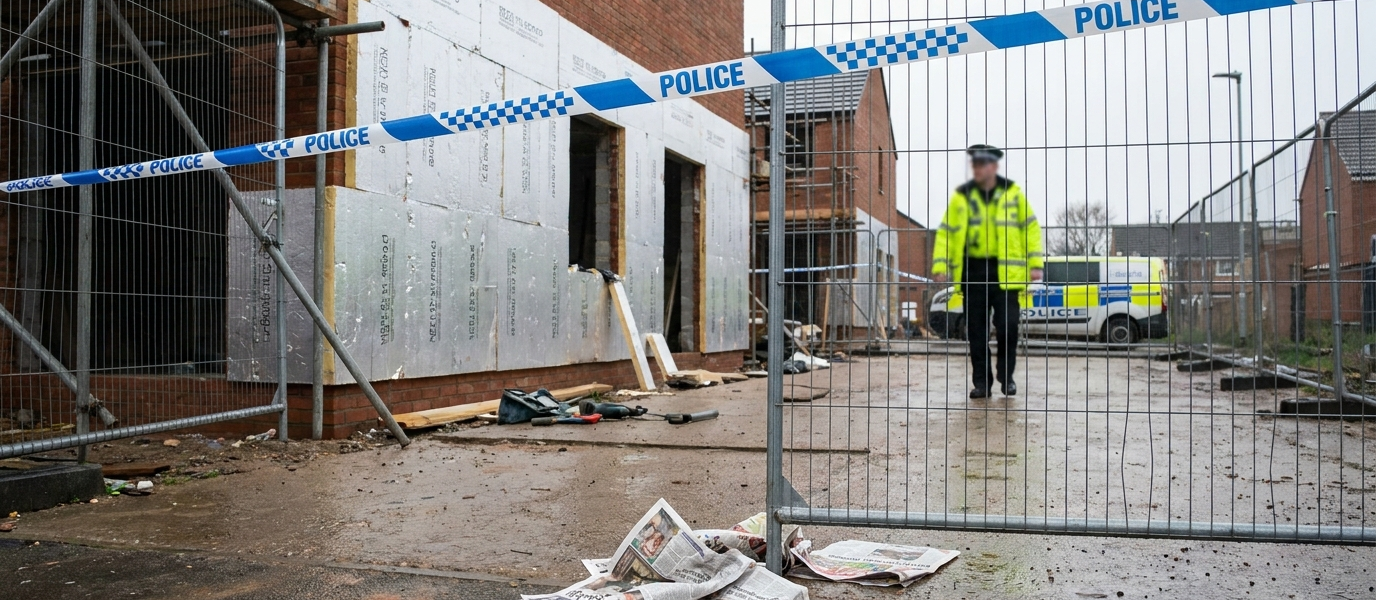
The Serious Fraud Office has arrested four people in connection with alleged fraud in the ECO4 retrofit scheme. That is not a reason to abandon your heat pump application, but it is a reason to check who is fitting it.
As reported by Construction Enquirer, the SFO investigation focuses on companies that may have submitted false claims for energy-efficiency work that was never done or was not up to standard. The arrests follow a wider crackdown on misused public funds across government retrofit programmes.
How the fraud works, and who pays
ECO4 is a government scheme that obliges large energy suppliers to fund insulation, heating upgrades and solar panels for low-income and fuel-poor households. The money comes from a levy on bills, about £20 a year for a typical household, according to Ofgem estimates. When an installer falsely claims work that was not completed, that money is stolen from the public purse.
But the real cost lands on homeowners. A botched installation, an unvented cylinder plumbed wrong, a heat pump undersized for the property, can leave the household colder than before and facing repair bills that the grant does not cover. The Energy Saving Trust recommends always using a TrustMark-registered installer and checking their Microgeneration Certification Scheme (MCS) credentials before any work begins.
What this means for your application
The ECO4 scheme is not suspended. Tens of thousands of legitimate installations happen every year. But the arrests should sharpen your questions when a contractor knocks on your door claiming they can get you a free boiler or loft insulation.
The catch is that some fraudsters operate by offering too-good-to-be-true deals, full cavity wall insulation for zero cost, no questions asked. Legitimate ECO4 installations require a minimum EPC rating improvement and a full property assessment before any work. If the installer does not mention a survey or asks you to sign a blank form, walk away.
You can verify an installer’s ECO4 eligibility through the Ofgem ECO register or by asking your energy supplier for a list of their approved contractors. The government also publishes a list of TrustMark-registered businesses on its website.
What to do if you suspect fraud
If you have already had work done and doubt its quality, or if an installer pressures you into a quick decision, report it to the Citizens Advice consumer service or to Action Fraud. The SFO encourages whistleblowers to come forward through its confidential hotline.
For those still planning an ECO4 application: proceed, but proceed carefully. Get at least two quotes. Ask for a written scope of works that specifies exactly which measures will be installed and at what cost. Never pay a deposit for work that is fully grant-funded, legitimate installers are paid by the energy supplier, not by you.
The four arrests show that the system is being policed. That is good for honest homeowners and honest installers alike. But the best protection is still your own diligence. Check. Then check again.
Frequently Asked Questions
Yes, the ECO4 scheme is still active and not suspended following the arrests. Tens of thousands of legitimate installations take place each year, so you can still apply for a heat pump or insulation through the scheme.
You can verify an installer's eligibility by checking the Ofgem ECO register or asking your energy supplier for a list of approved contractors. Also, ensure they are TrustMark-registered and hold Microgeneration Certification Scheme (MCS) credentials, as recommended by the Energy Saving Trust.
If you doubt the quality of work already done or feel pressured by an installer, report it to Citizens Advice consumer service or Action Fraud. The Serious Fraud Office also has a confidential hotline for whistleblowers to come forward.
No, legitimate ECO4 installations require a full property assessment and a minimum EPC rating improvement before any work begins. If an installer offers a deal without a survey or asks you to sign a blank form, it's likely a scam and you should walk away.
The ECO4 scheme is funded by a levy on energy bills, costing about £20 a year for a typical UK household, according to Ofgem estimates. This money goes towards funding insulation, heating upgrades, and solar panels for low-income and fuel-poor homes.





