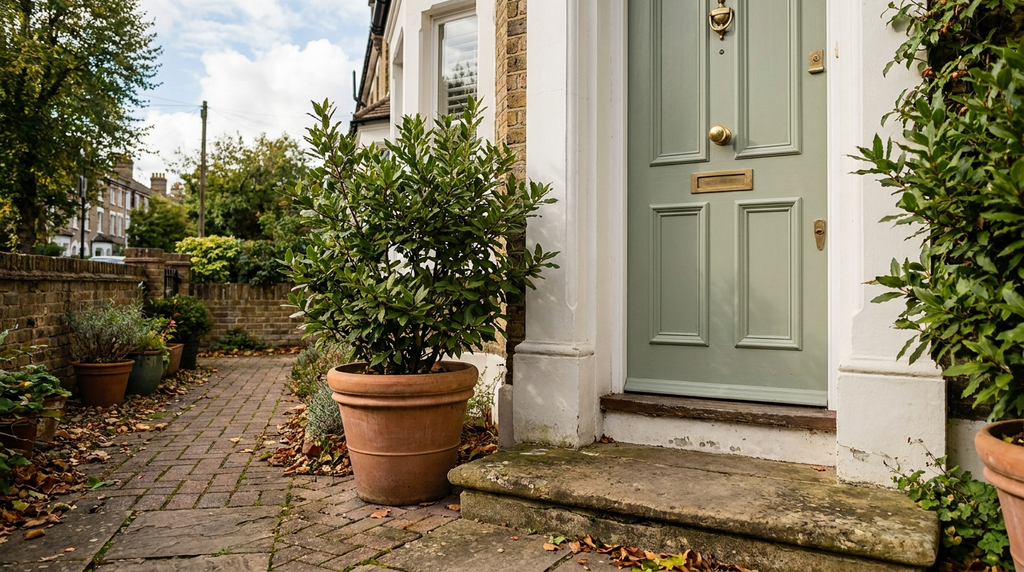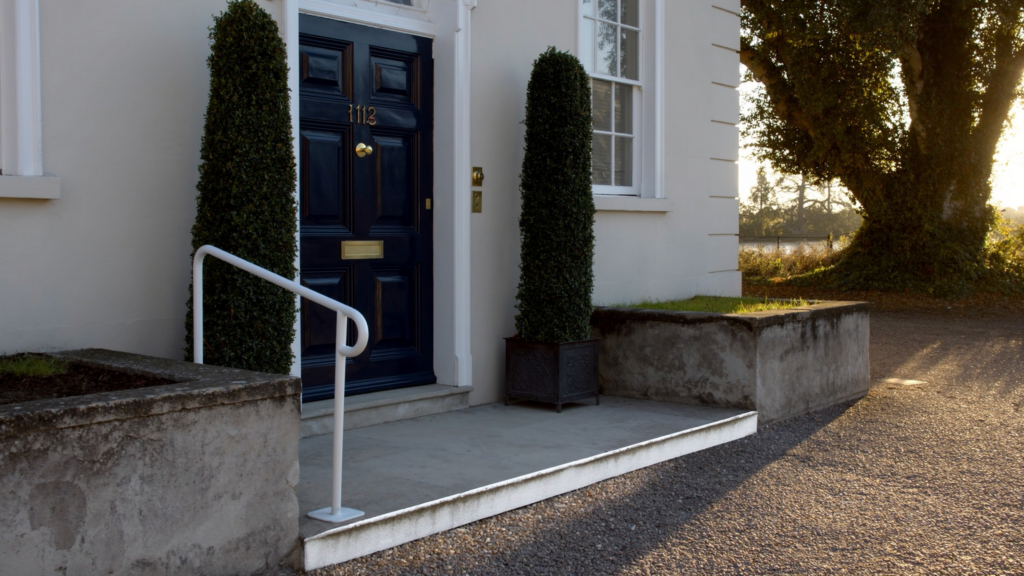
A Georgian front door costs roughly twice as much as a standard composite door but can add over £5,000 to a home’s resale value.
Many homeowners upgrading their front door are drawn to the classic symmetrical look of a Georgian design. The key question is whether the extra cost is justified by the return on investment.
A Georgian front door costs £3,000+ installed, roughly double a standard composite door, but can add over £5,000 to resale value (Nationwide, 2026). Payback is typically 3–7 years when factoring energy savings of £100–£200 per year.
- Average Georgian composite door costs £3,000+ installed (Rated People 2026).
- A Georgian front door can add over £5,000 to resale value (Nationwide 2026).
- Payback period ranges from 3 to 7 years with energy savings.
- Replacing a draughty old door saves £100–£200 per year on energy bills.
- Calculate payback as (cost minus value uplift) divided by annual savings.
- A Georgian front door costs roughly twice as much as a standard composite door but can add over £5,000 to a home's resale value.
- The payback period for a Georgian front door is between 3 and 7 years
- Quick numbers cost, U-value, and warranty for a Georgian front door in 2026
- A Georgian front door is a single, six-panel design, not a pair of doors
- You must check MCS and FENSA certification before buying a Georgian front door
- The cost of a Georgian front door installed in 2026
- The real energy saving from a Georgian front door is £100–£200 per year
Yes, a Georgian-style composite front door costs roughly twice as much as a standard composite door, but it can add over £5,000 to your property’s resale value. That makes it a net gain for many sellers. The average installed cost of a standard composite door is around £1,500, while a Georgian-style composite door typically costs £3,000 or more (Checkatrade, 2026). The premium is for the six-panel design, hardwood or engineered wood core, and heritage-grade finish, not just a paint job.
- Average cost of a standard composite door: £1,500 (Checkatrade, 2026).
- Average cost of a Georgian-style composite door: £3,000+ (Rated People, 2026).
- Resale value uplift from a Georgian front door: £5,000+ (Nationwide Building Society, 2026).
The payback period for a Georgian front door is between 3 and 7 years
You can calculate the payback period by considering both the energy savings and the increase in property value. The payback period for a Georgian front door is typically between 3 and 7 years for most homeowners.
To calculate payback: (total installed cost – resale value uplift) / annual energy saving. For example, a door costs £3,000, adds £2,000 to value, and saves £150 per year. Payback = (£3,000 – £2,000) / £150 = 6.7 years (Energy Saving Trust, 2026). The payback is shorter if you are replacing a very draughty door, as more heat loss means higher savings. Data from the Building Research Establishment (BRE) shows that an old timber door can have a U-value of 3.0 W/m²K or higher, while a modern insulated composite door achieves around 1.2 W/m²K (BRE, 2026).
- Annual energy saving from replacing a single-glazed or old timber door: £100–£200 per year (Energy Saving Trust, 2026).
- Heat loss data: SAP 10.2 U-value tables (DESNZ, 2026).
Quick numbers cost, U-value, and warranty for a Georgian front door in 2026
| Door type | Installed cost range | Typical U-value (W/m²K) | Standard warranty (years) |
|---|---|---|---|
| Timber | £2,000–£4,500 | 1.4–2.0 | 10 |
| Composite | £2,500–£4,000 | 1.0–1.4 | 10–20 |
| uPVC | £1,200–£2,500 | 1.2–1.6 | 10 |
Cost ranges are from industry cost guides (Checkatrade, 2026; Rated People, 2026). U-values are from the British Fenestration Rating Council (BFRC) and Energy Saving Trust (BFRC, 2026). Warranty data is from manufacturers such as Rockdoor, Solidor, and Door-Stop International; the average is 10 years, with some offering 20 years.
A Georgian front door is a single, six-panel design, not a pair of doors
The defining feature of a Georgian front door is the six-panel arrangement: two long horizontal panels at the top and bottom, with four smaller square panels in between. This creates a classic symmetrical proportion that is the hallmark of Georgian architecture (Historic England, 2026).
It is almost always a single door, typically 900mm or 1,000mm wide, not a double door or French doors. The design is symmetrical, with a central fanlight or rectangular glazed panel above the door. This single-door configuration is a key distinction from Victorian or Edwardian styles, which often use double doors or side panels.
You must check MCS and FENSA certification before buying a Georgian front door
Certification ensures your door installation meets legal standards. MCS (Microgeneration Certification Scheme) is only required if the door is part of a heat-pump or solar thermal installation, which is unlikely for a standalone door (MCS, 2026).
FENSA (Fenestration Self-Assessment Scheme) or CERTASS is the key certification for door installation in England and Wales. It proves compliance with Building Regulations. Without FENSA or CERTASS, you may need a separate Building Regulations application, costing £200–£500 (GOV.UK, 2026). Check that your installer is registered with FENSA or CERTASS, and that the door’s U-value meets Part L of the Building Regulations (target: ≤1.4 W/m²K for a replacement door) (GOV.UK, 2026).
The cost of a Georgian front door installed in 2026
The total installed cost varies by material and labour. Here is the breakdown:
- Door: £1,500–£4,000 (Checkatrade, 2026).
- Frame: £300–£800.
- Hardware (hinges, handle, letterbox): £100–£400.
- Installation labour: £400–£1,000 (Rated People, 2026).
Material cost comparison: timber (£2,000–£4,500), composite (£2,500–£4,000), uPVC (£1,200–£2,500). Additional costs include removal of the old door (£100–£200), plastering or painting (£200–£500), and a new door frame if required. Average installation labour is £500–£800 (MyBuilder, 2026).
The real energy saving from a Georgian front door is £100–£200 per year
This saving is specifically for replacing an old, single-glazed or uninsulated timber door with a modern, insulated composite or timber door. The Energy Saving Trust states that a draughty door can lose 15–20% of a home’s heat (Energy Saving Trust, 2026).
The saving is lower if the existing door is already double-glazed or well-insulated, such as a 2000s uPVC door. The best savings come from a door with a U-value of ≤1.2 W/m²K (composite) compared to an old timber door at 3.0+ W/m²K (DESNZ, 2026). For most homes, the annual saving is £100–£200.
Compare front door costs with other home improvements
Frequently Asked Questions
A Georgian-style composite front door costs around £3,000 or more installed, roughly double the £1,500 average for a standard composite door (Checkatrade, 2026).
Yes, a Georgian front door can add over £5,000 to your property's resale value according to Nationwide Building Society (2026), often more than covering the extra cost.
The payback period is typically between 3 and 7 years. Energy Saving Trust (2026) suggests calculating it as (installed cost minus resale uplift) divided by annual energy savings.
You can save £100 to £200 per year by replacing an old timber door with a modern insulated composite door (Energy Saving Trust, 2026).
A modern insulated Georgian composite door achieves a U-value of around 1.2 W/m²K, compared to 3.0 W/m²K for an old timber door (Building Research Establishment, 2026).