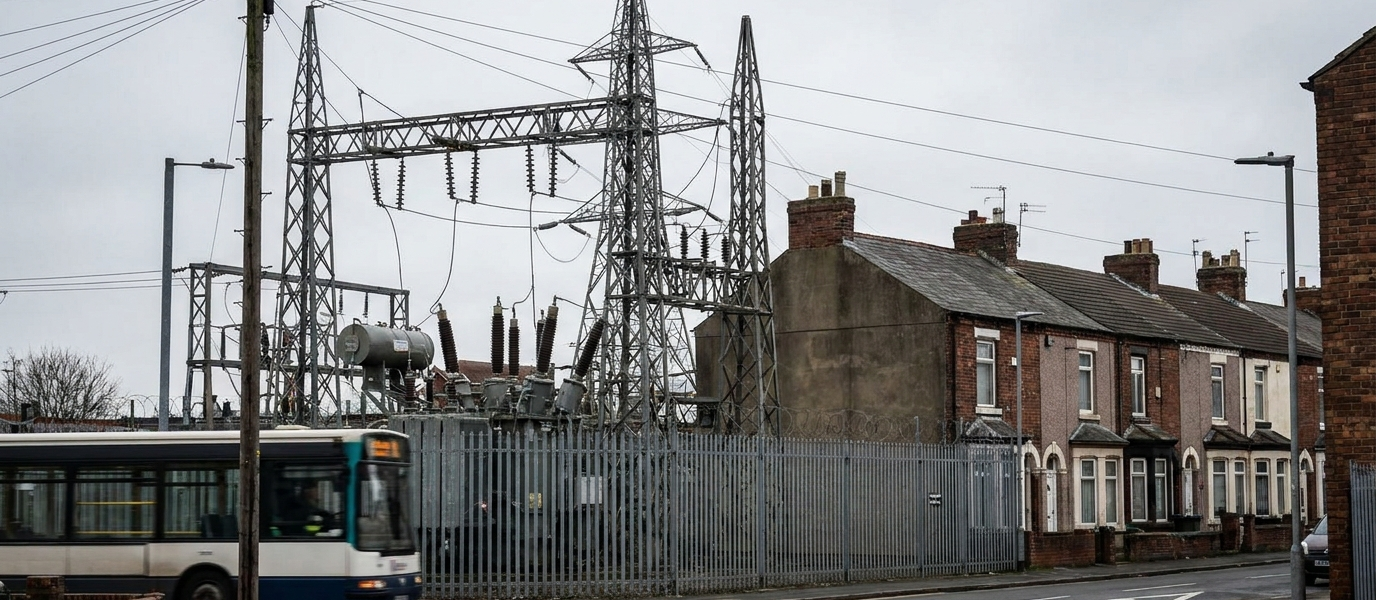
The grid connection queue for battery storage in Britain has hit 400 gigawatts, more than five times the country’s total generation capacity. Ofgem and the Department for Energy Security and Net Zero (DESNZ) issued a joint update last week to address the oversupply of battery energy storage system (BESS) applications clogging the pipeline, as reported by Solar Power Portal. This is an industry problem, and for UK homeowners eyeing solar panels or heat pumps, it directly affects your energy bills and EPC rating.
Why grid delays hurt your pocket
Every solar panel or heat pump installation needs a grid connection agreement from your local distribution network operator (DNO). With the BESS queue swelling, DNOs are overwhelmed, meaning household projects face months of delays. The Energy Saving Trust notes that a typical 4kW solar system can cut a household’s electricity bill by £270 a year. But if you can’t connect, you can’t export surplus power under the Smart Export Guarantee (SEG), losing up to 15p per kWh. That’s roughly £100 a year in lost income for a 3-bed semi. The logjam also stalls heat pump installations, which require grid capacity upgrades for properties with electric heating, adding up to £2,000 to project costs if delayed.
What Ofgem and DESNZ are actually doing
The update proposes a ‘queue management’ system where speculative BESS applications, often for projects with no real chance of being built, are weeded out. Ofgem estimates this could cut connection wait times from 4-5 years to 12-18 months for viable projects. For households, the knock-on effect is faster approvals for domestic-scale connections. But the catch is that DNOs have until 2026 to implement the changes. In the meantime, homeowners in areas with congested grids, parts of the South West and East Anglia, face the longest waits. Ofgem has not yet confirmed how the reforms will prioritise domestic connections over commercial ones.
What you can do now
Check your DNO’s connection queue online, most publish live data. If you’re planning solar or a heat pump, submit your connection application early, even before you buy equipment. This locks in your place and protects against future tariff changes. The government’s Boiler Upgrade Scheme offers £7,500 for heat pumps, but the grant expires if you can’t connect within 12 months. Households on standard variable tariffs can also ask their supplier about time-of-use rates that reward battery storage, some, like Octopus Flux, pay up to 25p per kWh for export. But without a grid connection, those rates are academic.
The grid logjam is a symptom of a bigger problem: Britain’s infrastructure can’t keep pace with the renewable rollout. Ofgem’s update is a step forward, but homeowners need faster action. If you’re in a queue, push your MP and DNO for clarity. The savings, and the EPC boost, depend on it.
Frequently Asked Questions
In the UK, grid connection delays for solar panels and heat pumps can stretch from 4-5 years in congested areas like the South West and East Anglia due to a backlog of battery storage applications. Ofgem's proposed reforms aim to cut this to 12-18 months for viable projects, but changes won't be implemented until 2026. Homeowners should check their local DNO's queue online and submit applications early to secure their place.
Grid delays can cost you up to £100 a year in lost income for a typical 3-bed semi-detached home, as you can't export surplus power under the Smart Export Guarantee (SEG). The SEG pays up to 15p per kWh, and a 4kW solar system could earn around £270 annually in bill savings, but without a connection, you lose both savings and export income. Time-of-use tariffs like Octopus Flux, which pay up to 25p per kWh for export, are also unavailable until your grid connection is approved.
Ofgem and DESNZ have proposed a 'queue management' system to weed out speculative battery storage applications clogging the pipeline, which could cut connection wait times from 4-5 years to 12-18 months. However, distribution network operators (DNOs) have until 2026 to implement these changes, and it's unclear if domestic connections will be prioritised over commercial ones. Homeowners in congested areas should still apply early to avoid further delays.
The Boiler Upgrade Scheme offers £7,500 for heat pump installations, but the grant expires if you can't connect within 12 months due to grid delays. Delays can add up to £2,000 to project costs for grid capacity upgrades in properties with electric heating. To avoid losing the grant, submit your connection application early and push your DNO for clarity on timelines.
Yes, you can install solar panels even with grid delays, but you won't be able to export surplus power under the Smart Export Guarantee (SEG) until your connection is approved. This means you'll miss out on up to 15p per kWh in export payments, potentially losing £100 a year for a typical home. To lock in your place in the queue, submit your connection application early before buying equipment, as this also protects against future tariff changes.




