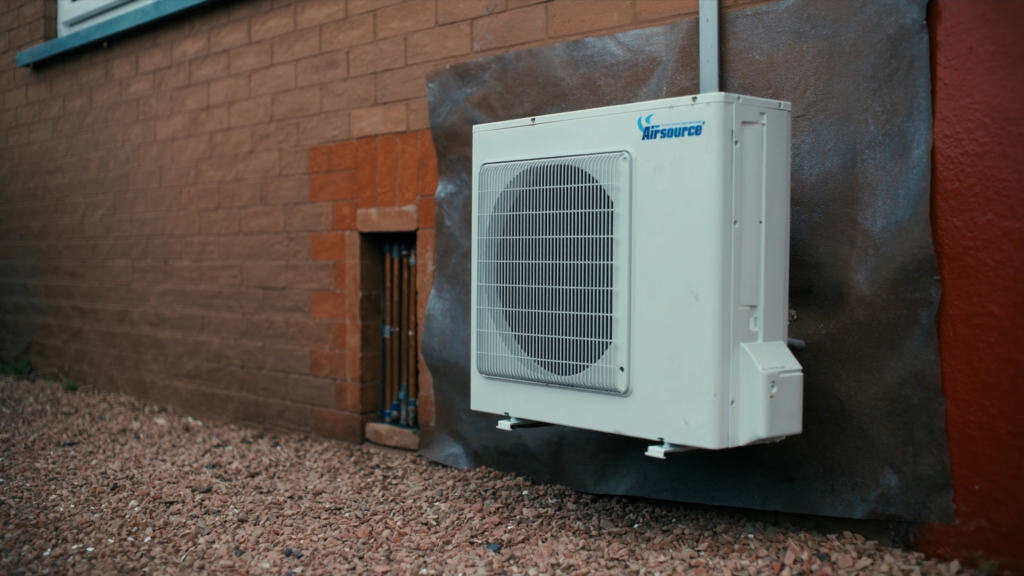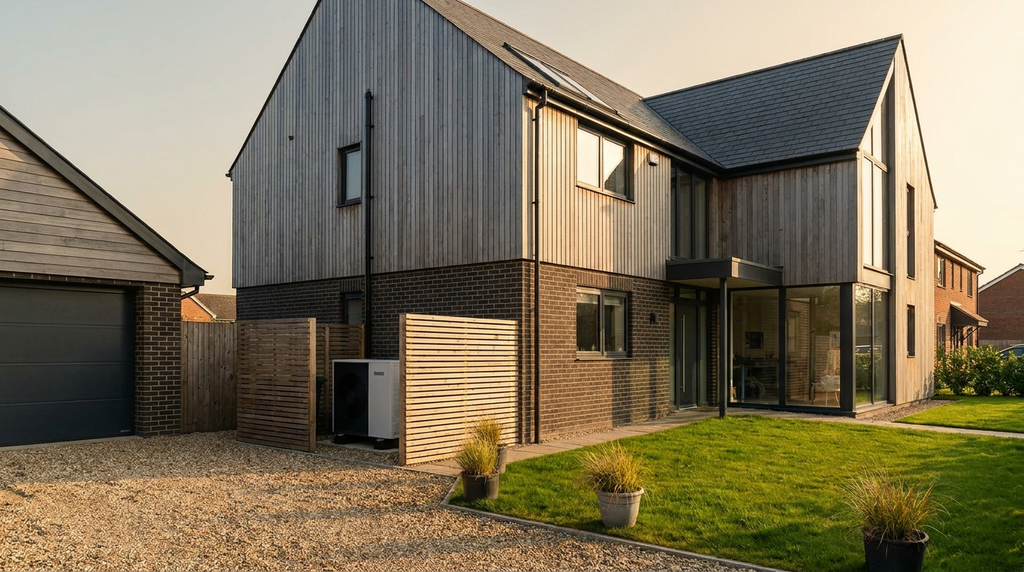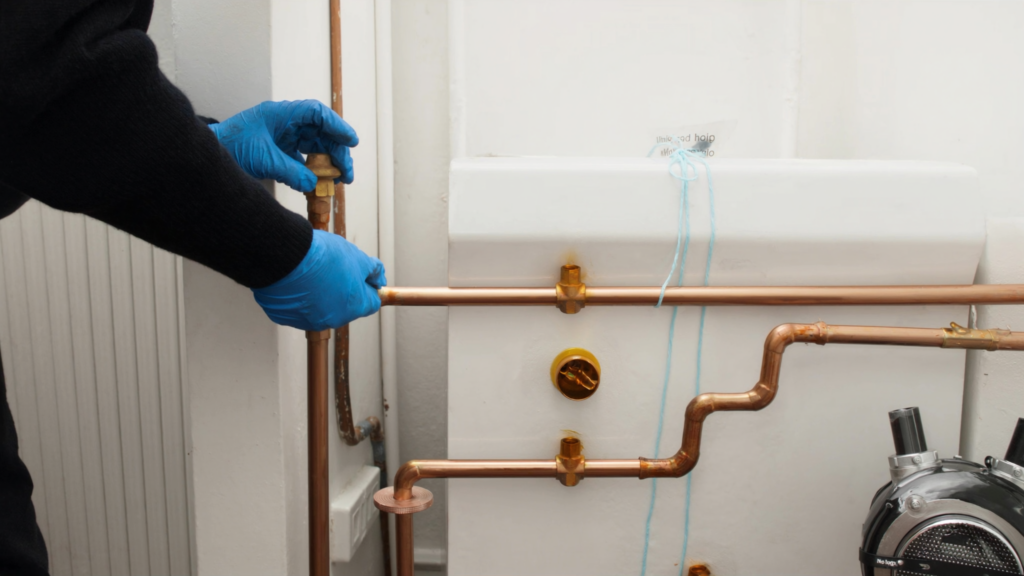
If you are planning to install a heat pump in 2026, you will almost certainly need to submit a DNO application. This is a grid-capacity check, not a planning application, and the process is managed by your installer.
The typical DNO application fee is £0–£150 for a standard connection, but if your local network requires an upgrade, costs can reach £400–£600 (Energy Networks Association, 2026). Most applications are approved without any additional cost, with around 85% of domestic heat pump applications needing no network upgrade in 2025–26 (ENA Heat Pump Connection report, 2026).
What a DNO application is and why it is mandatory for heat pumps in 2026
A DNO application is a formal request to your local Distribution Network Operator. It asks them to check whether the electricity cables and transformers serving your property can safely supply the extra power your heat pump will draw.
It is mandatory under the Electricity Safety, Quality and Continuity Regulations (ESQCR) 2002 for any new load over 16 amps per phase (legislation.gov.uk, 2002). Most domestic heat pumps, typically rated between 3 kW and 12 kW, exceed this threshold. The DNO must approve the connection before your installer can commission the system.
This application is not a planning permission or a building regulation sign-off. It is purely a grid-capacity check to ensure your heat pump does not cause voltage drops or overload local cables.
Quick numbers DNO application timeline, cost, and approval rates for 2026
| Item | Typical value |
|---|---|
| Average DNO application fee (standard) | £0–£150 |
| Average cost if network upgrade required | £400–£600 |
| Typical approval time (standard) | 2–6 weeks |
| Typical approval time (if upgrade needed) | 6–12 weeks |
| Percentage approved without upgrade (2025–26 data) | ~85% |
| Source for costs | Each DNO’s published connection charging statement (e.g., UK Power Networks Statement of Charges 2026) |
| Source for approval rates and timelines | ENA Heat Pump Connection report 2026 |
Costs vary by DNO region. The figures above are typical for England, Scotland, and Wales. Your installer can give you the exact fee for your local DNO.
How to submit a heat pump DNO application in 2026 step-by-step process
Your heat pump installer handles the DNO application as part of the installation process. You do not need to contact the DNO directly.
The installer provides the following to the DNO: your property address, the heat pump’s electrical load in kW or amps, the manufacturer’s datasheet, and a single-line diagram of the proposed connection. The DNO then reviews the application against local network capacity.
If the load is within limits, you receive a “connection offer” or a “no objection” letter within 2–6 weeks. If the network is constrained, the DNO may require a site survey and could ask for a network reinforcement, such as upgrading a local transformer or cable, which adds time and cost.
The entire process is managed by your installer. You only need to provide consent and pay any required fees if an upgrade is needed.
How to choose an MCS-certified heat pump installer
The MCS certification requirement and how to verify your installer for the DNO application
The DNO application must be submitted by an installer who holds MCS (Microgeneration Certification Scheme) certification for heat pumps. MCS certification is required for the heat pump to be eligible for the Boiler Upgrade Scheme (BUS) grant and for the DNO to accept the application (MCS website, 2026).
To verify an installer, check the MCS Installer Database at mcscertified.com. The installer must have a valid MCS certificate number for “Heat Pumps (Air Source)” or “Heat Pumps (Ground Source)”.
The installer does not need to be Gas Safe registered (that is for gas boilers) but must be TrustMark-registered to access government scheme funding (GOV.UK Boiler Upgrade Scheme installer requirements, 2026). Always confirm both MCS and TrustMark registration before agreeing to any work.
What happens if the DNO rejects your heat pump application or requires an upgrade
A rejection is rare, affecting around 15% of applications, and usually indicates that the local grid has insufficient capacity to add your heat pump without reinforcement (ENA, 2026).
The DNO will issue a “connection offer” that details the required upgrade, such as a new fuse, cable, or transformer, and its cost, typically £400–£600. You can accept the offer, pay the upgrade cost, and the DNO will complete the work within a quoted timeline, often 6–12 weeks from payment.
Alternatively, you can choose a lower-power heat pump model, for example 5 kW instead of 10 kW, that stays within the existing network capacity and resubmit the application. If you reject the upgrade, you cannot install the heat pump as planned. You must either downsize or choose another heating system.
How long does a heat pump DNO application take in 2026? The direct answer
A standard heat pump DNO application takes 2–6 weeks from submission to approval, provided no network upgrade is needed. If the DNO requires a site survey or network reinforcement, the timeline extends to 6–12 weeks.
The DNO is legally required to respond within 65 working days for domestic connections under the ESQCR regulations (legislation.gov.uk, 2002). Most applications are resolved faster than this limit.
Your installer can give you a realistic timeline based on your local DNO’s current workload. You can also check the DNO’s published “connection timescales” on their website, for example Northern Powergrid’s “Time to Connect” data (Northern Powergrid, 2026).
Heat pump installation timeline from order to commissioning
What to do if your DNO application is delayed or you have a complaint
If your application exceeds the 65-working-day legal limit, you can escalate to the DNO’s customer services team and request a written explanation. If unresolved, you can complain to the Energy Ombudsman, which handles disputes for domestic electricity connections (Energy Ombudsman website, 2026).
You can also ask your installer to contact the DNO’s dedicated “heat pump team”. Many DNOs have set up specialist teams for low-carbon connections to speed up applications.
Keep records of all correspondence, including the application date, the DNO’s reference number, and any emails or letters. Each DNO publishes a complaints procedure on its website, for example UK Power Networks’ “How to Complain” page (UK Power Networks, 2026).
Frequently Asked Questions
A DNO application is a grid-capacity check submitted to your local Distribution Network Operator. It confirms your electricity supply can safely handle your heat pump's extra load, as required by the Electricity Safety, Quality and Continuity Regulations (ESQCR) 2002.
The typical DNO application fee is £0-£150 for a standard connection, according to each DNO's published connection charging statement. If your local network needs an upgrade, costs can rise to £400-£600.
A standard DNO application takes 2-6 weeks for approval. If a network upgrade is required, it can take 6-12 weeks. Your installer will manage the process and timeline.
Yes, a DNO application is mandatory under ESQCR 2002 for any new load over 16 amps per phase. Most domestic heat pumps exceed this threshold, so your installer must submit the application before commissioning.
No, you cannot legally commission a heat pump without DNO approval. Installing without it risks voltage drops, overloaded cables, and non-compliance with Electricity Safety regulations.