Heat Pump Installation Timeline Week by Week UK
If you are replacing a gas or oil boiler with a heat pump, you will want to know how long the disruption lasts. The answer is shorter than many homeowners expect.
A typical air-source heat pump installation takes 10–21 days from the initial survey to final commissioning. After the £7,500 Boiler Upgrade Scheme (BUS) grant, the net cost for most households is £0–£5,500.
The timeline assumes a straightforward installation with no major structural changes, no ground-source loop drilling, and no planning permission delays. For a standard 3–4 bedroom home with existing radiators, the most common timeline is 14 days (MCS installer survey data, 2026).
Quick numbers timeline, cost, and savings in one table
| Stage | Typical duration | Key cost or action |
|---|---|---|
| Initial survey | 1–2 hours on site | £0–£150 survey fee (often free with quote) |
| Quotation and contract | 2–5 days | Deposit: 20–30% of total cost |
| Equipment ordering | 3–7 days | Lead time varies by manufacturer |
| Indoor installation | 1–2 days | £2,000–£4,000 |
| Outdoor unit and pipework | 1–2 days | £3,000–£5,000 |
| Electrical connection and commissioning | 1 day | £500–£1,500 |
| Total from survey to handover | 10–21 days | £7,000–£13,000 (gross) |
Source: MCS installer database, 2026; Energy Saving Trust heat pump cost survey, 2026
Week 1 Survey, quote, and equipment ordering (days 1–7)
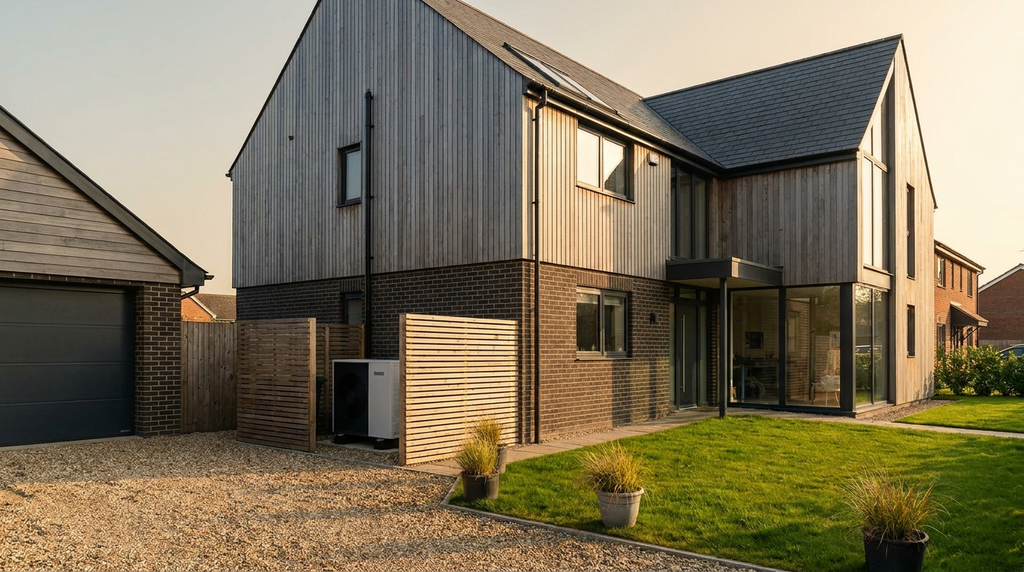
Your installer visits your property for a room-by-room heat loss calculation. This is not a drive-by estimate. The surveyor measures existing radiator sizes, pipework diameters, and insulation levels. They also check for space around the outdoor unit, which needs a minimum of 1 metre clearance from windows and boundaries (MCS installation standards MIS 3005, 2026).
Within 2–5 days you receive a fixed-price quote. The quote must itemise the BUS grant deduction and your net payment. The installer then orders the heat pump unit, typically from Vaillant, Daikin, Mitsubishi, or Samsung. Lead time in 2026 is 3–7 days (Energy Saving Trust guide to heat pump surveys, 2026).
You should not pay a deposit until you have verified the installer is MCS certified and TrustMark registered.
Week 2 Indoor installation and pipework modifications (days 8–14)
The installer removes your old boiler and hot water cylinder if you are replacing a gas or oil system. They drain the existing heating circuit. A new hot water cylinder, typically 180–300 litres, is installed in your airing cupboard or utility room. This takes 4–6 hours (Heat Pump Association installation guide, 2026).
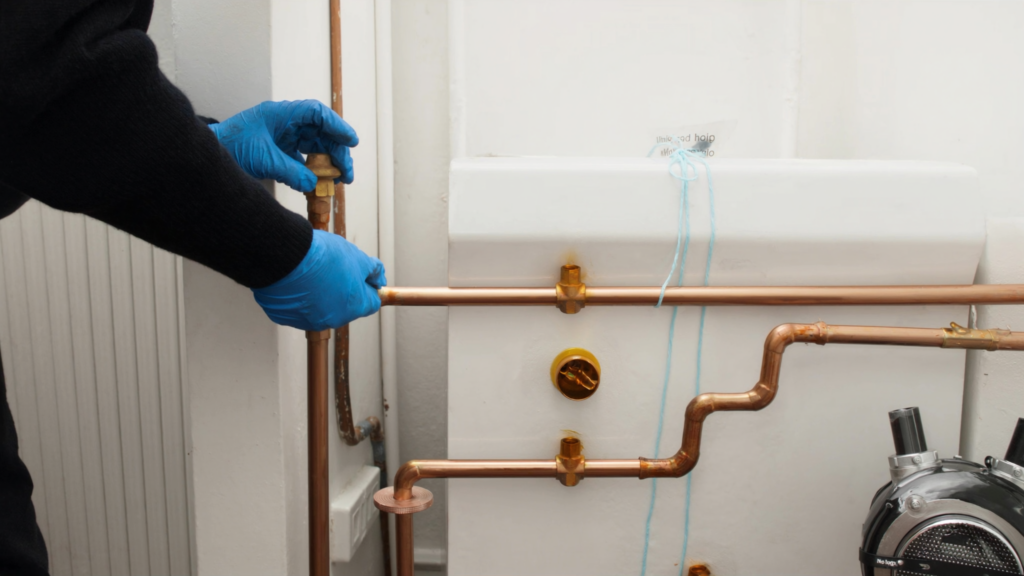
Pipework modifications are common. Heat pumps operate at lower flow temperatures, 35–45°C, compared with 60–70°C for gas boilers. Your installer may need to fit larger-diameter pipes to maintain adequate flow rates. Existing radiators may also be swapped for larger or fan-assisted models to match the lower flow temperature (Energy Saving Trust radiator sizing guidance, 2026).
If your property has poor insulation, the installer may advise upgrading loft or cavity wall insulation before the heat pump goes in. This adds time and cost but improves efficiency.
Week 3 Outdoor unit, electrical work, and commissioning (days 15–21)
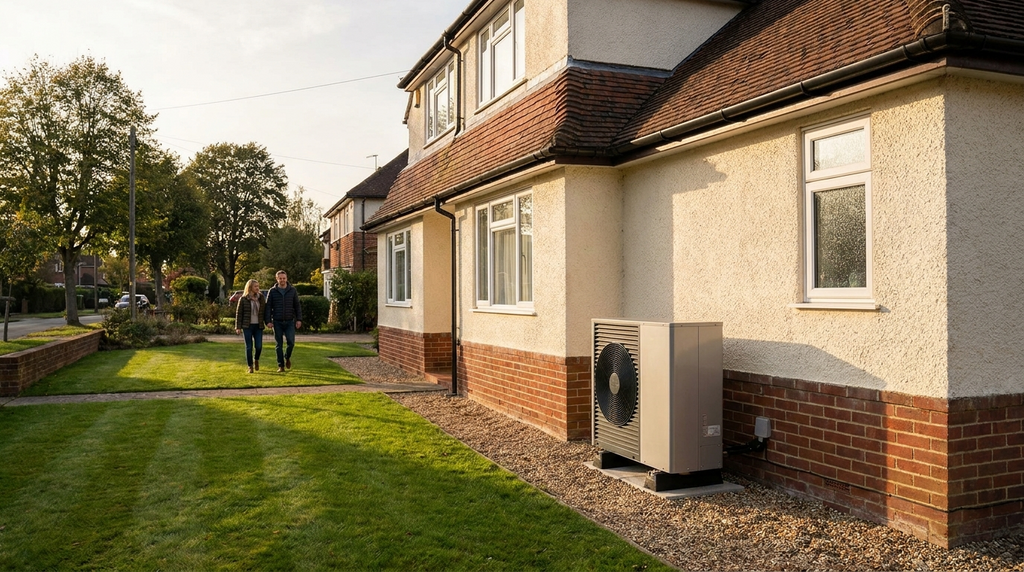
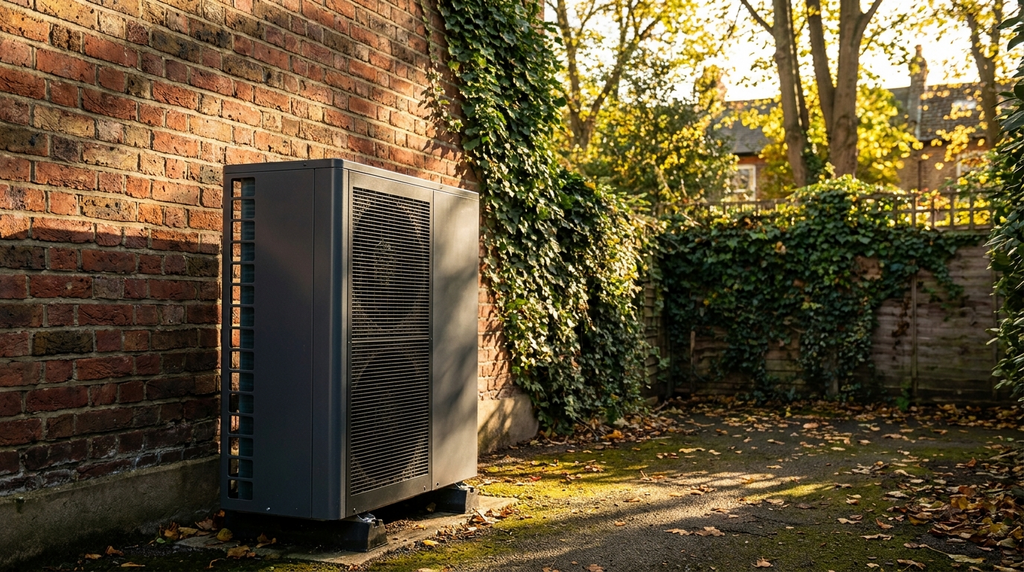
The outdoor heat pump unit is sited on a concrete base or wall brackets. It is connected to the indoor unit via insulated refrigerant pipes. This takes 1–2 hours.
Electrical work requires a dedicated 32A or 40A circuit from your consumer unit to the heat pump. The installer must be NICEIC or NAPIT registered for Part P compliance (NICEIC Part P guidance, 2026).
The system is filled with refrigerant, pressure tested, and commissioned. The installer runs through all heating and hot water modes. A commissioning report is uploaded to the MCS database within 5 working days. This is required for the BUS grant payment.
Eligibility and installer certification what you must check before signing
Three certifications matter. First, the installer must be MCS certified. Verify this on the MCS register at mcs-certified.com. Second, the installer must be TrustMark registered for consumer protection. From 2026, all MCS installers must join TrustMark (TrustMark standards, 2026). Third, if replacing a gas boiler, the installer needs Gas Safe registration to disconnect the gas supply safely (Gas Safe Register, 2026).
For the £7,500 BUS grant, you must own the property or have landlord permission. The heat pump must be air-source or ground-source. Your property must have an EPC with no outstanding loft or cavity wall insulation recommendations (GOV.UK Boiler Upgrade Scheme eligibility, 2026).
Planning permission is rarely needed for air-source heat pumps in England, but it is required in Scotland and some conservation areas. Check with your local authority.
How to find a certified heat pump installer
The direct answer to “heat pump installation timeline UK” 10–21 days from survey to handover
For a standard air-source heat pump in a 3–4 bedroom home, the timeline is 10–21 days total. The most common timeline is 14 days (MCS installer survey data, 2026).
- Week 1: survey and equipment ordering (days 1–7)
- Week 2: indoor installation and pipework (days 8–14)
- Week 3: outdoor unit, electrical connection, and commissioning (days 15–21)
Delays occur if planning permission is needed, adding 4–8 weeks. If the property has poor insulation requiring upgrades, add 1–2 weeks. If the installer waits for specialist parts, add 1–2 weeks (Energy Saving Trust heat pump installation case studies, 2026).
Heat pump running costs vs gas boiler 2026
Frequently Asked Questions
A typical air-source heat pump installation takes 10–21 days from the initial survey to final commissioning. The most common timeline for a standard 3–4 bedroom home is 14 days, based on MCS installer survey data from 2026.
The first step is a room-by-room heat loss calculation by an MCS-certified installer, which takes 1–2 hours on site. This survey checks radiator sizes, pipework diameters, and insulation levels to design the system.
Indoor installation typically takes 1–2 days and costs £2,000–£4,000. This includes fitting the indoor unit, connecting pipework, and integrating with your existing heating system.
Outdoor unit and pipework installation takes 1–2 days, costing £3,000–£5,000. The installer needs a minimum of 1 metre clearance from windows and boundaries, as per MCS installation standards MIS 3005.
After the £7,500 Boiler Upgrade Scheme (BUS) grant, the net cost for most households is £0–£5,500. The gross cost ranges from £7,000 to £13,000, according to the Energy Saving Trust heat pump cost survey from 2026.