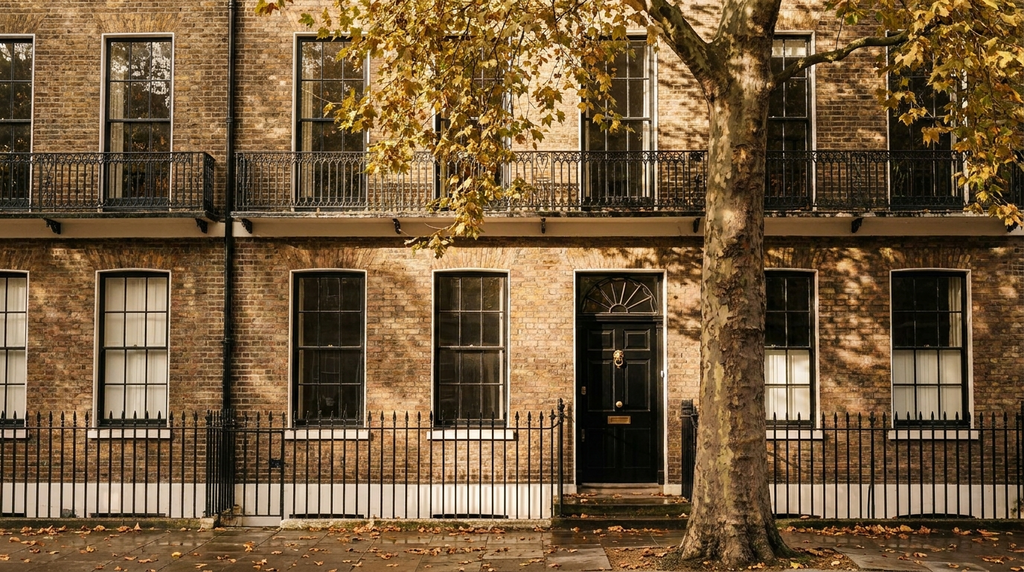
The building that hosted the 1861 experiments proving carbon dioxide traps heat, the science behind today’s climate crisis, now sits in the top 20% of UK properties for energy efficiency. That is not irony. It is a template.
As reported by Luxury Hospitality Magazine, the historic property, now a luxury hospitality venue, achieved an EPC Band B rating after a full retrofit. For the 4.5 million UK homes built before 1919, this is not a niche story. It is a direct challenge to the assumption that old buildings cannot be energy-efficient.
What the retrofit included
The building’s owners installed internal solid-wall insulation, an air-source heat pump, solar photovoltaic panels, and upgraded glazing. Each of these measures is available to UK homeowners today, and each has a clear impact on EPC points. Internal wall insulation alone can improve a solid-wall home’s EPC score by 10 to 15 points, according to the Energy Saving Trust. The heat pump replaces a gas boiler, and qualifies for the £7,500 Boiler Upgrade Scheme grant in England and Wales.
The catch is cost. A full retrofit on a listed building can run to £40,000 or more. The Great British Insulation Scheme closed on 31 March 2026. It funded insulation measures only and never covered windows or glazing. Homeowners in conservation areas should check with their council before starting, listed building consent was required here, and it took time.
What it means for typical UK homes
Ofgem data shows the average UK home sits at EPC Band D. Moving from D to B cuts annual energy bills by roughly £500 to £800, depending on property size and fuel type. For a typical 3-bed semi using 12,000 kWh of gas and 2,900 kWh of electricity, a heat pump paired with solar panels can reduce running costs by 40% compared to a gas boiler, before the October 2024 price cap rise of 10% on electricity.
Yet the biggest barrier is not technology. It is the myth that old homes cannot change. This building, built 164 years ago, disproves that. Its walls are solid brick, its windows were single-glazed, and its heating was likely original or near-original. Now it has an EPC rating that beats most new-build flats.
Lessons for homeowners with older properties
First, start with fabric before tech. Insulation and draught-proofing deliver the largest EPC gains per pound spent. Second, check eligibility for the Boiler Upgrade Scheme before replacing your boiler, the grant is time-limited and only available until March 2028. Third, if your property is listed or in a conservation area, speak to your local authority’s conservation officer early. The Historic England guidance on energy efficiency in historic buildings is clear: many upgrades are permissible with the right approach.
This building’s retrofit was not cheap, and it was not fast. But it proves that the age of a home is not a barrier to a high EPC rating. For the millions of UK households in pre-1919 stock, that is the most useful fact of the week.
Homeowners can check their current EPC at gov.uk and compare it to the typical Band B thresholds. The next step is a retrofit assessment from a TrustMark-registered installer. The science of greenhouse gases started in that building. The practical answer to them can start in yours.
Frequently Asked Questions
Yes. This historic building achieved EPC Band B through careful retrofit including internal wall insulation, heat pump, and solar panels. Listed building consent is required, but Historic England supports energy efficiency measures that do not harm heritage value.
The Boiler Upgrade Scheme offers £7,500 for heat pumps. The Great British Insulation Scheme closed on 31 March 2026. It funded insulation measures only and never covered windows or glazing. Local authority grants vary, check your council's website. Energy Company Obligation (ECO4) may also fund full fabric upgrades for low-income households.