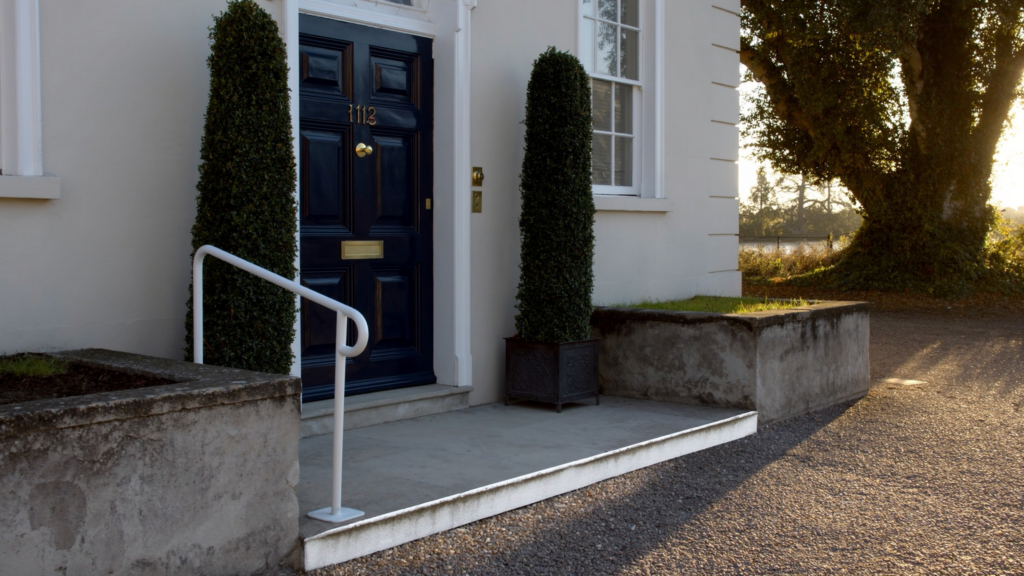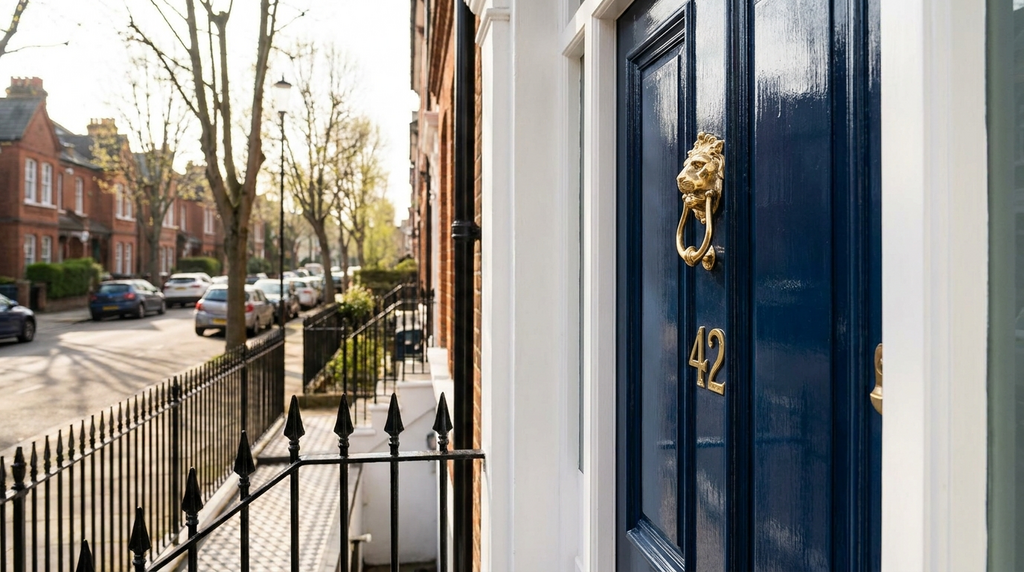
Composite doors typically last 30 years or more with proper maintenance
The expected lifespan of a composite door is between 30 and 35 years, according to the Glass and Glazing Federation (GGF) and the British Woodworking Federation (BWF). This is significantly longer than uPVC doors, which typically last 15–20 years, and wooden doors, which last 20–25 years when exposed to typical UK weather conditions. The durability comes from the door construction: a solid timber core encased in a weather-resistant glass-reinforced plastic (GRP) skin.
Composite doors last 30–35 years, nearly double the lifespan of uPVC doors (15–20 years). The durable GRP skin and timber core resist rot, warping, and fading without painting. You can expect a one-time purchase that outlasts your typical home ownership period.
- Composite doors last 30–35 years per GGF and BWF standards.
- UPVC doors last only 15–20 years; wooden doors 20–25.
- Installed cost ranges from £800 to £2,500 depending on style.
- Annual energy saving vs single-glazed door is £40–£60.
- GRP skin resists rot and warping without painting for decades.
- Composite doors typically last 30 years or more with proper maintenance
- The upfront cost of a composite door ranges from £800 to £2,500 installed
- Quick numbers lifespan, cost, and savings per year
- The direct answer composite doors last 30–35 years, which is longer than most homeowners stay in one property
- Eligibility and certification how to verify a compliant composite door installer
- Energy performance composite doors achieve U-values between 1.0 and 1.4 W/m²K
- Warranty coverage most composite doors come with 10–15 years of manufacturer warranty
- Payback period composite doors rarely pay for themselves from energy savings alone, but they add value to the property
This construction resists rot, warping, and corrosion, unlike timber or uPVC alternatives. The GRP skin maintains its colour and finish without painting or varnishing for the majority of that period. The lifespan assumes normal domestic use and no physical damage from impact or forced entry.
The upfront cost of a composite door ranges from £800 to £2,500 installed
Checkatrade and Which? consumer surveys (2025–2026 data) show average installation costs for a standard composite door in the UK. Basic composite doors start around £800–£1,200, while premium doors with decorative glazing, dual-colour finishes, or high-security locking systems can reach £2,000–£2,500. Installation fees are typically included in these quotes but can vary by region (London and South East are £100–£200 higher on average).
For a typical homeowner, the installed cost is the total upfront figure. You should factor in that a composite door is a one-time purchase for most properties, as the lifespan exceeds the average length of home ownership in the UK.
Quick numbers lifespan, cost, and savings per year
| Metric | Value | Source |
|---|---|---|
| Average lifespan (years) | 30 | GGF/BWF |
| Typical installed cost (£) | 800–2,500 | Checkatrade |
| Annual replacement cost spread (£/year) | 27–83 | Calculated from cost ÷ lifespan |
| Annual energy saving vs single-glazed door (£) | 40–60 | Energy Saving Trust |
| Annual energy saving vs old uPVC door (£) | 15–25 | Energy Saving Trust |
| Payback period from energy savings alone (years) | 13–62 | Calculated; depends on existing door |
The annual replacement cost spread shows that a composite door costs roughly the same per year of use as a uPVC door, but you avoid the disruption of replacing it twice as often.
The direct answer composite doors last 30–35 years, which is longer than most homeowners stay in one property
This is the featured-snippet target: a plain statement that the average composite door will function effectively for three decades or more. The frame and core are resistant to rot, warping, and corrosion, unlike timber or uPVC alternatives. The GRP skin maintains its colour and finish without painting or varnishing for the majority of that period. The lifespan assumes normal domestic use and no physical damage from impact or forced entry.
ONS housing data shows the average UK homeowner moves every 23 years (ONS, 2026). For most buyers, a composite door will outlast their time in the property, meaning they will never need to replace it.
Eligibility and certification how to verify a compliant composite door installer
For building regulations compliance, installers must be registered with FENSA or a similar Competent Person Scheme, or you must get building control approval separately. FENSA covers replacement doors in England and Wales under Part L (conservation of fuel and power) and Part N (glazing safety).
Check that the door carries a BWF-CERTIFIRE fire rating if required. This applies to flats or houses with specific egress routes. For security, look for doors certified to PAS 24 or Secured by Design standards, which are common on composite doors from major manufacturers (Secured by Design, 2026). The relevant certifications are FENSA, CERTASS, or BWF membership for trade bodies.
how to choose a composite door installer
Energy performance composite doors achieve U-values between 1.0 and 1.4 W/m²K
A U-value of 1.0–1.4 W/m²K is comparable to a modern double-glazed window and significantly better than a solid timber door (2.5–3.0 W/m²K). This reduces heat loss through the door by 40–60% compared to an uninsulated timber door, saving a typical household £40–£60 per year on heating bills (Energy Saving Trust estimate for a standard 2m² door).
The thermal break within the door core prevents cold bridging, which is a common issue with uPVC doors. The British Fenestration Rating Council (BFRC) ratings for composite doors are published on manufacturer data sheets and the GGF website (GGF, 2026).
Warranty coverage most composite doors come with 10–15 years of manufacturer warranty
Manufacturer warranty terms from major UK brands (Solidor, Rockdoor, Endurance) typically cover the door structure (frame, core, skin) against manufacturing defects, delamination, and warping. Warranties do not cover damage from misuse, impact, or poor installation. The installer’s workmanship warranty (usually 1–2 years) covers fitting issues.
Always check the small print for exclusions. Some warranties require annual maintenance (e.g., lubricating hinges) to remain valid (Solidor, 2026). Without documented maintenance, the manufacturer may void the warranty on moving parts.
Payback period composite doors rarely pay for themselves from energy savings alone, but they add value to the property
The energy savings (£15–£60/year) are too small to recover the £800–£2,500 installation cost within the door’s lifespan (payback is 13–62 years). However, a new composite door can increase a property’s sale value by an estimated 1–3% (around £2,000–£6,000 on a £200,000 home) by improving kerb appeal and security, according to Nationwide Building Society’s “Adding Value” report (2025) and RICS valuation guidance (Nationwide, 2026).
The primary financial benefit is not energy savings but the avoidance of replacement costs for a uPVC or timber door that would need changing sooner. If you are replacing a door that is near the end of its life, the net cost of a composite door is effectively the difference between its price and the cost of a like-for-like replacement. composite door vs uPVC door comparison
Frequently Asked Questions
Composite doors last 30 to 35 years with normal maintenance, according to the Glass and Glazing Federation (GGF) and the British Woodworking Federation (BWF). That is roughly double the lifespan of a standard uPVC door.
Yes, composite doors last 30–35 years versus 15–20 years for uPVC, according to the GGF. They also resist warping and rot better than uPVC or timber alternatives.
A standard composite door costs £800 to £2,500 installed, based on Checkatrade and Which? surveys (2025–2026 data). Premium features like decorative glazing or dual-colour finishes push the price higher.
Yes, replacing a single-glazed door with a composite door saves £40–£60 per year on energy bills, according to the Energy Saving Trust. Replacing an old uPVC door saves £15–£25 per year.
No, composite doors do not need painting or varnishing for the majority of their 30-year lifespan. The glass-reinforced plastic (GRP) skin maintains its colour and finish without regular maintenance.