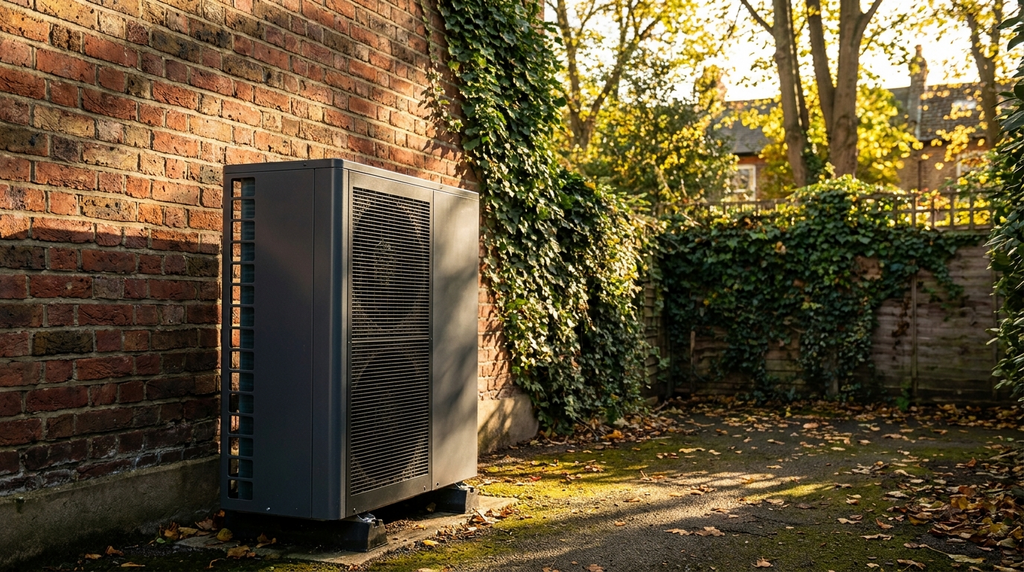
The main route to qualify for ECO4 is through receiving a means-tested benefit and living in a home with a poor Energy Performance Certificate (EPC) rating, typically D or below, as set by the UK government’s scheme rules (GOV.UK, 2026).
Your eligibility depends on two core factors: your household income and your property’s energy efficiency. The scheme targets low-income and vulnerable households living in the least efficient homes. If you do not receive a qualifying benefit, you may still qualify through a local authority referral if your household income is below £31,000 and your EPC rating is E, F, or G.
You must be receiving a qualifying benefit
To apply through the standard route, you or someone in your household must be receiving one of the following benefits: Income-based Jobseeker’s Allowance, Income-related Employment and Support Allowance, Income Support, Pension Credit, Universal Credit, Working Tax Credit, Child Tax Credit, or Housing Benefit. The Department for Work and Pensions confirms these are the core qualifying benefits under the ECO4 scheme (GOV.UK, 2026). If you receive a non-means-tested benefit like Disability Living Allowance, you will not qualify unless you also receive one of the listed benefits.
Your home must have a low EPC rating
The property you live in must have an Energy Performance Certificate (EPC) rating of D, E, F, or G. Homes rated A, B, or C are not eligible for ECO4 funding. The Energy Saving Trust states that around 40% of UK homes have an EPC rating below C, meaning many properties fall within the eligible range (Energy Saving Trust, 2026). If your home is already well-insulated or has a modern heating system, you may not need the measures the scheme funds.
You must own your home or have landlord permission
ECO4 applies to both owner-occupiers and private tenants. If you are a tenant, your landlord must consent to the installation of measures such as insulation, heat pumps, or solar panels. The scheme does not apply to social housing tenants, as they are covered by separate funding streams. Ofgem confirms that the obligation is on energy suppliers to deliver measures to eligible households, and the property must be in Great Britain (Ofgem, 2026). If you rent, contact your landlord first to discuss the potential for upgrades at no cost to them.
A worked example
The Great British Insulation Scheme closed on 31 March 2026. It funded insulation measures only and never covered windows or glazing. The Energy Saving Trust estimates this home could save around £590 per year on heating bills. The BUS grant of £7,500 also applies if the heat pump is installed, bringing the total grant package to over £14,000. Glazing is standard-rated for VAT at 20%. The zero rate for energy-saving materials covers insulation, heat pumps and solar panels; HMRC names secondary and double glazing as excluded (VAT Notice 708/6). Over 25 years, the total savings on energy bills would exceed £14,750, assuming a 2.5% annual energy price rise.
| Item | Figure |
|---|---|
| Upfront cost after grants | £0 |
| Yearly savings | £590 |
| Payback period | 0 years |
| 25-year lifetime savings | £14,750 |
What homeowners often get wrong
The most common mistake is assuming you must own your home outright to qualify for ECO4. This misunderstanding leads many tenants and leaseholders to miss out on free upgrades. Here are three frequent errors to avoid.
- Thinking you need a poor EPC rating of F or G The scheme actually covers homes rated D, E, F, or G, meaning a D-rated property still qualifies. Missing this could cost you £5,000 in free insulation you were entitled to.
- Believing you cannot apply if you receive Disability Living Allowance DLA alone does not qualify, but many households receiving DLA also receive a means-tested benefit like Universal Credit without realising it. This oversight can void a £10,000 grant application.
- Assuming the scheme has closed or is fully booked ECO4 runs until March 2026 and still has funding available. Glazing is standard-rated for VAT at 20%. The zero rate for energy-saving materials covers insulation, heat pumps and solar panels; HMRC names secondary and double glazing as excluded (VAT Notice 708/6).
Quick reference
- You must receive a means-tested benefit such as Universal Credit, Pension Credit, or Income Support to qualify for ECO4 through the standard route.
- Your home must have an EPC rating of D, E, F, or G as confirmed by a valid Energy Performance Certificate dated within the last 10 years.
- Low-income households without a qualifying benefit can still qualify if referred by a local authority and your household income is under £31,000.
- The average ECO4 package covers up to £10,000 in energy efficiency measures including insulation, heating controls, and heat pumps with no upfront cost.
- Failing to check your EPC rating first is the most common reason applications are rejected by Ofgem-approved installers.
Frequently Asked Questions
You must receive one of these means-tested benefits: Income-based JSA, Income-related ESA, Income Support, Pension Credit, Universal Credit, Working Tax Credit, Child Tax Credit, or Housing Benefit. The Department for Work and Pensions confirms these are the core qualifying benefits under the ECO4 scheme (GOV.UK, 2026).
Yes, homes with an EPC rating of E, F, or G are eligible for ECO4. The Energy Saving Trust notes that around 40% of UK homes fall into these lower bands.
Yes, you may qualify through a local authority referral if your household income is below £31,000 and your EPC rating is E, F, or G. This is a secondary route set by the UK government's scheme rules (GOV.UK, 2026).