The Octopus Cosy 6 is a single-unit air source heat pump, not a hybrid system, and costs £2,500–£4,500 after the £7,500 grant
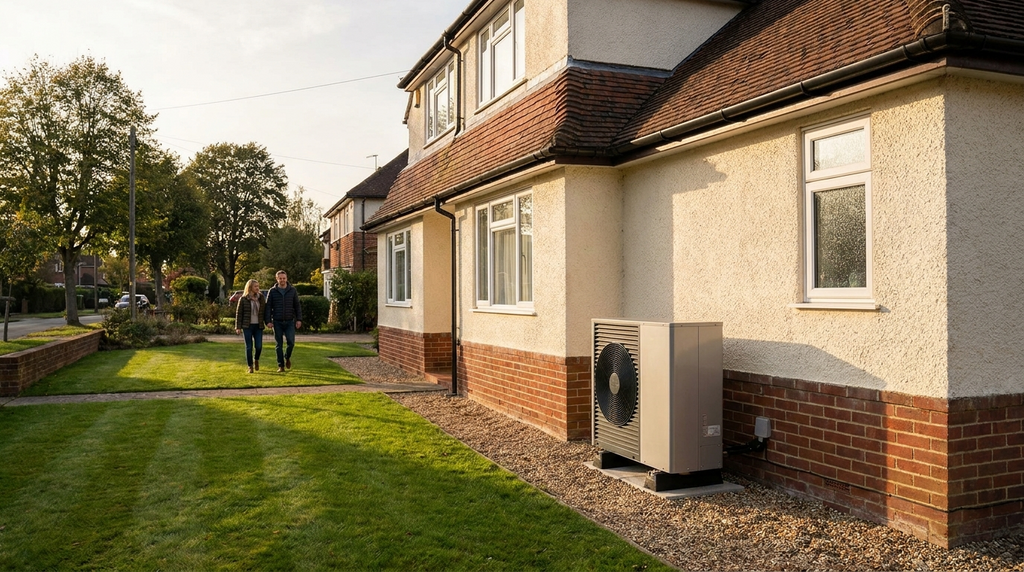
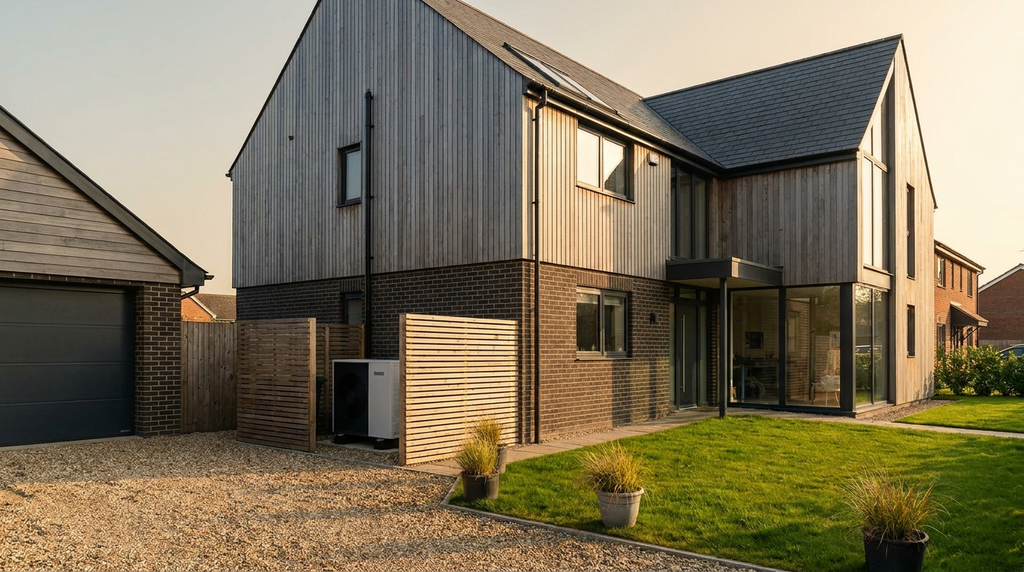
The Octopus Cosy 6 is a monobloc air source heat pump (ASHP), meaning it is a single outdoor unit that replaces a gas boiler entirely. It is not a hybrid or bivalent system that retains a boiler for backup. Its nominal output is 6 kW, which is suitable for a typical 3–4 bedroom home with moderate insulation levels, according to industry sizing guidelines.
The Octopus Cosy 6 costs £2,500–£4,500 after the £7,500 BUS grant and saves £200–£400 per year. It is a monobloc air source heat pump with a SCOP of 3.2–3.5, ideal for 3–4 bedroom homes.
- Costs £2,500–£4,500 after the £7,500 BUS grant
- Saves £200–£400 annually versus a gas boiler
- SCOP of 3.2–3.5 for efficient heating performance
- Suitable for 3–4 bedroom homes with moderate insulation
- Switch to Cosy Octopus tariff for extra off-peak savings
- The Octopus Cosy 6 is a single-unit air source heat pump, not a hybrid system, and costs £2,500–£4,500 after the £7,500 grant
- Running costs for the Cosy 6 are roughly 30–50% lower than a gas boiler, saving £200–£400 annually
- Quick numbers key costs and savings for the Octopus Cosy 6 compared to a gas boiler
- The Octopus Cosy 6 review it is a reliable, mid-range heat pump with a 7-year warranty, but not the quietest or most efficient on the market
- Eligibility for the Octopus Cosy 6 requires a minimum EPC rating of D, a suitable outdoor space, and an MCS-certified installer
- The Cosy 6 works best with underfloor heating or larger radiators, but can be retrofitted to existing radiator systems with minimal disruption
- The payback period for the Octopus Cosy 6 after the grant is 6–12 years, depending on your current heating system and tariff
- How to verify an Octopus Cosy 6 installer check MCS, TrustMark, and Octopus’s own installer network
The upfront cost before the £7,500 Boiler Upgrade Scheme (BUS) grant is roughly £10,000–£12,000 fully installed, as listed on the Octopus Energy website (Octopus Energy, 2026). After the grant, the homeowner pays £2,500–£4,500, depending on site complexity and any additional electrical work required. The BUS grant is claimed by the installer on the homeowner’s behalf and deducted from the final invoice, as set out by the government scheme (GOV.UK – Boiler Upgrade Scheme, 2026).
Running costs for the Cosy 6 are roughly 30–50% lower than a gas boiler, saving £200–£400 annually
The Cosy 6 has a Seasonal Coefficient of Performance (SCOP) of 3.2–3.5, which means it produces 3.2–3.5 kWh of heat for every 1 kWh of electricity it consumes (MCS installer database, 2026; Octopus Energy product page, 2026). At the 2026 Great Britain price cap of 24.5p/kWh for electricity and 6.0p/kWh for gas (Ofgem price cap, April 2026), a heat pump costs roughly 7–8p per kWh of heat, versus 6p for gas. However, the savings come from the fact that an efficient heat pump replaces not just boiler fuel but also reduces standing charges and avoids gas network fees.
Octopus Energy’s own tariff, the Cosy Octopus tariff, offers a lower off-peak rate (e.g., 8.5p/kWh) specifically for heat pump users, which can further reduce running costs (Octopus Energy website, 2026). On this tariff, annual savings can reach £300–£400 compared to a gas boiler, depending on usage patterns.
Quick numbers key costs and savings for the Octopus Cosy 6 compared to a gas boiler
| Metric | Gas boiler benchmark | Octopus Cosy 6 |
|---|---|---|
| Upfront cost (before grant) | £2,000–£4,000 | £10,000–£12,000 |
| Upfront cost (after £7,500 grant) | N/A | £2,500–£4,500 |
| Annual running cost (standard tariff) | £800–£1,200 | £500–£800 |
| Annual running cost (Cosy Octopus tariff) | N/A | £400–£700 |
| Annual CO2 savings | 2.5–3 tonnes | 0 tonnes (heat pump) |
| Payback period (years) | N/A | 6–12 years |
Source: Ofgem price cap, April 2026; Octopus Energy product page, 2026; EST heat pump savings calculator, 2026.
The Octopus Cosy 6 review it is a reliable, mid-range heat pump with a 7-year warranty, but not the quietest or most efficient on the market
The Octopus Cosy 6 is a solid mid-range option for homeowners moving from gas to a heat pump. It is manufactured by Mitsubishi Electric, a well-known brand, and sold exclusively through Octopus Energy, which handles all installation and aftercare. The unit has a noise level of 55–60 dB (Octopus Energy product page, 2026), which is louder than some premium models like the Daikin Altherma 3 (45 dB) but within permitted limits for most UK homes. The 7-year warranty covers parts and labour, which is standard for the market (Octopus Energy terms, 2026). It does not include a smart thermostat or hot water tank in the base price, though Octopus offers optional add-ons. For most households, it is a good balance of cost and performance, but if noise or maximum efficiency are priorities, consider higher-end models.
Eligibility for the Octopus Cosy 6 requires a minimum EPC rating of D, a suitable outdoor space, and an MCS-certified installer
To qualify for the BUS grant, the property must have an Energy Performance Certificate (EPC) with a rating of D or above (GOV.UK – Boiler Upgrade Scheme eligibility, 2026). The outdoor unit requires a concrete base or wall bracket, with at least 1 metre of clearance on three sides for airflow (Octopus Energy installation guide, 2026). The installer must be MCS-certified (Microgeneration Certification Scheme) to claim the grant; Octopus Energy’s own installers are MCS-registered (MCS register, 2026). The property must also have a suitable hot water cylinder (or be able to have one installed) because heat pumps operate at lower flow temperatures than gas boilers. TrustMark registration is also required for the installer to meet government standards (TrustMark website, 2026).
The Cosy 6 works best with underfloor heating or larger radiators, but can be retrofitted to existing radiator systems with minimal disruption
Heat pumps operate at lower flow temperatures (35–45°C) than gas boilers (60–75°C), so radiators may need to be upsized to deliver the same heat output. Octopus Energy includes a free site survey to check radiator sizing and recommend replacements if needed (Octopus Energy website, 2026). Underfloor heating is ideal because it runs at even lower temperatures (30–35°C), maximising the heat pump’s efficiency. In most cases, existing pipework can be reused, though a new hot water cylinder and a buffer tank may be required. For most homes, the disruption is limited to a few days of installation work.
The payback period for the Octopus Cosy 6 after the grant is 6–12 years, depending on your current heating system and tariff
Payback is calculated by dividing the net cost (£2,500–£4,500) by the annual savings (£200–£400). If you are replacing an old, inefficient gas boiler (e.g., 60% efficient), savings are higher and payback is shorter. If you are on the Cosy Octopus tariff with off-peak rates, running costs drop by a further 20–30%, shortening payback. The 7-year warranty covers the unit for most of the payback period, reducing financial risk. The EST estimates a typical heat pump saves 2.5–3 tonnes of CO2 per year compared to a gas boiler, but this is not a direct financial benefit (EST heat pump savings calculator, 2026).
How to verify an Octopus Cosy 6 installer check MCS, TrustMark, and Octopus’s own installer network
Octopus Energy uses its own in-house installation teams, who are all MCS-certified and TrustMark-registered (Octopus Energy website, 2026). You can verify an installer’s MCS certificate on the MCS register (www.mcscertified.com) and their TrustMark registration on the TrustMark website. Octopus also offers a 2-year workmanship guarantee on top of the 7-year product warranty. If you are considering a third-party installer, ensure they are MCS-certified and listed on the Octopus Cosy 6 approved installer list, available from Octopus Energy on request. how to choose a heat pump installer Boiler Upgrade Scheme eligibility checklist
Frequently Asked Questions
The Octopus Cosy 6 costs £2,500–£4,500 after the £7,500 Boiler Upgrade Scheme grant, as listed by Octopus Energy (2026). The exact price depends on site complexity and electrical work.
No, the Octopus Cosy 6 is a monobloc air source heat pump, not a hybrid system. It replaces a gas boiler entirely without a backup boiler, according to Octopus Energy specifications.
The Octopus Cosy 6 saves £200–£400 annually compared to a gas boiler, based on a SCOP of 3.2–3.5 and the 2026 Ofgem price cap. Using the Cosy Octopus tariff can increase savings further.
The Octopus Cosy 6 has a Seasonal Coefficient of Performance (SCOP) of 3.2–3.5, as verified by the MCS installer database and Octopus Energy (2026). This means it produces 3.2–3.5 kWh of heat per 1 kWh of electricity.
Yes, the Octopus Cosy 6 is suitable for a typical 3–4 bedroom home with moderate insulation, per industry sizing guidelines. Octopus Energy recommends it for such properties.