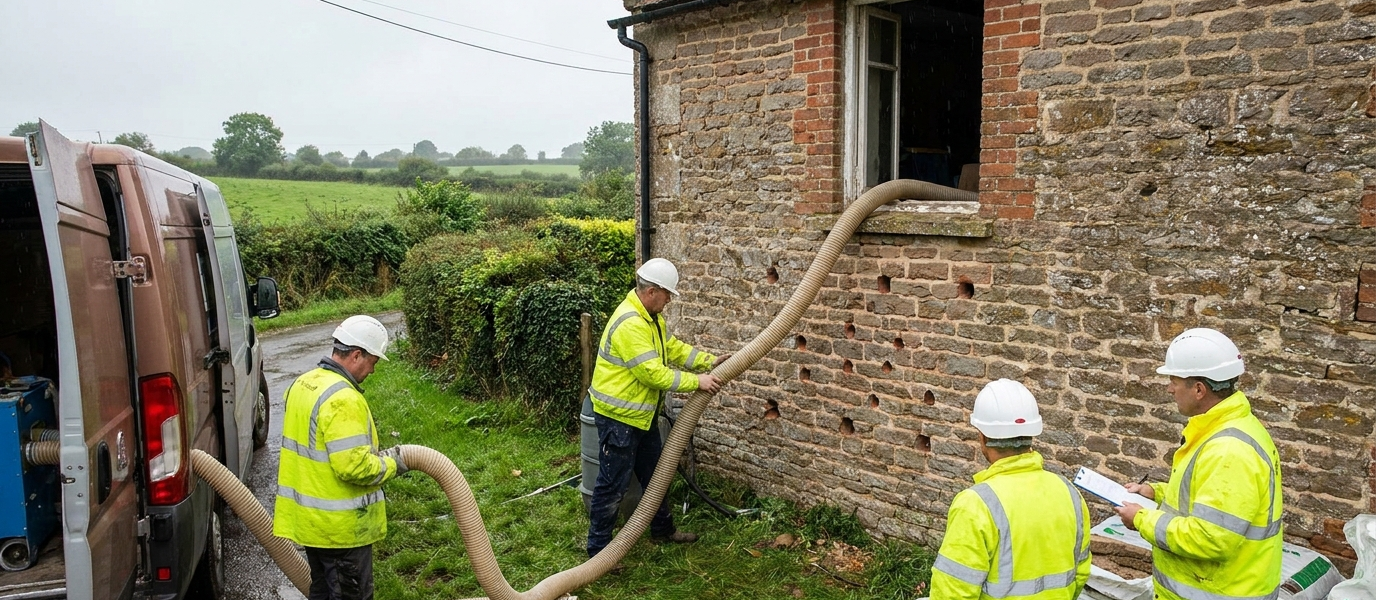
The price cap will rise by £63 in October, the third increase this year. Against that backdrop, Somerset Council’s announcement of additional funding to help residents lower their bills lands at exactly the right moment. The council, as reported by Somerset Council, has secured extra cash from central government to tackle fuel poverty, but the real question for homeowners is whether this money will reach their homes, and how fast.
Who qualifies, and who doesn’t
The funding is not a universal handout. It targets households on low incomes, those receiving means-tested benefits, or those living in properties with an EPC rating below band C. For a typical 3-bed semi in Somerset, that means anyone with a combined household income under £31,000 or in receipt of Pension Credit, Universal Credit, or Housing Benefit. The council has not yet published the full eligibility criteria, but previous rounds of the same scheme, the Home Upgrade Grant (HUG), required a home energy assessment before any work begins. Homeowners on standard variable tariffs should contact Somerset Council’s energy team directly. The catch is that demand typically outstrips supply: the last HUG round in the South West was oversubscribed within six weeks.
What it costs a typical 3-bed semi
Ofgem figures show that the average dual-fuel bill for a 3-bed semi using 12,000 kWh of gas and 2,900 kWh of electricity now stands at £1,928 a year. Loft insulation (270 mm top-up) costs around £500–£700 installed and saves roughly £200–£250 annually. Cavity-wall insulation runs £1,000–£1,500 and saves £250–£300. Combined, those two measures cut the annual bill by about £450, a 23% reduction. The grant covers the full cost for eligible households. For those who do not qualify, the Energy Saving Trust estimates that DIY loft insulation rolls cost as little as £150 and pay back in under two years. The EPC impact is equally clear: a D-rated semi can jump to a C with both measures, and a C-rated home can hit a B with solid-wall insulation (though that costs £8,000–£12,000 and is rarely fully grant-funded).
What this misses, and what you should do
The Somerset funding is welcome, but it only scratches the surface. The government’s own data shows that 14 million UK homes still have insufficient loft insulation, and 8 million have uninsulated cavity walls. The Great British Insulation Scheme, launched in 2023, has so far reached fewer than 100,000 homes, against a target of 300,000. The catch is that local authority grants are often slow to deploy: Somerset Council’s last HUG round took nine months from announcement to first installation. Homeowners should not wait. Ofgem’s Energy Price Guarantee ends in April 2024, and standing charges are rising. The cheapest kWh is the one you never use. Check your loft hatch today. If the insulation is below the joists or patchy, top it up. For cavity walls, a free survey from a registered installer (check the National Insulation Association register) costs nothing and confirms suitability. The grant window for Somerset residents is open now, but the smartest move is to act before the winter heating season begins in November.
Frequently Asked Questions
In the UK, loft insulation top-up to 270mm costs around £500–£700 installed and can save roughly £200–£250 annually on energy bills. For a typical 3-bed semi, this combined with cavity-wall insulation can cut the annual bill by about £450, a 23% reduction.
The funding targets households on low incomes, those receiving means-tested benefits like Pension Credit or Universal Credit, or those living in properties with an EPC rating below band C. For a typical 3-bed semi in Somerset, eligibility includes a combined household income under £31,000.
Somerset Council's last Home Upgrade Grant round took nine months from announcement to first installation. Demand typically outstrips supply, with the previous round in the South West oversubscribed within six weeks, so homeowners should act quickly.
Ofgem figures show the average dual-fuel bill for a 3-bed semi using 12,000 kWh of gas and 2,900 kWh of electricity now stands at £1,928 a year. The price cap rose by £63 in October 2024, the third increase this year.
Yes, the grant covers the full cost of cavity-wall insulation for eligible households. For a typical 3-bed semi, this costs £1,000–£1,500 installed and saves £250–£300 annually. You need a home energy assessment before any work begins.





