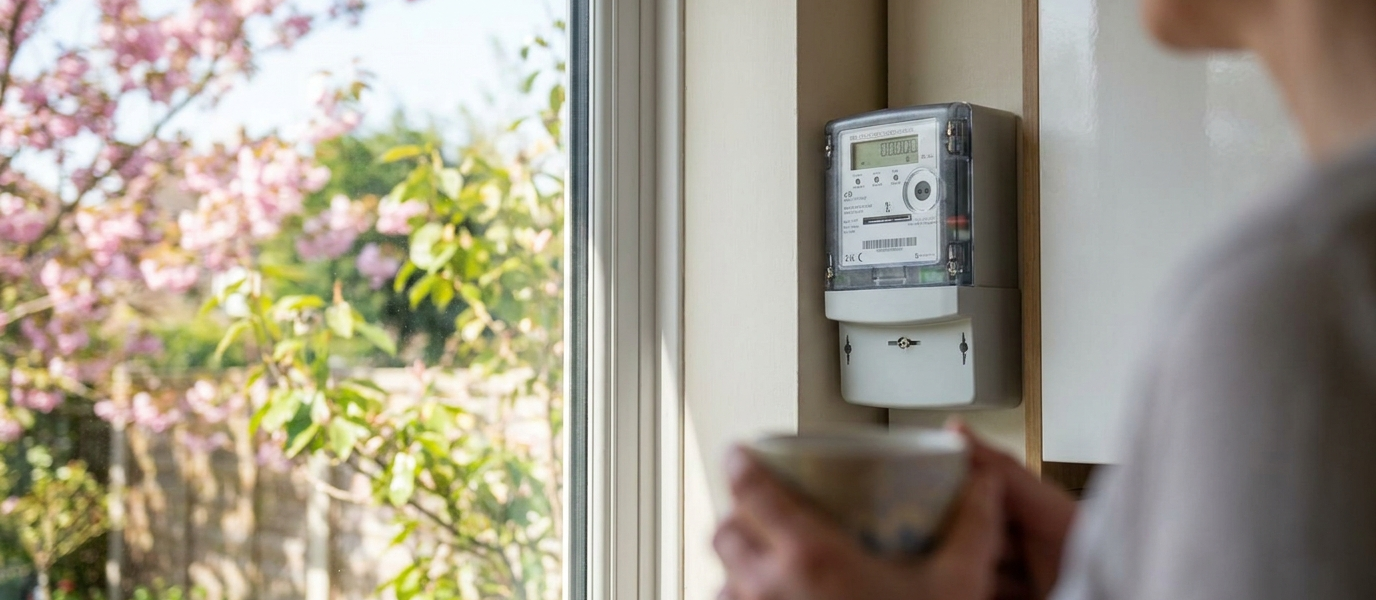
The typical household energy bill will drop by £238 from April, the lowest level since 2022. That is the headline from the latest price cap announcement, and it is real relief after two years of punishing costs.
But as reported by GOV.UK, the devil is in the detail. Standing charges, the fixed daily cost you pay to be connected to the grid, are going up by about 4%, to 60p a day for electricity and 32p for gas. That means households that use very little energy will see a smaller net saving, or even a rise.
Who qualifies, and who doesn’t
Ofgem sets the cap at £1,690 for a typical dual-fuel household paying by direct debit, based on 12,000 kWh of gas and 2,900 kWh of electricity a year. If you use less, your saving will be smaller. If you use more, a draughty Victorian terrace, say, you still face a winter bill well above £2,000.
The cap also varies by region. Households in the North West pay about £40 more than those in London, because network costs differ. The cap is a ceiling, not a target. Suppliers can charge less, but most don’t.
What it costs a typical 3-bed semi
For a semi-detached home in the Midlands using 11,500 kWh of gas and 2,700 kWh of electricity, the new cap works out at roughly £141 a month, down from £161. That £20 monthly saving is welcome, but it is not transformative.
Meanwhile, the standing charge increase adds about £15 a year. For a household that has already cut usage, say, by installing loft insulation or a smart thermostat, the standing charge now makes up a larger share of the bill. That is a structural shift: the grid costs more to run, and everyone pays, whether they use energy or not.
The ‘but’ pivot: why this is the moment to upgrade
The catch is that lower unit rates make the economics of heat pumps and solar panels look better than they did a year ago. A heat pump running at a coefficient of performance of 3.5 costs roughly 9p per kWh of heat, compared to 6p for a gas boiler. The gap has narrowed from 5p to 3p. That is not parity, but it is close, and gas prices are forecast to rise again in July.
Solar panels, too, benefit from lower grid prices. If you export electricity via the Smart Export Guarantee at 15p per kWh, your payback period shortens as your import cost falls. The Energy Saving Trust estimates a typical 4 kW system saves £440 a year at current rates, up from £390 a year ago.
Insulation is the no-brainer. The Great British Insulation Scheme closed on 31 March 2026. It funded insulation measures only and never covered windows or glazing. With the April cap drop, the opportunity cost of not acting is small; the risk of higher prices later is large.
What to do by when
Households on standard variable tariffs should check their direct debit now. Suppliers often over-estimate usage to build a credit buffer. If your account is in credit, ask for a refund or a lower monthly payment.
For those considering upgrades: apply for a Boiler Upgrade Scheme grant (£7,500 for a heat pump) before the summer. Installers are booked months ahead. And check your EPC rating via gov.uk, if it’s below C, insulation grants are available now.
The price cap is falling. But the long-term trend is clear: grid costs rise, fossil fuel prices are volatile, and the cheapest energy is the energy you don’t use. Use the breathing room of April to invest, not to coast.
Frequently Asked Questions
The typical household on a standard variable tariff will see their annual bill drop by £238 to £1,690, the lowest level since 2022. However, if you use less energy than the typical 12,000 kWh of gas and 2,900 kWh of electricity, your saving will be smaller, and standing charges are rising by about 4% to 60p a day for electricity and 32p for gas.
A heat pump with a coefficient of performance of 3.5 costs roughly 9p per kWh of heat, compared to 6p for a gas boiler, so gas is still cheaper but the gap has narrowed from 5p to 3p. With the Boiler Upgrade Scheme offering £7,500 off installation and gas prices forecast to rise in July, it's a good time to consider switching.
A typical 4 kW solar panel system saves around £440 a year at current rates, up from £390 a year ago, thanks to lower import costs and the Smart Export Guarantee paying 15p per kWh for exported electricity. The payback period shortens as your import cost falls, making solar more attractive now.
With the April price cap drop, the opportunity cost of not insulating is small, but the risk of higher prices later is large.
Standing charges are rising by about 4% to 60p a day for electricity and 32p for gas because grid infrastructure costs more to run, and everyone pays these fixed daily fees regardless of usage. This means if you've already cut your energy use with insulation or a smart thermostat, the standing charge now makes up a larger share of your bill.




