A quarter of UK heating systems are now condensing combi boilers – the dominant choice for gas-heated homes in 2026
If you are planning a new heating system, you are most likely choosing a condensing combi boiler. Ofgem’s 2025/26 Domestic Energy Market report shows that condensing combi boilers now represent approximately 72% of new gas boiler installations in Great Britain (Ofgem, 2026). This article walks you through the entire boiler installation process, from the initial survey to the final handover, and highlights the specific decisions you will face for a gas, oil, or LPG system.
Installation requirements differ by fuel type and property age. The steps below cover the common sequence plus the key trade-offs for each option. You will know exactly what to expect before the engineer arrives.
The pre-installation survey confirms the boiler size, flue route, and pipework condition
Before any work begins, a Gas Safe registered engineer (or OFTEC registered for oil) worth visiting your property. They measure the heat loss of each room and determine the correct boiler output in kilowatts. For a combi boiler in a typical UK home, the output is usually between 12 kW and 30 kW (Gas Safe Register technical guidance, 2026). The engineer follows the MCS installer standard MIS 3005 for heat-loss calculations (MCS, 2026).
The survey also identifies the flue type. Options include a horizontal flue through an external wall, a vertical flue through the roof, or a plume kit to direct exhaust away from windows and doors. The engineer checks whether the existing gas pipe, water pipes, and condensate drain are compatible with the new boiler. For oil boilers, the survey includes a check of the tank location, fuel-line condition, and compliance with OFTEC technical book 4 (OFTEC, 2026).
The installation itself follows a standard sequence – removal, pipework, flue, and commissioning
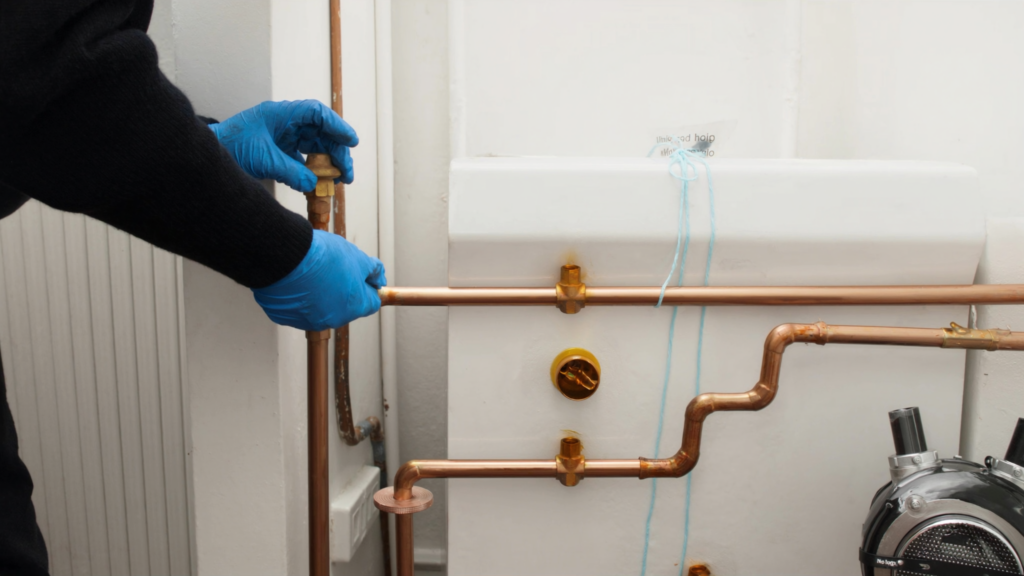
Day one: the engineer isolates and drains the system, removes the old boiler and any redundant pipework, then installs the new boiler’s wall-mounting bracket and flue terminal. Day two: they connect the gas supply (or oil feed), water pipework, condensate drain, and any system controls such as a thermostat, timer, or zone valves. If the system is dirty, the engineer will flush it with a powerflush. Day three: the engineer commissions the boiler – they test gas pressure, check the flue-gas analysis (CO/CO₂ ratio), set the flow temperature, and demonstrate operation to you (Gas Safe Register “Commissioning a boiler” guidance, 2026).
Quick numbers typical costs, labour hours, and efficiency ratings for 2026
| Item | Gas combi (24–30 kW) | Oil condensing (20–26 kW) | LPG combi |
|---|---|---|---|
| Average boiler-only cost (inc. VAT) | £750–£1,200 | £1,100–£1,800 | £850–£1,400 |
| Typical installation labour (hours) | 6–10 | 8–14 | 6–10 |
| SEDBUK / ErP efficiency rating | 92–94% (A-rated) | 90–93% (A-rated) | 92–94% (A-rated) |
| Average total installed cost (UK, 2026) | £1,800–£2,800 | £2,500–£3,800 | £2,000–£3,200 |
Source: Energy Saving Trust “Boiler installation costs” (2026 update) (Energy Saving Trust, 2026) and DESNZ “Domestic heating cost comparison” (2026 release) (DESNZ, 2026).
A boiler installation in 2026 typically takes one to three days, depending on the fuel type and system complexity
A gas combi swap where you replace an old combi with a new one of the same type often completes in a single day. A system conversion, for example from a conventional boiler with a hot water cylinder to a combi boiler, usually takes two to three days. Oil boiler installations take longer because of the external flue, tank connection, and the need for an OFTEC registered engineer – expect two to three days. LPG installations follow a similar timeline to gas but require an external tank if one is not already present, which adds a separate site visit and pipework run. You should plan for the heating and hot water to be off for the duration. The engineer will advise on overnight heating arrangements for vulnerable occupants.
The direct answer you can expect a Gas Safe or OFTEC engineer to survey, remove the old boiler, install the new one, and commission it – all within one to three days
This is the plain-English answer to the question “What does a boiler installation involve in 2026?” A licensed engineer visits your home, measures heat loss, fits the boiler and flue, connects pipework, tests safety, and demonstrates operation. The process is not DIY. It is a legal requirement that a Gas Safe registered engineer (for gas or LPG) or OFTEC registered engineer (for oil) carries out the work. If you do not use a registered installer, the installation is invalid and the boiler warranty is void. Your role is to clear the area around the boiler, provide access to the gas meter or oil tank, and sign the commissioning certificate after the engineer explains the controls and maintenance schedule. guide to choosing a boiler installer
Eligibility and certification – you must use a Gas Safe or OFTEC registered installer, and the boiler must be MCS-registered if you later apply for a heat-pump grant
For gas boilers, the installer must be on the Gas Safe Register (Gas Safe Register, 2026). For oil boilers, the installer must be OFTEC registered (OFTEC, 2026). For LPG, the installer must be Gas Safe registered and the tank supplier must be approved. The boiler itself must be certified under the UKCA or CE mark and listed on the MCS product database if you plan to later apply for the Boiler Upgrade Scheme (BUS) for a heat pump. The BUS does not apply to boiler-only installations, but the MCS registration is useful if you switch to a heat pump in the future. The installer must provide a Building Regulations compliance certificate – a Gas Safety Certificate or OFTEC notification – within 30 days of completion. Keep this certificate for insurance purposes and for when you sell your home (GOV.UK, 2026). Boiler Upgrade Scheme eligibility explained
The final handover includes a controls demonstration, a warranty document, and a maintenance plan
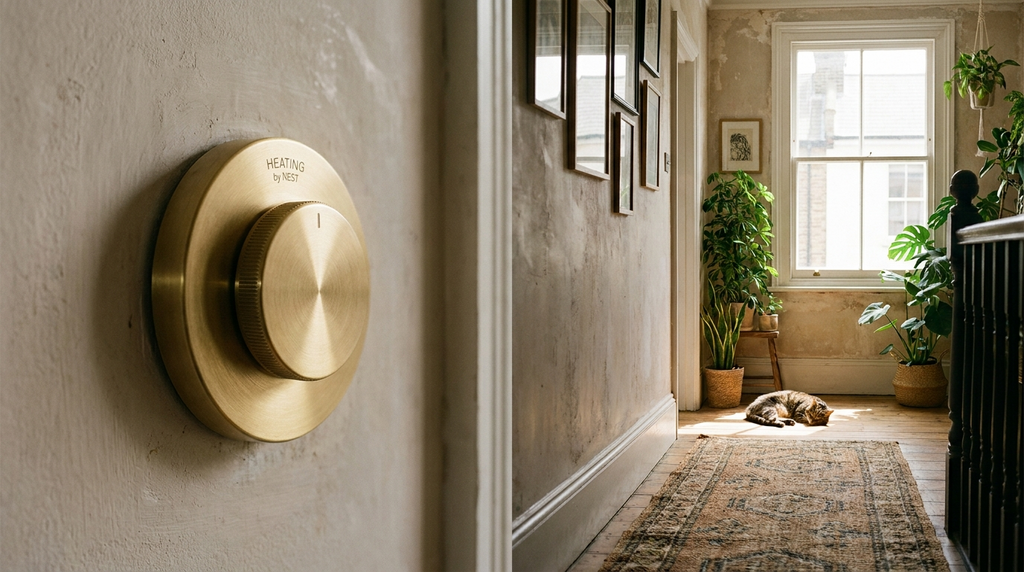
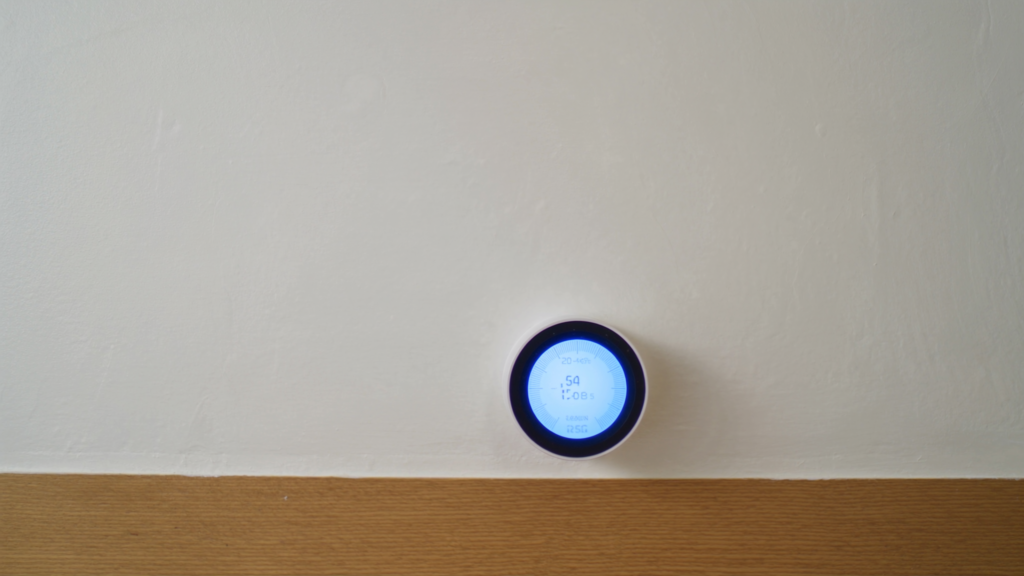
The engineer will show you how to set the thermostat, timer, and any smart controls such as Hive, Nest, or Tado. They will also explain the condensate pipe freeze-protection setting for winter. The boiler warranty – typically 5 to 10 years for parts and labour – is only valid if the installation is registered with the manufacturer within 30 days. You must complete the online registration form yourself. The engineer should leave a copy of the commissioning checklist, the flue-gas analysis printout, and a recommended service schedule. Annual servicing for gas, oil, or LPG boilers typically costs between £80 and £150. Ask for a written quote before work starts, including any contingency for unforeseen work such as replacing a corroded flue or upgrading pipework. This protects you from surprise costs and ensures you have a clear record of the agreed scope of work.
Frequently Asked Questions
A standard gas combi boiler swap takes 1 to 2 days. Oil or LPG installations may take longer due to tank and fuel line work (Gas Safe Register, 2026).
Yes, all gas boiler installations must comply with Building Regulations Part L in England and Wales. A Gas Safe registered engineer can self-certify the work (GOV.UK, 2026).
Most 3-bed semi-detached homes need a 24 kW to 30 kW combi boiler. The exact size depends on heat loss calculations from the survey (MCS MIS 3005, 2026).
No, it is illegal to install a gas boiler yourself unless you are Gas Safe registered. DIY installation risks carbon monoxide poisoning and voids warranties (Gas Safe Register, 2026).
A plume kit redirects boiler exhaust away from windows and doors. You need one if the flue terminal is within 2 metres of an opening or boundary (Building Regulations, 2026).