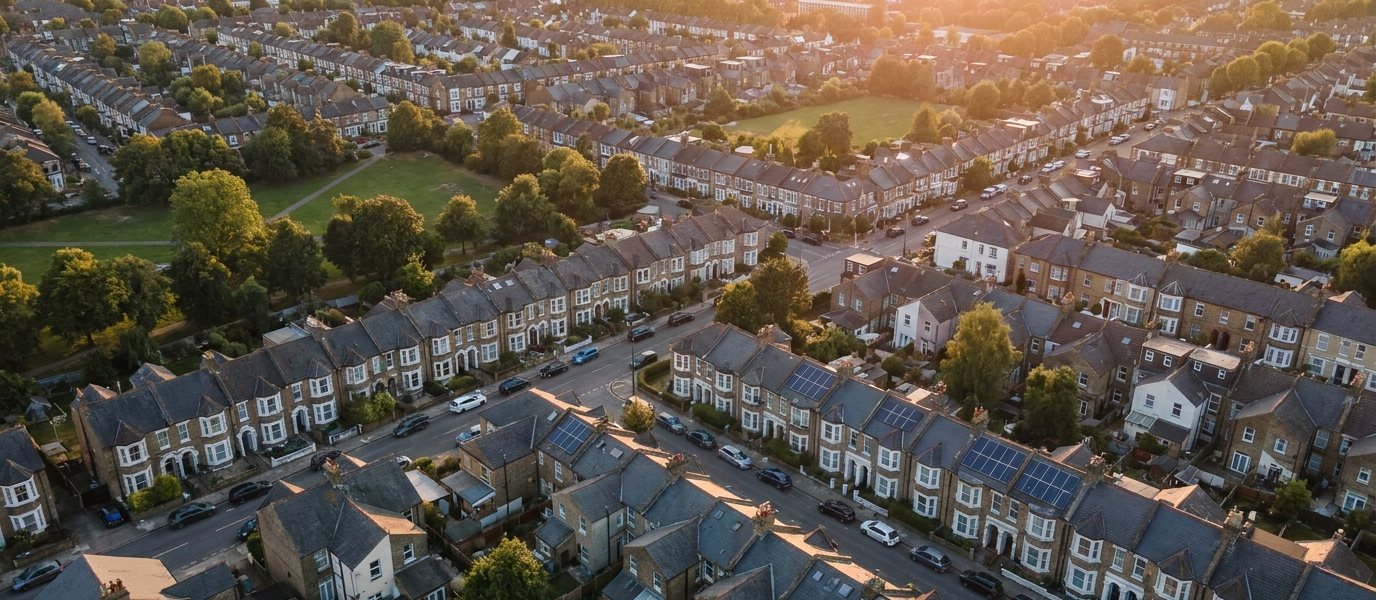
The war in Iran has done what decades of climate campaigns could not: Britain is now installing solar panels at a record pace. GOV.UK confirmed this week that applications for solar feed-in tariffs and export payments have tripled since the conflict began, as reported by GOV.UK. The spike is not driven by green idealism but by cold, hard fear of supply cuts and price volatility.
Why this matters to your energy bill
Households on standard variable tariffs are already paying £1,928 a year under the October price cap, according to Ofgem. The Iran crisis has pushed wholesale gas prices up by 40% in three months, adding roughly £120 to the average bill before the next cap adjustment. Solar panels offer a hedge: a 4kW system can generate 3,500 kWh annually, covering about 40% of a typical 3-bed semi’s electricity use. At current rates, that saves £300–£600 a year. With the Smart Export Guarantee paying 15p per kWh exported, a household can earn another £150–£200 annually.
Who qualifies, and who doesn’t
The government’s Boiler Upgrade Scheme now covers £7,500 off a heat pump if paired with solar panels, but only for homes with an EPC rating of D or below. Homes rated C or above can still apply for the £5,000 standard grant. The catch: installer capacity is strained. Solar panel wait times have stretched to 12–16 weeks in some regions, and heat pump installers report backlogs until March 2025. Energy Saving Trust advises homeowners to get three quotes and check MCS certification before signing anything.
What it costs a typical 3-bed semi
A 4kW solar panel system costs £5,000–£7,000 installed, according to industry estimates. With a battery storage unit (another £2,000–£3,000), you can store excess generation for evening use, cutting grid reliance by up to 80%. The payback period: 8–12 years without battery, 10–15 years with. But if energy prices stay elevated, and the Iran conflict suggests they will, payback could shrink to 5–7 years. The EPC impact is immediate: solar panels alone can lift a D-rated home to a C, adding up to 15 points on the rating scale.
What this misses
Yet the government’s own data shows a problem: 60% of UK homes have roofs unsuitable for solar, flat roofs, north-facing, or shaded. For those households, the solar revolution offers little. The alternative is community solar schemes or heat pumps running on grid electricity, which still exposes them to wholesale price swings. The war in Iran has accelerated the transition for the lucky few, but energy inequality is widening.
What to do next
If your roof faces south, west, or east and gets direct sun for most of the day, apply for a solar panel quote before Christmas. The Boiler Upgrade Scheme grant for heat pumps expires on 31 March 2025, book an installer now. Check your EPC rating on the gov.uk register; if it’s D or below, you qualify for the full £7,500. Do not wait for prices to drop, installer costs are rising with demand, and the geopolitical clock is ticking.
Frequently Asked Questions
A 4kW solar panel system for a typical 3-bed semi costs between £5,000 and £7,000 installed. Adding a battery storage unit costs another £2,000 to £3,000, but can cut grid reliance by up to 80%. The payback period is 8–12 years without a battery, or 5–7 years if energy prices stay elevated.
The Boiler Upgrade Scheme offers £7,500 off a heat pump if paired with solar panels, but only for homes with an EPC rating of D or below. Homes rated C or above can still get the standard £5,000 grant. The scheme expires on 31 March 2025, so book an installer soon.
A 4kW system generating 3,500 kWh annually can save £300–£600 a year on electricity bills for a typical 3-bed semi. With the Smart Export Guarantee paying 15p per kWh exported, you can earn another £150–£200 annually. At current price cap rates of £1,928 a year, that's significant relief.
Unfortunately, 60% of UK homes have roofs unsuitable for solar panels, including flat roofs, north-facing, or shaded ones. For those households, alternatives like community solar schemes or heat pumps running on grid electricity are options, but they still expose you to wholesale price swings.
Solar panel wait times have stretched to 12–16 weeks in some regions, and heat pump installers report backlogs until March 2025 due to high demand. The Energy Saving Trust advises getting three quotes and checking MCS certification before signing anything to avoid delays.





