The most popular door materials for UK homes in 2026
Composite doors now dominate the UK market, accounting for over 60% of new installations according to industry data from the Glass and Glazing Federation (GGF). Their popularity comes from a combination of durability, low maintenance, and good thermal performance. A composite door typically consists of a timber or uPVC frame with a solid polyurethane foam core and a glass-reinforced plastic (GRP) skin.
Composite doors are the most popular door design UK choice in 2026, with over 60% of new installations. They offer a balance of durability, low maintenance and thermal performance, typically costing £1,000–£2,500 installed.
- Composite doors account for over 60% of new UK installations (GGF).
- uPVC doors cost £500–£1,000 installed with a 20–25 year lifespan.
- Timber doors need annual painting to maintain weather resistance.
- Aluminium doors are 20–30% pricier than composite but offer slim lines.
- Building Regs set max door U-value at 1.6 W/m²K; aim for 1.4 or lower.
- The most popular door materials for UK homes in 2026
- How door design affects your home's energy performance
- The best door styles for different UK property types
- Quick numbers door costs, sizes, and energy savings
- How to choose the right door colour and finish
- The clear answer to "what is the most popular door design in the UK?"
- How to verify your door installer's certification and eligibility
uPVC remains the most budget-friendly option, with a typical installed cost of £500–£1,000 and a lifespan of 20–25 years before replacement is needed (GOV.UK Approved Document L, 2021). Timber doors offer the highest aesthetic value, particularly for period properties, but require annual painting or staining to maintain weather resistance. Aluminium doors are gaining popularity for their slim sightlines and modern appearance, though they are typically 20–30% more expensive than composite doors. Steel doors provide the highest security rating but can dent and are less common in residential settings.
How door design affects your home’s energy performance
The Building Regulations Part L (2021 update) sets a maximum U-value of 1.6 W/m²K for external doors, though 1.4 W/m²K or lower is now common for new installations (GOV.UK, 2021). U-value measures how easily heat passes through a material; lower numbers mean better insulation.
Composite and timber doors with a polyurethane foam core achieve the lowest U-values, often below 1.0 W/m²K. Glazed panels, including decorative glass, reduce thermal performance; a full-glazed door can have a U-value 30–40% higher than a solid panel door. Draught-proofing strips and threshold seals are critical, up to 15% of a door’s heat loss occurs through gaps, not the door itself (Energy Saving Trust, 2026).
The best door styles for different UK property types
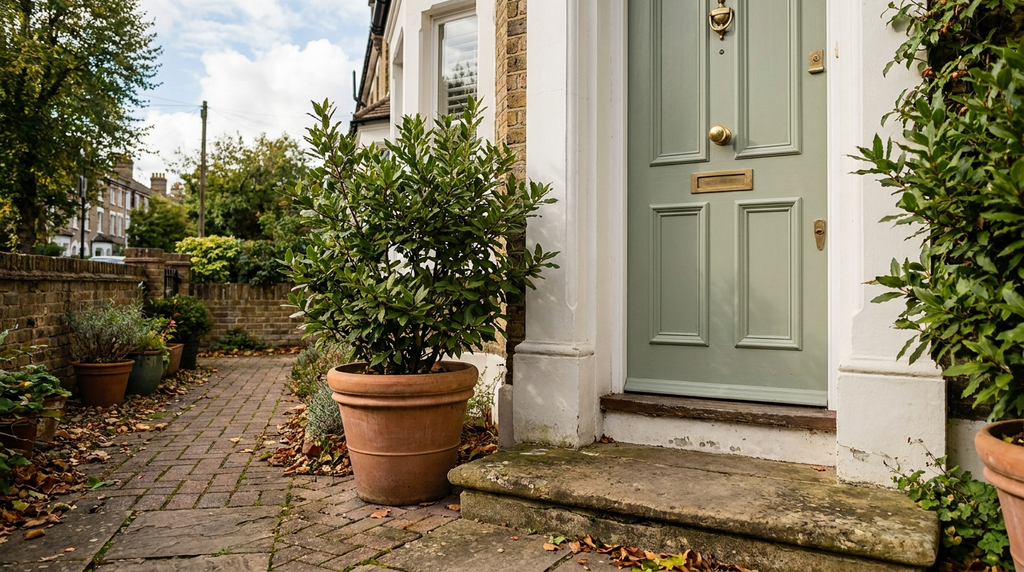
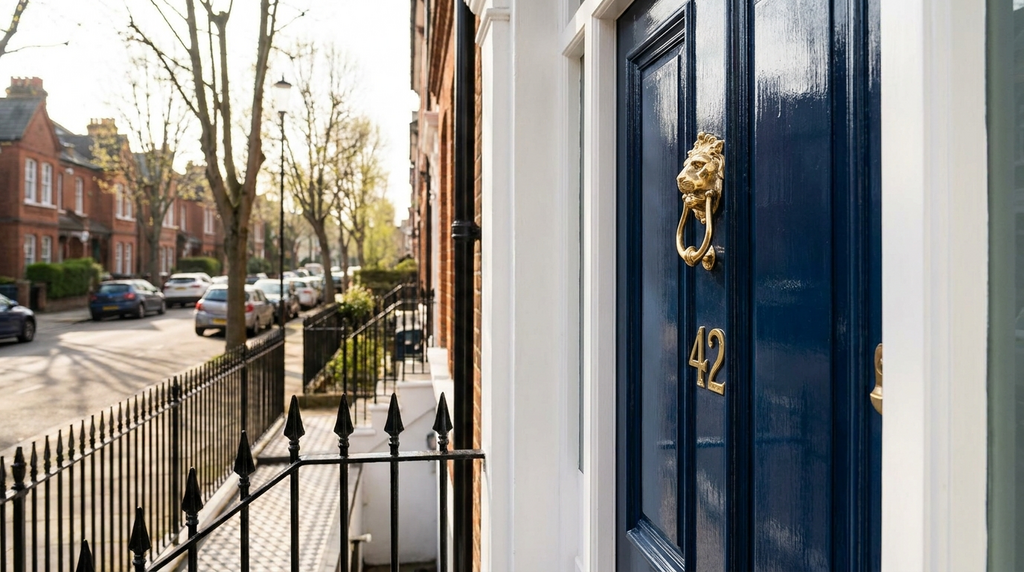
Victorian and Georgian terraces suit six-panel timber or composite doors with a traditional letter plate and brass furniture. The six-panel design is a direct replica of original Victorian joinery and maintains the property’s character.
1930s semi-detached homes pair well with a four-panel or glazed top-half door, often with a matching side panel. This style allows natural light into the hallway while preserving the symmetrical frontage typical of the era.
Modern new-builds (post-2000) benefit from flush, minimalist aluminium or composite doors with horizontal glazing bars. Cottage-style properties look best with a stable door (split horizontally) or an arched-top timber door with decorative ironmongery.
Quick numbers door costs, sizes, and energy savings
| Material | Installed cost range (£) | Typical U-value (W/m²K) | Estimated lifespan (years) | Annual energy saving vs. 1990s door (£) |
|---|---|---|---|---|
| Composite | 1,200–1,800 | 1.0–1.2 | 25–35 | 80–120 |
| uPVC | 500–1,000 | 1.3–1.6 | 20–25 | 50–80 |
| Timber | 1,500–3,000 | 1.0–1.4 | 30–50 (with maintenance) | 60–100 |
| Aluminium | 1,500–2,500 | 1.2–1.5 | 30–40 | 70–110 |
| Steel | 800–1,500 | 1.4–1.8 | 20–30 | 40–70 |
Costs and savings are based on a standard UK single door (approx. 1980mm x 838mm) and assume replacement of a 1990s timber door with single glazing and no draught-proofing (Energy Saving Trust, 2026; GOV.UK, 2021; GGF industry pricing surveys).
How to choose the right door colour and finish
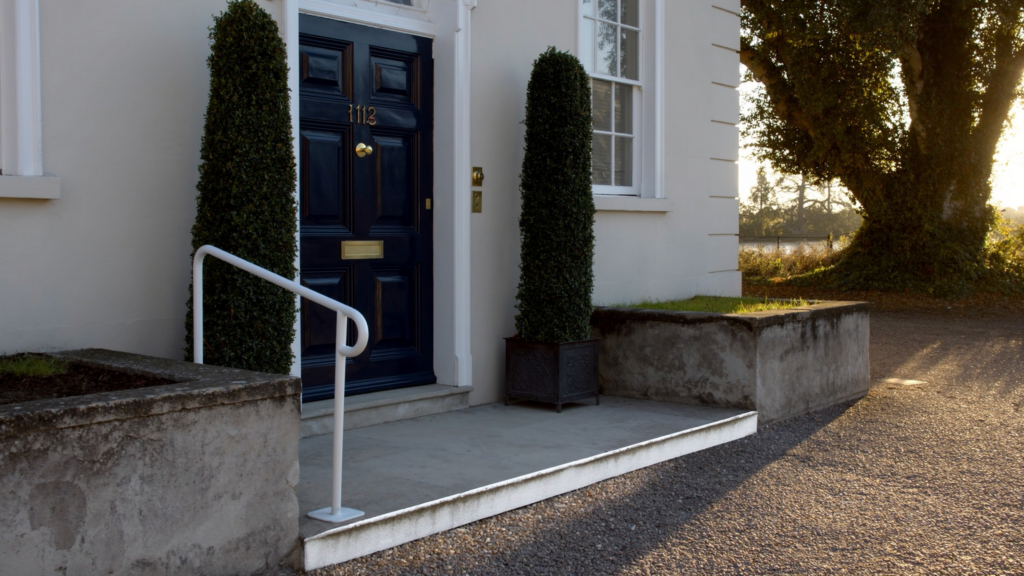
Dark colours (black, anthracite grey, navy) are the most popular choice in 2026, accounting for over 40% of new door orders according to trade data from the Glass and Glazing Federation. These colours absorb more solar heat but also show less dirt and fading over time.
Light colours (white, cream, pastels) reflect more heat but show dirt more easily; they are common for uPVC doors. Wood stains (oak, walnut, mahogany) require annual re-oiling to prevent UV fading and moisture damage. Paint finishes for timber doors must be exterior-grade microporous to allow the wood to breathe and prevent peeling.
For composite and aluminium doors, the colour is typically baked into the finish during manufacture, so no ongoing painting is needed. This is a key reason composite doors outsell timber options for homeowners who want a consistent colour with no maintenance.
The clear answer to “what is the most popular door design in the UK?”
The most popular door design in the UK in 2026 is a composite door with a solid top panel and a single glazed panel below, in an anthracite grey finish, with a multipoint locking system. This design balances security (multipoint locks are standard on composites), thermal performance (U-value around 1.2 W/m²K), and kerb appeal (the glazed panel lets in light without compromising privacy).
It is available from all major UK manufacturers, including Rockdoor, Solidor, and Endurance, and is the most commonly recommended choice by installers. composite door buying guide
How to verify your door installer’s certification and eligibility
The Microgeneration Certification Scheme (MCS) is not required for door installation unless you are claiming a grant for energy-efficient upgrades, such as the Great British Insulation Scheme (GOV.UK, 2026). For security, ensure the installer is registered with Secured by Design (SBD) if you want doors that meet police-preferred standards.
The Glass and Glazing Federation (GGF) membership provides a guarantee scheme for workmanship and insurance backing. Check that the installer holds a valid TrustMark registration for consumer protection and dispute resolution (TrustMark, 2026). For timber doors, verify FENSA registration if the door includes glazing, as this certifies compliance with Building Regulations for replacement windows and doors (FENSA, 2026). how to choose a door installer
Frequently Asked Questions
Composite doors are the most popular, accounting for over 60% of new installations according to the Glass and Glazing Federation (GGF). They combine a timber or uPVC frame with a polyurethane foam core and GRP skin.
A composite door typically costs £1,000–£2,500 installed, depending on design and glazing. This is more than uPVC (£500–£1,000) but less than aluminium or timber options.
Composite and timber doors with a polyurethane foam core achieve the lowest U-values, often below 1.0 W/m²K, according to GOV.UK Approved Document L (2021). Glazed panels reduce thermal performance by 30–40%.
uPVC doors typically last 20–25 years before needing replacement, based on industry standards from GOV.UK Approved Document L (2021). They are the most budget-friendly option but offer lower insulation than composites.
Victorian terraces suit six-panel timber or composite doors with a traditional letter plate and brass furniture. This style matches period aesthetics while offering modern thermal performance.