Why Aberdeen Homeowners Are Looking at Double Glazing Right Now
Aberdeen is cold. Not Edinburgh cold, not Glasgow cold, genuinely, persistently, bone-chilling cold. With over 2,200 heating degree days per year, the city sits firmly in the bracket of Scotland’s most demanding climates for home heating, and that number hits your energy bills every single winter without mercy.
Here’s what’s concentrating minds right now: the average Aberdeen home sits at EPC Band D and burns through around 14,000 kWh of gas annually, that’s noticeably above the Scottish median. With gas prices remaining stubbornly high in 2026, many homeowners are finally doing the sums on heat loss and finding that single-glazed or ageing double-glazed windows are haemorrhaging warmth they’ve already paid to generate.
There’s also a distinctly Aberdeen-shaped reason for the current surge of interest. A huge proportion of the city’s housing stock, those solid granite terraces in Rosemount and Torry, the inter-war semis in Mannofield and Mastrick, the post-war estates in Northfield and Sheddocksley, was built in eras when window insulation was essentially an afterthought. Many of these homes still have their original frames, or a first-generation double glazing installation from the 1990s that’s well past its useful life. Replacing either represents one of the most impactful upgrades you can make.
Add to that Aberdeen City Council’s growing retrofit ambitions under Scotland’s Heat in Buildings Strategy, and the availability of genuine financial support through Home Energy Scotland, and the case for acting now is stronger than it’s been in years.
What Double Glazing Actually Involves for a Typical Aberdeen Home
The practical reality of a double glazing installation varies considerably depending on what kind of property you live in, and Aberdeen has a very specific mix to consider.
Granite Terraces and Pre-War Tenements
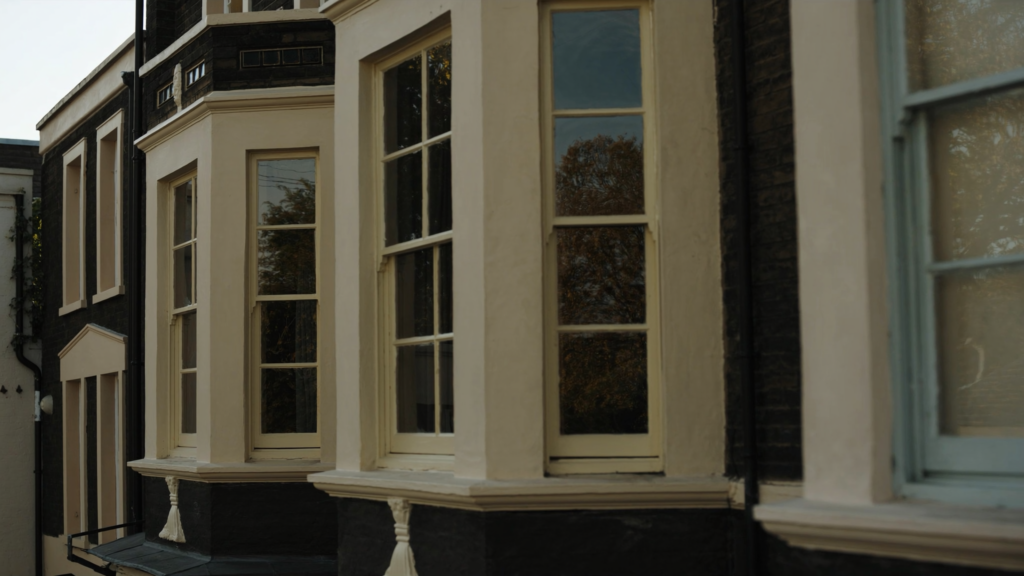
The granite-built terraces and tenement flats that define so much of Aberdeen’s inner city present a particular challenge. The stone walls are thick and beautiful, but the original timber sash and case windows they were designed around are a very specific product to replace. You’ll need a specialist who understands traditional sash geometry, because a poorly fitted modern frame in a granite reveal looks dreadful and can cause condensation problems where the new frame meets centuries-old masonry.
If your property is a flat, which accounts for a large portion of Aberdeen’s housing stock, you’ll also need to establish whether you own the windows outright or whether they’re a shared maintenance responsibility under your title deeds. Many Aberdeen tenement flats operate under a common scheme, meaning your neighbours may need to agree to replacements, or replacements may need to match a uniform style across the building.
Inter-War and Post-War Semis
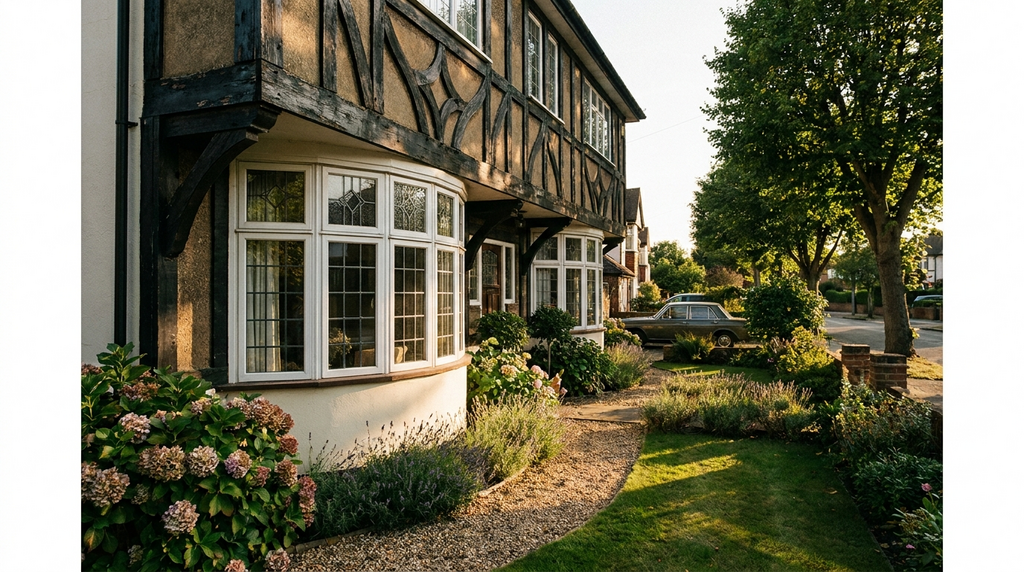
The semis of Mannofield, Cults, and Bieldside, and the post-war builds of Bridge of Don and Dyce, tend to be more straightforward to upgrade. Standard casement windows in UPVC or timber suit these properties well, access is generally good, and installations typically run to a single day without scaffolding requirements.
One thing to watch with 1930s–1960s Aberdeen semis is the original hardwood frames. These were often excellent quality and may be repairable rather than replaceable, it’s worth getting an honest assessment before committing to full replacement.
High-Rise and Modern Flats
Aberdeen has a significant number of high-rise blocks, particularly in areas like Tillydrone and Seaton. Glazing in these properties is almost always a factor of your factoring or management company, not something you can organise independently. Always confirm ownership and permissions before spending a penny.
How Much Double Glazing Costs in Aberdeen and the Wider Aberdeenshire Area in 2026
Aberdeen sits at the higher end of Scottish installation costs. Labour rates here are above the Scottish average, partly because of the city’s historical relationship with the oil and gas industry keeping trade wages elevated, and partly because specialist installers covering a city of 229,000 are in steady demand. Expect to pay roughly 8–12% more than you would in Inverurie or Peterhead for the same job.
| Property Type | Number of Windows | UPVC Casement (Standard) | Timber Sash Replacement | Triple Glazing Upgrade |
|---|---|---|---|---|
| Ground-floor flat | 3–5 | £2,800 – £4,200 | £4,500 – £6,500 | £4,200 – £6,000 |
| Upper-floor flat (with access equipment) | 3–5 | £3,500 – £5,000 | £5,500 – £8,000 | £5,000 – £7,200 |
| Semi-detached house | 7–9 | £5,500 – £7,500 | £8,000 – £13,000 | £7,500 – £11,000 |
| Terraced house | 6–8 | £4,800 – £6,800 | £7,500 – £11,000 | £6,500 – £9,500 |
| Detached family home | 12–16 | £9,000 – £14,000 | £14,000 – £22,000 | £13,000 – £19,000 |
Why costs vary in Aberdeen specifically: Access is a significant cost driver in the city centre and in tenement areas, scaffolding for upper floors on a tenement stair can add £600–£1,200 to a quote. Parking restrictions in areas like the West End and Rosemount mean longer carries from the van, and tight granite-built closes reduce the size of frames that can be manoeuvred inside. Always ask your installer how they’ve costed for access before signing anything.
Installers covering Aberdeen also typically serve Inverurie, Westhill, and out to Peterhead. You may find a slightly better price by using an Inverurie-based firm willing to travel, but factor in whether their after-sales service and warranty call-outs are realistic at that distance.
How Aberdeen’s Weather and Location Change What You Should Buy
Aberdeen’s climate is genuinely unusual in a UK context, and it should directly influence your product choices in ways that generic buying guides simply won’t tell you.
The city faces an unusual combination of challenges: long, cold winters with heavy heating demand, strong northeasterly winds coming off the North Sea, especially exposed in areas like Nigg, Torry, and the beachfront stretches near Bridge of Don, and a relatively modest solar gain compared to central and southern Scotland. That last point matters because some energy calculations for double glazing assume a meaningful solar contribution to heating, which Aberdeen’s short winter days (sometimes just six hours of usable daylight) simply don’t deliver consistently from October through February.
Wind and Air Infiltration
The northeast wind exposure means that draught-proofing around your window frame is almost as important as the glass specification itself. Ask installers specifically about their sealing and finishing detail on the external reveal, this is where heat loss often continues even after new windows are fitted, and it’s an area where cheaper installations cut corners.
Condensation Risk
Aberdeen’s relatively high humidity, a consequence of its coastal and northerly position, makes warm-edge spacer bars in your sealed units important. Standard aluminium spacer bars conduct cold from the edge of the glass into the room and are a classic cause of condensation at the window perimeter. Warm-edge spacers (look for brands like Swisspacer or ThermoBar) reduce this significantly and are well worth specifying.
Snow Loading
If you have any roof glazing, a sun tunnel, or a conservatory roof alongside your window replacement, Aberdeen’s snow loading needs to be accounted for in the structural specification. The Cairngorm plateau isn’t far, and heavy snowfall events reach the city more regularly than many installers who primarily work further south will design for.
The Products and Options That Actually Perform Well in Aberdeen
Given everything above, here’s genuinely honest advice on what to specify for an Aberdeen home rather than a generic south-of-England recommendation.
- Triple glazing is worth serious consideration. In most of the UK, triple glazing is an optional luxury. In Aberdeen, with your heating degree days and northeast exposure, the payback case is meaningfully stronger. For north-facing or sea-facing elevations especially, specify triple-glazed units with a U-value of 0.8 W/m²K or better.
- Low-E glass with argon fill as a minimum. If budget constrains you to double glazing, don’t accept anything less than a centre-pane U-value of 1.1 W/m²K. The cheapest double-glazed units on the market are simply not adequate for Aberdeen winters.
- UPVC frames suit most Aberdeen properties for thermal performance, low maintenance, and value. However, for granite or traditional stone properties, particularly in conservation areas, you may need timber or aluminium frames with appropriate colour finishes. Composite frames (timber core, aluminium outer) are an excellent middle ground.
- Warm-edge spacer bars are non-negotiable in this climate. Specify them by name in your contract and confirm the installer will provide evidence of compliance.
- Trickle vents matter more than you think. Scottish Building Regulations Section 6 require adequate background ventilation, and with Aberdeen homes being well sealed after installation, trickle vents prevent the condensation and damp issues that older Aberdeen granite homes are already prone to.
How to Find a Trustworthy Double Glazing Installer Near Aberdeen
Aberdeen has a healthy number of double glazing installers, ranging from large national companies with local branches to genuinely local firms who’ve been operating in the granite city for decades. Here’s how to navigate the market intelligently.
Certifications to Look For
- FENSA registration, this is the primary certification for window and door installers in Scotland. A FENSA-registered installer self-certifies compliance with Building Regulations, which saves you the cost of a separate building control application.
- CERTASS, an alternative to FENSA that carries the same legal weight. Either is acceptable.
- TrustMark, a government-endorsed quality scheme. Particularly useful if you’re using any grant funding, as some schemes require TrustMark-registered installers.
- Which? Trusted Trader or Checkatrade, not regulatory, but the verified review trail is valuable for a high-value purchase like this.
Questions Worth Asking Before You Sign
- Are you FENSA or CERTASS registered, and will you provide a compliance certificate on completion?
- What U-value will the completed installation achieve, and can you show me the product data sheet?
- What warm-edge spacer system do you use?
- How do you handle access in tenement or upper-floor properties, is scaffolding included in this quote?
- What is your warranty period for frames, sealed units, and hardware separately?
- Are you covered for work in conservation areas, and have you done similar projects locally?
Lead times in Aberdeen in 2026 are running at roughly 4–8 weeks from survey to installation for most standard jobs. Conservation area and heritage-specification windows can take 10–14 weeks given the bespoke manufacturing involved. Plan accordingly, especially if you’re trying to improve your home before the next heating season.
Installers operating out of Inverurie (22km west) and those covering Peterhead (44km north) regularly take on Aberdeen jobs, the city is at the hub of most Aberdeenshire installer coverage areas. This is genuinely useful because it increases your competitive tender options. Get at least three quotes, and don’t assume the Aberdeen-city firm is automatically better than a well-regarded Inverurie-based business.
Grants and Funding That Could Reduce Your Costs in 2026
Aberdeen residents benefit from both UK-wide schemes and Scotland-specific funding, and the combination can be genuinely significant for eligible households.
Home Energy Scotland Loan
This is the most accessible and widely useful scheme for Aberdeen homeowners who don’t qualify for free grant funding. Home Energy Scotland, funded by the Scottish Government, offers interest-free loans of up to £15,000 for energy efficiency improvements including double and triple glazing. There’s no income threshold, it’s available to all homeowner-occupiers in Scotland. Repayments are spread over up to 12 years. Apply through Home Energy Scotland directly; they also provide a free impartial advice service before you commit to any installation.
Warmer Homes Scotland
For Aberdeen residents on qualifying low incomes or certain benefits, Warmer Homes Scotland provides fully funded energy efficiency upgrades including glazing in some cases. Eligibility centres on income thresholds and benefit entitlements, if you receive Universal Credit, Pension Credit, or are in fuel poverty, you should explore this route first. Aberdeen City Council’s Home Energy Advice team can help you assess eligibility and navigate the application.
Energy Company Obligation (ECO4)
ECO4 applies across Scotland and obliges large energy suppliers to fund improvements for lower-income and fuel-poor households. Glazing is fundable under ECO4 where it’s part of a broader package of improvements. Contact your energy supplier directly or use the ECO4 Flex route, which Aberdeen City Council can recommend households for. The council has historically been proactive with referrals.
Great British Insulation Scheme (GBIS)
GBIS focuses primarily on insulation measures but can sometimes be combined with glazing improvements in a broader package. Worth exploring if you’re undertaking multiple upgrades simultaneously.
Practical tip: Always call Home Energy Scotland (0808 808 2282, free from mobiles) before approaching installers directly. They can map out which schemes you qualify for and which to apply for first, potentially saving you thousands before a single window is measured up.
Planning Permission and Aberdeen City Council Regulations
The good news first: for most Aberdeen homeowners with standard semi-detached or terraced properties, replacing windows with double or triple glazing is covered by Permitted Development rights and does not require planning permission. Your FENSA or CERTASS installer will handle Building Regulations compliance through self-certification.
However, Aberdeen has a significant number of properties where this straightforward picture changes considerably.
Conservation Areas
Aberdeen City Council has designated numerous conservation areas including the West End, Rosemount, the historic city centre around Union Street, and parts of Old Aberdeen around the university. If your property falls within a conservation area, you will almost certainly need planning consent from Aberdeen City Council to replace windows, and the council will typically require that replacements match the character of the existing windows, which usually means traditional timber sash and case profiles, not UPVC.