Why Ballymena Homeowners Are Turning to Double Glazing Right Now
There’s a quiet revolution happening across Ballymena’s residential streets. From the Victorian terraces off Galgorm Road to the post-war semis in the Harryville and Dunclug areas, homeowners are waking up to something that’s been staring them in the face, quite literally, through draughty, single-glazed or tired old windows. With energy bills still biting hard and a damp Atlantic chill that settles into this part of the Braid Valley from October through to April, double glazing has moved from a “nice to have” to a genuine priority.
Ballymena sits in a natural bowl between the Antrim Hills and Slemish Mountain, which means cold air pools here in winter evenings in a way that catches people off guard if they’ve moved from elsewhere. That distinctive geography, combined with prevailing westerly winds sweeping in off the coast near Larne and beyond, means your windows take a real battering here. The average Ballymena home uses around 13,500 kWh of energy per year, much of that disappearing through inadequate glazing.
There’s also a practical Northern Ireland angle here. Oil heating dominates across much of the town and surrounding townlands, since many properties sit off the gas grid. When oil prices surge, the pain is immediate and sharp. Better-performing windows directly reduce how hard your boiler has to work, which hits your oil consumption faster than most homeowners expect. That’s a very Ballymena reason to act now.
What Double Glazing Actually Involves for a Typical Ballymena Home
Let’s talk about what the job actually looks like on the ground. Most Ballymena homes are either semi-detached or terraced, think the solid red-brick streets of Waveney and Ballykeel estates, or the older Victorian and Edwardian properties closer to the town centre and around Wellington Street. These housing types have their own quirks for glazing.
Terraced homes, especially the pre-1930s stock you’ll find in central Ballymena, often have larger, older timber frames with deep reveals. That’s actually good news, it gives installers plenty to work with and means you can often upgrade without wholesale frame replacement. However, the original sash-style windows in some of these older properties require more thought, particularly if you’re in or near a conservation designation.
The post-war semis that make up a large chunk of Ballymena’s housing stock, particularly in areas like Hillside and the estates spreading south and east of the town centre, were typically built between the 1950s and 1980s. These often have standard casement windows in relatively simple openings, which makes double glazing installation more straightforward. If your home was built in this era, you’re looking at a pretty clean installation without many surprises.
A few practical things to know before you start:
- Older homes may have reveals (the space between the outer wall and the window frame) that need building up if you’re going from a slim original frame to a modern uPVC unit
- Cavity walls in homes built before the 1970s sometimes used different construction techniques than you’d find in England, your installer needs Northern Ireland experience
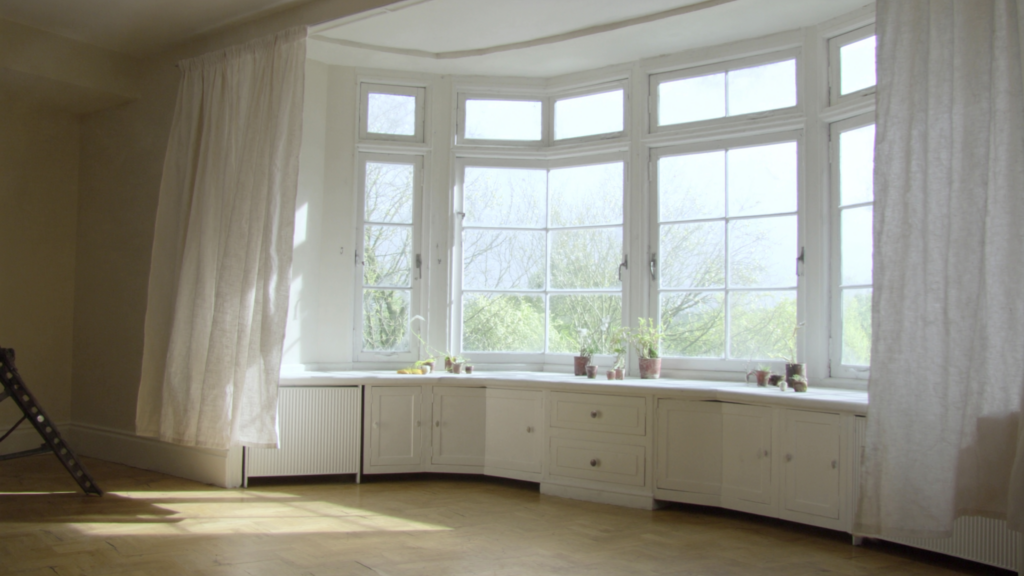
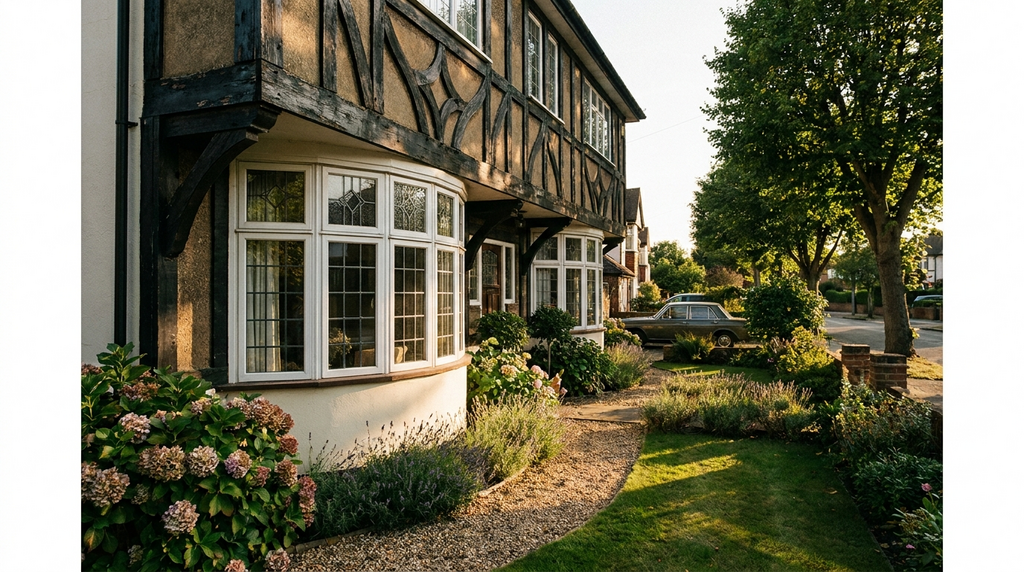
- Many Ballymena properties have bay windows, especially in the older streets, these cost more to glaze and need careful measuring
- Access can be tight in terraced rows with small rear yards, scaffolding requirements need to be discussed upfront
- Oil boilers and older heating systems may need a service after glazing, since the reduced heat loss can affect how the boiler cycles
How Much Double Glazing Costs in Ballymena and the Northern Ireland Area in 2026
Let’s get into the numbers. Prices in Ballymena are generally slightly lower than in Belfast city and comparable to nearby towns like Antrim and Larne. You won’t face the London or South East premium, but you should also be aware that remote supply chains and fewer local manufacturers mean some materials cost a touch more than in central England. Here’s a realistic breakdown for 2026:
| Property Type | Number of Windows | Standard uPVC Double Glazing | Premium uPVC or Composite | Aluminium Frames |
|---|---|---|---|---|
| Small terraced (2 bed) | 6–8 windows | £3,200 – £4,500 | £4,800 – £6,200 | £6,500 – £8,000 |
| Mid terraced (3 bed) | 8–10 windows | £4,200 – £5,800 | £6,000 – £7,800 | £8,200 – £10,500 |
| Semi-detached (3 bed) | 10–12 windows | £5,000 – £7,000 | £7,200 – £9,500 | £9,500 – £13,000 |
| Semi-detached (4 bed) | 12–15 windows | £6,500 – £9,000 | £9,000 – £12,000 | £12,000 – £16,000 |
| Bay window supplement | Per bay | +£600 – £900 | +£900 – £1,400 | +£1,200 – £1,800 |
These figures include supply, fitting, and removal of old frames. They do not include any structural repairs to reveals or lintels, which occasionally crop up in older Ballymena properties and can add £200–£600 to the job.
Why might your quote come in at the higher end? A few Ballymena-specific factors push prices up:
- Access and parking, narrow terraced streets near the town centre mean materials have to be carried further
- Conservation area requirements, heritage-style frames and specific colours cost more
- Marine-grade hardware, given the proximity to the coast and salt-laden westerly winds, quality fittings matter (more on this below)
- Scaffolding, upper floor windows on end-terrace properties often need it when there’s no side access
Compared to the Northern Ireland average, Ballymena sits roughly 5–8% below Belfast prices and is broadly level with Antrim town. Carrickfergus and Larne (both coastal) can run slightly higher for marine-grade specifications.
How Ballymena’s Weather and Location Affect Your Double Glazing Choices
This is where living in Ballymena genuinely changes the conversation. You’re not just choosing windows, you’re choosing windows for a specific set of conditions that a salesperson based in Belfast or further afield might not fully appreciate.
Ballymena records somewhere between 1,000 and 2,000mm of rainfall per year, with westerly gales driving rain horizontally against your front and side elevations. This is what’s known as driving rain exposure, and it matters enormously for window performance. A window that performs adequately in a sheltered suburban street in Antrim might leak around the seals or let in draughts within a few years here.
The heating degree days figure, a measure of how hard your heating system works, sits around 1,800 to 2,200 for this part of Northern Ireland. That’s significantly higher than much of England, and it means your windows are working to keep heat in for a larger portion of the year. The U-value of your glazing (how quickly heat passes through it) matters more here than it would in, say, Surrey.
Then there’s the salt air. Ballymena is around 30km from the coast at Larne, but the prevailing westerlies carry salt-laden air inland. This accelerates corrosion on hardware, hinges, handles, locking mechanisms, faster than you’d expect for an inland town. Cheap hardware will pit and seize within a few years.
Practical implications for your window choice:
- Choose glazing units with a U-value of 1.0 W/m²K or lower, the standard 1.2 rating is the minimum, but Ballymena winters reward going further
- Ask specifically about weather seals rated for Class 3 or Class 4 driving rain resistance (BS 6375 Part 1)
- Request stainless steel or marine-grade hardware for all exposed elevations, it costs a little more but lasts years longer here
- Argon-filled units are standard; krypton-filled units perform even better in a cold climate and are worth asking about for north and west-facing rooms
- Low-E glass coating is non-negotiable for Ballymena, it keeps warmth in during those long January nights
The Products and Options That Work Best in This Climate
Based on what actually performs well in Northern Ireland conditions, not just on a specification sheet, here’s what a knowledgeable local would recommend for a Ballymena home.
uPVC Frames, Still the Workhorse
For most Ballymena semis and terraces, a well-specified uPVC frame remains the best value option. Go for a multi-chambered profile (six or more chambers) rather than the basic three-chamber profiles some budget installers use. The extra chambers improve both thermal performance and sound insulation, useful if you’re on a busy road like the Cushendall Road or near the town centre.
Triple Glazing, Worth Considering Here
Triple glazing costs roughly 20–30% more than double, but in a climate with Ballymena’s heating degree days, the payback is genuinely better than the national average suggests. If you’re replacing all windows in one go on a north or west-facing elevation, get a quote for triple glazing and run the numbers. U-values of 0.7–0.8 W/m²K are achievable, versus 1.0–1.2 for standard double.
Acoustic Glazing for Certain Locations
Homes near Ballymena town centre, the Broughshane Road, or any of the through-routes carrying HGV traffic to the M2 corridor benefit from acoustic laminated inner panes. The difference on a noisy night is remarkable and has real quality-of-life value beyond the energy savings.
Frame Colour and Finish
Anthracite grey and Irish Oak woodgrain finishes are popular across Ballymena right now, and they suit the brick and render elevations common in the town well. Just be aware that darker colours absorb heat and can expand slightly more, ensure your installer accounts for this in the gasket and seal specification for exposed elevations.
Trickle Vents
Don’t block them out. Northern Ireland Building Regulations require trickle vents in replacement windows in most circumstances, and in a climate with this much rainfall, you need background ventilation to prevent condensation and mould. They’re not optional extras, treat them as a feature.
How to Find a Trustworthy Double Glazing Installer Near Ballymena
The double glazing industry has more than its share of rogues, and Northern Ireland is no exception. Here’s how to protect yourself and find someone genuinely good.
Certifications to look for:
- FENSA registration, this is the key one for windows in Northern Ireland, confirming the installer self-certifies compliance with Building Regulations
- TrustMark accreditation, a government-endorsed quality scheme that applies across the UK including Northern Ireland
- CERTASS membership, an alternative to FENSA, equally valid, and used by several Northern Ireland companies
- Check membership of the Glass and Glazing Federation (GGF) for additional peace of mind
Questions worth asking any installer:
- Are you FENSA or CERTASS registered, and will you provide a certificate on completion
- What U-value will the finished units achieve, and can you confirm this in writing
- What hardware spec do you use for coastal and exposed locations, is it stainless or marine-grade
- What’s your guarantee on both the frames and the sealed unit itself, are they separate guarantees
- Can you provide references from jobs in Ballymena or the Mid and East Antrim Borough Council area
Red flags to walk away from:
- Pressure to sign on the day with a “today only” discount
- No written quote breaking down unit cost, fitting cost, and removal separately
- Unable to name their frame profile manufacturer
- No fixed business address in Northern Ireland
Most reputable installers serving Ballymena also cover Antrim, Larne, Carrickfergus, and the Belfast corridor. A company with a genuine presence across this cluster of towns, rather than one that occasionally travels up from Belfast for a job, will have proper experience with the specific building stock and weather conditions you’re dealing with. Lead times in 2026 are running at around four to eight weeks from survey to installation for most local companies.
Grants and Funding That Could Reduce Your Costs in 2026
Northern Ireland operates separately from the GB energy market, which means different schemes apply here, and some of them are genuinely generous. Here’s what’s available to Ballymena homeowners right now.
The Affordable Warmth Scheme
This is the most significant grant available to eligible Ballymena homeowners. Managed through the NI Housing Executive, it provides funding for energy efficiency measures including windows and doors for households on low incomes or certain benefits. If your household income is below around £23,000 or you receive qualifying benefits, you could receive a substantial contribution, in some cases covering most of the installation cost. Apply through the Housing Executive office in Ballymena or via their online portal.
NISEP, The NI Sustainable Energy Programme
The NI Sustainable Energy Programme is funded through energy suppliers including Power NI and SSE Airtricity. It provides grants and subsidies for energy efficiency measures through obligated suppliers. The specific measures covered change each year, so contact your supplier directly to ask what’s currently available for window upgrades.
ECO4 in Northern Ireland
ECO4 is a Great Britain scheme and does not operate in Northern Ireland. ECO4 is a Great Britain scheme and does not operate in Northern Ireland. Your energy supplier is the first port of call.
Mid and East Antrim Borough Council
Mid and East Antrim Borough Council, which covers Ballymena, periodically runs or signposts local energy efficiency support programmes. It’s worth a direct