Why Cookstown Homeowners Are Looking at Double Glazing Right Now
There’s a particular kind of draughty misery that anyone who’s spent a winter in Cookstown will recognise. Sitting in the front room of a semi-detached on the Moneymore Road or a detached farmhouse outside the town, you can practically feel the warmth being pulled out through the windows while the heating works overtime. That’s not your imagination, it’s physics, and it’s expensive.
Cookstown sits in the Sperrins foothills, exposed to Atlantic weather systems that roll in from the west with very little to stop them. With 14,000 kWh of gas used annually by the average home here, and that’s before you count the many properties running on oil rather than gas, heating bills are a constant pressure. Double glazing isn’t a luxury for Cookstown homes. It’s one of the most practical investments you can make.
There’s also the EPC picture to consider. Most properties in the town sit at Band D, which means there’s real, measurable room for improvement. With energy prices staying stubbornly high into 2026 and Northern Ireland’s Affordable Warmth Scheme still offering support for qualifying homeowners, the timing for getting windows upgraded has rarely made more sense.
What Double Glazing Actually Involves for a Typical Cookstown Home
Most of the housing stock you’ll find around Cookstown falls into two broad eras. The older properties, solid-walled Victorian and Edwardian terraces and cottages on and around the main Molesworth Street area, were built long before energy efficiency was anyone’s concern. Then there’s the large wave of semi-detached and detached homes built from the 1970s through to the 1990s, which represent the majority of the residential areas you’ll find in estates like Derryloran and out towards the Sandholes Road.
For the 1970s and 1980s builds, many will have original single glazing or early double glazing that has long since degraded, failed seals showing as condensation between the panes, draughty frames, and U-values nowhere near modern standards. Replacing these is straightforward in most cases. The window openings are standard sizes, frames come out cleanly, and a good installer can typically do a three-bedroom semi in a single day.
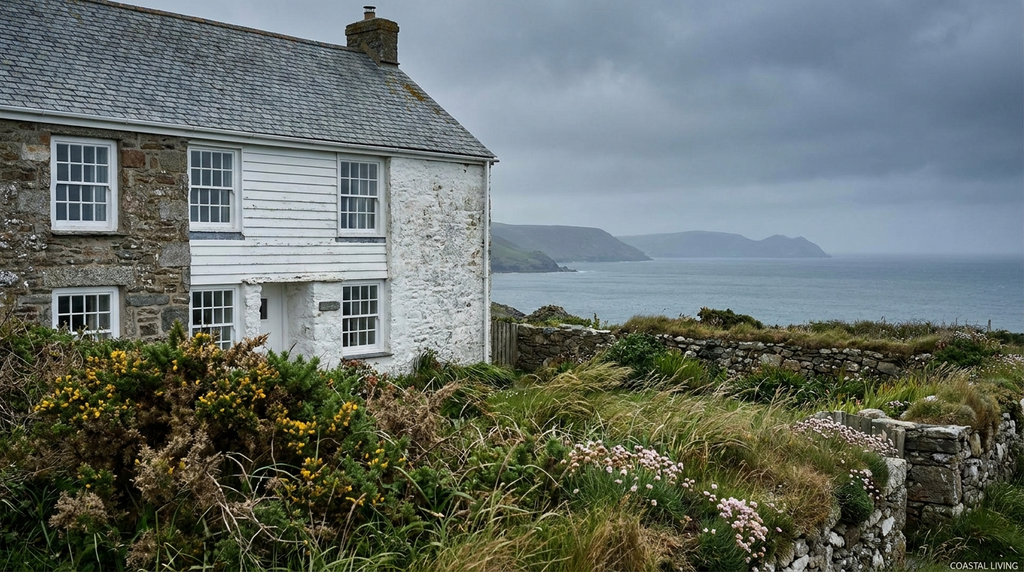
Older stone-built properties require more care. The reveal depths can be unusual, and the surrounding masonry sometimes needs minor remediation work after old frames are removed. It’s worth budgeting a small contingency, roughly £150 to £250, for any pointing or internal finishing work around new frames in these older properties.
One thing Cookstown homeowners have going for them compared to, say, a tight terraced street in Portadown or Craigavon: access is generally much easier. Most semi-detached and detached homes have front driveways or at least off-street parking, which keeps scaffolding and access costs down and means installers aren’t fighting with street parking restrictions.
How Much Double Glazing Costs in Cookstown and the Northern Ireland Area in 2026
Costs in Cookstown tend to run slightly lower than in Belfast or larger GB cities, but there’s a catch, because there are limited local installers based in the town itself, most companies serving Cookstown operate out of Dungannon (15km away), Portadown (31km), or sometimes as far as Antrim (35km). That travel time gets factored into quotes, particularly for smaller jobs.
Here’s what you should realistically expect to pay for common scenarios in 2026:
| Job Type | Property Size | Estimated Cost (Cookstown Area) | NI Average |
|---|---|---|---|
| uPVC casement windows, full house | 3-bed semi-detached | £3,800 – £5,200 | £3,600 – £5,000 |
| uPVC casement windows, full house | 4-bed detached | £5,500 – £7,800 | £5,200 – £7,400 |
| Composite front door + double glazed panels | Any | £1,400 – £2,200 | £1,300 – £2,000 |
| Aluminium windows, full house | 3-bed semi-detached | £6,500 – £9,000 | £6,200 – £8,500 |
| Triple glazing upgrade (vs standard double) | 3-bed semi-detached | £5,800 – £7,500 | £5,500 – £7,200 |
| Single window replacement (like-for-like) | Standard casement | £450 – £750 | £420 – £700 |
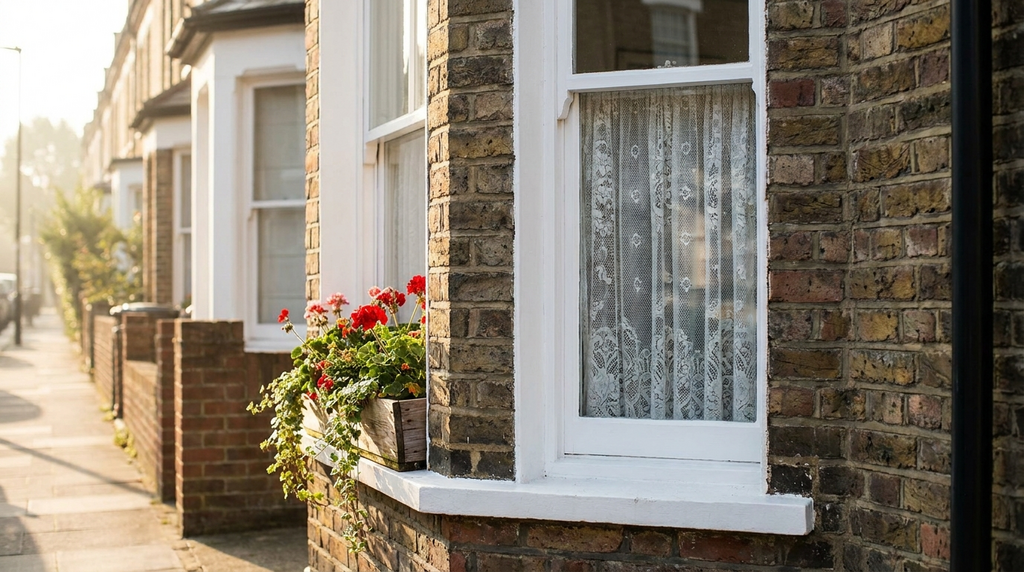
| Bay window replacement | Standard 3-section bay | £1,200 – £2,000 | £1,100 – £1,900 |
The small premium over the NI average largely reflects the logistics of getting installers to a mid-Ulster town rather than any difference in materials or labour quality. To offset this, always get at least three quotes, including at least one from a Dungannon-based company and one that covers the wider Cookstown area directly.
Insider tip: Ask installers whether their quote includes disposal of old frames. Some base quotes exclude this and add £80 to £150 on the day. Get it confirmed in writing upfront.
How Cookstown’s Weather and Location Affect Your Double Glazing Choices
The westerly exposure here is the single biggest factor shaping what products you should be looking at. Cookstown receives between 1,000 and 2,000mm of rainfall annually, much of it wind-driven, the kind that doesn’t just fall straight down but is flung horizontally at whatever is facing west. Your front elevation, if it faces into the prevailing wind, takes a sustained battering every winter.
This means weathertight seals aren’t optional, they’re critical. Any double glazing specification for a Cookstown property should include a drainage channel system within the frame to handle water ingress properly, and you should insist on weather rating testing data from your installer. British Standard BS 6375 covers this, ask for a product that meets at least Class 3 for weather resistance on exposed elevations.
There’s also the salt air issue. Cookstown isn’t on the coast, but properties closer to Lough Neagh to the east and those on exposed high ground to the west near the Sperrins do experience elevated atmospheric moisture and mild salt content in the air. For these homes, and especially for any metallic components like hinges, trickle vents, and locking mechanisms, marine-grade stainless steel hardware is worth the small additional cost. Standard steel hardware corrodes noticeably faster in these conditions and you’ll be replacing it within five to seven years otherwise.
The cold winters here, with 1,800 to 2,200 heating degree days annually, mean that thermal performance is essential. A standard A-rated double glazed unit with a U-value around 1.4 W/m²K is the minimum worth fitting. For north and west-facing rooms that feel perpetually cold, stepping up to a U-value of 1.2 W/m²K or better makes a meaningful difference you’ll feel on cold January nights.
The Products and Options That Work Best Here
For the vast majority of Cookstown homes, the semi-detached estates around Derryloran, the detached homes along the Drum Road, and the mix of property types in the newer developments off the Moleymore Road, uPVC frames with A++ rated double glazing represent the sweet spot of performance and cost. They handle the wet conditions well, require minimal maintenance, and have improved enormously in appearance compared to the chunky white uPVC of the 1990s.
Here’s what the spec should look like for typical Cookstown conditions:
- Frame material, uPVC with reinforced steel inserts for stability; multi-chamber profiles preferred for better thermal performance
- Glazing unit, 28mm or 36mm sealed units with low-E coating and argon gas fill as a minimum; krypton gas fill for maximum performance in colder rooms
- U-value, Target 1.2 W/m²K or lower for the whole window; don’t accept a quote that only gives you the centre-pane U-value (that’s the misleadingly good number)
- Warm edge spacer bar, Reduces cold bridging at the glass edge; look for thermoplastic or stainless steel warm-edge spacers rather than standard aluminium
- Hardware, Stainless steel espagnolette locks and hinges; especially important on west-facing elevations
- Trickle ventilation, Required under Building Regulations when replacing windows; acoustic trickle vents reduce noise from prevailing wind
For older stone-built properties and any home in or near a conservation area in the town centre, timber-effect uPVC or slim-profile aluminium windows are worth considering. They offer a more sympathetic appearance without sacrificing modern thermal performance. Costs are 20 to 30% higher than standard uPVC but planning officers in Mid Ulster Council tend to look more favourably on them for heritage streetscapes.
On the question of triple glazing, it’s genuinely worth considering for north and west-facing elevations on detached homes with large window areas. The additional cost (roughly 30 to 40% more than equivalent double glazing) is justified in Cookstown’s climate given the heating degree days, particularly if you’re currently on oil heating at 2026 prices.
How to Find a Trustworthy Double Glazing Installer Near Cookstown
The honest reality of being in a town of 11,000 people is that you won’t find a large pool of local installers based in Cookstown itself. Most reputable companies serving the area operate from Dungannon, with some covering Cookstown as part of a mid-Ulster run that might also take in Magherafelt and Stewartstown. That’s not a problem, it just means you need to be a bit more proactive in your search.
When vetting any installer, look for the following:
- FENSA registration, This is the key certification for window installers in Northern Ireland. A FENSA-registered company self-certifies that their installation complies with Building Regulations, which means you don’t need to apply separately for a completion certificate
- CERTASS membership, An alternative to FENSA; equally valid and widely used in Northern Ireland
- TrustMark accreditation, Shows they’ve been independently vetted for quality and trading standards
- Public liability insurance of at least £2 million, Ask to see the certificate; any reputable installer will provide it without hesitation
- Local references, Ask specifically for work done in Cookstown or the immediate surrounding area, not just general testimonials
Red flags to watch for: pressure to sign on the day, unusually low quotes that don’t specify the U-value or glazing spec, and any installer unwilling to provide a written quote with full product specifications. Lead times in the mid-Ulster area currently run at four to eight weeks for standard installations, if someone tells you they can fit you in next week, ask why.
Grants and Funding That Could Reduce Your Costs in 2026
Northern Ireland has its own energy efficiency funding framework, separate from the GB schemes, and Cookstown homeowners should be aware of what’s actually available to them rather than the GB-focused advice that dominates most online guides.
The Affordable Warmth Scheme
This is the most significant source of support for lower-income homeowners in Northern Ireland. Administered through the NI Housing Executive, it provides grants covering the majority of the cost of energy efficiency measures, including windows, for households receiving qualifying benefits or with a combined income under a set threshold. In 2026, the income threshold sits at approximately £23,000 per year. If you qualify, the grant can cover most or all of your double glazing costs. Apply through the Housing Executive’s Affordable Warmth team or via your local council office in Cookstown.
The NI Sustainable Energy Programme (NISEP)
NISEP is funded by levies on energy suppliers in Northern Ireland, companies like Power NI and SSE Airtricity, and delivers subsidised energy efficiency measures to households. Double glazing can be included as part of a wider retrofit package, particularly when combined with insulation. Eligibility criteria vary by year and programme strand, so it’s worth checking the current NISEP strand directly with your energy supplier or the NI Energy Regulator.
ECO4 and Great British Insulation Scheme
The Great British Insulation Scheme closed on 31 March 2026. It funded insulation measures only and never covered windows or glazing. You may see these referenced in generic online guides, they are not available to Cookstown homeowners. Don’t waste time pursuing them.
The Boiler Upgrade Scheme
The Boiler Upgrade Scheme as operated in GB also does not apply in Northern Ireland, which has separate arrangements for heat pump and renewable heating support. However, if you’re improving windows as part of a broader heat pump installation, your installer may be able to advise on NI-specific renewable heating incentives available through the Energy Saving Trust Northern Ireland.
Practical advice: Contact the NI Housing Executive’s local office and the Energy Saving Trust’s Northern Ireland advice line before signing any contracts. They can confirm current eligibility quickly and save you money before you commit.
Planning Permission and Regulations in Cookstown
The good news for most Cookstown homeowners is that replacing windows with double glazing is classed as permitted development, meaning you don’t need to apply for planning permission, provided the replacement windows are similar in appearance to the originals.
Planning in Cookstown falls under Mid Ulster District Council, which administers planning policy for the area. For standard semi-detached and detached homes in residential estates, the majority of Cookstown’s housing stock, there are typically no planning hurdles to double glazing replacement.
However, there are important exceptions:
- Conservation areas, Parts of the historic town centre around the main Molesworth Street area may fall within, or adjacent to, designated conservation areas. In these zones, changes to window appearance, including frame colour, style, and glazing bar pattern, can require prior approval. Always check with Mid Ulster Council’s planning department before ordering in these areas
- Listed buildings, If your property is listed (and there are listed buildings in and around Cookstown town centre and in the wider rural hinterland), you’ll need Listed Building Consent before altering windows. Using modern double glazing in a listed building requires careful specification to meet conservation standards, secondary glazing is sometimes the approved solution here
- New build covenants, Some newer developments carry developer covenants restricting alterations. Check your title deeds if you’re in