Why Bideford Homeowners Are Looking at Double Glazing Right Now
There’s something quietly significant happening along the streets of Bideford. Homeowners on Abbotsham Road, up around Northam Road, and in the older terraced rows near the Quay are increasingly asking the same question, is it finally time to sort the windows? And the honest answer, in 2026, is that the timing has never made more sense.
Bideford sits right on the Torridge estuary, which sounds picturesque, because it is. But that westerly aspect means your windows take the full brunt of Atlantic weather rolling in off the coast. Driving rain, persistent damp air, and blustering winds are a regular reality here, not an occasional inconvenience. Single-glazed or poorly sealed windows in this environment don’t just feel cold, they actively work against you.
The town’s average EPC rating sits at Band D, which puts Bideford exactly at the national average. That sounds reassuring until you realise it means there’s significant room for improvement in most homes. Double glazing is consistently one of the most impactful upgrades you can make to push that rating upward, and with energy prices still elevated, the payback logic is increasingly hard to argue with.
There’s also a generational element at play here. Bideford has a higher-than-average proportion of retired residents, many of whom are spending more time at home and feeling the impact of heat loss far more directly. Warmer rooms, reduced condensation, and lower bills aren’t abstract benefits in a town like this, they genuinely change day-to-day comfort.
What Double Glazing Actually Involves for a Typical Bideford Home
Most homes in Bideford fall into two broad camps, Victorian and Edwardian terraces clustered around the town centre and Quayside, and mid-20th century semi-detached properties in the outer residential streets. Both present their own installation realities, and it’s worth understanding what you’re getting into before anyone arrives with a measuring tape.
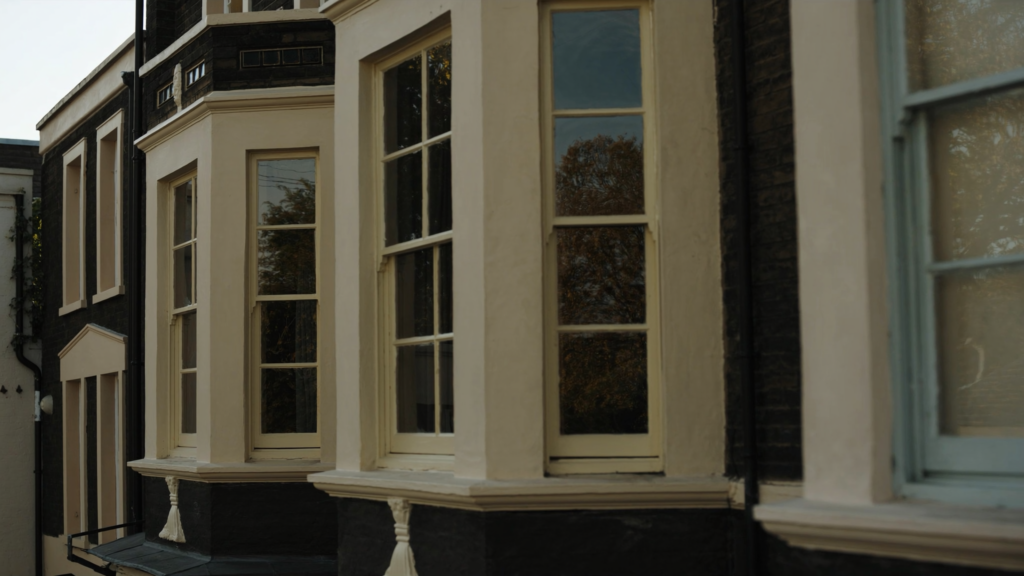
The older terraced properties, particularly those built between roughly 1870 and 1920, often have timber window frames in unusual sizes. Windows from this era weren’t standardised the way modern ones are, so you’ll frequently need made-to-measure units rather than off-the-shelf replacements. That adds both time and cost, but it also means you can get something that genuinely fits rather than a poor compromise.
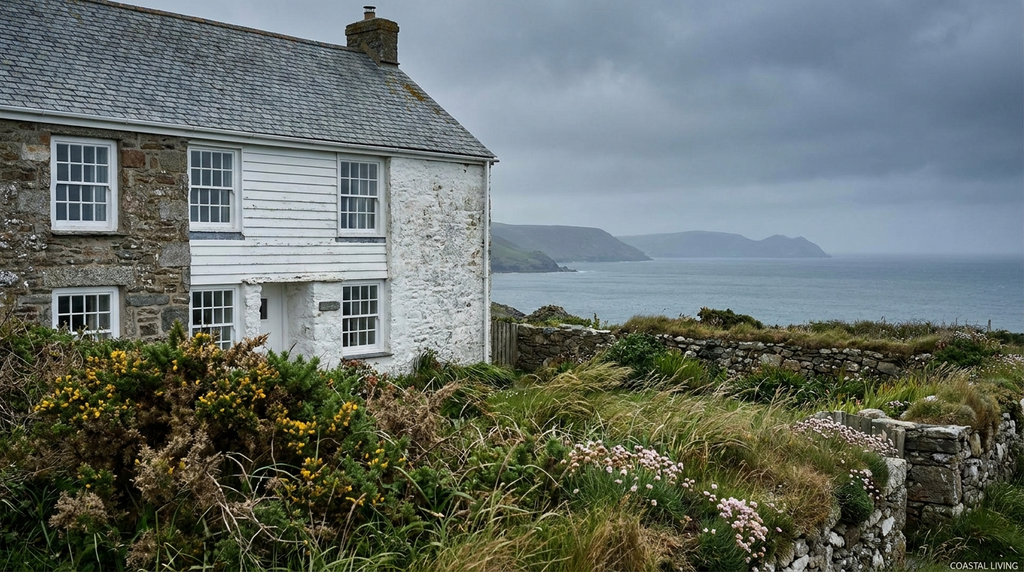
Stone and cob construction, which is widespread across North Devon including many Bideford properties, creates a slightly different challenge around window reveals. The walls are thicker, the reveals are deeper, and the fit needs to be precise to avoid cold bridging at the frame edges. An experienced local installer will know this instinctively, an out-of-town company less familiar with Devon’s older building stock may not.
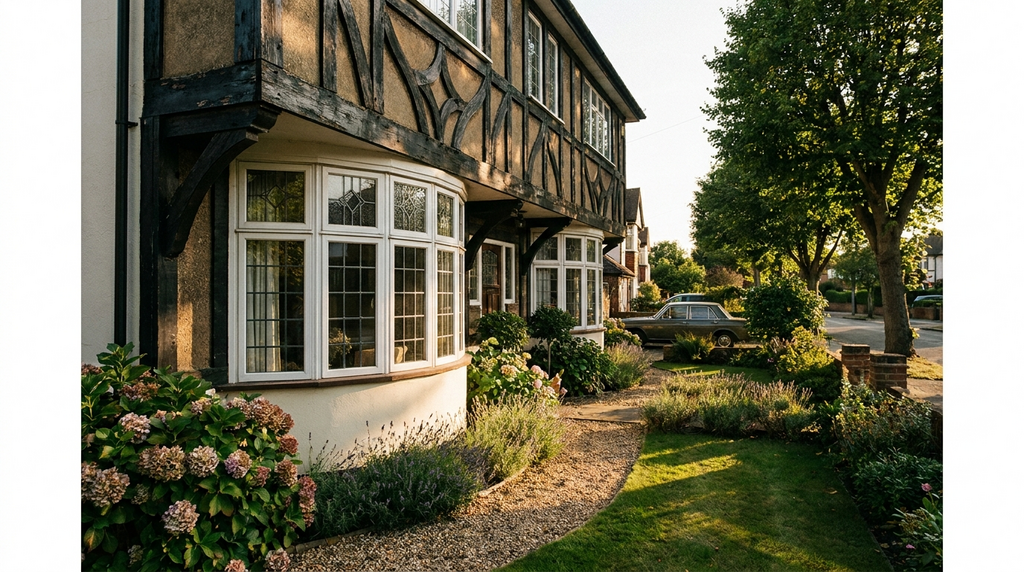
Semi-detached homes from the 1950s to 1980s are generally more straightforward. Standard-sized openings, timber or early uPVC frames, and relatively accessible installation conditions make these some of the more cost-efficient jobs in the area. If your home falls into this category, you’re in a strong position.
Access can occasionally be an issue in Bideford’s tighter streets, particularly for properties near the town centre where parking and pavement space is limited. Some upper-floor windows in terraced properties may need additional access equipment. It’s worth flagging this during your initial survey so it doesn’t come as a surprise on installation day.
How Much Double Glazing Costs in Bideford and the South West Area in 2026
Let’s talk numbers, because this is usually where homeowners either feel reassured or quietly alarmed. Prices in Bideford sit slightly above the national average, primarily because the town is relatively small and most specialist installers are based in Barnstaple or travel in from further afield. That travel overhead gets factored into your quote.
| Property Type | Number of Windows | Standard uPVC Double Glazing | Premium uPVC or Timber-Look | Triple Glazing Upgrade |
|---|---|---|---|---|
| Mid-terrace (Bideford town centre) | 4 to 6 | £2,800 to £4,200 | £4,500 to £6,500 | Add £900 to £1,400 |
| End-terrace or semi-detached | 6 to 9 | £3,800 to £5,800 | £6,000 to £8,500 | Add £1,200 to £2,000 |
| Larger semi-detached or detached | 9 to 12 | £5,200 to £7,800 | £8,000 to £11,500 | Add £1,800 to £2,800 |
| Conservation area (like-for-like timber) | Per window | £650 to £900 per window | £900 to £1,400 per window | Not typically available |
For comparison, the South West regional average for a standard semi-detached full installation sits around £4,800. Nationally the equivalent is closer to £4,200. So Bideford homeowners are typically paying a modest premium, perhaps £300 to £600 more than a homeowner in Bristol or Exeter would for the same job, which is reasonable given the logistics of serving a smaller, more rural market.
One thing that regularly catches people out is the door element. If you’re replacing windows and have a single-glazed back door or a draughty composite that’s seen better days, bundling that into the same installation quote often gets you a better deal than returning for it separately. Ask your installer specifically about package pricing.
How Bideford’s Weather and Location Affect Your Double Glazing Choices
Here’s where it gets genuinely specific to living in this part of North Devon. Bideford receives between 1,000mm and 2,000mm of rainfall annually, comfortably above the UK average, and those prevailing westerlies drive that rain hard against west and south-west facing elevations. Any window facing toward the estuary or the open countryside to the west is working harder than it would in, say, Norwich or Birmingham.
This makes a few things non-negotiable rather than optional. First, your frames need to have excellent drainage channels and weather seals. Cheap uPVC can warp slightly over time in wet, exposed conditions, which compromises both the seal and the appearance. Specifying a reputable frame system with proper gaskets and drainage is worth paying attention to in the spec sheet, not just the glass performance figures.
Second, condensation management matters more here than in drier parts of the country. The high ambient humidity around the Torridge estuary means that even well-performing double glazing can develop light surface condensation in autumn and winter. This is usually an internal humidity issue rather than a product failure, but it’s something to discuss with your installer. Warm-edge spacer bars between the panes make a genuine difference here.
On the positive side, Bideford enjoys some of the best solar irradiance figures in the UK, between 1,100 and 1,200 kWh per square metre per year. South-facing windows with appropriate solar gain properties can actually contribute meaningfully to passive heating during winter months. Selecting glass with a higher solar gain rating (expressed as g-value) for south-facing rooms is a genuinely worthwhile choice in this location, not just a theoretical nicety.
The Products and Options That Work Best Here
Based on the specific combination of wet weather, westerly exposure, older building stock, and good solar potential, here’s what actually makes sense for Bideford homes rather than a generic product list.
- Frame material, For most homes, high-quality uPVC with a woodgrain finish (Rosewood or Anthracite Grey are popular in North Devon) offers the best balance of durability, thermal performance, and low maintenance. For conservation area properties or older Victorian terraces where appearance matters, engineered timber or aluminium-clad timber is worth the premium.
- Glass specification, Look for a U-value of 1.2 W/m²K or better for the whole window unit (not just the centre-pane figure that some quotes misleadingly highlight). For south-facing glazing, specify a higher g-value of 0.55 or above to capture solar gains. For west-facing exposed elevations, prioritise a solid low-e coating and argon gas fill as standard.
- Spacer bars, Warm-edge spacer bars rather than traditional aluminium ones. In Bideford’s damp climate this genuinely reduces edge condensation and improves real-world thermal performance rather than just headline U-values.
- Triple glazing, Worth considering seriously for north and west-facing elevations, particularly in exposed positions. The additional cost (roughly 20 to 30 percent over standard double glazing) can be justified in a home that faces significant wind-driven rain exposure.
- Trickle vents, Given the humidity levels around the estuary, make sure your new windows include trickle vents. Building Regulations in 2026 effectively require them in replacement windows, and they genuinely help manage moisture in older Bideford properties.
How to Find a Trustworthy Double Glazing Installer Near Bideford
Being a town of 17,000 people means Bideford doesn’t have a huge pool of dedicated double glazing specialists operating from within the town itself. Most reputable installers serving Bideford are based in Barnstaple, about 20km east, or occasionally travel from Ilfracombe or as far as Bude. This isn’t a problem as long as you know what you’re looking for.
The key certifications to check are FENSA registration (this is the most important one for windows specifically, it means the installer can self-certify compliance with Building Regulations without you needing a separate council inspection) and TrustMark accreditation if any energy-related work is involved. For general quality assurance, membership of the Glass and Glazing Federation (GGF) or CERTASS is also a positive indicator.
When you’re speaking to potential installers, ask these questions directly:
- Are you FENSA registered and will you provide a FENSA certificate on completion
- Have you worked on properties of similar age and construction in North Devon
- What frame and glass systems do you install and why do you recommend them
- What is your current lead time from survey to installation
- Do you offer a manufacturer-backed guarantee on the sealed unit (not just the frame)
Lead times in the South West currently run at around 6 to 10 weeks from order to installation for most reputable companies. Be cautious of anyone promising delivery in under 4 weeks, it can happen for very simple jobs, but it often signals either stock units rather than made-to-measure, or a company that’s struggling for work.
One red flag specific to smaller towns like Bideford, watch out for door-to-door salespeople or cold calls that lead to high-pressure same-day sign-offs. Legitimate installers operating in North Devon are busy enough not to need aggressive selling tactics. Always get at least three written quotes and take the time to compare them properly.
Grants and Funding That Could Reduce Your Costs in 2026
The funding picture in 2026 has matured considerably from the confusion of previous years. Here’s what’s genuinely available to Bideford residents and how to access it.
ECO4 (Energy Company Obligation), This is the main route for lower-income households. If you’re receiving qualifying benefits (including Pension Credit, Universal Credit, or certain disability benefits) and your home is rated Band D or below on the EPC, which applies to most Bideford properties, you could receive free or heavily subsidised double glazing. Contact your energy supplier or visit the ECO4 portal to check eligibility. Devon County Council’s energy advice service can also help you navigate this.
The Great British Insulation Scheme closed on 31 March 2026. It funded insulation measures only and never covered windows or glazing. It’s worth checking even if you don’t meet ECO4 criteria.
Devon Retrofit Pilot Programme, Devon has maintained its own regional retrofit support initiative, which Bideford residents can access through Torridge District Council. The scheme offers advice, surveying, and in some cases financial support toward energy efficiency measures including glazing. Contact Torridge District Council directly to get onto the register for this scheme.
Torridge District Council is your local authority here. They have a housing energy team who can provide up-to-date guidance on any locally administered grants and ensure you’re not missing anything relevant to your specific circumstances.
The honest reality is that outright free double glazing for non-benefit households is rare in 2026. The Great British Insulation Scheme closed on 31 March 2026. It funded insulation measures only and never covered windows or glazing. Getting a free EPC assessment first will clarify exactly which schemes you’re eligible for.
Planning Permission and Regulations in Bideford
For most Bideford homeowners, the good news is straightforward, replacing windows with double glazing under permitted development rights doesn’t require planning permission, provided the replacement windows are of similar appearance to the originals. This applies to the majority of terraced and semi-detached homes in the town.
However, Bideford has a designated conservation area covering much of the historic town centre around the Quay and Bridge Street. If your property sits within this area, the rules change meaningfully. You’ll need to ensure any replacement windows match the character of the original, which typically means timber or timber-effect frames, maintaining the original sash or casement style, and using glazing bars if the originals had them. uPVC in bright white with modern styling generally won’t pass muster here.
If your home is a Listed Building, and there are several in and around central Bideford, you need Listed Building Consent before replacing any windows, full stop. Don’t assume a FENSA-registered installer can self-certify this away. The requirement sits with the property, not the installer.
All replacement windows must comply with Part L of the Building Regulations in England, which in 2026 requires a whole-window U-value of no worse than 1.4 W/m²K. Most modern double-glazed units comfortably exceed this, but it’s worth confirming in writing that your chosen product meets the requirement before you sign any contract.
For any queries about conservation area status or Listed Building requirements specifically in Bideford, contact Torridge District Council’s planning department directly. They’re generally helpful with pre-application enquiries and it’s far better to check before ordering than to discover a compliance issue halfway through installation.
What You Will Actually Save, Honest Numbers for a Bideford Home
Let’s work with real figures. A typical Bideford home uses around 11,200 kWh of gas per year, very close to the national median, and around 3,200 kWh of electricity. The home is currently at EPC Band D, which is entirely typical for the local housing stock.
Upgrading from single glazing to modern double glazing across a whole house typically saves between 10 and 20 percent of space heating costs, depending on the proportion of your heat loss attributable to windows (which varies by property). For a gas-heated Bideford home spending around £1,340 per year on gas at 2026 rates