Why Brighton Homeowners Are Rushing to Sort Their Windows Right Now
Brighton is a city of striking period terraces, breezy seafront flats, and Victorian townhouses that look magnificent but leak heat like a sieve. If you live here, you already know the feeling, a cold easterly wind whips in off the North Sea in January, and suddenly those original sash windows in your Hove terrace or your Preston Park flat feel like glorified air vents.
There’s a particular urgency right now. Brighton and Hove City Council has been pushing hard on its climate action commitments, and with the city sitting at an average EPC Band D, there’s a significant chunk of the housing stock that needs attention. Landlords facing tightening EPC requirements and owner-occupiers watching energy bills climb are both looking at the same solution, proper double glazing that actually works for Brighton’s specific housing mix.
Add to that the fact that Brighton’s property values are among the highest outside London, and suddenly investing £4,000 to £8,000 in quality double glazing makes a lot of financial sense. You’re improving one of the most valuable assets in the South East, not just cutting your heating bill.
What Double Glazing Actually Looks Like When You Live in a Brighton Terrace or Flat
Let’s be honest about Brighton’s housing stock. The city is dominated by Victorian and Edwardian terraces, think the long rows running through Hanover, Elm Grove, and the streets off London Road, plus a huge number of purpose-built flats, many from the 1960s and 1970s. These two property types come with very different challenges for double glazing.
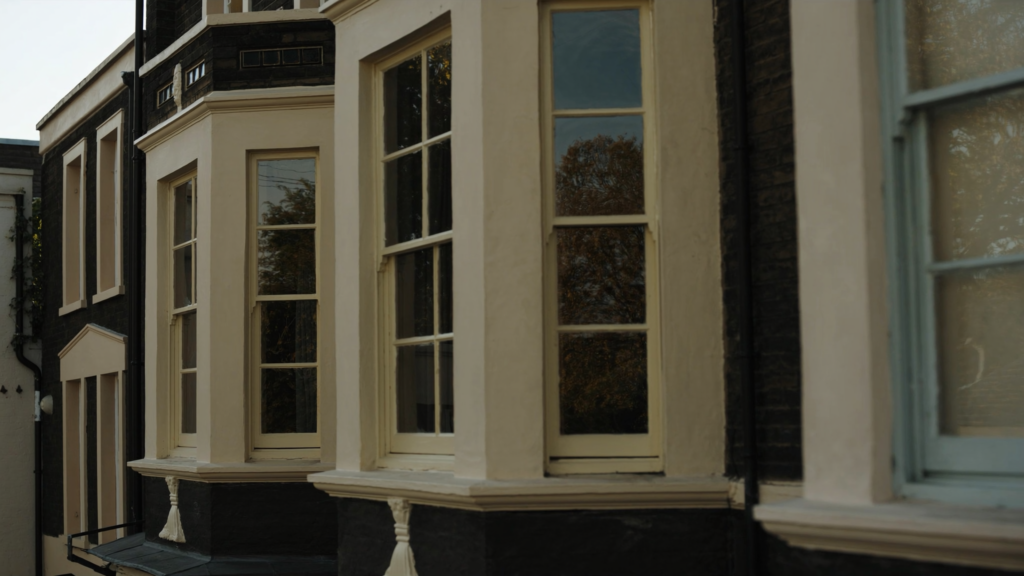
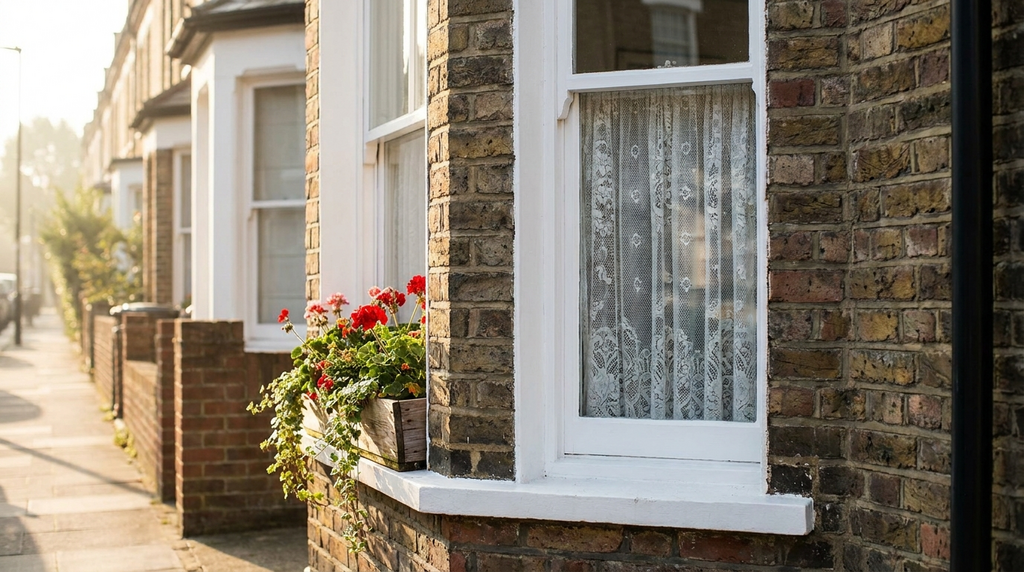
In a Victorian terrace, you’re almost certainly dealing with original timber sash windows, thick masonry walls, and bay windows on the ground floor. The original window openings were designed around single-glazed weights-and-cords sash units, which means replacing them with modern double-glazed equivalents requires careful measurement and often bespoke manufacturing. Off-the-shelf units frequently don’t fit properly, which is one reason you should always be wary of the cheapest quote.
Flats bring their own complications. If you own a leasehold flat, which covers a huge proportion of Brighton’s apartment stock, you may need freeholder or management company approval before touching the windows. This is a step many people skip and then regret. Always check your lease first. Even in share-of-freehold situations, listed in a block, you’ll typically need agreement from co-owners.
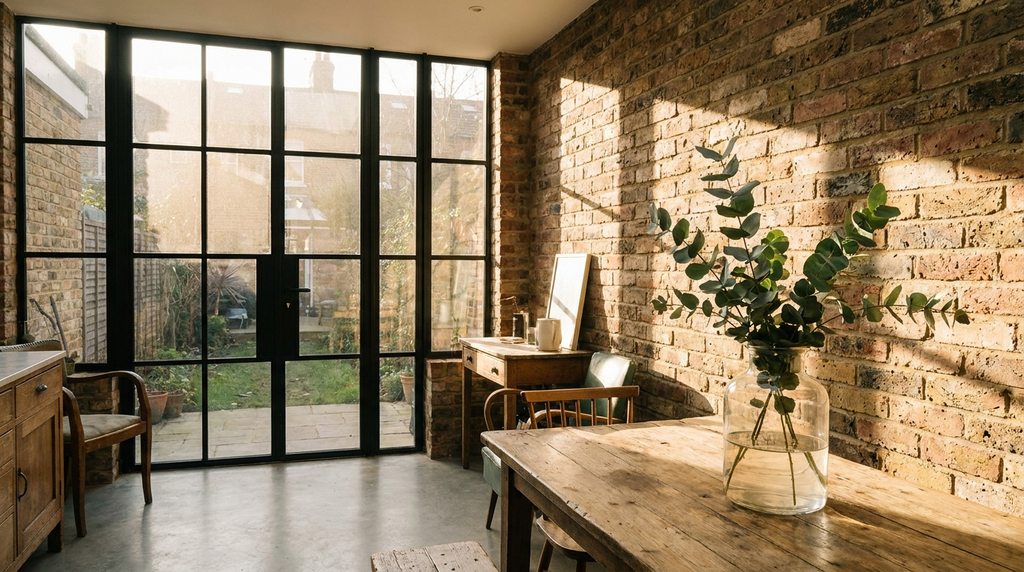
Buildings from the 1930s through to the 1970s in areas like Patcham, Woodingdean, and Moulsecoomb often have metal Crittall-style frames or early aluminium frames. These can sometimes be upgraded with secondary glazing as an alternative, which is worth knowing if full replacement creates planning complications.
Access and Logistics Matter More Than You’d Think
Brighton’s narrow streets and limited parking make installation more complex than in a town with wide driveways. In areas like the North Laine, parts of Kemptown, or the tightly packed terraces of Hanover, getting a van close enough to carry large glass units is genuinely difficult. Some installers charge a premium for this, and rightly so, because it takes longer and needs extra hands.
Upper-floor flats in seafront buildings along Marine Parade or Kemp Town may require scaffold access rather than just a ladder, which adds cost. Always ask installers whether their quote includes any access equipment before you sign anything.
How Much Double Glazing Costs in Brighton in 2026
Brighton’s costs sit noticeably above the national average, typically 10 to 20% higher, driven by higher labour rates, parking and access challenges in the city’s dense streets, and the sheer volume of bespoke work required in period properties. Even so, competition is strong here, with dozens of local and regional installers covering Brighton and the surrounding cluster of towns including Lewes, Worthing, and Haywards Heath.
| Property Type and Scope | Brighton Estimate (2026) | South East Average | UK National Average |
|---|---|---|---|
| 1-bed flat, 4-5 windows (uPVC casement) | £2,800 – £4,200 | £2,400 – £3,800 | £2,000 – £3,200 |
| 2-bed terrace, 6-8 windows (uPVC) | £3,800 – £5,500 | £3,400 – £5,000 | £2,900 – £4,500 |
| 3-bed terrace, 8-10 windows (uPVC with bay) | £5,200 – £7,800 | £4,600 – £7,000 | £4,000 – £6,200 |
| 3-bed terrace, timber-look double glazed sash | £7,500 – £12,000 | £6,800 – £10,500 | £5,500 – £9,000 |
| Conservation area approved units (per window) | £650 – £1,400 | £600 – £1,200 | £500 – £1,000 |
| Secondary glazing (per window, listed/conservation) | £300 – £700 | £280 – £650 | £250 – £600 |
The timber-look sash figures might look steep, but for a Hanover terrace or a Kemptown flat in a conservation area, they’re often the only option that gets planning approval. Installers serving both Brighton and nearby Lewes (just 10km away) sometimes offer slightly lower rates on jobs in quieter areas where access is easier, it’s worth mentioning you’re flexible if your installation timing allows it.
How Brighton’s Coastal Climate Actually Shapes Which Windows You Should Buy
Brighton’s weather is genuinely unusual by UK standards, and it changes what products make sense here. You get more sunshine than almost anywhere else in Britain, over 1,200 hours a year, but you also get that raw easterly wind in winter that cuts right through the city when it arrives from across the Channel.
That wind exposure matters when you’re choosing window specifications. A U-value of 1.2 W/m²K (which is the legal minimum for replacement windows) is fine for many UK locations, but in Brighton’s east-facing properties, especially in Kemptown or along the seafront, pushing to a U-value of 1.0 or below will give you noticeably better results. The upgrade in cost is modest but the comfort difference on a February evening is significant.
The sunshine bonus is real. South-facing windows in Brighton receive excellent solar gain throughout the year, and choosing glass with a higher Solar Heat Gain Coefficient (SHGC) on south-facing elevations can meaningfully reduce your heating demand. Don’t let an installer talk you into heavily solar-reflective glass on a south-facing aspect without a very good reason, you’d be throwing away free heat.
Salt air deserves a mention too. If you’re within half a mile of the seafront, Marine Parade, Hove seafront, or the Brunswick area, choose frames with a marine-grade coating or specify marine-grade hardware. Standard uPVC handles the salt fine, but hinges, locks, and friction stays made from standard steel will corrode faster than inland. Ask specifically about this.
The Products That Actually Perform Well in Brighton’s Housing Stock
Given what Brighton’s homes actually look like and how the weather behaves here, here’s what genuinely works well rather than a generic product roundup.
- Double-glazed timber sash replacements, For Victorian and Edwardian terraces in conservation areas like Hanover, the Regency squares, and Brunswick, a well-made slim-profile double-glazed sash unit in engineered timber or high-quality uPVC that replicates the original look is the go-to choice. Look for units with a centre-pane U-value of 1.1 or better and a full-frame U-value under 1.4.
- uPVC casement windows, A-rated or higher, For post-war properties in Moulsecoomb, Whitehawk, and Coldean, standard A-rated or A+-rated uPVC casements offer the best value. Specify argon-filled double-glazed units rather than air-filled, the price difference is negligible and the performance improvement is meaningful in Brighton’s coastal winds.
- Triple glazing, not always worth it here, Brighton’s mild winters (heating degree days run around 1,200 to 1,500, lower than the UK average) mean the extra cost of triple glazing rarely pays back within a realistic timeframe. The exception is east-facing windows that cop the worst of the winter wind, or north-facing walls in exposed locations. For everyone else, high-quality double glazing is the smarter spend.
- Secondary glazing for listed buildings, Several of Brighton’s Regency terraces and some buildings in the Old Town conservation area will never get consent for full replacement. Secondary glazing fitted internally is a surprisingly effective solution, it won’t reach the same U-value as replacement units, but a well-fitted system can cut heat loss through single-glazed windows by 60% or more.
Finding an Installer You Can Actually Trust Near Brighton
Brighton has no shortage of double glazing companies, the density of the city means a lot of outfits operate here, ranging from sole traders with genuine craft skills to national chains with aggressive sales tactics. Here’s how to navigate it.
Certifications to Look For
- FENSA or Certass registration, This is non-negotiable for replacement windows in England. A FENSA or Certass registered installer self-certifies that the work complies with building regulations and issues you a certificate automatically. Without this, you’ll need separate building regulations approval and the hassle that comes with it.
- TrustMark accreditation, Particularly important if you’re accessing any government-backed funding. TrustMark is the government-endorsed quality scheme and a growing number of grant programmes require it.
- Check Companies House, Brighton has seen its share of here-today-gone-tomorrow window firms. A quick Companies House check tells you how long a business has been trading. Five years or more is reassuring.
Questions Worth Asking Before You Commit
- Are you FENSA or Certass registered and will you provide the certificate as part of the job
- Do you have experience with conservation area properties in Brighton and what approvals process do you follow
- How do you handle access in restricted streets, is that included in this quote
- What is your guarantee period and is it backed by a deposit protection scheme
- Can I see examples of similar work in Brighton or nearby Lewes
Installers who cover Brighton often also work across to Worthing, Haywards Heath, and Littlehampton. A company with a strong track record across this cluster of towns is generally more established and more likely to still be trading when you need to call on a warranty in five years’ time.
Lead times in the South East run longer than the national average, expect 6 to 12 weeks from survey to installation for bespoke units, longer for conservation-approved or timber work. If someone is promising you two weeks for a full house of period sash replacements, that’s a red flag worth investigating.
Grants and Funding Available to Brighton Homeowners in 2026
The funding landscape has evolved considerably, and it’s worth understanding exactly what’s available before you commit to paying full price.
ECO4 (Energy Company Obligation)
ECO4 runs through energy suppliers and provides fully funded or heavily subsidised energy efficiency measures to households on qualifying benefits or with a household income under £31,000. Double glazing is eligible under ECO4 when it’s installed alongside other measures as part of a whole-house retrofit. If you’re in Whitehawk, Moulsecoomb, or Hollingdean, areas with a high proportion of ECO4-eligible households, it’s worth checking eligibility before spending anything. Apply through your energy supplier or via the government’s ECO4 portal.
Great British Insulation Scheme (GBIS)
The Great British Insulation Scheme closed on 31 March 2026. It funded insulation measures only and never covered windows or glazing. Eligibility covers both low-income households and a broader group based on property EPC rating. A Band D property (the Brighton average) can qualify under the general group, making this worth investigating seriously.
Brighton and Hove City Council Retrofit Schemes
Brighton and Hove City Council has been active in running its own retrofit support programmes alongside national schemes. The council has historically offered additional top-up funding and advice services through its warmer homes initiative. Contact the council’s energy advice service directly, they can tell you what’s current, help with applications, and sometimes connect you with pre-vetted installer panels, which saves the research effort entirely.
VAT on Double Glazing
Glazing is standard-rated for VAT at 20%. The zero rate for energy-saving materials covers insulation, heat pumps and solar panels; HMRC names secondary and double glazing as excluded (VAT Notice 708/6). Make sure any quote you receive reflects this, a reputable installer will automatically apply it, but it’s worth confirming, as it is a meaningful saving on a £5,000 to £8,000 job.
Planning Permission and Building Rules in Brighton, What You Actually Need
This is where Brighton gets genuinely complicated compared to most UK towns, because of the sheer extent of conservation area coverage across the city.
Under permitted development rights, replacing windows in a standard residential property doesn’t require planning permission, as long as the new windows are similar in appearance to what’s being replaced. In practice, this means like-for-like replacements in uPVC or timber that match the original style are generally fine without an application.
However, Brighton and Hove has an unusually large number of conservation areas covering some of the most popular residential neighbourhoods, the Regency squares and Brunswick in Hove, Hanover, the Old Town, Kemptown, and large parts of the seafront. Within these areas, Article 4 Directions remove the automatic permitted development rights that apply elsewhere. This means you may need express planning permission even for a straightforward window replacement.
What This Means in Practice
- If you’re in a conservation area, contact Brighton and Hove’s planning department before ordering anything, the council’s pre-application advice service can save you significant time and money
- Listed buildings require Listed Building Consent for any window changes, full stop, this applies to the Grade I and Grade II listed Regency terraces that make Brighton famous
- Conservation area approval typically requires windows that match the original in style, material appearance, and glazing bar pattern, hence the premium for timber-look sash replacements
- Flats converted from larger houses may be in a different planning category from purpose-built flats, worth checking
The planning team at Hove Town Hall can advise on specific addresses, and it’s genuinely worth the conversation before you spend money on unsuitable units. Getting this wrong means being required to remove and replace installed windows at your own cost, something that does happen in Brighton.