Why Eastbourne Homeowners Are Looking at Double Glazing Right Now
There’s something quietly urgent happening in Eastbourne’s housing market. With property values across the South East sitting well above the national average, homeowners here are waking up to the fact that an EPC Band D rating is no longer acceptable, either for their energy bills or their resale value. Double glazing is one of the fastest and most visible ways to change that.
But there’s a uniquely Eastbourne angle to this too. The town sits on the eastern Sussex coast, exposed to cold north-easterly winds that funnel in off the English Channel between October and March. Residents in seafront flats along Royal Parade and Victorian terraces near the Old Town know this feeling well, that persistent chill that seems to find every gap in older window frames. Single glazing or failed sealed units make this significantly worse than it needs to be.
With Eastbourne Borough Council actively encouraging energy efficiency upgrades and national grant schemes running in 2026, the timing genuinely makes sense. If you’re in a 1930s semi in Hampden Park, a post-war flat in Langney, or a Victorian conversion in Meads, there’s a strong case for getting your windows sorted this year.
What Double Glazing Actually Involves for a Typical Eastbourne Home
Eastbourne’s housing stock is fascinatingly varied for a town of 103,000 people. You’ve got substantial Victorian and Edwardian properties concentrated in Old Town, Meads, and around Upperton Road. Then there’s a large swathe of 1930s semi-detached homes, the kind with bay windows and original timber frames, spread across Hampden Park and parts of Willingdon. Further east, post-war social housing and 1960s–1980s flats dominate Langney and Sovereign Harbour.
Each era presents different challenges for double glazing installation.
Victorian and Edwardian Properties
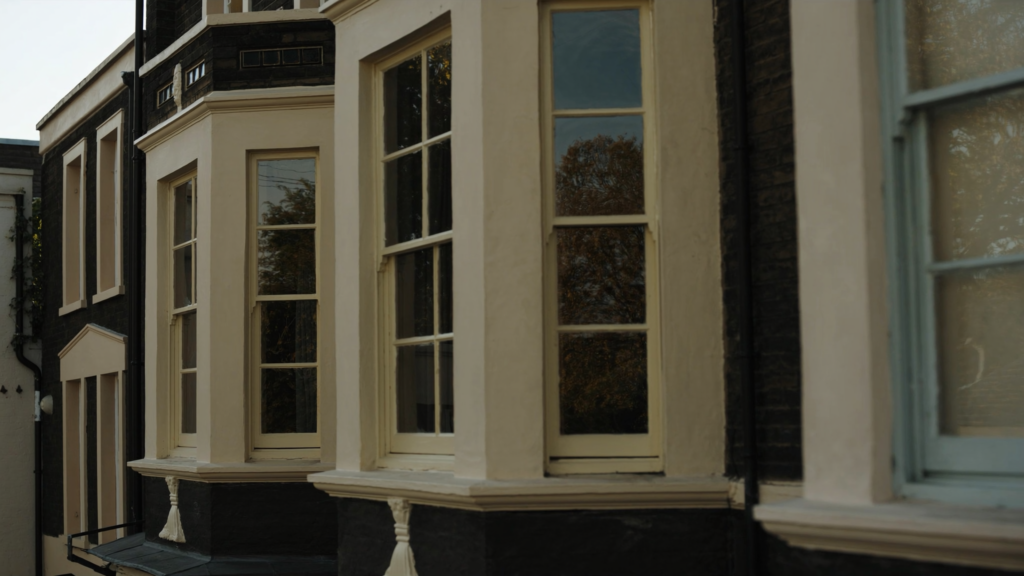
These homes typically have timber sash windows with deep reveals and non-standard opening configurations. Off-the-shelf double glazed units rarely fit without bespoke ordering, which adds cost and lead time. You’ll also need to think carefully about draught sealing around the frame itself, the original lime mortar surrounds can crumble if installers aren’t careful.
1930s Semi-Detached Homes
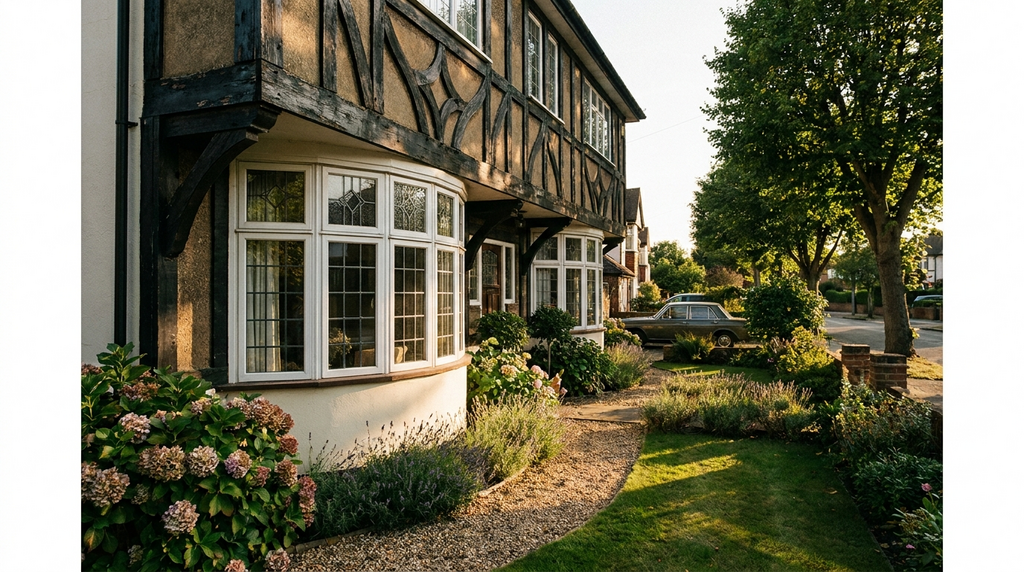
The classic Eastbourne semi, particularly across Hampden Park and Willingdon Tree, often has wide bay windows at the front. These are straightforward to double glaze but require properly supported frames to avoid sagging over time. The good news is that bay configurations are so common in this area that local installers are very experienced with them.
Flats and Purpose-Built Blocks
If you own a leasehold flat, which covers a significant chunk of Eastbourne’s property market, you’ll almost certainly need freeholder or management company permission before installation. This can add weeks to your timeline. Access for installers working above ground floor can also mean additional equipment costs, particularly in the seafront blocks along the Wish Tower and Marine Parade areas.
How Much Double Glazing Costs in Eastbourne and the South East Area in 2026
Eastbourne sits in an interesting pricing sweet spot. Labour costs here are lower than Brighton (31km west) and significantly lower than London rates, but slightly above what you’d pay in Hastings (22km east). Many South East installers cover the whole corridor from Brighton through Eastbourne to Hastings, which keeps competition healthy and prices reasonable.
Here’s what you should realistically expect to pay in 2026:
| Property Type | Windows | Standard uPVC A-Rated | Premium uPVC A++ Rated | Timber or Aluminium |
|---|---|---|---|---|
| 1-bed flat | 3–4 | £1,800 – £2,800 | £2,600 – £3,800 | £3,500 – £5,200 |
| 2-bed flat | 5–6 | £2,600 – £3,800 | £3,600 – £5,000 | £5,000 – £7,500 |
| 2-bed semi | 6–8 | £3,200 – £4,800 | £4,500 – £6,500 | £6,000 – £9,500 |
| 3-bed semi | 8–10 | £4,200 – £6,200 | £5,800 – £8,200 | £7,500 – £12,000 |
| 4-bed detached | 10–14 | £5,500 – £8,500 | £7,500 – £11,000 | £10,000 – £16,000 |
These figures include supply, installation, and disposal of old frames. They assume standard access, properties requiring scaffolding (common in taller seafront conversions) will add £400–£900 to the total. Conservation area properties needing planning approval may also incur additional surveying fees of £150–£300.
For comparison, the same work in Brighton typically runs 8–15% higher. In Hastings or Lewes (24km north-west), you might save 5–8% on labour. Eastbourne’s position in the regional market means you’re getting South East quality at a price that’s actually fair.
How Eastbourne’s Weather and Location Shape the Best Double Glazing Choices
Living on the East Sussex coast changes things more than people expect. Eastbourne famously records some of the highest sunshine hours in the UK, regularly topping national charts for sunniest town, with solar irradiance reaching 1,100–1,200 kWh/m² per year. That’s genuinely exceptional and it should inform your window choices.
South-facing rooms in properties on the slopes below Beachy Head or along the seafront can accumulate significant solar heat gain in summer. If you choose standard double glazing without solar control glass, you risk creating uncomfortable hotspots in south and west-facing rooms from May through September. Look for a Solar Factor (g-value) of 0.4 or lower for those orientations.
On the flip side, Eastbourne’s winters are milder than much of England, with 1,200–1,500 heating degree days annually. You don’t need the same extreme thermal performance required in, say, northern Scotland. But those cold easterly winds, which hit the town’s exposed eastern flanks particularly hard, especially in Sovereign Harbour and the Crumbles area, make a low U-value (ideally 1.2 W/m²K or below) genuinely worthwhile.
Coastal salt air is also a real consideration. uPVC performs well here, but if you’re considering aluminium frames, make sure the powder coating specification includes marine-grade protection. Cheaper aluminium systems can show corrosion within a few years this close to the sea.
The Products and Options That Actually Perform Well Here
Given Eastbourne’s specific combination of high sunshine, coastal exposure, and mild-but-windy winters, here’s what genuinely works rather than what sounds good in a brochure.
Best All-Round Choice for Most Homes
White uPVC with a 28mm triple-chamber sealed unit, argon fill, and a warm-edge spacer bar. Aim for a unit U-value of 1.0–1.2 W/m²K. This gives you excellent thermal performance without the premium cost of triple glazing, which offers diminishing returns in Eastbourne’s relatively mild winters. CERTASS or FENSA certified units with an A or A+ Window Energy Rating are the benchmark to hit.
For South and West-Facing Windows
Specify solar control low-e glass (look for Pilkington Activ Solar Control or equivalent). This cuts heat gain without significantly reducing natural light, a genuine quality-of-life improvement for sunny front rooms and conservatories.
For Conservation Areas and Older Properties
Flush sash uPVC or slim-profile aluminium systems can replicate the appearance of traditional timber sashes well enough to satisfy most planning requirements. Authentic timber double glazed units are also available and worth considering for properties in Meads or Old Town where visual consistency with neighbouring homes matters.
Acoustic Glazing for Specific Locations
Properties near the A259 seafront road, around Eastbourne railway station, or close to the town centre retail areas can benefit from acoustic laminated glass in the inner pane. The difference in noise reduction is substantial and often underestimated until you experience it.
How to Find a Trustworthy Double Glazing Installer Near Eastbourne
The South East has no shortage of glazing companies, and many of the firms serving Eastbourne also cover Brighton, Lewes, Hastings, and Haywards Heath as part of their regular patch. That broad coverage is useful, it means you can check reviews from customers in neighbouring towns, not just locally.
Here’s what to look for and ask about before signing anything:
- FENSA registration, this is the most important certification for replacement windows. A FENSA registered installer self-certifies compliance with building regulations, saving you fees and hassle with the council
- CERTASS membership, an alternative to FENSA, equally valid and worth accepting
- Insurance-backed guarantees, any reputable installer should offer a 10-year guarantee backed by a deposit protection scheme, not just their own company promise
- The Great British Insulation Scheme closed on 31 March 2026. It funded insulation measures only and never covered windows or glazing.
Questions worth asking during any quote visit include whether the installer handles Eastbourne Borough Council’s building regulations notification process, whether they have experience with the specific property type you own (particularly relevant for older bay windows or leasehold flats), and what their waste removal process looks like.
Red flags include pressure to sign on the day, unusually short guarantee periods, and any resistance to providing references from local customers. Lead times in the South East in 2026 typically run 4–8 weeks from survey to installation, be sceptical of anyone promising much faster than that on a full house job.
Grants and Funding Available to Eastbourne Residents in 2026
The funding landscape has matured considerably and there are genuinely useful schemes available, though eligibility criteria are specific. Here’s the honest picture.
ECO4 (Energy Company Obligation)
This national scheme funds energy efficiency improvements including double glazing for households on qualifying benefits (Universal Credit, Pension Credit, certain legacy benefits) or in properties with an EPC of E, F, or G. Most Eastbourne homes at Band D won’t qualify on EPC grounds alone, but if you receive qualifying benefits, it’s worth checking. Your installer must be TrustMark registered to access this route.
Great British Insulation Scheme (GBIS)
The Great British Insulation Scheme closed on 31 March 2026. It funded insulation measures only and never covered windows or glazing. Glazing can form part of a wider package under this scheme. Contact Eastbourne Borough Council’s housing team for local referrals to approved assessors.
Eastbourne Borough Council Retrofit Support
The council has participated in East Sussex-wide retrofit coordination programmes. It’s worth contacting the council’s energy efficiency team directly, they can signpost you toward any current local authority schemes and help confirm which national schemes you qualify for. This matters because application processes for national schemes are often easier when approached via local referral rather than directly.
VAT on Double Glazing
This one is straightforward but often overlooked.Glazing is standard-rated for VAT at 20%. The zero rate for energy-saving materials covers insulation, heat pumps and solar panels; HMRC names secondary and double glazing as excluded (VAT Notice 708/6). Glazing is standard-rated for VAT at 20%, so a quote showing 20% VAT is correct and should not be challenged. HMRC names secondary and double glazing as excluded from the energy-saving materials zero rate (VAT Notice 708/6).
Planning Permission and Regulations for Eastbourne Properties
For most Eastbourne homeowners, replacing like-for-like windows falls under permitted development rights, meaning you don’t need to apply for planning permission. However, Eastbourne has a meaningful number of conservation areas and listed buildings where different rules apply, and it’s essential to check before ordering.
Eastbourne Borough Council manages planning for the area. Their key conservation areas include Old Town, parts of Meads, and sections of the Victorian seafront. Within these areas, uPVC replacements that alter the appearance of windows, even subtly, may require planning consent. The council’s planning team can confirm whether your specific property is affected, often with a quick phone call or email inquiry.
For listed buildings (there are several Grade II listed Victorian properties in central Eastbourne), any window replacement will require Listed Building Consent in addition to any planning permission. This is separate from building regulations approval and carries its own application process.
For flats, building regulations compliance is handled either through FENSA self-certification (your installer’s responsibility) or via a building control application to the council. Make sure this is explicitly confirmed in your installer’s quote documentation.
What You Will Actually Save, Honest Numbers for Eastbourne Homes
Let’s work with real figures. The average Eastbourne household uses 10,800 kWh of gas per year and sits at EPC Band D. Upgrading from single glazing or failed sealed units to modern A-rated double glazing typically reduces heat loss through windows by 50–70%.
Windows typically account for around 18–25% of a home’s heat loss. Working through the maths for a typical 3-bedroom Eastbourne semi:
- Annual gas bill at 10,800 kWh and current rates, approximately £1,180–£1,350 per year
- Heat lost through windows (say 20% of total), roughly £240–£270 worth annually
- Saving from double glazing (60% reduction in window heat loss), approximately £140–£160 per year
- With good draught sealing included, add another £60–£90 in savings from reduced infiltration
A realistic total annual saving for that 3-bed semi sits around £180–£250 per year. At a mid-range installation cost of £5,000, that gives a payback period of roughly 20–28 years on energy savings alone.
That’s the honest answer. Double glazing doesn’t pay back purely on energy savings in a short timescale, Eastbourne’s mild winters make the heating case even more modest than colder parts of the UK. But the full picture includes comfort improvements (no more cold drafts on those north-easterly days), noise reduction, reduced condensation, and the impact on your EPC rating and property value.
Moving from Band D to Band C through a combination of double glazing and basic draught proofing is realistic for most properties. In the South East’s property market, where even modest EPC improvements can affect mortgage eligibility and buyer appetite, this carries genuine financial weight beyond the energy bill calculation alone.
The honest conclusion is this, if you’re upgrading from genuinely old, draughty single glazing in an Eastbourne property you plan to stay in or sell, double glazing makes solid sense. If you’re replacing functioning sealed units that