Why Hastings Homeowners Are Paying Too Much to Heat Their Homes Right Now
There’s a quiet frustration building among homeowners in Hastings, and it shows up every time an energy bill lands on the doormat. The town’s average EPC rating sits at Band E, a full band below the national average of Band D. That’s not just a letter on a certificate; it means most homes here are leaking heat at a rate that costs real money, month after month.
Double glazing is often the most visible and impactful fix. If your home still has single-glazed windows, common in the older Victorian and Edwardian terraces that dominate the Old Town, St Leonards, and the West Hill area, you’re losing roughly 10-20% of your home’s heat through the glass alone. That’s before we even account for the cold easterly winds that funnel in off the English Channel and across the Hastings coastline every winter.
There’s also a property value angle worth considering. The South East consistently records the highest property values in England outside London, and energy efficiency improvements deliver a measurable return when it comes time to sell. Buyers in 2026 are savvier than ever about EPC ratings, and a Band E home is becoming harder to sell quickly.
What Double Glazing Actually Involves for a Typical Hastings Home
Let’s be honest about what you’re taking on, because a flat in St Leonards-on-Sea and a mid-terraced Victorian in the West Hill area are very different propositions, even though both are common housing types here.
Victorian and Edwardian Terraces
The majority of older terraced properties in Hastings were built between 1870 and 1920, and many retain their original sash windows. Replacing these isn’t simply a case of swapping glass, it often means choosing between a full frame replacement or a secondary glazing insert. If you’re in or near a conservation area (more on that below), you may be required to replicate the original sash profile in a sympathetic material, which pushes costs up but is absolutely achievable with modern uPVC or timber-effect frames.
Access can be a genuine challenge in the tightly packed terraces around the Old Town and the Ore Valley. Some properties have no rear vehicle access at all, meaning installers have to carry frames through the house. That adds time, and time means labour cost.
Flats and Purpose-Built Blocks
Hastings has a substantial number of converted flats, large Victorian houses divided into two or three units, particularly in the St Leonards and Bohemia Road areas. If you own a leasehold flat, you’ll need to check your lease before any installation work begins. Many leases require freeholder or managing agent consent for external alterations, and a window is always considered external.
Purpose-built post-war blocks (there are several around Ore and Hollington) often have standard window openings, which makes replacement more straightforward and can actually reduce costs compared to the bespoke sizing needed in older buildings.
What Makes Hastings Easier Than Some Towns
On the positive side, Hastings has a well-established local installer market. Companies regularly serving the Hastings-Eastbourne-Bexhill corridor have good familiarity with local building stock. You’re not relying on firms from far afield, which keeps lead times reasonable and means surveyors actually know the local architecture.
How Much Double Glazing Costs in Hastings and the South East in 2026
Prices in Hastings sit slightly below the South East average, labour costs here are more moderate than in Brighton or the London commuter belt, but still above the national median. Here’s a realistic breakdown based on typical properties in the area.
| Property Type | Number of Windows | Standard uPVC (Supply & Fit) | Timber-Effect / Heritage uPVC | Aluminium Frames |
|---|---|---|---|---|
| One-bed flat | 3-4 | £1,800 – £2,600 | £2,400 – £3,400 | £3,000 – £4,200 |
| Two-bed mid-terrace | 5-7 | £2,800 – £4,200 | £3,600 – £5,400 | £4,500 – £6,500 |
| Three-bed end-terrace | 8-10 | £4,000 – £5,800 | £5,200 – £7,500 | £6,200 – £9,000 |
| Three-bed semi-detached | 9-12 | £4,500 – £6,500 | £5,800 – £8,200 | £7,000 – £10,500 |
| Four-bed detached | 12-16 | £6,000 – £9,000 | £7,800 – £11,500 | £9,500 – £14,000 |
Hastings vs nearby towns, Eastbourne installers tend to charge 5-8% more due to higher average property values driving demand. Tunbridge Wells commands a noticeable premium, often 15-20% above Hastings prices. Ashford sits roughly in line with Hastings. If you’re getting quotes, don’t be surprised if a Bexhill-based installer gives you a better price than one based in Eastbourne, geography matters here.
Additional costs to factor in that often catch homeowners off guard include scaffolding for upper-floor windows on taller terraces (£300–£600 per elevation), skip hire if old frames need disposal (£180–£280), and a premium of £150–£400 per window for made-to-measure sizing in older properties where nothing is quite square or standard.
How Hastings’s Weather and Location Shape Your Double Glazing Decisions
Hastings occupies a genuinely interesting position on the UK climate map, and it changes what you should actually be buying.
The Cold Easterly Problem
Hastings faces a distinct winter challenge that doesn’t apply to many South Coast towns, cold, dry easterly winds. These blow in off continental Europe and hit the East Sussex coastline with real force. Unlike the damp south-westerlies that batter places like Falmouth or Swansea, Hastings’s cold wind is a dry, cutting chill. It drives convective heat loss through window frames, which means the frame quality and thermal bridging matter as much as the glass specification.
Look for frames with at least five chambers in the uPVC profile and a U-value of 1.2 W/m²K or better for the whole window unit. Don’t let a salesperson sell you purely on the glass specification, a high-spec glass unit in a poor frame is still a cold window.
Making the Most of Hastings’s Exceptional Sunshine
Here’s the good news: Hastings gets some of the best solar irradiance in the UK, around 1,100–1,200 kWh/m² per year. This is genuinely excellent for passive solar gain in winter. South-facing windows, particularly in the many terraces facing the sea or on the sunnier slopes around the West Hill, can contribute meaningfully to heating your home if you specify the right glass.
Choose glass with a Solar Factor (g-value) of 0.45–0.60 for south-facing windows. This allows solar heat in during winter while still managing summer overheating. North-facing windows on the same property should prioritise low U-values above all else, solar gain is irrelevant, thermal retention is everything.
Salt Air and the Seafront Factor
If your home is within half a mile of the seafront, and many Hastings properties are, salt-laden air is a genuine maintenance consideration. uPVC handles salt air well. Aluminium with a powder-coated finish is also excellent. Untreated or poorly finished steel components in window hardware can corrode noticeably faster than you’d expect. Always ask your installer what grade of hardware they’re supplying and whether it’s rated for coastal environments.
The Products and Specifications That Actually Perform Well Here
This isn’t a generic list of what double glazing is available. This is an honest opinion on what works specifically for Hastings housing stock in 2026.
- For older Victorian terraces in the Old Town and conservation-adjacent streets, Timber-effect uPVC sash windows with a run-through sash horn and Georgian bar glazing bars will satisfy planning officers in most cases while delivering genuine thermal performance. Look for a whole-window U-value of 1.4 W/m²K or better and BFRC energy rating of Band A or above.
- For 1930s–1960s semi-detached and terraced homes in Ore, Hollington, and Silverhill, Standard casement uPVC is entirely appropriate and cost-effective. You have more flexibility with profiles and colours. A warm-edge spacer bar (like ThermoBar or SuperSpacer) is worth specifying, it reduces cold-edge condensation noticeably in Hastings winters.
- For seafront or near-seafront flats, Aluminium or marine-grade uPVC frames, powder-coated or with a UV-stable finish. Stainless steel or nylon hardware throughout. The extra £200–£400 per window is worth it compared to replacing corroded hardware in five years.
- Glass specification for all properties, Argon-filled triple glazing is genuinely worthwhile for north and east-facing elevations given the cold easterly exposure. The price premium over double glazing (typically 25–40% more per unit) pays back faster in Hastings than it would in a more sheltered inland location.
- For anyone in the Hastings Fishermen’s Quarter or listed building territory, Secondary glazing rather than replacement is often the only compliant option. Modern secondary glazing from manufacturers like Selectaglaze delivers a surprisingly good thermal improvement and avoids any planning complications entirely.
How to Find a Trustworthy Double Glazing Installer Near Hastings
The Hastings and St Leonards area has a reasonable number of double glazing companies operating locally, and several well-established regional firms cover the Hastings-Eastbourne-Bexhill triangle as a core area. Here’s how to separate the reliable ones from the rest.
Certifications That Actually Matter
- FENSA registration, This is non-negotiable for replacement windows in England. A FENSA-registered installer self-certifies that work complies with Building Regulations, and Hastings Borough Council is notified automatically. Without FENSA (or a CERTASS equivalent), you’ll need to apply for a building regulations certificate separately, which adds cost and delay.
- TrustMark registration, For any government-funded work, TrustMark is increasingly required. It’s also a useful quality indicator for private work.
- Which? Trusted Trader or Checkatrade, Not a substitute for FENSA but useful for checking genuine customer reviews from local jobs.
Questions Worth Asking Before You Sign Anything
- Are you FENSA registered, and will you provide a FENSA certificate on completion
- What whole-window U-value will these windows achieve
- What’s the thickness of the sealed unit and what gas fill are you using
- Do you have experience with properties in conservation areas or with original sash windows in Hastings
- What’s your lead time for survey to installation right now
In 2026, South East installers are typically running 4–8 week lead times from survey to installation. Be wary of anyone promising installation within a week of enquiry, it often means they’re pulling a product off the shelf that isn’t properly sized for your openings.
Also worth knowing, several local installers cover the whole stretch from Hastings through to Eastbourne and sometimes up to Tunbridge Wells. A company based in Bexhill or Eastbourne may well be just as competitive for your Hastings job as one with a local office, so don’t rule them out.
Grants and Funding That Could Cut Your Costs in 2026
Given that the average Hastings home sits at EPC Band E, a significant proportion of residents will qualify for at least some level of government support. Here’s what’s available right now.
ECO4 (Energy Company Obligation)
ECO4 funds energy efficiency improvements for lower-income households or those in poor-EPC properties. A Band E home in Hastings almost automatically qualifies for assessment. Double glazing can be funded as part of a wider ECO4 package, it’s rarely funded as a standalone measure, but paired with insulation or heating work, it often forms part of an approved project. Contact Hastings Borough Council’s housing team or apply directly through energy suppliers (British Gas, E.ON, EDF, and others all run ECO4 schemes).
Great British Insulation Scheme (GBIS)
GBIS can support single energy-saving measures for homes in council tax bands A–D or with an EPC below Band C. Given Hastings’s average Band E rating, many homes here qualify on the EPC criterion alone regardless of income. The scheme typically covers insulation rather than glazing directly, but getting insulation funded frees up your own budget for windows.
Warm Homes – Local Grant
This is the scheme most likely to directly fund double glazing for eligible Hastings residents in 2026. Local authorities including East Sussex County Council are distributing funding for whole-house upgrades in lower-income households in properties below EPC Band D. Double glazing qualifies as an eligible measure. Check directly with Hastings Borough Council or the East Sussex Better Homes programme for current referral routes, eligibility and available funding can change quarterly as allocations are drawn down.
What to Do Right Now
Start with a free EPC assessment if yours is more than five years old, your current Band E rating may have already improved, or the assessor may identify a pathway to Band C or D that unlocks better grant tiers. The Simple Energy Advice service (gov.uk) is still the most reliable first port of call for checking which schemes apply to your specific address and circumstances.
Planning Permission and Local Regulations in Hastings, What You Need to Know Before You Order
Double glazing in Hastings sits in a slightly more complex planning environment than many towns, and it’s worth understanding this before you sign a contract.
Permitted Development, The Normal Route
For most houses in Hastings, replacing windows with double glazing is covered under permitted development rights and does not require a planning application, provided the replacement windows are similar in appearance to the original. This is a looser requirement than many homeowners realise, you don’t need to match exactly, but a dramatic change of frame colour or style on a principal elevation can attract attention.
Conservation Areas, Where It Gets More Involved
Frequently Asked Questions About Double Glazing in Hastings
In Hastings you can expect to pay anywhere from £400 to £800 per window depending on size, frame material, and glazing specification. A typical 3-bed semi with around 8 to 10 windows usually costs between £4,000 and £7,500 fully installed. uPVC tends to be the most affordable option while aluminium and timber frames sit at the higher end. Always get at least three quotes from local South East installers to make sure you are getting a fair price.
The Great British Insulation Scheme closed on 31 March 2026. It funded insulation measures only and never covered windows or glazing. Because Hastings has a high proportion of properties sitting at EPC Band E or below, many local homes qualify for support. Rother District Council and East Sussex County Council can also point you toward any additional local authority funding available in the area. It is worth checking the government's Simple Energy Advice portal to see exactly what you are entitled to.
Yes, upgrading from single glazing to A-rated double glazing can save a typical Hastings semi-detached home anywhere from £150 to £300 per year on energy bills based on current energy tariffs. Hastings sits on the coast and the sea winds can make draughty single-glazed windows feel especially cold in winter, so the comfort improvement is noticeable straight away. You will also likely see your EPC rating improve, which matters if you ever plan to sell or let your property.
Look for installers who are registered with FENSA or Certass, as this means they can self-certify the work meets building regulations without you needing to apply for a separate council permit. Checkatrade, TrustATrader, and the Glass and Glazing Federation website all let you search specifically for vetted South East installers with verified reviews. Ask any company you are considering whether they are local to the Hastings or Rother area, as local firms often offer faster aftercare and warranty support. Always check that your installation comes with a minimum 10-year product guarantee.
Most standard window replacements in Hastings do not require planning permission as they fall under permitted development rights, provided the new windows are of a similar appearance to the originals. However if your home is in a conservation area, which covers parts of the Old Town and several other Hastings neighbourhoods, you will need to check with Hastings Borough Council before going ahead. Listed buildings always require listed building consent regardless of location. A FENSA-registered installer will guide you through what applies to your specific property.
For homes close to the Hastings seafront or in exposed coastal positions, look for frames with a strong resistance to salt air corrosion. Aluminium frames with a powder-coated finish and marine-grade uPVC are both well suited to the Hastings coastal environment and will last significantly longer than standard profiles in these conditions. Make sure the sealed units carry at least an Argon gas fill and low-emissivity glass coating for maximum thermal performance. Asking your installer specifically about their experience with coastal properties in East Sussex is a good way to gauge whether they understand the local conditions.
From your initial survey to completed installation, most Hastings homeowners wait between 4 and 8 weeks depending on the size of the order and the installer's current schedule. Bespoke sizes or non-standard frame colours can add a couple of weeks to the manufacturing lead time. The actual fitting for a typical house usually takes between one and three days. Booking earlier in the year tends to mean shorter waiting times as autumn and winter are the busiest periods for glazing companies across the South East.
Absolutely, and you do not have to compromise on the period look that many Hastings Victorian and Edwardian properties are known for. Slimline double-glazed sash windows are widely available in 2026 and are built to mimic the sight lines and proportions of original single-glazed timber sashes. If your home is in a Hastings conservation area you may need to use a sympathetic style approved by the local authority. Several South East specialists focus specifically on heritage glazing and are familiar with the requirements that apply in the Hastings Old Town and surrounding areas.
Windows & Doors Companies Near Hastings
Latest Guides on Windows & Doors
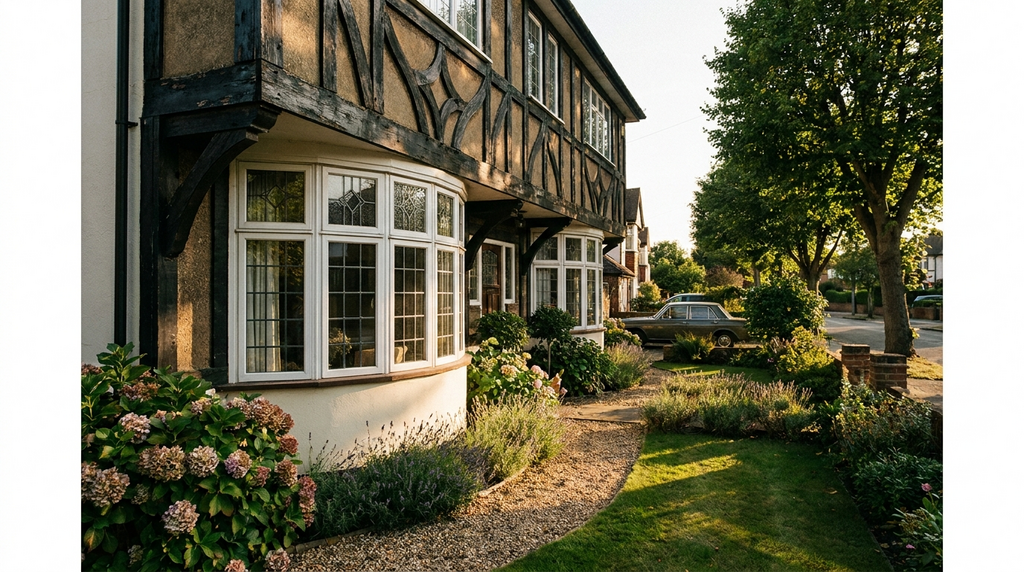
Anglian Home Improvements review 2026
Are you considering Anglian Home Improvements for new windows but unsure whether the price is justified? This review examines the company’s costs, product specifications, and customer service record against typical local installers in 2026. Quick Answer Anglian charges £3,200-£4,800 for three uPVC windows, compared to £1,800-£3,000 from local FENSA-registered installers in 2026. The premium is […]

Rehau windows review 2026
Rehau windows review 2026 Rehau is the most installed uPVC window system in the UK, but the company does not sell windows directly to homeowners. Instead, Rehau supplies plastic profiles to hundreds of independent fabricators who cut, weld, and assemble the finished windows. This means the product you receive depends heavily on the quality of […]

Scottish heritage windows replacement rules
Scottish planning rules treat heritage windows differently from standard replacements In Scotland, “heritage windows” generally refers to windows in listed buildings, conservation areas, or tenements that contribute to historic character. The legal framework that governs these windows is distinct from rules for standard replacements in unclassified homes. Under the Planning (Listed Buildings and Conservation Areas) […]
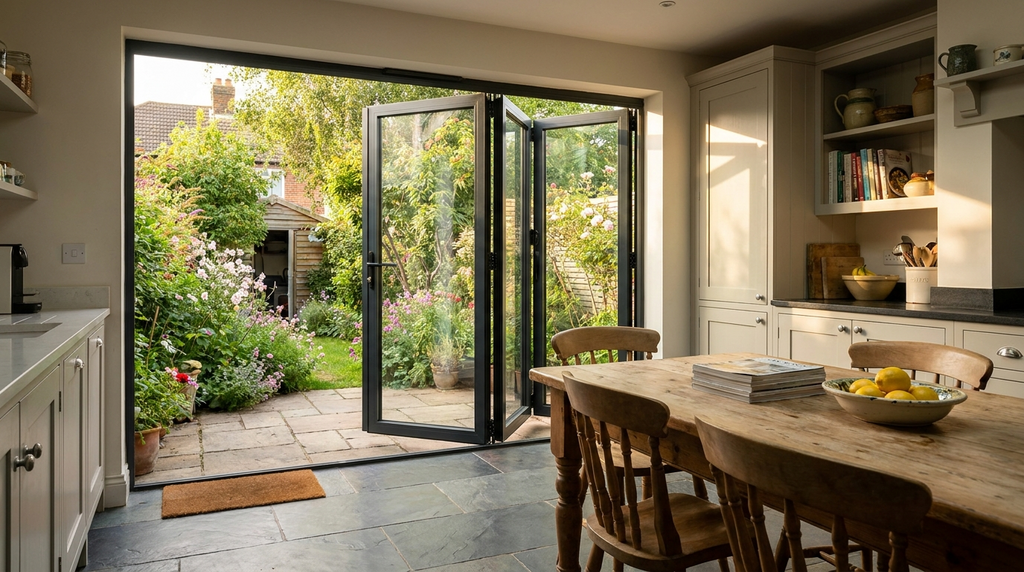
London conservation areas glazing rules
Conservation-area glazing rules are stricter than standard planning, non-compliance risks enforcement action If you live in a London conservation area, the rules governing window replacement are significantly tighter than standard permitted development rights. Conservation-area status overrides these rights entirely, meaning any change to a window that alters the external appearance normally requires a formal planning […]
Verified resources for Hastings
Use these official UK sources to check installer credentials, grant eligibility and planning rules before you commit.
Find a verified installer
Grants you may qualify for
In-depth windows & glazing reading.
Double Glazing Condensation Causes and Solutions UK
Average cost of fixing double glazing condensation in the UK is £150–£400 per window Condensation in double glazing can be frustrating, but the cost to fix it depends on what is causing the moisture. The typical cost for replacing a failed sealed unit (glass only) ranges from £150 to £400 per window in 2026, depending […]
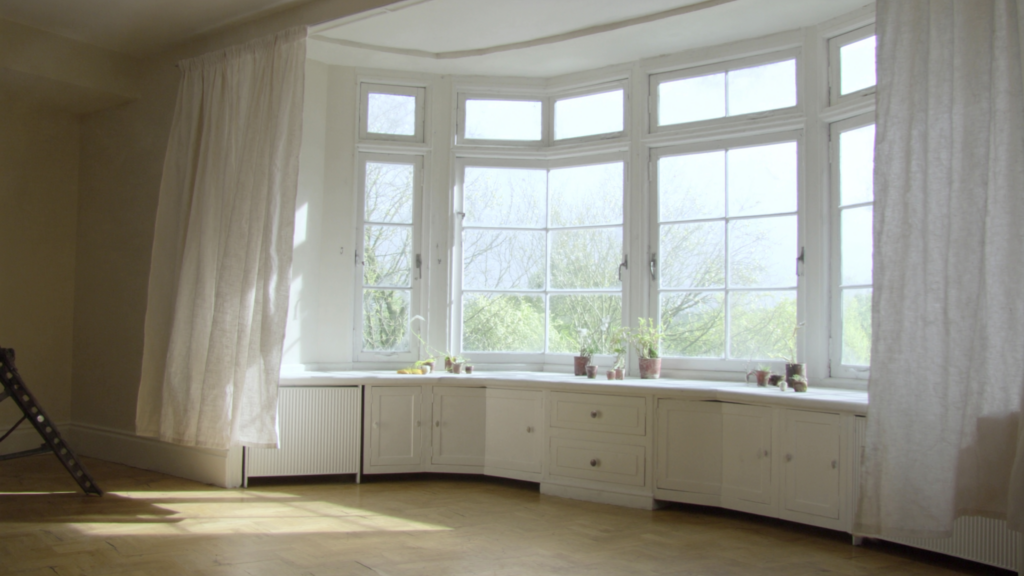
Double Glazing for Listed Buildings, A UK Guide
Why standard double glazing is usually refused for listed buildings If you own a listed building, the standard double glazing sold by most high street installers is almost certain to be rejected by your local planning authority. The legal framework is strict, and the penalties for ignoring it are severe. Quick Answer Standard double glazing […]
How Much Does Double Glazing Installation Take UK?
Average double glazing installation takes 1–3 days for a standard house If you are planning to replace your windows, the first question is usually how long the disruption will last. The physical fitting of new frames and glazing units for a typical three-bedroom semi-detached house takes one to three days, according to industry averages cited […]
How to Choose the Best Double Glazing Windows UK
The most important factor in choosing double glazing is the energy rating, not the frame colour When selecting replacement windows, the frame colour or material often dominates the conversation. However, the single most reliable indicator of long-term performance and cost savings is the energy rating. This rating, displayed on a scale from A++ to E, […]

Can You Get a Grant for Double Glazing UK 2026?
Can You Get a Grant for Double Glazing UK 2026 The search for a free or subsidised double glazing grant is one of the most common energy-saving queries UK homeowners make. Rising heating costs and stricter energy performance standards mean many households are looking for financial help to upgrade their windows. However, the funding landscape […]
Double Glazing Noise Reduction UK What to Expect
Double glazing cuts noise by 20–30 decibels, but the result depends on the glass and frame If you live near a busy road, a railway line, or an airport, traffic noise can make your home feel less peaceful. Many homeowners ask whether replacing old single-glazed windows with double glazing will solve the problem. Quick Answer […]
Get Double Glazing Quotes in Hastings
Compare quotes from trusted local eco home installers. No obligation.
Get a Free Quote