Why Fort William Homeowners Are Rushing to Upgrade Their Windows Right Now
If you live in Fort William, you already know what the rest of Scotland is only beginning to understand, heating a home here is genuinely expensive, and single glazed or old double glazed windows are one of the biggest reasons why. Sitting at the foot of Ben Nevis in the centre of the Western Highlands, Fort William endures some of the most relentless wind-driven rain in the entire UK. Your windows take a battering that most homeowners in Edinburgh or Glasgow simply never experience.
Gas usage across Fort William averages around 15,000 kWh per year, significantly above the Scottish median of roughly 12,000 kWh. That gap is not a coincidence. It reflects older housing stock, exposure to prevailing Atlantic westerlies, and winters that push well past 2,200 heating degree days annually. Every unit of heat your old windows leak into the Lochaber air is money you’ve already paid for and lost.
There’s also a very practical trigger happening right now. Many Fort William homes that received their original double glazing in the late 1990s and early 2000s are reaching the end of their working life. Seals fail, frames warp, and the argon gas that provides the insulating layer gradually escapes over 20 to 25 years. If you’re noticing condensation between the panes, draughts around the frames, or rooms that simply refuse to warm up, this guide was written for you.
What Double Glazing Actually Involves for a Typical Fort William Home
Most homes in Fort William fall into two broad categories, semi-detached and detached properties, many of which were built between the 1950s and 1980s as the town grew to support the aluminium smelter and tourism industries. You’ll find a lot of this housing stock in areas like Caol, Inverlochy, and along the outskirts heading towards Corpach. These are typically solid-walled or cavity-walled homes with standard window openings that are well suited to modern double glazing installation.
The practical process for a Fort William semi-detached or detached home involves measuring and removing your existing windows, preparing the opening, fitting new sealed units with thermally-broken frames, and sealing around the entire perimeter. A typical three-bedroom detached home might have eight to twelve window units, plus a front door, usually a full day’s work for a two-person installation team.
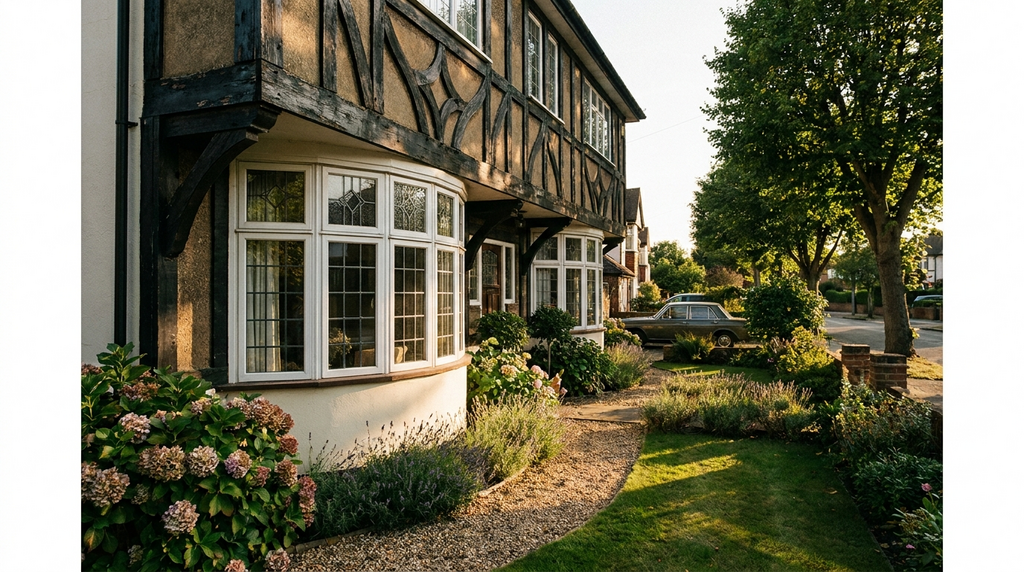
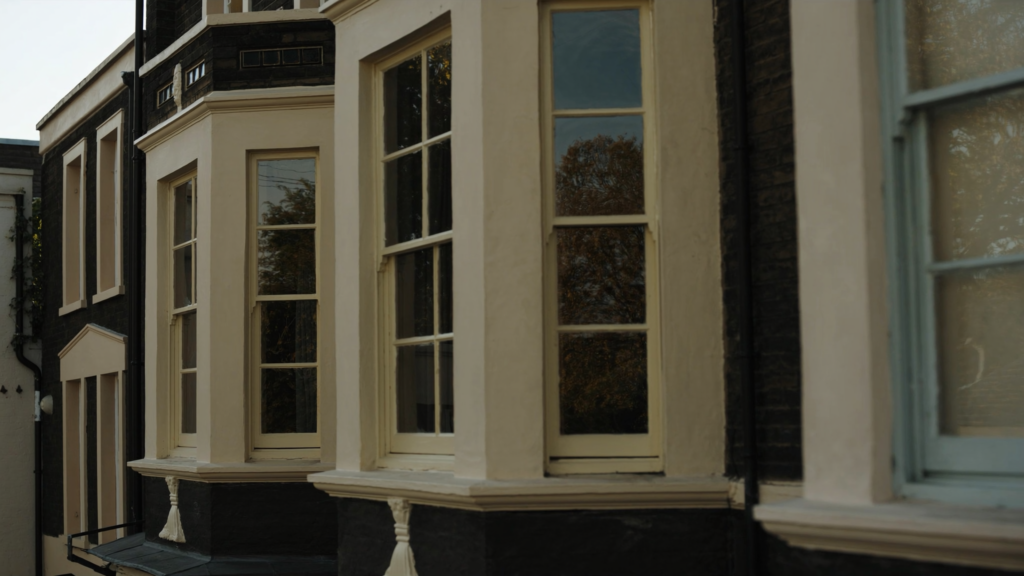
What makes it slightly more involved here compared to somewhere like Inverness or Perth is access. Many Fort William properties have relatively steep driveways, tight side passages, or are located on hillside plots where getting larger window panels into position requires more physical effort. Ground floor windows are generally straightforward, but upper floor bay windows on older 1970s builds can require scaffolding, particularly on the north and west elevations which take the worst of the weather.
- 1950s–1960s builds, Often have non-standard window openings that may need minor frame adjustment before new units fit cleanly
- 1970s–1980s builds, Usually cavity walled, most compatible with modern frames, though original timber subframes may need replacement
- 1990s–2000s builds, May already have double glazing reaching end of life; relatively straightforward like-for-like replacement
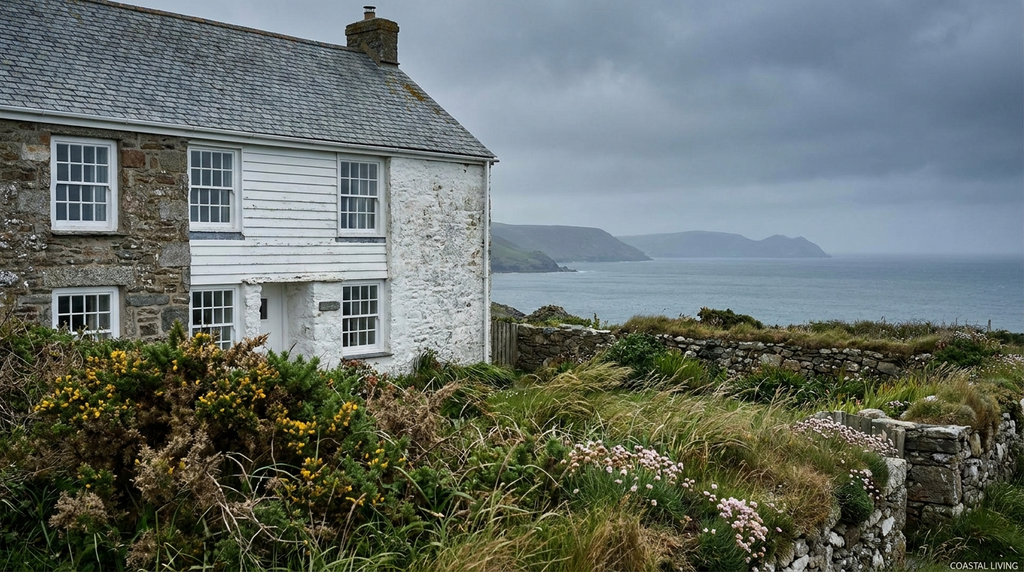
- Older stone cottages, Require more careful frame fitting to work with thick rubble stone walls; breathable installation critical
One insider tip worth knowing, Fort William’s salt-laden air coming off Loch Linnhe accelerates corrosion on standard aluminium fixings and uPVC reinforcement bars. Always ask your installer specifically about marine-grade fixings and stainless steel hardware. This is non-negotiable close to the waterfront or anywhere the A82 hugs the loch shore.
How Much Double Glazing Costs in Fort William and the Surrounding Area in 2026
Let’s be straight about pricing. Fort William is not a cheap place to get installation work done. Installers typically travel from Inverness (roughly 65 miles away) or Fort William-based tradespeople who have limited availability, and that travel time feeds into labour costs. You should expect to pay around 10–15% more than the Scottish national average for equivalent work.
| Property Type | Number of Windows | Standard uPVC Double Glazing | Triple Glazing Upgrade | Scottish Average (Comparison) |
|---|---|---|---|---|
| 2-bed semi-detached | 6–8 units | £3,800–£5,200 | £5,400–£7,100 | £3,400–£4,600 |
| 3-bed detached | 9–12 units | £5,500–£7,800 | £7,800–£10,500 | £4,900–£7,000 |
| 4-bed detached | 12–16 units | £7,200–£10,500 | £10,200–£14,500 | £6,500–£9,500 |
| Individual window replacement | 1 unit | £450–£750 | £650–£1,050 | £400–£650 |
| Full house inc. front door | 10–14 units + door | £6,800–£9,500 | £9,500–£13,200 | £6,000–£8,500 |
These figures include supply, fitting, and disposal of old frames. Scaffolding, if required for upper storey access on exposed elevations, adds roughly £600–£900 to the total. Conservation area compliance work, more on that below, can add a further £200–£500 per window for approved flush sash or heritage-style units.
If you’re in Caol or Inverlochy and getting a full house done, getting at least three quotes is genuinely important. The difference between the highest and lowest legitimate quote can easily be £1,500 or more on a full detached house job.
How Fort William’s Weather and Location Shape Your Window Choices
Fort William receives between 1,800mm and 2,200mm of rainfall per year, among the highest in mainland Britain. Your windows aren’t just battling cold; they’re fighting constant, driving, horizontal rain that finds its way into every imperfect seal. This is not an exaggeration. The prevailing south-westerly winds funnel moisture straight off the Atlantic and up Loch Linnhe with nothing to slow them down.
What this means practically is that weather sealing quality matters far more here than it would in, say, Aberdeen or Dundee. Look specifically for windows carrying a British Standard weather classification of at least Class 3 for watertightness and Class 4 for wind resistance (per BS EN 12208 and BS EN 12211). Some Fort William-savvy installers will recommend Class 4 watertightness as standard given local conditions, that’s sound advice worth taking seriously.
The salt air factor is real. Loch Linnhe is a sea loch connected directly to the Firth of Lorne, and the salt-laden air extends well into the town centre and the residential areas directly east and west. Standard galvanised reinforcement inside uPVC frames can rust over time in these conditions. Specify stainless steel reinforcement bars and marine-grade gaskets, the upfront cost difference is small but it extends frame life considerably.
Winter solar gain is limited here. Fort William sees fewer than 750 sunshine hours between October and February, so obsessing over solar control glass on north and west-facing windows is largely unnecessary. On south-facing elevations, a moderate g-value (solar transmittance) of around 0.6 will capture useful passive heat in winter without causing the overheating issues that matter in sunnier climates. This is one area where Fort William’s limited sunshine actually works in your favour, you don’t need to spend extra on specialist solar control coatings on most elevations.
The Products and Specifications That Actually Perform in These Conditions
Given everything above, here is a straightforward expert view on what to specify for a Fort William home, not a generic product list, but actual recommendations based on this town’s climate and building stock.
Frame Material
For most Fort William homes, uPVC with stainless steel reinforcement is the practical sweet spot, affordable, thermally efficient, and resistant to corrosion when specified correctly. Timber frames are beautiful and appropriate for conservation properties or stone cottages, but require more maintenance given the rainfall levels here. Composite frames (timber-aluminium hybrid) are an excellent premium option for exposed coastal-facing elevations, the timber interior gives thermal performance, the aluminium exterior shrugs off the weather.
Glazing Specification
Triple glazing is genuinely worth considering in Fort William in a way that it isn’t in milder parts of Scotland. With heating degree days exceeding 2,200 and gas bills already running above national averages, the extra thermal performance of triple glazing (typically achieving U-values of 0.7–1.0 W/m²K versus 1.2–1.4 for standard double) pays back faster here than it would in Glasgow or Edinburgh. Look for:
- Centre-pane U-value of 1.0 W/m²K or better for double glazing (1.2 is the Building Regulations minimum, aim higher)
- Argon or krypton gas fill between panes, krypton performs better in cold conditions
- Low-E hard coat glass on the interior pane to reflect heat back into the room
- Warm edge spacer bars (thermally broken, not standard aluminium spacers) to reduce condensation at the edges
- Window Energy Rating of A or A+ as a minimum standard
Frame Colours and Finishes
Darker exterior colours absorb more heat, which has a marginal benefit in Fort William’s cold winters. However, they also require more maintenance when exposed to UV and driving rain. Mid-grey and anthracite grey frames are popular choices locally and hold up reasonably well, avoid very dark finishes on uPVC as they can warp under intense sunlight on the rare hot summer days Ben Nevis reflects.
How to Find a Trustworthy Double Glazing Installer Near Fort William
This is where being in a smaller town genuinely matters. Fort William has a handful of local window and glazing companies, but for larger full-house jobs you’ll often be looking at bringing in installers from Inverness, or occasionally from further afield. That’s completely normal, but it means doing your homework matters more, not less.
For double glazing specifically, the key certification to look for is FENSA registration (or alternatively CERTASS). In Scotland, FENSA-registered installers can self-certify that their installation meets Building Regulations Section 6 (Energy) requirements, saving you the cost and admin of a Building Warrant for window replacement. Always ask, a legitimate installer will confirm their registration number without hesitation.
Additional credentials worth checking:
- TrustMark registration, government-endorsed quality scheme covering installation standards
- Which? Trusted Trader, independent verification of customer reviews and trading practices
- GGF membership (Glass and Glazing Federation), trade body with a complaints resolution process
Questions worth asking any installer before you commit:
- Are you FENSA or CERTASS registered and can you provide your registration number
- Do your fixings and reinforcement bars meet marine-grade standards for coastal installation
- What weather resistance classification do your windows carry (watertightness and wind load)
- What is your lead time from order to installation in the Fort William area
- What is included in your guarantee and does it cover the seals and gas fill as well as the frames
Red flags to watch out for, pressure to sign on the same day, no written quote, refusal to provide a FENSA number, and vague answers about the product specification. Lead times from reputable installers in the Highland area typically run 6–10 weeks from order to installation in 2026.
Grants and Funding That Fort William Residents Can Access in 2026
Here’s where being in Scotland rather than England actually works significantly in your favour. Scottish homeowners have access to a more generous set of support schemes than most of the rest of the UK.
Home Energy Scotland Loan
The standout option for most Fort William homeowners. Home Energy Scotland (funded by the Scottish Government) offers interest-free loans of up to £15,000 for energy efficiency improvements including window upgrades. There’s also a cashback element for the most impactful improvements. Applications go through Home Energy Scotland directly, call 0808 808 2282 or apply online. There is no income threshold for the loan element. That makes it accessible to a wide range of households.
Warmer Homes Scotland
If your household is on a low income or receives qualifying benefits, Warmer Homes Scotland can fund energy efficiency measures entirely free of charge. Window upgrades can be included as part of a broader package of measures. Eligibility includes households receiving Universal Credit, Pension Credit, or with an EPC of Band D or below (which covers the majority of Fort William homes).
ECO4 (Energy Company Obligation)
ECO4 applies across Scotland including Fort William. Large energy suppliers are obligated to fund efficiency improvements in lower-income households. Your energy supplier can refer you, or you can apply through a registered ECO4 installer. Double glazing is eligible as part of a package of measures, it’s rarely funded as a standalone measure but works well bundled with loft insulation or heating upgrades.
Great British Insulation Scheme (GBIS)
The Great British Insulation Scheme closed on 31 March 2026. It funded insulation measures only and never covered windows or glazing. Again, double glazing tends to be included as part of a package rather than as an individual measure. Worth investigating if you’re planning multiple upgrades at once.
Highland Council has periodically administered additional area-based schemes targeting fuel poverty, given Fort William’s above-average energy consumption and the Highland region’s recognition as a fuel poverty hotspot, it’s worth contacting Highland Council directly or speaking to Home Energy Scotland to check for any active local schemes at the time you’re planning your upgrade.
Planning Permission and Building Regulations in Fort William
The good news for most Fort William homeowners is that replacing windows with modern double or triple glazing is permitted development, meaning you don’t need planning permission as long as you’re using a FENSA or CERTASS-registered installer who can self-certify compliance with Building Regulations Section 6.
However, there are important exceptions specific to this area that you need to be aware of.
Fort William Town Centre and Conservation Areas
The Highland Council designates a conservation area covering parts of the town centre and some older residential streets. If your property falls within a conservation area, permitted development rights for window replacement are restricted. You’ll need to apply for planning permission and use windows that match the original style, proportions, and finish, typically flush casement or sash-and-case units in colours sympathetic to the existing streetscape