Why Oban Homeowners Are Looking at Double Glazing Right Now
If you live in Oban, you already know what winters feel like here. The Atlantic rolls in off the Firth of Lorn, the wind picks up around Dunollie and Pulpit Hill, and from November through to March your heating barely gets a rest. With average gas consumption sitting at 14,500 kWh per year, well above the Scottish median, Oban households are spending noticeably more on warmth than most of the country.
That’s exactly why double glazing is such a hot topic along George Street and up through the Soroba and Longsdale Road neighbourhoods right now. Single-glazed or poorly sealed older windows are one of the biggest causes of heat loss in a home, and in a town where your boiler works 20–30% harder than average, every degree you keep inside your walls matters financially.
There’s another driver too. Argyll and Bute Council has been pushing energy efficiency improvements as part of Scotland’s Heat in Buildings Strategy, and the funding landscape in 2026 is genuinely better than it has ever been. Oban homeowners who have been putting this off are starting to realise that waiting costs money, both in fuel bills and in missed grant opportunities.
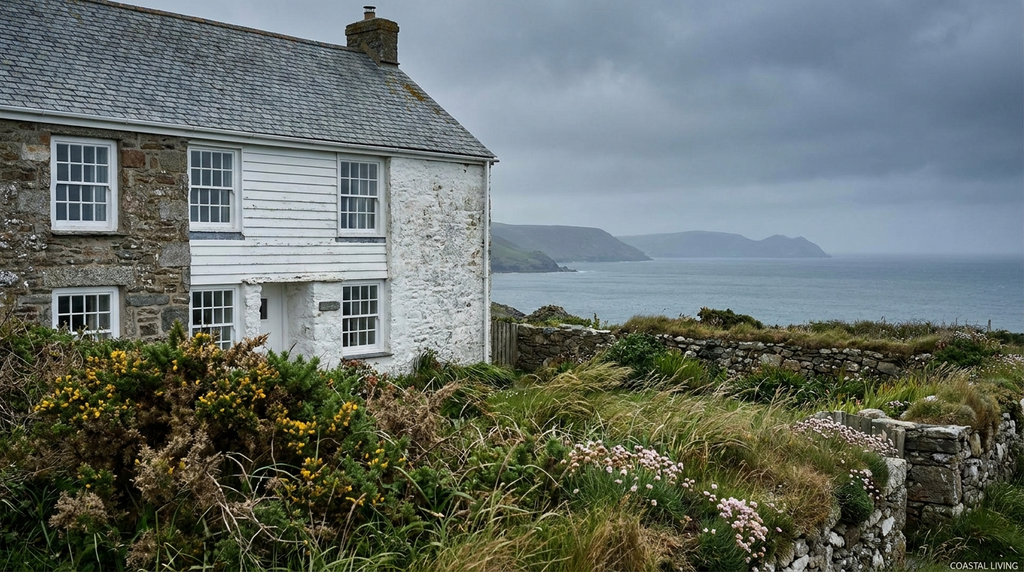
And then there’s the salt air. Oban’s striking coastal position is one of its greatest assets, but it’s quietly destroying older window frames across the town. Metal fittings corrode, seals degrade faster, and single-pane glass offers almost nothing by way of thermal resistance. For many homes in Oban, new marine-grade double glazing is both a comfort upgrade and overdue maintenance.
What Double Glazing Actually Involves for a Typical Oban Home
Most homes in Oban are either detached or semi-detached properties, many of which were built between the 1930s and the 1980s. That building era matters enormously for double glazing. These properties typically have timber frames, sometimes with stone or rendered exteriors, and standard window openings that can accommodate modern double-glazed units, but the installation isn’t always straightforward.
In older stone-built properties, the kind you’ll find on the hillside streets above the town centre, the window reveals can be unusually deep. This affects the type of frame and installation method required, and it’s something a good installer should assess before quoting. If you’re in a 1970s semi on the Soroba estate, your situation will be quite different from someone in a Victorian villa near Corran Esplanade.
Here’s what the installation process typically looks like for an Oban semi or detached home:
- A surveyor visits to measure all openings and assess frame condition and wall type
- Units are manufactured to measure, usually a 2–4 week lead time from a fabricator, likely based in Inverness, Glasgow, or Stirling given Oban’s size
- Installation typically takes one to three days for a full house, depending on window count
- Old frames are removed, new frames fitted and sealed, and glass units dropped in
- Finishing work includes internal and external sealing, trim, and draught-proofing
One practical consideration unique to Oban is access. Some streets in the older parts of town are narrow, and parking a van or scaffold tower close to your property isn’t always easy. If you live on a steep hillside street above the town, your installer needs to factor this in. It can add time and occasionally cost.
Because Oban doesn’t have a large pool of specialist double glazing firms based in the town itself, most installers will travel from Lochgilphead, Inveraray, Dunoon, or further afield. That’s perfectly normal for a town of 8,000 people, but it does mean you need to plan lead times carefully, especially if you want work done before the autumn.
How Much Double Glazing Costs in Oban and the Surrounding Area in 2026
Costs in Oban tend to run slightly above the Scottish average, primarily because of travel time for installers and the logistics of supplying materials to a more remote location. Even so, it’s rarely a dramatic premium, expect to pay roughly 8–15% more than you’d see quoted for a property in Glasgow or Edinburgh.
Here’s a realistic breakdown of what you can expect to pay in 2026:
| Property Type and Scope | Budget Option (PVCu) | Mid-Range (PVCu or Composite) | Premium (Timber or Aluminium) |
|---|---|---|---|
| 2-bed semi, 6–8 windows | £3,800–£5,200 | £5,500–£7,500 | £8,500–£12,000 |
| 3-bed semi, 8–10 windows | £4,800–£6,500 | £6,800–£9,000 | £10,500–£15,000 |
| 3-bed detached, 10–12 windows | £5,500–£7,500 | £8,000–£11,000 | £12,000–£18,000 |
| 4–5 bed detached, 14+ windows | £7,500–£10,000 | £11,000–£15,000 | £16,000–£25,000+ |
| Single window replacement (average) | £350–£550 | £600–£900 | £1,000–£1,800 |
For comparison, the Scottish average for a 3-bed semi sits around £5,500–£8,000 for mid-range units. Oban homeowners typically pay at the higher end of those ranges or slightly beyond, partly due to the travel costs built into installer quotes and partly because marine-grade upgrades (more on those shortly) carry a small premium.
Front doors and patio doors will add to these figures if included. A composite front door in Oban currently runs from £1,400 to £2,200 fitted, while a uPVC patio or French door typically costs £1,800–£3,500 depending on size and specification.
How Oban’s Weather and Location Change Everything About Your Window Choice
This is where the generic double glazing advice you’ll read on most websites simply doesn’t apply to Oban. The town faces exposure conditions that most of England never experiences, and the products that perform averagely in London can genuinely fail here within a decade.
Rainfall in the Oban area sits between 1,200mm and 1,800mm per year. Combined with the prevailing westerly and south-westerly winds that funnel up from the Atlantic, you get what’s technically called driving rain, rain that hits windows and frames horizontally at speed. This matters because it tests the watertight integrity of every seal, joint, and gasket in your window system. Cheap factory seals and poorly fitted frames will start to fail within a few years in these conditions.
Salt air is the other major factor. Even if you’re not right on the waterfront, salt-laden air circulates across most of Oban. This accelerates corrosion on any exposed metal, hinges, locking mechanisms, friction stays, and especially aluminium frames that haven’t been properly powder-coated or anodised. When you’re specifying windows for Oban, marine-grade hardware is not an optional upgrade. It’s the baseline.
Wind loading also matters more here than in sheltered inland towns. Windows on west-facing elevations, common in many Oban homes given the hillside topography, need to be designed with higher wind resistance ratings. Look for units tested to BS 6375 and ask your installer specifically about wind load performance.
The flip side of Oban’s climate is that long summer daylight hours mean good solar gain potential through south and west-facing glass. Choosing windows with a low U-value but a decent solar heat gain coefficient (SHGC) on those aspects can actually contribute to warming your home passively, useful when you’re burning more gas than average.
The Products and Specifications That Actually Perform Well Here
Based on Oban’s conditions, here are the specific product choices that make sense, not a generic menu, but a genuine recommendation for this type of location:
Frame Material
PVCu (uPVC) remains the most sensible choice for the majority of Oban homes. It doesn’t corrode, doesn’t rot, and handles driving rain well when properly installed. Choose a reputable brand with reinforced steel inner frames and quality gaskets, not the cheapest fabricator’s offering. For character properties or any home in a conservation context, high-quality cellular PVCu can now be specified to mimic timber sightlines convincingly.
Aluminium frames are excellent if specified correctly, marine-grade anodised or powder-coated finish is essential in Oban. Avoid any installer who suggests standard powder coating without marine specification. Composite aluminium-timber frames offer the best thermal performance but come at a significant cost premium.
Glass Specification
Don’t accept standard double glazing when triple glazing may now cost only 15–20% more for superior performance. In a town with Oban’s heating degree days and gas consumption, the extra investment in triple glazing on north and east-facing elevations pays back faster than the UK average. Look for:
- Whole-window U-value of 1.2 W/m²K or better for double glazing
- Whole-window U-value of 0.8 W/m²K or better for triple glazing
- Warm-edge spacer bars (not aluminium) to reduce cold bridging
- Low-E coating (soft coat preferred) on the inner pane
- Argon or krypton gas fill between panes
Locking and Hardware
Specify stainless steel or marine-grade hardware throughout. Brass-effect fittings with lacquer coatings will look tired within three or four years in coastal air. This is a point many installers from inland areas overlook, push them on it explicitly before signing anything.
How to Find a Trustworthy Double Glazing Installer Near Oban
With no large national double glazing chains based in Oban itself, you’re working with a mix of local tradespeople and firms travelling from larger towns. That’s not a problem, but it means your vetting process matters more, not less.
The key certifications and schemes to check for in 2026 are:
- FENSA registration, this is the most important one for windows and doors in Scotland. FENSA-registered installers self-certify compliance with building regulations, saving you from a separate council inspection fee. Always verify directly on the FENSA website
- CERTASS membership, an alternative competent person scheme to FENSA, equally valid
- TrustMark, the government-endorsed quality scheme. Particularly worth checking for any installer you find through grant funding routes
- Which? Trusted Trader or similar consumer endorsement schemes
Ask every installer these questions before accepting a quote:
- Are you FENSA or CERTASS registered, and will you provide the compliance certificate on completion?
- What specific hardware specification do you use for coastal locations?
- Where are your frames fabricated, and can I see the manufacturer’s warranty terms?
- What is your current lead time from survey to installation?
- Do you carry public liability insurance of at least £2 million?
- Can you provide two or three references from other Oban or Argyll customers?
Red flags to watch for include quotes given over the phone without a site survey, pressure to sign on the day, unusually low prices that don’t reflect travel costs, and any reluctance to put warranties in writing. Lead times in the Oban area currently run 4–8 weeks from survey to installation for most installers.
Grants and Funding Available to Oban Residents in 2026
Scotland has a genuinely strong funding ecosystem for home energy improvements, and Oban residents can access schemes that English homeowners simply can’t. Here’s what’s available:
Home Energy Scotland Loan
This is the headline option for most Oban homeowners who don’t qualify for free grant schemes. Home Energy Scotland, funded by the Scottish Government, offers interest-free loans of up to £15,000 for energy efficiency measures including double and triple glazing. There’s no income threshold, any homeowner can apply. You repay over up to 10 years, meaning a £9,000 window installation costs you £75 per month with no interest. Apply through the Home Energy Scotland helpline or their website.
Warmer Homes Scotland
If you’re on certain benefits or have a low household income, Warmer Homes Scotland can fund insulation and energy upgrades completely free of charge. Double glazing is included where it’s identified as necessary for energy performance. Eligibility is assessed individually. Contact Home Energy Scotland to get a referral.
ECO4 (Energy Company Obligation)
ECO4 runs alongside Scottish-specific schemes and funds energy improvements for households in lower council tax bands or in receipt of qualifying benefits. Double glazing can be funded under ECO4 when it forms part of a broader package of improvements. Your energy supplier or a registered ECO4 installer can assess your eligibility.
Great British Insulation Scheme (GBIS)
GBIS targets properties in EPC Band D or below, which matches Oban’s average rating precisely. If your home qualifies, you may receive a contribution toward glazing as part of a whole-home insulation approach. It’s worth checking eligibility even if you’re not on benefits.
Argyll and Bute Council occasionally runs its own top-up schemes, it’s worth calling their housing team directly to ask what’s currently available for Oban residents specifically, as smaller area-based funding pots open and close throughout the year.
Planning Permission and Local Regulations in Oban
For most Oban homeowners with detached or semi-detached properties, replacing like-for-like windows and doors falls under permitted development rights in Scotland and does not require planning permission. This is the case across the majority of the town.
However, Oban has some important exceptions you need to be aware of:
Conservation areas exist in parts of central Oban, particularly around the historic townscape near the Esplanade and some of the older Victorian and Edwardian streets. Within these areas, even window replacements can require consent. The key test is whether the replacement materially alters the character of the building or the streetscape. Replacing single-pane timber sashes with white uPVC casement windows, for example, would typically require Listed Building Consent or planning permission depending on your property’s status.
If your property is a listed building, and there are several in and around Oban town centre, you will need listed building consent regardless of the scope of work. Contact Argyll and Bute Council’s planning department directly before commissioning any work on a listed property. They are generally appro