Why Fraserburgh Homeowners Are Looking at Double Glazing Right Now
If you live in Fraserburgh, you already know the winters here are no joke. Sitting on the northeastern tip of Aberdeenshire, this town gets battered by winds rolling in off the North Sea with very little standing in their way. When a January gale hits, single-glazed or older windows don’t just feel cold, they actively pull heat out of your home like a drain.
The numbers back up what residents already feel. The average Fraserburgh home sits at EPC Band E, which is a full band below the Scottish national average of Band D. Gas usage here runs around 14,500 kWh per year, significantly above the UK median of 12,000 kWh. That gap between what you’re burning and what a better-insulated home would burn is where double glazing starts to make real financial sense.
There’s also a growing awareness that Aberdeenshire Council has been encouraging energy upgrades ahead of Scotland’s ambitious Heat in Buildings targets for 2045. Fraserburgh’s housing stock, much of it granite-built terraces and post-war semis, was never designed with modern insulation in mind. Double glazing is often the most accessible first step, and in a town where energy bills are above average and heating runs hard from October through April, the return on investment here is better than in many softer parts of the UK.
What Double Glazing Actually Involves for a Typical Fraserburgh Home
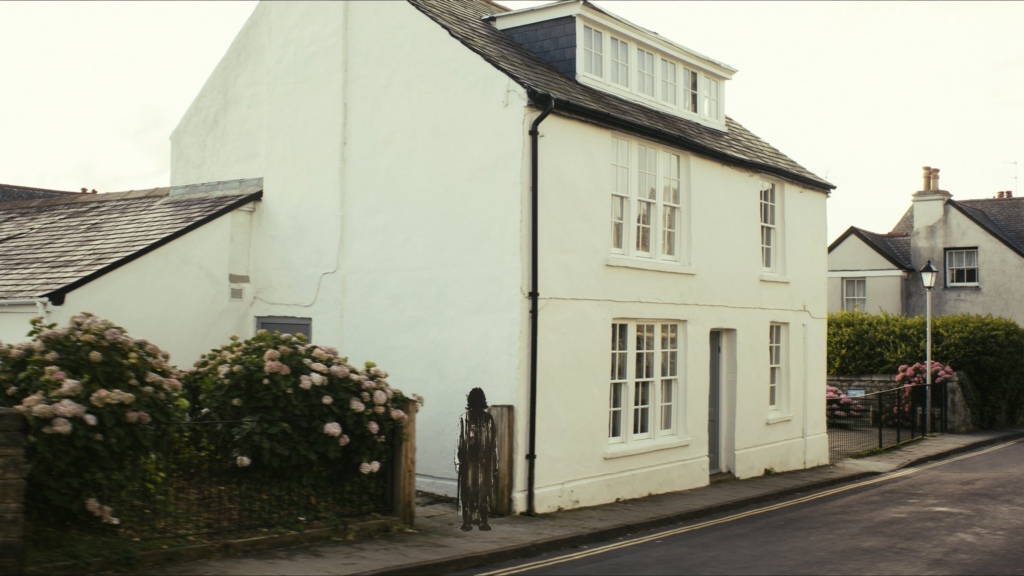
Most homes in Fraserburgh fall into two broad categories. You’ve got the older granite terraces, particularly prominent around the town centre and the historic harbour streets, and the post-war semi-detached estates that expanded the town outward from the 1950s through to the 1980s. Both present their own quirks for double glazing.
Granite-built properties are beautiful, but the walls are thick and the window openings often have deep reveals. This means standard off-the-shelf frames may need custom sizing, and fitting can take longer than on a typical brick-built home. Installers need to be comfortable working with stone surrounds and lime mortar, not something every company handles well.
Post-war semis, including many of the homes on Fraserburgh’s residential streets to the south and west of the town centre, tend to have larger window openings and cavity walls. These are generally more straightforward to upgrade, but older UPVC that was fitted in the 1990s may now be well past its prime, and replacing like-for-like isn’t always the best approach when modern triple-glazed options are available at similar price points.
- Older granite terraces, Deep reveals, lime mortar surrounds, potential need for custom frame sizing and specialist fitters
- 1950s–1980s semis, More standard openings, often easier to quote and install, good candidates for upgrading ageing UPVC
- Timber sash windows, Common in pre-war properties near the town centre; may fall under conservation guidance so check before ordering
- Bungalows, A common property type in parts of Fraserburgh; access is simple, but roof overhangs can affect fitting angles
One practical reality worth flagging, Fraserburgh doesn’t have a large roster of local glazing specialists based in town. Most installers serving the area operate out of Peterhead (around 25km south) or Aberdeen, which means travel costs and availability can affect your quote and schedule. More on that in the installer section below.
How Much Double Glazing Costs in Fraserburgh and the Scotland Area in 2026
Let’s talk money. Costs for double glazing in Fraserburgh sit slightly above the Scottish central belt average, largely because of the travel factor and the specific demands of local housing stock. Expect to pay a modest premium of around 8–12% over Glasgow or Edinburgh prices for equivalent work.
| Property Type | Number of Windows | Standard Double Glazing (UPVC) | Premium Double Glazing (A-rated) | Triple Glazing |
|---|---|---|---|---|
| Mid-terrace (2-bed) | 4–6 windows | £2,800–£4,200 | £3,800–£5,400 | £5,200–£7,000 |
| End-terrace (3-bed) | 6–8 windows | £3,800–£5,600 | £5,000–£7,200 | £6,800–£9,500 |
| Semi-detached (3-bed) | 7–10 windows | £4,500–£6,500 | £6,000–£8,500 | £8,000–£11,500 |
| Detached bungalow | 6–10 windows | £4,000–£6,200 | £5,500–£8,000 | £7,500–£10,500 |
| Include front door replacement | Add per door | +£600–£900 | +£900–£1,400 | +£1,200–£1,800 |
These figures include supply, fitting, and removal of old frames. They don’t include scaffolding (add £400–£900 if upper-floor access requires it) or any structural repair to surrounding masonry, granite surrounds in older properties occasionally need repointing before frames can be fitted, which can add £200–£600 to the bill.
For comparison, the same semi-detached job in Peterhead typically comes in around 5–8% cheaper, and in Aberdeen the market is more competitive with a wider installer pool pushing prices slightly lower still. If you’re getting quotes, it’s worth contacting Peterhead-based firms as well as those advertising locally, many already cover Fraserburgh as part of their regular round.
How Fraserburgh’s Weather and Location Shape Your Double Glazing Choices
Fraserburgh’s position on the Buchan coast is genuinely one of the most wind-exposed in mainland Scotland. The town sits on a headland where northerly and easterly winds come in with virtually no shelter, and those winds carry salt. That’s not just uncomfortable; it’s a real factor in what products you should choose.
Salt-laden air accelerates corrosion on metal components. This is why marine-grade hardware, hinges, handles, locking mechanisms, matters far more here than it would for an inland property in, say, Stirlingshire. Ask any installer specifically about the corrosion resistance of the hardware they plan to use. A cheap fitting that degrades within five years is a false economy.
Wind pressure ratings are also worth discussing. Windows facing northeast or east in Fraserburgh face the most punishment. Look for frames tested to at least Class 3 wind resistance (EN12210), and ideally Class 4 for exposed elevations. Most decent installers serving this area will already factor this in, but it’s worth asking explicitly.
The heating degree day figure for Fraserburgh, over 2,200 per year, is in the top tier for mainland UK. This matters for glazing because it directly determines how much energy is escaping through your windows across a long heating season. A window with a U-value of 1.2 W/m²K versus one at 1.6 W/m²K might seem like a marginal difference, but across a Fraserburgh winter, that gap translates to meaningful savings. Triple glazing, which achieves U-values of 0.8 W/m²K or below, starts to look genuinely justifiable here in a way it wouldn’t in, say, Somerset.
The Products and Options That Actually Perform in These Conditions
Given everything above, here’s an honest steer on what to prioritise for a Fraserburgh home rather than a generic spec sheet.
Triple Glazing, Genuinely Worth Considering Here
In most of England and Wales, triple glazing is often over-specified. In Fraserburgh, it’s not. With your heating season running hard from October to April and gas usage already above average, the additional upfront cost over premium double glazing can be recovered in 6–9 years rather than the 10–12 years it might take further south. If you’re replacing all windows at once, get triple glazing quotes alongside standard double, the gap is smaller than most people expect.
Frame Material, UPVC Wins on Practicality
Timber frames look beautiful in older granite properties, but the maintenance burden in a coastal, high-rainfall environment is real. Salt air, wind-driven rain and temperature swings mean timber needs repainting or re-staining every few years. Modern UPVC with foiled woodgrain finishes gives you the aesthetic without the upkeep and is the sensible choice for most Fraserburgh homeowners. Composite frames (timber core, UPVC outer) are a credible middle ground for those with conservation or character property concerns.
Glazing Specification, What to Look For
- U-value, Aim for 1.2 W/m²K or below for double glazing; 0.8 W/m²K or below for triple
- Low-E coating, Essential in this climate; reflects heat back into the room rather than letting it escape
- Argon or krypton gas fill, Argon is standard and effective; krypton performs slightly better but costs more
- Warm edge spacer bars, Reduces cold bridging around the perimeter of the glass; makes a real difference in condensation resistance
- Window Energy Rating, Look for A or A+ rated units under the BFRC scheme
- Marine-grade hardware, Specifically request this for any window on an exposed elevation
Draught-Proof Secondary Glazing
For listed buildings or conservation area properties in Fraserburgh where replacing original windows isn’t permitted, secondary glazing fitted internally is a practical and often underrated option. It won’t look as neat, but it can achieve a meaningful improvement in thermal performance without touching the external fabric of the building.
How to Find a Trustworthy Double Glazing Installer Near Fraserburgh
As mentioned earlier, the installer market in Fraserburgh itself is limited. You’re realistically drawing from a pool that covers Fraserburgh, Peterhead, and the wider Buchan area, with some firms travelling up from Aberdeen for larger jobs. That’s not necessarily a problem, but it does mean lead times can be longer and availability tighter, especially from spring into summer when demand peaks.
Certifications to Look For
- FENSA or Certass registered, Mandatory for any installer replacing windows and doors in Scotland; they self-certify building regulations compliance on your behalf
- TrustMark accreditation, Government-endorsed quality scheme; particularly important if you’re using grant funding
- Which? Trusted Trader, Useful independent verification of customer satisfaction
- Manufacturer accreditation, Many good installers are approved dealers for specific frame manufacturers such as Rehau, Deceuninck or Liniar
Questions to Ask Before You Sign Anything
- Are you FENSA or Certass registered, and will you provide a certificate on completion?
- What U-value will the finished window units achieve?
- What hardware are you specifying, and is it rated for coastal exposure?
- What is your guarantee on frames, sealed units, and installation separately?
- Are you TrustMark registered (required for ECO4 or Home Energy Scotland funded work)?
- Who do I contact if there’s a problem after installation?
Red Flags
Be cautious of any installer who pressures you to sign on the day, refuses to provide a written quote with full product specs, or can’t give you a FENSA number. Door-to-door glazing sales still happen in smaller towns, and the margins built into these approaches rarely reflect fair value.
Typical lead times from Peterhead or Aberdeen-based firms for a standard semi-detached job in Fraserburgh run around 4–8 weeks from survey to installation in 2026.
Grants and Funding That Could Reduce Your Costs in 2026
Fraserburgh homeowners are in a genuinely good position for grant funding, for two reasons. First, the average Band E EPC rating means many homes qualify under schemes targeting lower-performing properties. Second, Scotland has its own funding ecosystem on top of UK-wide schemes.
Home Energy Scotland Loan
This is often the first port of call for Scottish homeowners. Home Energy Scotland offers interest-free loans of up to £15,000 for energy efficiency measures including double and triple glazing. There’s no household income threshold for the loan element, meaning it’s available to most homeowners. The application process goes through Energy Saving Trust on behalf of the Scottish Government, and advice is free. Call 0808 808 2282 or visit the Home Energy Scotland website.
Warmer Homes Scotland
For households on qualifying low incomes or certain benefits, Warmer Homes Scotland can provide fully funded upgrades. Glazing is typically included where it’s identified as a priority measure. Eligibility criteria in 2026 include households receiving certain means-tested benefits, those with a low EPC rating, or households with a member who has a qualifying health condition. Given that Fraserburgh has a significant proportion of older housing stock and many residents on fixed incomes, this scheme is worth investigating even if you’re not sure you qualify.
ECO4 (Energy Company Obligation)
ECO4 applies in Scotland alongside Scottish schemes and is delivered through energy suppliers. It targets households with an EPC below Band D, which describes most homes in Fraserburgh. Double glazing can be funded as part of a wider package of measures. Your energy supplier is the starting point, or you can be referred through Home Energy Scotland. TrustMark registration of your chosen installer is a requirement for ECO4 funded work.
Great British Insulation Scheme (GBIS)
GBIS can support glazing improvements as part of a broader energy package for homes in Council Tax Bands A–D or with an EPC below Band D. Given both of these criteria apply to a large share of Fraserburgh’s housing stock, it’s worth checking eligibility via your energy supplier.
The single most useful step is to contact Home Energy Scotland for a free assessment, they can map out which combination of grants and loans you’re eligible for, which often produces a better outcome than approaching schemes individually.
Planning Permission and Regulations, What Aberdeenshire Council Requires
For most Fraserburgh homeowners, replacing windows with double glazing does not require planning permission. Under permitted development rights in Scotland, like-for-like window replacements on standard residential properties are generally permitted without a formal application to Aber