Why Holyhead Homeowners Are Looking at Double Glazing Right Now
Holyhead sits at the very tip of Anglesey, facing the Irish Sea head-on. That’s not just a geographical fact, it’s the reason so many homes here are drafty, damp-feeling, and expensive to heat. When the westerly gales come rolling in off the water, single-glazed or ageing windows aren’t just uncomfortable, they’re genuinely costly.
With the average Holyhead household sitting on an EPC Band D rating and burning through around 13,600 kWh of gas every year, there’s real money to be saved here. Double glazing is one of the most impactful upgrades you can make, and with Wales-specific funding schemes making it more accessible than ever in 2026, a lot of local residents are finally taking the plunge.
There’s also a broader community conversation happening. Anglesey has a strong identity around sustainability and self-sufficiency, the island has long punched above its weight on renewable energy, and double glazing fits neatly into that ethos. If you’re on Kingsland Road, in one of the older terraces near the town centre, or in a semi off the Holyhead Road corridor, this is a home improvement that makes immediate, tangible sense for where you live.
What Double Glazing Actually Involves for a Typical Holyhead Home
Most homes in Holyhead were built between the 1900s and 1970s, a mix of solid-wall Victorian and Edwardian terraces near the town centre, plus post-war semis and council-built properties on estates like Penrhos and Kingsland. That building era matters a lot when you’re planning double glazing.
Older terraced homes on streets like Stanley Street or near the harbour often have non-standard window openings, slightly irregular sizes from decades of minor repairs and alterations. That means bespoke frames rather than off-the-shelf units, which adds a little to the cost but is completely manageable with the right installer.
Semi-detached properties from the 1950s and 60s tend to have larger window openings, particularly at the front elevation. These are actually easier to work with, but the bigger panes mean more glass area to price up. You might also encounter original timber frames in reasonable structural condition, and a good installer will tell you honestly whether it’s worth retaining the surround or going for a full replacement.
- Access, Many town-centre terraces in Holyhead have limited parking and tight access for delivery vehicles. Factor this into your installation timeline
- Render and masonry, External render on older properties can be disturbed during frame removal. Ask your installer how they handle this
- Dampness, Some older Holyhead homes have existing damp issues that double glazing alone won’t fix. Glazing improves cold bridging but won’t address penetrating damp in walls
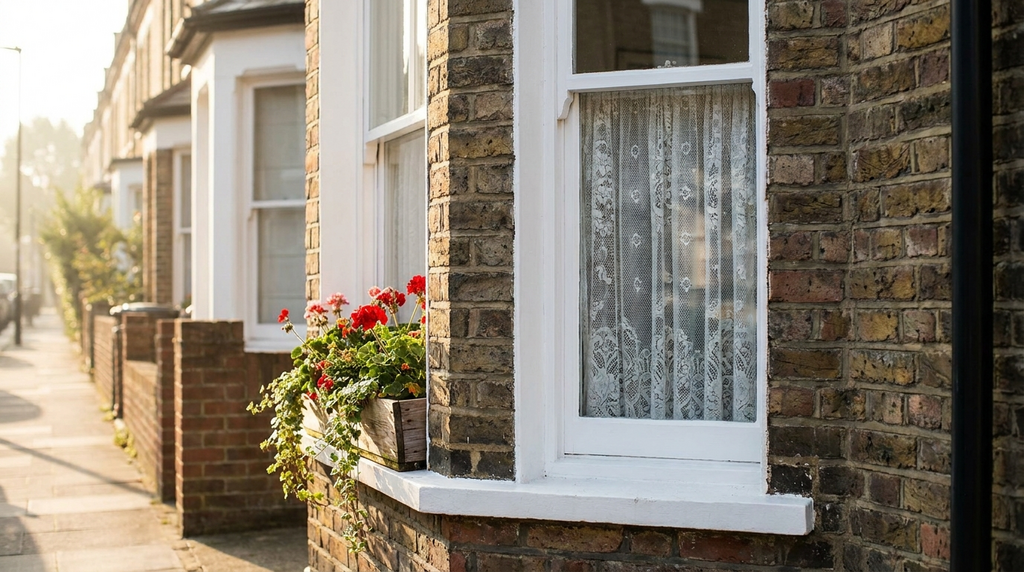
- Bay windows, Common on Edwardian terraces, bays require specialist fitting and cost more, budget separately for these
The good news is that Holyhead’s housing stock is generally well-suited to double glazing upgrades. Properties here aren’t unusually complex, they just need an installer who knows the area and isn’t guessing about local material conditions.
How Much Double Glazing Costs in Holyhead and the Wales Area in 2026
Let’s get specific, because vague estimates are useless when you’re trying to budget. Prices in Holyhead tend to run slightly above the Wales average, not dramatically, but the town’s island location means some installers add a modest travel premium. Most reputable companies covering this area are based in Bangor (35km) or Caernarfon (30km), and a small access charge is fairly standard.
| Property Type | Number of Windows | Standard uPVC A-Rated | Premium uPVC Triple Glazing | Timber or Aluminium Frames |
|---|---|---|---|---|
| Small terraced (2 bed) | 4–6 windows | £2,800 – £3,800 | £4,200 – £5,500 | £5,000 – £7,000 |
| Mid terraced (3 bed) | 6–8 windows | £3,800 – £5,000 | £5,500 – £7,200 | £6,500 – £9,500 |
| Semi-detached (3 bed) | 8–10 windows | £4,500 – £6,200 | £6,800 – £9,000 | £8,000 – £12,000 |
| Semi-detached (4 bed) | 10–12 windows | £5,500 – £7,500 | £8,500 – £11,500 | £10,000 – £15,000 |
| Including front door replacement | Add-on | + £800 – £1,400 | + £1,200 – £2,000 | + £1,500 – £3,000 |
These figures include supply, fitting, and basic plastering around frames where needed. The Wales average for a standard 3-bed semi runs around £4,200–£5,800 for uPVC A-rated double glazing, so Holyhead sits roughly £300–£500 above that mid-range due to installer travel costs. The UK national average for the same job is around £4,800–£6,500, which means Holyhead is competitive overall.
Insider tip, always get three quotes and ask each installer whether the price includes frame disposal and any minor render repair. That’s where hidden costs creep in.
How Holyhead’s Weather and Location Affect Your Double Glazing Choices
Holyhead receives between 1,000mm and 2,000mm of rainfall annually, with prevailing south-westerly winds driving that rain hard against west-facing elevations. If your home faces the sea or has any west-facing windows, you need frames and sealed units specified for high wind and rain exposure, not just standard domestic grade.
The salt-laden air is a real consideration here. Unlike inland towns, Holyhead’s coastal position means frame materials are exposed to mild but consistent salinity. Standard white uPVC handles this well, but cheaper powder-coated aluminium frames can show surface degradation within a decade if the coating isn’t rated for coastal conditions. Always ask your installer to confirm the frames are suitable for coastal environments.
Wind loading is another factor. Holyhead sits in an area that regularly sees gusts over 60mph during Atlantic storms. Your sealed units should be specified with toughened or laminated glass on any exposed elevations. This is a safety measure, and it also significantly reduces the drone and rattle that standard units produce under gale-force winds. Any decent installer covering this area should already know this, but it’s worth confirming.
On the positive side, Holyhead gets more sunshine hours than you might expect for a western coastal location, around 1,000–1,200 hours annually. South-facing rooms can benefit from solar gain if you choose the right glass coating. Low-emissivity (Low-E) glass with a soft coat is ideal here, it lets winter sun warm the room while retaining heat overnight.
The Products and Options That Work Best Here
Given Holyhead’s specific conditions, here’s what genuinely makes sense for most homes in this area rather than a generic product list.
uPVC Frames with Reinforced Profiles
For the majority of Holyhead terraces and semis, reinforced uPVC remains the best value option. Look for profiles with a minimum of five chambers and steel reinforcement, this matters for wind resistance. Brands like Rehau, Deceuninck, or Veka all offer coastal-grade profiles that your installer can source.
A-Rated or Higher Sealed Units
Minimum A-rated double glazing should be your starting point. For west and north-facing elevations, consider upgrading to A+ or triple glazing on those specific windows, the additional cost per window (roughly £80–£150 extra per unit) is worth it for the noise and thermal benefit on exposed faces.
Argon-Filled Units with Warm-Edge Spacer Bars
Standard double glazing uses a simple aluminium spacer bar between the panes. Warm-edge spacer bars (made from foam or thermally broken materials) significantly reduce condensation and cold bridging at the edge of the glass. In Holyhead’s damp climate, this is genuinely worth specifying, it costs around £20–£40 extra per window.
Triple Glazing for the Most Exposed Elevations
Triple glazing adds roughly 30–40% to the cost per window but delivers a U-value of around 0.8 W/m²K versus 1.2–1.4 for standard A-rated double. For properties on Church Street, the harbour area, or anywhere with a clear westerly aspect, triple glazing on the exposed elevation is a sound investment given Holyhead’s wind exposure profile.
- Avoid, tinted glass on south-facing windows, which reduces your free solar gain in winter
- Consider, laminated inner panes on ground floor windows for security as well as noise reduction
- Ask about, acoustic glass (6.4mm laminated) if your property faces a busy road or the ferry terminal area
How to Find a Trustworthy Double Glazing Installer Near Holyhead
Holyhead doesn’t have a large pool of local glazing companies, being a small town of just over 11,000 people means you’re primarily relying on firms based in Bangor or Caernarfon who cover the island. That’s not a problem, but it does mean you should be a bit more selective about who you choose.
The key certification to look for is FENSA registration, this is the glazing industry’s competent persons scheme, and a FENSA-registered installer can self-certify their work as compliant with Welsh Building Regulations without you needing a separate building control inspection. Always ask for the FENSA certificate on completion.
Also look for TrustMark accreditation, which indicates the company has been assessed for quality and trading standards. For any installer claiming to work under ECO4 or Warm Homes Nest funding, check that they’re approved by the scheme directly before signing anything.
Questions Worth Asking Any Installer
- Are your frames rated for coastal or high wind-load environments
- Who manufactures your sealed units and what’s the unit guarantee period (aim for 10+ years)
- Do you carry public liability insurance of at least £2 million
- Will you provide a FENSA certificate on completion
- How do you handle render or masonry damage during frame removal
Red flags to watch for, high-pressure same-day sales tactics, vague written quotes that don’t specify frame profiles or glass specifications, and companies offering prices significantly below the figures in this guide without a clear explanation.
Lead times from Bangor and Caernarfon-based installers for Holyhead jobs are typically 4–8 weeks from survey to installation in 2026. Don’t be rushed into anything faster unless it’s a straightforward single-window replacement.
Grants and Funding That Could Reduce Your Costs in 2026
Wales has some genuinely useful support schemes in 2026 and Holyhead residents are well-placed to access them, particularly given the area’s income profile and the high proportion of older, less energy-efficient homes.
Warm Homes Nest Scheme (Wales)
This is the big one for Holyhead. The Welsh Government’s Nest scheme offers free double glazing to eligible households, no contribution required. Eligibility is based on receiving qualifying benefits (Universal Credit, Pension Credit, income-based JSA or ESA) and living in a home with an EPC rating of D or below. Given that Holyhead’s average is Band D, a significant number of residents qualify. Apply directly through the Nest website or call 0808 808 2244.
ECO4 Scheme (UK-Wide)
The Energy Company Obligation 4 scheme requires large energy suppliers to fund home improvements for fuel-poor households. Double glazing can be funded under ECO4 as part of a broader package of measures. Eligibility criteria broadly mirror Nest, but ECO4 can sometimes cover households that Nest doesn’t, worth applying to both simultaneously. Your energy supplier’s website is the starting point.
Great British Insulation Scheme (GBIS)
GBIS focuses primarily on insulation but can include window upgrades as part of a package in some cases. If your home is in Council Tax bands A–D (most Holyhead properties qualify), you may be eligible regardless of income, this is the scheme’s broader eligibility tier.
Isle of Anglesey County Council
Cyngor Sir Ynys Môn (Isle of Anglesey County Council) administers some discretionary housing improvement grants for eligible residents. These are separate from Welsh Government schemes and worth a direct enquiry to the council’s housing team. Availability varies year to year, but it’s a free phone call that could save you thousands.
Practical tip, if you’re applying for Nest, get your EPC done first (or ask Nest to arrange it, they can). Having documentary evidence of your Band D rating speeds up the process significantly.
Planning Permission and Regulations in Holyhead
For most Holyhead homes, replacing windows with double glazing falls under permitted development rights, meaning you don’t need planning permission as long as the new windows are of similar appearance to the originals. This applies to the majority of terraced and semi-detached homes across the town.
However, there are important exceptions. Holyhead has areas of historical and architectural sensitivity, and if your property is a listed building, there are several in the town centre and near the historic St Cybi’s Church, you’ll need listed building consent before replacing any windows. This is a legal requirement, not optional.
If your home sits within a conservation area, permitted development rights are more restricted. The Holyhead town centre conservation area covers a number of older properties, and planning permission may be required if the replacement windows would materially alter the appearance of the building. Contact Cyngor Sir Ynys Môn’s planning department directly to confirm your property’s status before proceeding.
Under Welsh Building Regulations, any replacement window installation must meet minimum thermal performance standards (currently requiring a whole window U-value of 1.6 W/m²K or better). A FENSA-registered installer handles this automatically, they self-certify compliance as part of their scheme membership.
What You Will Actually Save, Honest Numbers for Holyhead Homes
Here’s where a lot of guides get dishonest by quoting best-case figures