Why Marlow Homeowners Are Suddenly Taking Double Glazing Very Seriously
Marlow sits in one of the most desirable stretches of the Thames Valley, and property values here reflect that. But with South East house prices continuing to climb, homeowners are increasingly asking a smart question, how do you protect and grow that value while cutting energy bills at the same time? Double glazing sits right at the heart of that answer.
There’s also something specific happening in Marlow right now. A significant chunk of the town’s housing stock, particularly the semis and detached homes around Gossmore Lane, the Wethered Park area, and the streets south of the High Street, dates from the 1930s through to the 1970s. Many of these homes still have their original single-glazed timber frames or early-generation sealed units from the 1980s and 1990s that are well past their effective lifespan. Those older double-glazed units often have failed seals, visible condensation between the panes, and U-values nowhere near current standards.
Marlow’s average EPC rating sits at Band C, genuinely above the national average of Band D. That’s good news. But it also means the gap between where you are and where you could be is often just one or two targeted upgrades. Replacing aging glazing is frequently the single biggest step remaining for Band C homes trying to reach B.
What Double Glazing Actually Looks Like for a Typical Marlow Home
Most of Marlow’s housing stock falls into two broad camps, the substantial detached homes in areas like Bovingdon Green and Little Marlow Road, and the semi-detached properties that make up much of the post-war residential streets closer to the town centre. Both present their own considerations for glazing.
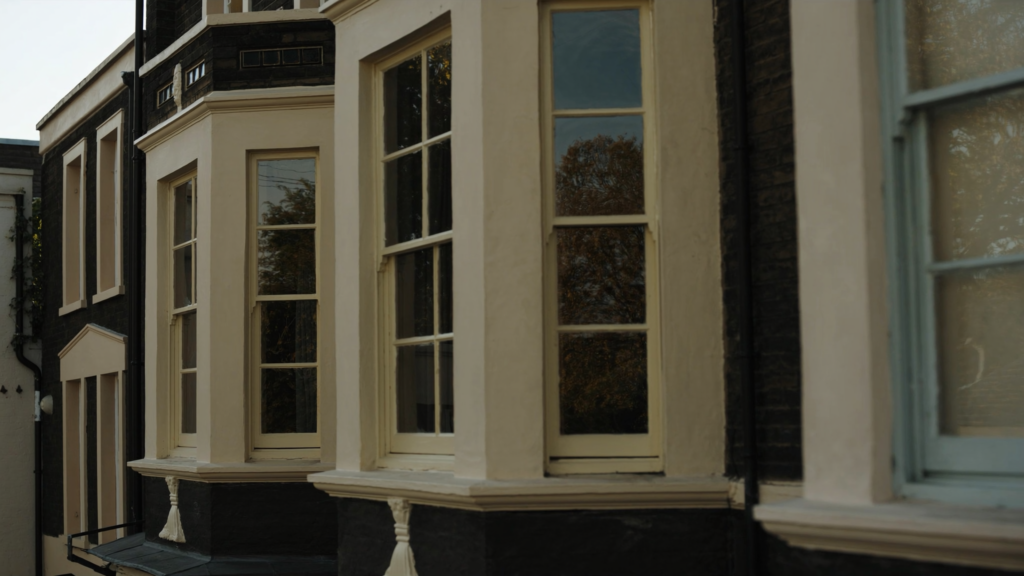
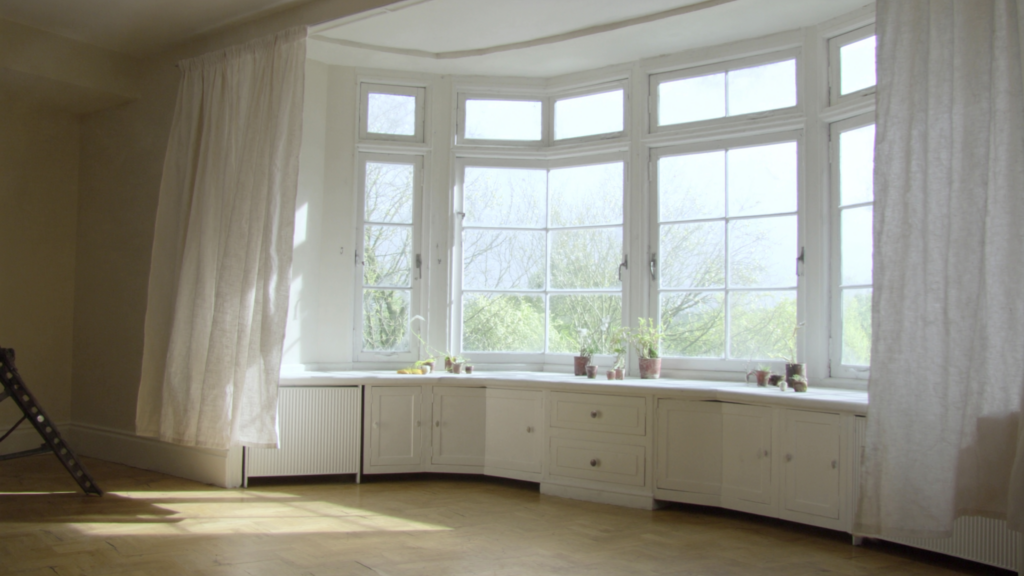
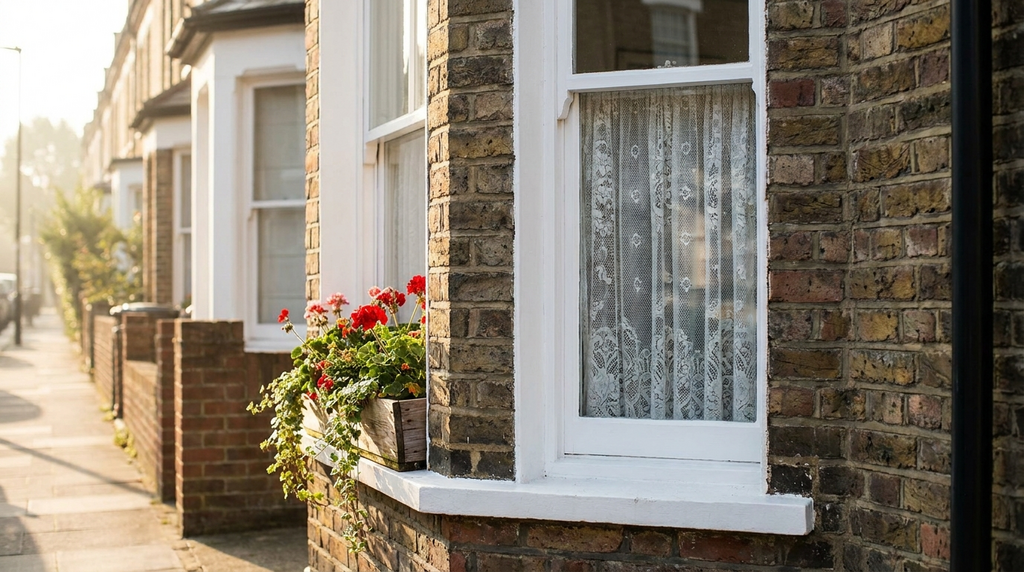
Detached homes here tend to be larger-windowed, sometimes with feature bay windows facing south or east toward the Thames valley views. Those bigger glass areas mean more heat loss, but they also mean more opportunity for solar gain if you choose the right glazing specification. Bay windows almost always need more complex frame work and cost more per unit than standard casements, budget for that from the start.
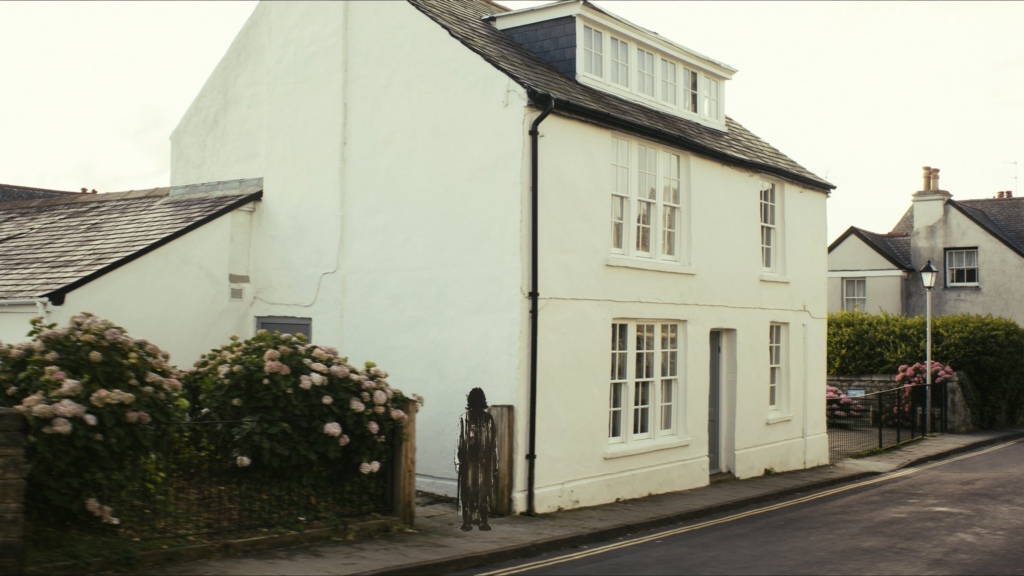
Semi-detached properties in Marlow were often built in runs between the 1930s and 1960s, with timber frames that have had decades to settle and shift. This matters because installers need to allow for frames that aren’t quite square anymore. A good fitter will survey thoroughly and potentially repack the surrounding masonry, a bad one will force in a standard frame and leave you with draughts and warranty headaches within two years.
A few practical realities specific to Marlow worth knowing before you book anyone in
- Parking and access on older residential streets near the town centre can be tight, some installers factor in a small access surcharge if they’re bringing a van and a full frame delivery
- Homes close to the Thames, particularly around Marlow Bottom and the riverside areas, face higher humidity levels than properties a mile inland, which affects frame material choice
- Wycombe District Council (now Buckinghamshire Council following the 2020 unitary authority merger) covers Marlow, and their conservation area covers a meaningful portion of the town centre and older residential areas
- Several streets in the older parts of town have TPO (Tree Preservation Order) trees close to properties, which can occasionally affect scaffold positioning and access
How Much Double Glazing Costs in Marlow and the South East in 2026
Marlow sits in an interesting pricing position. You’re 7km from both High Wycombe and Maidenhead, 10km from Henley-on-Thames, and close enough to the M40 corridor that most larger South East installers include you in their coverage area. That competition is broadly good for pricing, but South East labour costs run above the national average, and your homes tend to be larger than the national mean, so total project costs reflect that.
Here’s a realistic breakdown of what you should expect to pay in Marlow in 2026, based on current installer quotes in the area
| Property Type | Number of Windows | Standard uPVC Double Glazing | Premium uPVC or Aluminium | Timber-Look uPVC (Conservation-Friendly) |
|---|---|---|---|---|
| 2-bed semi | 6–8 windows | £3,200–£4,400 | £4,800–£6,500 | £5,500–£7,200 |
| 3-bed semi | 8–10 windows | £4,200–£5,800 | £6,200–£8,400 | £7,000–£9,500 |
| 3–4 bed detached | 10–14 windows | £5,500–£8,000 | £8,500–£12,500 | £9,500–£14,000 |
| Large detached / period home | 14+ windows | £8,500–£12,000 | £13,000–£18,000 | £14,000–£20,000+ |
Compared to the national average for equivalent work, you’re typically paying 12–18% more in the South East. Against neighbours like Slough (14km away), Marlow pricing tends to run 5–8% higher simply because Slough has more competing local installers. Henley-on-Thames is often comparable to Marlow on price, similar affluent commuter-town dynamics, similar installer scarcity.
Insider tip, always get at least three quotes, and make sure at least one comes from a company based in High Wycombe or Maidenhead rather than a national firm. Local companies working the Thames Valley corridor frequently offer better flexibility on specification and stronger aftercare.
How Marlow’s Position and Weather Shape What Glazing You Should Choose
Marlow benefits from Southern England’s milder winters, your heating degree days (the measure of how hard your heating has to work) run roughly 1,200 to 1,500 per year, compared to 2,000+ in northern England. That means the raw heat-loss argument for double glazing, while still valid, is slightly less dramatic here than it would be in, say, Leeds or Edinburgh.
What Marlow does have is excellent solar irradiance, around 1,100 to 1,200 kWh per square metre per year. That’s some of the best in the UK. South and southwest-facing windows on your Marlow home are genuine passive solar assets in spring and autumn. Choosing glazing with a higher Solar Heat Gain Coefficient (SHGC) for those aspects, while specifying slightly more solar-controlling glass on east-facing windows that get early morning summer sun, is a nuanced choice that a good installer will discuss with you.
The Thames proximity matters more than many people realise. Homes within half a mile of the river, and that includes a lot of Marlow town centre, see elevated outdoor humidity for a significant portion of the year. This puts extra stress on frame seals and drainage channels. For riverside or near-riverside properties, aluminium frames with their superior moisture resistance genuinely earn their higher price tag over uPVC, which can expand and contract more dramatically through damp winters and warm summers.
Marlow is sheltered from the worst south-westerly winds by the Chiltern escarpment to the north and west. Rainfall is moderate at 700–900mm per year. This balanced, relatively gentle climate means you’re not dealing with coastal wind-driven rain standards or extreme freeze-thaw, which gives you more flexibility in product choice, you’re not forced toward the most weather-hardened specifications unless you specifically want them.
The Glazing Products That Actually Perform Well in This Part of the Thames Valley
Based on what works in Marlow’s specific mix of property ages, orientations, and microclimate, here’s an honest steer on specification
Frames
- uPVC, white or foiled woodgrain, still the best value for the majority of post-war semis and detached homes away from the conservation area. Specify A-rated or A+ rated units as a minimum. Avoid budget-end five-chamber profiles; seven-chamber uPVC is worth the small premium for Marlow’s damp winters
- Aluminium with thermal break, the right call for riverside properties and larger modern detached homes. Slimmer sightlines, better longevity in humid conditions, and looks significantly better on contemporary architecture
- Timber-look uPVC, genuinely excellent now for older Marlow properties and conservation-sensitive areas. The foil technology is convincing, and you don’t lose the thermal performance of modern profiles
Glass Specification
- Aim for a whole-window U-value of 1.2 W/m²K or better, most modern A-rated units achieve this
- For south-facing windows, look for a SHGC of 0.4–0.5 to capture passive solar gain through Marlow’s sunny winters
- Argon-filled units with warm-edge spacer bars are the baseline standard, krypton-filled is an option for very large panes where frame proportion allows thinner units
- Consider acoustic laminate glazing for any rooms facing the A4155 or near the town centre, road noise from Marlow’s busy approach routes is a real consideration
Triple Glazing, Is It Worth It Here
In Marlow’s mild climate, triple glazing is hard to justify purely on energy grounds unless you’re building or doing a full renovation. The payback period stretches significantly compared to further north. Where it does make sense is for acoustic performance, a laminated triple unit on a road-facing elevation can deliver a dramatic reduction in traffic noise that double glazing alone won’t fully achieve.
Finding a Trustworthy Installer When You’re in a Small Thames Valley Town
Marlow’s size, around 14,000 residents, means you won’t have a dozen glazing companies based in the town itself. In practice, you’ll be drawing on installers from High Wycombe, Maidenhead, and occasionally Henley-on-Thames or Slough who cover the area as part of their Thames Valley patch. That’s fine, but it does mean you should be thoughtful about who you choose.
Certifications you must check
- FENSA registration, this is non-negotiable. A FENSA-registered installer self-certifies that your new windows comply with Building Regulations, handling the notification to Buckinghamshire Council on your behalf. Without it, you’ll need to pay for a separate building control inspection
- CERTASS, an alternative competent person scheme to FENSA, equally valid
- TrustMark, a government-endorsed quality scheme. Not mandatory but a strong positive signal
- Check their profile on the Buckinghamshire Council approved contractor register if you’re in or near a conservation area
Questions worth asking any installer you speak to
- Have you worked on properties in Marlow’s conservation area before, and are you familiar with Buckinghamshire Council’s requirements
- What’s your surveyor’s process for checking frame squareness on 1950s–1970s homes
- Do you handle your own installations, or do you subcontract
- What does your guarantee cover, and who backs it if your company closes
Lead times in the South East currently run 4–8 weeks from survey to installation for most reputable companies. Be wary of anyone promising significantly faster, it often means they’re subcontracting to whoever’s available.
Grants and Funding Available to Marlow Residents Right Now
The honest picture on grants for double glazing in 2026 is that standalone glazing grants are rarer than for heating or insulation, but they do exist within broader retrofit programmes.
ECO4 (Energy Company Obligation)
ECO4 can fund double glazing as part of a whole-home retrofit package for households on qualifying benefits or with low EPC ratings. If you’re in a Band D or below property and receiving qualifying benefits (including Universal Credit, Pension Credit, or certain disability payments), you may qualify for fully or partially funded glazing. Buckinghamshire Council can refer you, contact them directly or use the government’s ECO4 referral tool.
Great British Insulation Scheme (GBIS)
The Great British Insulation Scheme closed on 31 March 2026. It funded insulation measures only and never covered windows or glazing. Eligibility is based on EPC rating and income. Given Marlow’s above-average Band C rating, most homeowners here won’t qualify on EPC grounds alone, but it’s worth checking if you have a property sitting at the lower end of C or below.
Buckinghamshire Council Retrofit Support
Buckinghamshire Council (the unitary authority covering Marlow since 2020) periodically runs or signposts additional retrofit funding schemes through the Home Upgrade Grant programme. These have historically targeted off-gas-grid and lower-income properties, but the council’s net-zero commitments mean new schemes are announced with reasonable regularity. Check the Buckinghamshire Council website under their Energy and Climate section for the most current offers.
VAT on Energy-Saving Products
Glazing is standard-rated for VAT at 20%. The zero rate for energy-saving materials covers insulation, heat pumps and solar panels; HMRC names secondary and double glazing as excluded (VAT Notice 708/6). This is worth several hundred pounds on a full-house job and is often overlooked in headline quotes. Make sure your installer’s quote explicitly shows this applied correctly.
Planning Permission and Buckinghamshire Council Rules for Marlow Properties
For most Marlow homeowners, replacing like-for-like windows doesn’t require planning permission. Under Permitted Development rights, you can replace windows without a planning application provided the property isn’t listed and isn’t in a designated area where specific rules apply.
However, Marlow has a meaningful conservation area covering much of the historic town centre, including parts of the High Street, West Street, and surrounding residential streets. If your home sits within this area (you can check using Buckinghamshire Council’s online mapping tool), there are specific requirements
- Replacement windows must match the original design, materials, and finish as closely as possible
- uPVC is often discouraged or prohibited, timber or timber-effect windows are typically required
- You may need to submit a planning application rather than simply relying on Permitted Development rights
- Buckinghamshire Council’s planning department is the right first contact, they offer pre-application advice
If your home is Listed, and there are several Grade II listed properties around Marlow’s older streets, you’ll need Listed Building Consent regardless of whether planning permission would otherwise be required. This is a separate and more involved process.
Outside the conservation area, the main regulatory requirement is Building Regulations compliance, handled automatically by your FENSA or CERTASS-registered installer. For non-conservation-area homes in Marlow, the process is genuinely straightforward.