Why Wokingham Homeowners Are Quietly Upgrading Their Windows Right Now
There’s something happening on the residential streets of Wokingham that you might not have noticed yet. From the Edwardian semis near the town centre to the 1970s detached homes out towards Emmbrook and Woosehill, more and more homeowners are replacing old windows, and the reasons are more interesting than you’d expect.
Wokingham sits in one of the most property-valuable corners of England outside London. The South East premium means your home is likely worth significantly more than the national average, so every improvement you make carries more financial weight. Double glazing doesn’t just cut your heating bills, in this market, it genuinely supports your property’s value in a way that’s harder to ignore.
There’s also a quieter driver: Wokingham Borough Council’s ongoing push toward net zero, which has sharpened local awareness of home energy ratings. With the average EPC already sitting at Band C, above the national Band D average, many residents here are thinking about getting from good to genuinely great. Double glazing is often the logical next step once you’ve dealt with insulation and your boiler.
And then there’s the noise. The A329(M) corridor, proximity to the Reading commuter belt, and Wokingham’s growing town centre development mean road and ambient noise has become a real quality-of-life issue for many households. Acoustic double glazing is a solution that’s increasingly part of the conversation alongside thermal performance.
What Double Glazing Actually Involves for a Typical Wokingham Home
Wokingham’s housing stock tells a fascinating story. You’ve got Victorian and Edwardian terraces close to the town centre, a substantial band of 1930s semis in areas like Norreys and Easthampstead Road, post-war council-era builds, and then the large sprawl of 1960s to 1990s detached and semi-detached homes that make up much of the borough’s residential fabric.
Each era comes with its own quirks for double glazing installation.
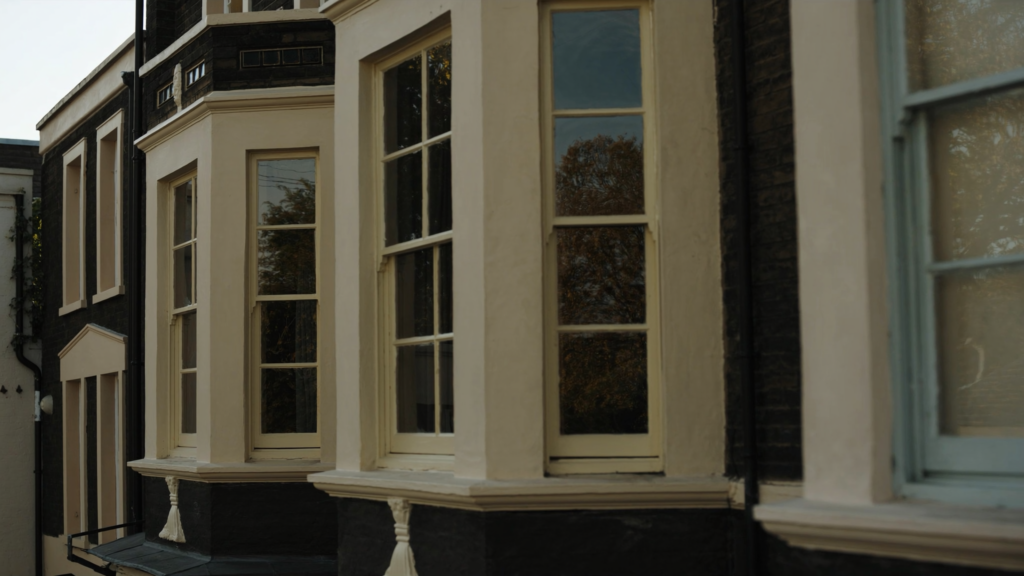
- Victorian and Edwardian properties often have timber sash windows with non-standard opening dimensions. Replacement requires careful measurement and sometimes bespoke manufacturing, which adds both time and cost. If your home is in or near a conservation area (more on that below), you may need slimline double glazing units built to mimic the original profile.
- 1930s semis typically have steel-framed Crittall-style windows that were often replaced in the 1980s with early uPVC, much of which is now reaching the end of its lifespan and due for a second upgrade. The good news is that the apertures are usually standard and installation is relatively straightforward.
- 1960s to 1990s detached homes in areas like Shinfield Rise, Woodley (just over the Reading border but relevant to many Wokingham installers’ coverage maps), and the newer Buckhurst Park developments usually have generous window openings and good vehicle access, both of which keep installation costs down.
One practical consideration unique to Wokingham’s layout is parking and access. Many of the older streets near the town centre have restricted parking, which affects how easily installation teams can bring materials and skip containers to your property. It’s worth flagging this to any installer quoting you, some will charge a small access premium, others factor it in silently.
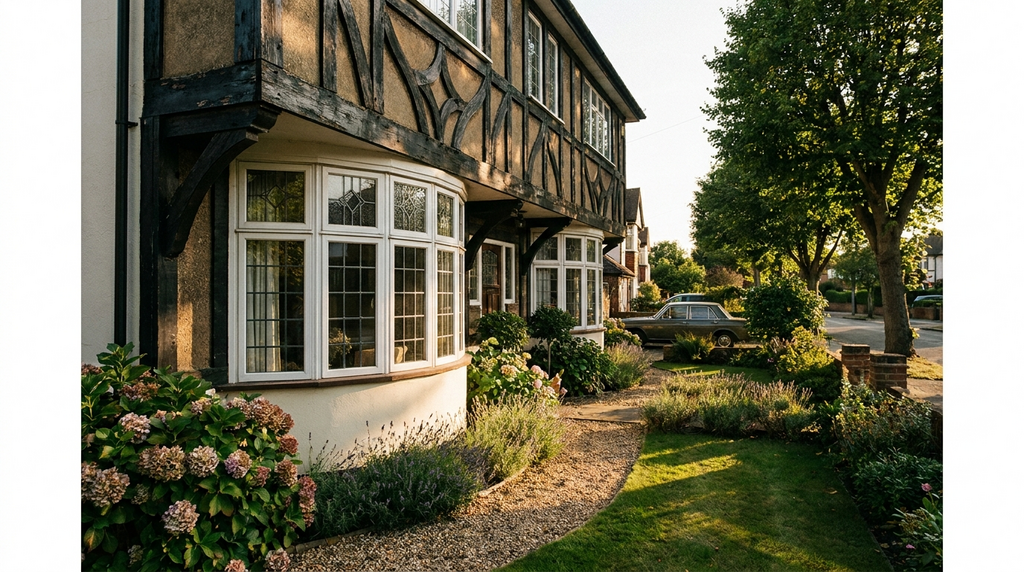
For detached homes specifically, bay windows are extremely common across the 1930s and post-war stock here. Bay window double glazing is slightly more complex than a flat front window because the frame needs to accommodate the angular join, expect this to add around £200 to £350 per bay compared to a standard casement window replacement.
How Much Double Glazing Costs in Wokingham and the South East in 2026
Let’s talk real numbers. The South East commands a moderate premium over the national average for installation labour, typically 8 to 12 percent, driven by higher wages and competition for skilled fitters from London. Even so, Wokingham benefits from a well-established local installer market, with companies operating across the Reading, Bracknell, and Fleet cluster, which keeps competition healthy.
Here’s a realistic breakdown for 2026 based on typical Wokingham property types:
| Property Type and Scope | Standard uPVC | Flush Sash uPVC | Aluminium Slim Frame |
|---|---|---|---|
| 2-bed semi (6 windows, 1 door) | £3,800 – £5,200 | £5,000 – £6,800 | £6,500 – £8,500 |
| 3-bed semi (8 windows, 1 door) | £4,800 – £6,500 | £6,200 – £8,500 | £8,000 – £11,000 |
| 4-bed detached (12 windows, 2 doors) | £7,200 – £9,800 | £9,500 – £13,000 | £12,000 – £16,500 |
| Bay window addition (per bay) | +£250 – £350 | +£320 – £500 | +£450 – £700 |
| Conservation-spec slimline unit (per window) | N/A | £650 – £950 | £800 – £1,200 |
Compared to the national average, Wokingham prices sit roughly 10 percent above. Reading prices are broadly similar; Bracknell tends to come in slightly cheaper due to lower average wage rates and easier access. Fleet installers often quote competitively for Wokingham work if you’re in the south of the borough near the Hampshire border.
Insider tip: Get at least three quotes, and specifically ask whether each quote includes old frame disposal, lintel inspection, and a FENSA certificate. These are sometimes added on post-survey and can surprise you on the final invoice.
How Wokingham’s Weather and Location Shape the Best Window Choice
Wokingham sits in a genuinely favourable climate zone for the UK. Winters are milder than the Midlands or North, you’re looking at 1,200 to 1,500 heating degree days per year, which means your windows don’t face the punishing cold-warm cycling that causes frames to expand and contract dramatically. This is actually good news for uPVC longevity.
Rainfall sits in the moderate bracket at 700 to 1,000mm annually. You’re not dealing with the driving horizontal rain of coastal Cornwall or the Lake District, which means standard weather seals perform reliably without the need for upgraded marine-grade gaskets. Even so, don’t skip quality seals, the Thames Valley does get wet autumns, and poorly sealed frames will show it in condensation and draught infiltration.
Here’s something Wokingham homeowners should genuinely consider: solar gain. The South East enjoys 1,100 to 1,200 kWh per square metre of solar irradiance annually, one of the best figures in the UK. South-facing rooms in your detached or semi-detached home can benefit significantly from low-emissivity (low-E) glass that lets winter sun warm your interior while limiting summer overheating. If you have a conservatory or large south-facing windows, specifying the right glass coating here is genuinely worth the conversation with your installer.
The A329(M) and the various arterial routes feeding Wokingham station mean acoustic performance is worth factoring in for properties within half a mile of these routes. Laminated acoustic glass within a double glazed unit (not just thicker glass) reduces mid-frequency traffic noise most effectively. It costs roughly £80 to £120 extra per window but makes a noticeable difference in street-facing rooms.
The Products That Actually Perform Well in Wokingham’s Housing Stock
Given everything above, here’s an honest expert take on what works well here, not a manufacturer’s brochure, but a real recommendation shaped by local conditions.
For most 1960s to 1990s detached homes in Emmbrook, Woosehill, or Shinfield Park: Standard white uPVC casement windows with A-rated or A+ double glazed units (centre-pane U-value of 1.0 to 1.2 W/m²K) represent the best value. The frames age well in Berkshire’s moderate climate, cleaning is simple, and the energy performance is solid.
For 1930s semis near the town centre or Norreys: A flush sash or sculptured casement uPVC window in a grey or anthracite finish complements the period architecture without triggering conservation concerns. Specify argon-filled double glazing as standard, it’s only marginally more expensive but measurably better than air-filled units.
For Victorian or Edwardian properties close to the town centre: Slimline aluminium or timber-effect uPVC with a 28mm unit is the most sympathetic option. These properties often have taller, more elegant window proportions, and oversized chunky frames look wrong. The Kömmerling C70 or similar systems handle the thinner profile without sacrificing thermal performance.
Across all property types, specify at minimum:
- Argon gas fill (not krypton, overkill at the price premium for most Wokingham applications)
- Low-E softcoat glass on the inner pane
- U-value of 1.4 W/m²K or better for the whole window (not just the glass centre pane)
- Multi-point locking mechanisms, insurance requirements in Berkshire increasingly expect this on ground floor openable windows
Finding a Trustworthy Double Glazing Installer Near Wokingham
The installer market in Wokingham and the surrounding area is genuinely competitive, which is a good thing for you as a consumer. Companies serving the Reading, Bracknell, Fleet, and Henley-on-Thames cluster all cover Wokingham as part of their natural patch. That gives you real choice.
The non-negotiable certification to look for is FENSA registration. All replacement window installers in England must be FENSA-registered (or submit a Building Regulations application to the council). A FENSA certificate is what proves to your mortgage lender and future buyers that the installation was done correctly. Always ask to see an installer’s FENSA number before agreeing to work.
For additional peace of mind, look for:
- TrustMark registration, the government-endorsed quality scheme for tradespeople
- GGF membership (Glass and Glazing Federation), indicates commitment to industry standards
- A minimum 10-year guarantee on both frames and sealed units (not just one or the other)
- Public liability insurance of at least £2 million
Red flags to walk away from: pressure to sign on the day of the survey, quotes that don’t itemise materials and labour separately, no mention of FENSA, and any installer who can’t show you local completed projects.
Lead times in the South East currently sit at 4 to 8 weeks from survey to installation for standard products, stretching to 10 to 14 weeks for bespoke or conservation-spec work. Book early if you want installation before the autumn.
Grants and Funding Available to Wokingham Residents in 2026
Wokingham Borough Council has been one of the more proactive local authorities in Berkshire for retrofit funding, partly driven by its climate commitments. Here’s what’s available:
ECO4 (Energy Company Obligation) is the main national scheme for low-income households. If you’re receiving qualifying benefits (such as Universal Credit, Pension Credit, or Child Tax Credit) and your home is rated EPC Band D or below, you may qualify for fully or partially funded window upgrades. Given Wokingham’s above-average EPC ratings, fewer properties will qualify than in lower-rated areas, but if you’re in an older property that hasn’t been upgraded, it’s worth checking.
The Great British Insulation Scheme closed on 31 March 2026. It funded insulation measures only and never covered windows or glazing. Income eligibility thresholds were revised upward this year, so more households now qualify than previously.
Wokingham Borough Council’s Home Energy Support programme has historically channelled funding toward households in or near fuel poverty. Contact the council’s energy advice team directly, they can assess whether you qualify for any current local authority flexible eligibility referrals into ECO4.
For most Wokingham homeowners, particularly in detached or semi-detached Band C rated homes, the honest truth is that full grant funding is unlikely. You’re in a relatively prosperous area with above-average energy performance, which puts you outside the typical eligibility criteria for heavily subsidised schemes. However, a VAT reduction on energy-saving products (currently 0% for qualifying installations) does apply to double glazing in certain circumstances, particularly when installed as part of a wider retrofit. Ask your installer to confirm VAT treatment on the quote.
Planning Permission and Building Regulations for Wokingham
The good news first: for the majority of Wokingham’s detached and semi-detached homes, replacing windows with double glazing falls under permitted development rights and does not require planning permission. As long as you’re using like-for-like materials (matching the existing style, finish, and approximate profile), you can proceed without a planning application.
However, Wokingham Borough has several designated conservation areas where different rules apply. The Wokingham Town Centre Conservation Area and parts of the older residential streets nearby impose stricter requirements. In these areas, replacement windows must preserve the character of the original building, which typically means slimline frames, traditional sash or casement profiles, and often a requirement for planning consent before work begins.
If your home is a listed building, and there are listed properties scattered through Wokingham’s older core, you will need both Listed Building Consent and potentially planning permission regardless of how minor the work seems. Replacing windows in a listed building without consent is a criminal offence, so please check with Wokingham Borough Council’s planning department before proceeding.
Even when planning permission isn’t required, a Building Regulations notification is legally required for all window replacements. This is what your FENSA-registered installer handles on your behalf. If your installer is not FENSA-registered, you must submit a separate Building Regulations application to Wokingham Borough Council, which adds cost and time.
The practical advice: before signing any contract, confirm whether your property is in a conservation area by checking the Wokingham Borough Council planning portal. It takes two minutes and could save you a very expensive mistake.
What You Will Realistically Save, Honest Numbers for Wokingham Homes
With gas usage of 10,300 kWh per year and an EPC already at Band C, Wokingham homeowners are in an interesting position. You’re not starting from a terrible baseline, which means the savings from double glazing are real but shouldn’t be oversold.
Here’s a realistic savings picture for a typical 3-bed semi in Wokingham, replacing single glazing with A-rated double glazing (if you still have original single glazed windows) or replacing failed early double glazing with modern high-performance units: