Why Farnborough Homeowners Are Looking at Double Glazing Right Now
There’s a quiet upgrade happening across Farnborough’s residential streets, from the post-war semis off Cove Road to the terraced rows near Farnborough Gate and the older Edwardian stock in North Camp. Homeowners who already sit at a respectable Band C on their EPC are now asking a sharper question: how do we get to Band B, and what’s the single most effective step to get there?
Double glazing is consistently that step. If your home still has original single-glazed sashes or the thinner early double-glazed units installed in the 1980s and 1990s, which is surprisingly common in Farnborough’s large stock of 1960s and 1970s housing, you’re losing heat through your windows every single day, even in our relatively mild Hampshire winters.
Farnborough’s geography plays a role too. Sitting in the Blackwater Valley corridor, the town experiences more wind channelling than people expect, particularly in exposed spots toward the Aldershot boundary and around the open areas near Farnborough Airport. That wind-chill effect makes inefficient windows feel worse than the thermometer suggests. Upgrading to modern double glazing seals that draughty gap between you and a genuinely comfortable home.
There’s also a strong financial argument specific to this area. South East property values mean any improvement that boosts your EPC rating translates into real money at sale time, typically £15,000 to £25,000 more for a Band B versus Band C home in this part of Hampshire. That context changes the maths on double glazing from a comfort purchase to a smart investment.
What Double Glazing Actually Involves for a Typical Farnborough Home
Most Farnborough homes fall into two broad categories: semi-detached properties from the 1950s through to the 1980s, and Victorian or Edwardian terraces concentrated around North Camp and parts of Farnborough town centre. Each has its own double glazing story.
Post-War Semis (1950s–1980s)
These are the most straightforward to upgrade. Original timber frames are often tired and draughty by now, and the window openings are standard sizes. A full double-glazing replacement, usually eight to twelve windows plus a front door, can be completed in a single day by an experienced two-person crew. The main consideration is whether to match the original casement style or modernise, which matters more in areas like South Farnborough where neighbours’ homes create visual consistency.
Victorian and Edwardian Terraces in North Camp
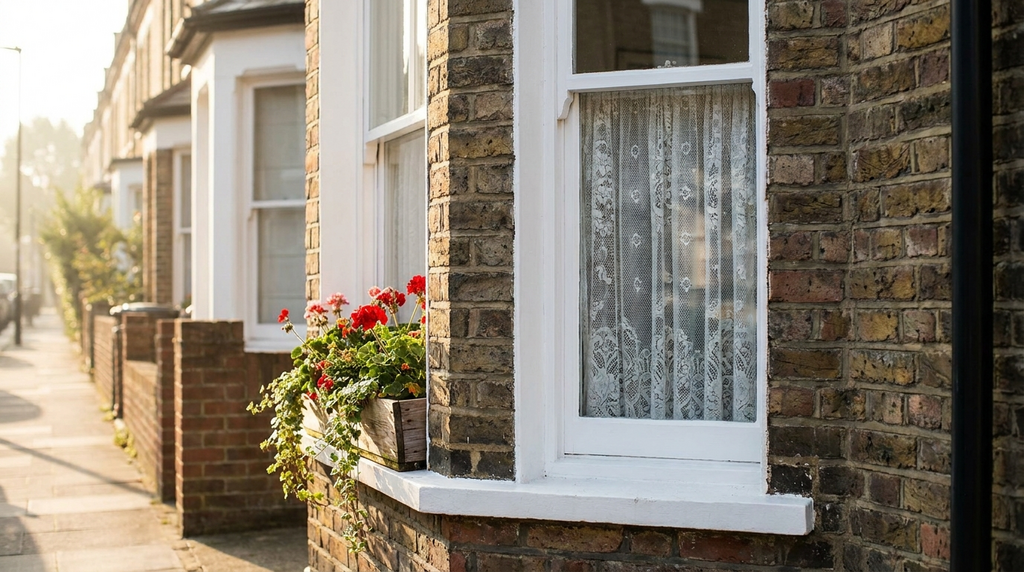
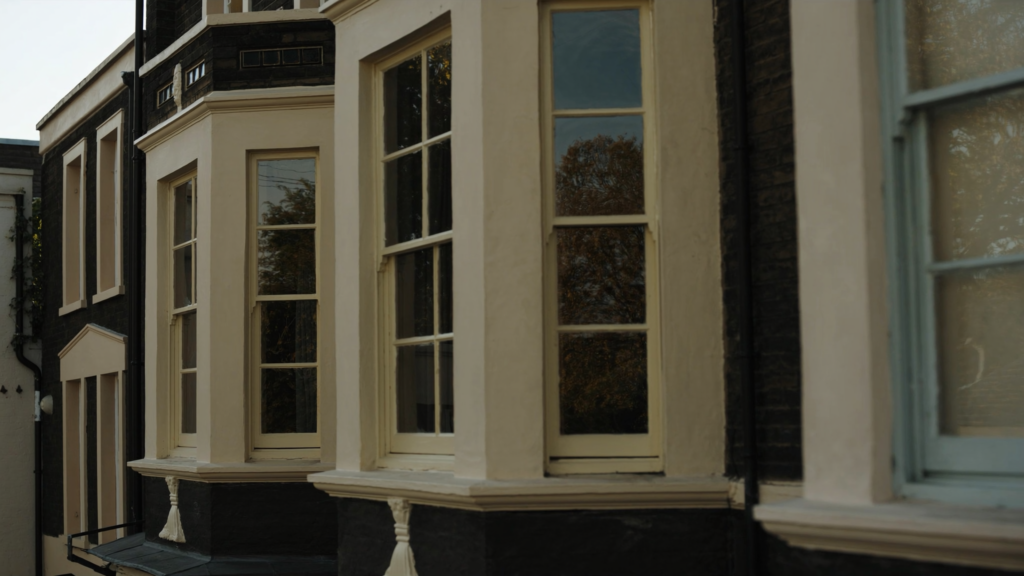
These properties need more thought. Original sash windows are a defining feature of the North Camp streetscape, and while the area isn’t entirely conservation-protected, your neighbours, your letting value, and in some cases your permitted development rights all point toward sympathetic replacements. Slimline double-glazed sash units in timber or high-quality UPVC profiles are the answer here, they look right, perform far better than the originals, and don’t trigger planning issues.
Access and Logistics in Farnborough
Parking is a genuine consideration. Terraced streets off Lynchford Road and around the town centre can be tight, and installers need a van within reasonable distance. Most local companies factor this into scheduling but it’s worth flagging when you book. Scaffolding is rarely needed for ground and first-floor windows in standard two-storey homes, which keeps costs down compared to some taller Victorian properties in nearby Guildford.
How Much Double Glazing Costs in Farnborough and the South East Area in 2026
Farnborough sits in a competitive installer market served by companies covering the Blackwater Valley cluster, Aldershot (4km), Fleet (6km), and across into Woking and Guildford. That competition generally keeps prices sharper than you’d find in more rural parts of Hampshire, though you do pay a South East premium over Midlands or Northern England rates.
Here’s a realistic breakdown for 2026, based on like-for-like UPVC casement double glazing with A-rated units:
| Property Type | Number of Windows | Budget Option (UPVC, A-rated) | Mid-Range (UPVC, A+ rated) | Premium (Composite/Timber, A+ rated) |
|---|---|---|---|---|
| 2-bed terrace | 6–8 | £3,200–£4,400 | £4,800–£6,200 | £7,500–£10,000 |
| 3-bed semi-detached | 8–12 | £4,500–£6,000 | £6,500–£8,500 | £10,000–£14,500 |
| 4-bed detached | 12–16 | £6,200–£8,500 | £9,000–£12,000 | £14,000–£20,000 |
| Bay window addition (per bay) | – | £900–£1,400 | £1,400–£2,000 | £2,200–£3,500 |
These figures include VAT at 5% (windows qualify for the reduced rate as an energy-saving measure), supply, fitting, and disposal of your old units. They do not include decorating or making good internal plasterwork if your old frames were significantly larger.
Compared to the South East average, Farnborough homeowners typically pay around 8–12% less than equivalent projects in Guildford or Woking, largely because installer overheads are lower here and competition is stronger. You’re looking at broadly similar costs to Aldershot and Fleet.
Insider tip, quotes from installers who cover the full Blackwater Valley area (Farnborough, Aldershot, Fleet as a single patch) tend to be sharper than those from companies travelling in from Basingstoke or Southampton who charge travel time implicitly in their margins.
How Farnborough’s Weather and Location Affect Your Double Glazing Choices
Farnborough enjoys a genuinely benign climate by UK standards. Winters are mild, heating degree days sit between 1,200 and 1,500, which is noticeably lower than the national average. That means the payback case for double glazing is built more on eliminating draughts and improving comfort than on stopping extreme cold, though the savings are still real.
The town averages 700–1,000mm of rainfall per year, which is moderate. What matters for double glazing is how the rain arrives, and Farnborough gets a fair amount of driven, horizontal rain during autumn Atlantic weather systems. This makes frame quality and seal integrity genuinely important. Cheaper UPVC profiles with inadequate weather seals will let moisture track through over time, leading to condensation between panes, which you’ll notice as that persistent misting that doesn’t wipe away.
The Blackwater Valley creates modest wind channelling, particularly along the valley floor between Farnborough and Aldershot. If your home faces south-west or west, the prevailing wind direction, consider specifying enhanced weather seals and asking your installer about the gasket quality on the units they’re quoting. It’s a ten-minute conversation that makes a real difference over a ten-year lifespan.
On the positive side, Farnborough’s solar irradiance is excellent, 1,100 to 1,200 kWh per square metre per year, among the best in the UK. South and south-west facing windows benefit enormously from low-emissivity (low-E) glass that lets solar heat in during winter while reducing summer overheating. If your front elevation faces south (very common in the Farnborough North postcode areas), a warm-edge spacer bar combined with low-E glass is not a luxury, it’s the right specification for this location.
The Products and Options That Work Best Here
Given Farnborough’s housing stock and climate, here’s what genuinely performs well rather than what’s just popular on a brochure.
For Post-War Semis and Modern Properties
- Frame, Multi-chambered UPVC profiles (70mm+ system depth) offer the best thermal performance for the price. Look for profiles rated to PAS 24 for security, which matters in urban areas like central Farnborough.
- Glass, Argon-filled units with low-E coating on the inner pane, warm-edge spacer bars (not standard aluminium). This combination typically achieves a U-value of 1.2 W/m²K or better, comfortably above current building regulations minimum of 1.4 W/m²K.
- Energy rating, Specify Window Energy Rating (WER) of A+ as standard. The small cost premium over A-rated units pays back faster in this area given the good solar irradiance, you gain more free heat.
For Victorian and Edwardian Terraces
- Frame, Timber or engineered timber composite sash units for North Camp terraces where street character matters. Alternatively, high-quality cellular UPVC sash profiles from systems like Residence 9 that genuinely replicate the slim sightlines of original timber.
- Glass, Same low-E, argon-filled specification as above, but in a slimmer 20mm unit to fit sash profiles appropriately.
- Secondary glazing, Worth considering for any rooms where original sashes cannot be replaced (listed buildings, strict conservation requirements). Properly installed secondary glazing achieves comparable thermal performance and almost identical acoustic improvement.
What to Avoid
- Standard aluminium spacer bars, they bridge cold to the inner pane and cause edge condensation
- Krypton-filled units unless specifically quoted with documented performance data, most local installers use argon, which performs nearly as well at significantly lower cost
- Triple glazing as a standard upgrade in Farnborough’s climate, the marginal thermal gain over quality double glazing rarely justifies the 25–35% cost premium in a mild southern England location
How to Find a Trustworthy Double Glazing Installer Near Farnborough
The Blackwater Valley installer market is competitive, which is mostly good news for you. Companies based in Farnborough, Aldershot, and Fleet serve overlapping catchments, meaning you should always be able to get three genuine quotes without stretching beyond 10km.
Certifications That Matter
- FENSA registration, Non-negotiable. FENSA-registered installers self-certify compliance with building regulations, meaning you don’t need a separate building control application. Always verify the registration number at fensa.org.uk before signing anything.
- TrustMark accreditation, Government-endorsed quality scheme. Not mandatory but a strong indicator of a company that takes compliance seriously.
- CERTASS, An alternative to FENSA with equivalent standing. Either is acceptable.
- GGF membership, Glass and Glazing Federation membership provides deposit protection and a dispute resolution service, worth having for larger jobs.
Questions Worth Asking
- What U-value will the installed units achieve, and can you show me the test data?
- What spacer bar system do you use, warm-edge or standard aluminium?
- Is your deposit protected, and with which scheme?
- What’s your current lead time for Farnborough area jobs?
Lead times in the South East currently run 4–8 weeks for most residential projects. If a company quotes less than two weeks, ask whether they’re using pre-made stock units rather than made-to-measure, it matters for a precise fit in older properties with non-standard openings.
Red flags to watch for, pressure selling with “today only” pricing, reluctance to provide a written specification before signing, no physical address in the local area, and vague answers about FENSA registration. These are not minor concerns; they are reasons to walk away.
Grants and Funding That Could Reduce Your Costs in 2026
Farnborough sits within Rushmoor Borough Council, which administers local housing improvement support alongside the national schemes. Here’s what’s genuinely accessible to Farnborough homeowners right now.
ECO4 (Energy Company Obligation, Phase 4)
ECO4 funds energy efficiency improvements for households in fuel poverty or with low EPC ratings. Windows are eligible as part of a whole-house improvement package. Given that many Farnborough homes are already at Band C, standalone window upgrades can be harder to access through ECO4 unless your property has other significant inefficiencies, but it’s worth checking through a registered ECO4 assessor, as the scheme runs until March 2026 with potential extension.
Great British Insulation Scheme (GBIS)
The Great British Insulation Scheme closed on 31 March 2026. It funded insulation measures only and never covered windows or glazing. However, if you have outstanding wall or loft insulation needs alongside windows, a bundled approach can unlock GBIS support. Contact Rushmoor Borough Council’s housing team for a referral to a local GBIS assessor, the council has coordinated referral routes for residents.
VAT and Reduced Rate Relief
Glazing is standard-rated for VAT at 20%. The zero rate for energy-saving materials covers insulation, heat pumps and solar panels; HMRC names secondary and double glazing as excluded (VAT Notice 708/6). This isn’t a grant but it’s a real saving, on a £7,000 job, that’s £1,050 in your pocket versus full VAT. Ensure your installer explicitly applies the reduced rate and shows it on the quote.
Rushmoor Borough Council Local Schemes
Rushmoor has periodically run Warm Homes programmes in partnership with Hampshire County Council and energy companies. These are means-tested and tend to focus on owner-occupiers with incomes below £30,000 or households receiving qualifying benefits. Check directly with Rushmoor’s environmental health and housing team for any active 2026 schemes, these are worth a fifteen-minute phone call before you spend anything.
Landlord Obligations
If you’re a Farnborough landlord with rental properties, Minimum Energy Efficiency Standards now require rental properties to achieve Band C or above. Double glazing as part of an upgrade programme may be fundable through ECO4 under the landlord route, a route many local landlords are currently exploring.
Planning Permission and Regulations in Farnborough
For most Farnborough homeowners, double glazing replacement falls comfortably within permitted development rights, meaning no planning application is needed. But there are specific local situations worth understanding.
Standard Residential Properties
Replacing like-for-like windows in a standard semi-detached or terraced home does not require planning permission under permitted development. This provides the replacement windows are of similar appearance to the originals. This covers the vast majority of Farnborough’s housing stock.