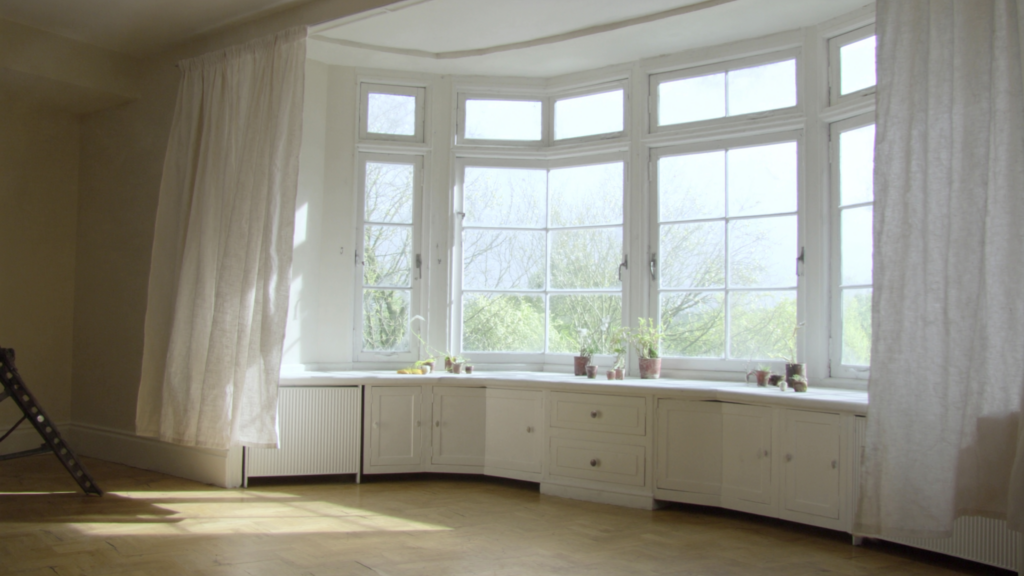
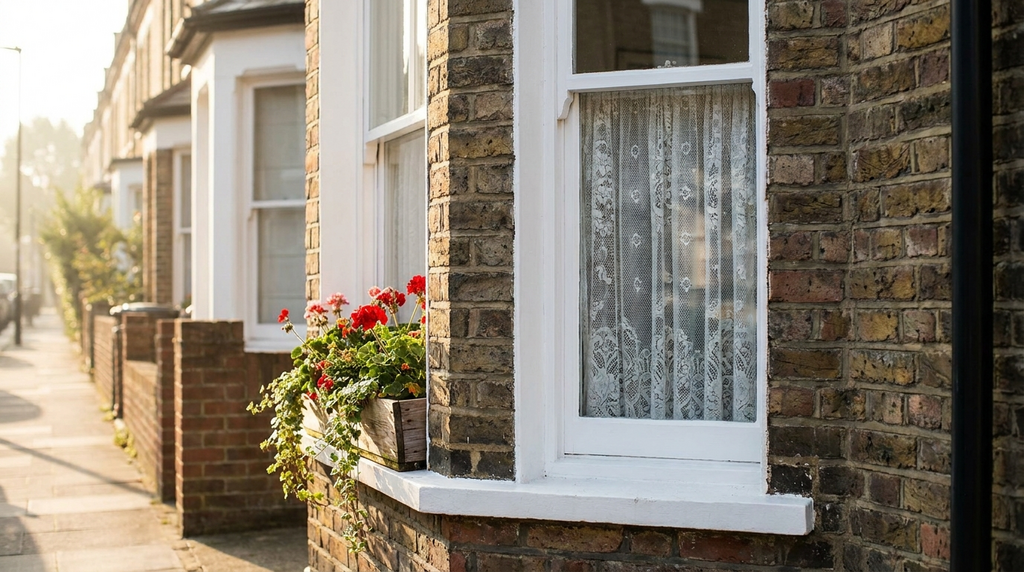
Why Port Talbot Homeowners Are Looking at Double Glazing Right Now
There’s something telling about Port Talbot’s average EPC rating sitting at Band E. That puts the town below the national average of Band D, and it means most homes here are leaking more heat, and money, than they should be. With energy bills still biting hard in 2026, that’s a pretty powerful motivation to do something about it.
Energy bills are a major concern, but Port Talbot’s location on the South Wales coast also creates specific weather challenges. The town is wedged between the Bristol Channel to the south and the Mynydd Margam hills to the north. Prevailing westerly winds drive rain horizontally into the front elevations of thousands of terraced and semi-detached homes here. Single-glazed or old double-glazed windows are inefficient and can let water in around poorly sealed frames. This causes damp patches, condensation, and mould that can damage your home and your health.
There’s also been a noticeable uptick in Port Talbot residents exploring the Welsh Government’s Warm Homes Nest scheme, which can cover the full cost of glazing upgrades for eligible households. Many people in this area qualify and simply don’t know it yet. That’s a big deal when you’re looking at replacing windows across a whole terrace house.
What Double Glazing Actually Involves for a Typical Port Talbot Home
Most of Port Talbot’s residential streets, think Sandfields, Aberavon, Taibach, and the terraces climbing toward Margam, are made up of Victorian and Edwardian properties built between the 1880s and 1930s, with a significant wave of post-war council builds from the 1950s and 1960s. These two eras present very different challenges for double glazing.
The Victorian and Edwardian terraces tend to have solid brick walls with original timber sash or casement frames. These frames are often beautiful, the kind of period detail that adds character to your home, but they’re typically single-glazed and draughty. Replacing them means the installer needs to carefully measure each opening, as no two windows in a Victorian terrace are quite the same size. There’s no off-the-shelf solution here; you’re looking at made-to-measure units every time.
The post-war semis and council-era properties, particularly in areas like Sandfields estate, are generally easier. They tend to have more standardised window openings, sometimes with uPVC frames already fitted in previous decades. The challenge there is that older uPVC from the 1990s or early 2000s may look intact but often has degraded seals, failed gas fills, and frames that have warped or discoloured. A full replacement is usually the right call rather than a patch-up job.
Access can occasionally be tricky in the tighter terraced streets. Some of the older rows near the town centre and around Aberavon have narrow pavements and on-street parking that makes getting a van close to the property awkward. Your installer will need to factor in this kind of logistics, it’s worth mentioning your street when you get quotes.
Key considerations specific to Port Talbot’s housing stock
- Victorian properties require made-to-measure frames, budget accordingly
- Post-war builds often have cavity walls, which helps overall thermal performance alongside new glazing
- Some Sandfields-era homes have flat-roofed extensions with large single-glazed patio doors, a priority upgrade
- Bay windows are common on Edwardian semis and need specialist fitting, adding cost
- Internal access for removing old frames can be tight in back-to-back terraces
How Much Double Glazing Costs in Port Talbot and the Wales Area in 2026
Let’s talk real numbers. Costs in Port Talbot sit broadly in line with the South Wales average, though you’ll generally pay slightly less than you would in Cardiff or Swansea simply because labour costs are a touch lower and competition between installers covering the Neath-Port Talbot corridor keeps prices honest.
Even so, you’re not going to find the rock-bottom pricing you might see in parts of the Midlands, because Wales-based installers face higher logistics costs for materials coming from distribution hubs, and many serve a wide geographic patch stretching from Port Talbot through Neath to Swansea and out to Porthcawl and Bridgend.
| Property Type | Number of Windows | Standard uPVC Double Glazing | Premium uPVC or Composite | Timber or Aluminium |
|---|---|---|---|---|
| Two-bed terrace (e.g. Taibach, Aberavon) | 5–7 | £3,200–£4,500 | £4,800–£6,200 | £6,500–£9,000 |
| Three-bed semi-detached (e.g. Sandfields, Baglan) | 7–10 | £4,500–£6,000 | £6,500–£8,500 | £9,000–£13,000 |
| Three-bed Victorian terrace with bay window | 7–10 plus bay | £5,200–£7,000 | £7,500–£10,000 | £11,000–£15,000 |
| Four-bed detached (e.g. Margam, Groes) | 10–14 | £6,500–£9,000 | £9,500–£13,000 | £14,000–£20,000 |
| Individual replacement window (supply and fit) | 1 | £450–£750 | £700–£1,100 | £900–£1,800 |
These figures include supply, fitting, frame disposal, and FENSA certification. They don’t include any scaffolding, which may add £400–£900 for upper-floor windows on taller properties or where access is restricted. Conservation area properties in Port Talbot may face additional costs if specific frame styles or glazing bars are required, more on that below.
Compared to Swansea (roughly 12km away), Port Talbot prices run around 5–10% lower on average. Compared to the broader Wales average, you’re broadly level. Neath, being even closer, shows almost identical pricing from the same installer pool.
How Port Talbot’s Weather and Location Affect Your Double Glazing Choices
This is where Port Talbot’s geography really matters, and where generic double glazing advice genuinely lets you down. The town sits in a bowl formed by the Afan Valley to the north and the coastal plain of the Bristol Channel to the south. That arrangement funnels south-westerly weather systems directly into the town, meaning driving rain is a very real, very regular occurrence, not a seasonal inconvenience.
Rainfall here regularly exceeds 1,000mm per year, and when that rain is wind-driven, it tests your window seals, frames, and reveals in a way that calmer, drier locations simply don’t experience. This has two practical implications for what you buy.
First, you need window frames with excellent weather sealing, look for products rated to British Standard BS 6375, specifically the weather performance classification. You want Class 4 air permeability and Class E1200 weather tightness as a minimum. Don’t let an installer talk you into a budget frame that skips on seal quality just to hit a lower price point.
Second, the orientation of your property matters more here than almost anywhere else. West and south-west facing elevations, which cover a huge proportion of Port Talbot’s terraced streets, take the hardest weather hit. If you’re phasing your replacement, prioritise these elevations first. East-facing rear elevations are comparatively sheltered.
On the flip side, Port Talbot’s south-facing windows actually benefit from decent solar gain. The town gets reasonable sunshine hours despite the Atlantic weather, and well-specified double glazing with a moderate solar heat gain coefficient (SHGC) can meaningfully reduce your heating demand in spring and autumn on south-facing rooms. This isn’t a replacement for proper solar panels, but it’s a genuine bonus from the right glass specification.
The Products and Options That Work Best Here
Given everything above, here’s what a genuinely knowledgeable installer familiar with Port Talbot’s conditions should be recommending.
For most terraced and semi-detached homes
uPVC frames with A-rated double glazing remain the best value-for-money choice. Look for units with a U-value of 1.2 W/m²K or better (lower is better). The glass itself should be low-emissivity (low-e) coated, with argon gas fill between the panes rather than just air, argon gives you meaningfully better thermal performance for a small cost uplift.
Warm edge spacer bars between the panes are worth asking about specifically. The traditional aluminium spacer conducts heat around the perimeter of the glass, creating cold edges and condensation risk. Warm edge spacers (foam or silicone-based) reduce this effect noticeably, they typically add £15–£30 per window and are worth every penny in Port Talbot’s damp climate.
For Victorian and Edwardian properties
If you want to keep the period character, and in many cases planning rules will require it, consider slim-profile double glazing built to replicate the look of original single-glazed sashes. These use very thin glass units (around 12–14mm total) that fit into refurbished or sympathetically designed new frames. Performance isn’t quite as good as a full modern unit, but it’s dramatically better than single glazing and preserves your home’s character.
Glazing specification quick reference
- Whole window U-value, aim for 1.2 W/m²K or below
- Centre-pane U-value, 1.0 W/m²K or below
- Gas fill, argon as standard, krypton for premium performance
- Low-e coating, essential, not optional
- Weather rating, BS 6375 Class 4 air, E1200 water
- Acoustic performance, consider laminated inner pane if you’re near the A48 or railway
The A48 through Port Talbot town centre and the mainline railway between Swansea and Cardiff can generate meaningful noise for properties nearby. A laminated inner pane won’t turn your home into a recording studio, but it noticeably reduces traffic noise, worth the modest upcharge if you’re in earshot.
How to Find a Trustworthy Double Glazing Installer Near Port Talbot
The installer market in the Neath Port Talbot area is reasonably competitive. Most firms operating here cover a territory stretching from Port Talbot through Neath, across to Swansea, and out to Porthcawl and Bridgend. That means you have genuine choice, but it also means some installers are travelling significant distances, which can affect their responsiveness if anything needs sorting after installation.
FENSA registration is non-negotiable. Any installer replacing windows in England or Wales must be FENSA-registered (or equivalent CERTASS) to self-certify compliance with building regulations. Without this, you’ll need to pay for a separate building control inspection, and you won’t have the insurance-backed guarantee that comes with FENSA certification. Always ask for the FENSA certificate on completion.
TrustMark registration is a strong additional indicator. It means the installer has been vetted against government-endorsed quality standards, particularly relevant if you’re using any grant funding, as many schemes require TrustMark-registered installers.
Questions worth asking any installer
- Are you FENSA or CERTASS registered, can I see your registration number
- What U-value will the finished installation achieve
- What’s included in the guarantee, and is it insurance-backed if your company closes
- Will you handle the building regulations notification, or do I need to separately
- Have you worked on Victorian properties in Port Talbot before, can I see examples
- What’s your current lead time from order to installation
Lead times across South Wales in 2026 are running at roughly 6–12 weeks for standard uPVC, and up to 16–20 weeks for bespoke timber or aluminium. Factor this in if you’re planning around the Welsh weather, getting your installation booked ahead of autumn is sensible.
Red flags to watch for include pressure selling tactics (the classic “this price is only available today”), no fixed business address, demands for large upfront cash payments, and vague answers about U-values or building regulations compliance. Any installer who can’t tell you the U-value of what they’re fitting doesn’t know enough about the product to be fitting it in your home.
Grants and Funding That Could Reduce Your Costs in 2026
This is where Port Talbot homeowners have a genuine advantage over many parts of the UK, and it’s not being used enough.
The Warm Homes Nest Scheme is the Welsh Government’s flagship energy efficiency programme, and it’s one of the most comprehensive in the UK. If your household income is below £18,500 per year, or if you receive certain means-tested benefits, you may qualify for free double glazing installation with no contribution required. Even above that threshold, partial grants are available through the scheme. The average EPC Band E rating across Port Talbot means a large proportion of residents meet the property eligibility criteria automatically.
To apply for Nest, contact the scheme directly through the Welsh Government website or call the helpline, Neath Port Talbot Council’s housing team can also signpost you. The process starts with a free home energy assessment, which establishes what you’re entitled to.
ECO4 (Energy Company Obligation 4) is a UK-wide scheme that runs alongside Nest in Wales. Your energy supplier is obligated to fund improvements for lower-income households, and double glazing can be included as part of a broader package of measures. Eligibility centres on benefit entitlement and EPC rating, Band E and below qualifies, which again covers most of Port Talbot.
The Great British Insulation Scheme (GBIS) can also include glazing in certain circumstances, particularly where it forms part of a wider fabric improvement package. It’s less flexible than ECO4 but worth asking about when you contact your energy supplier.
Summary of available support
- Warm Homes Nest, Welsh Government scheme, potentially 100% funded for eligible households, apply via Welsh Government or Neath Port Talbot Council
- ECO4, UK-wide, income and EPC-based eligibility, applied for through energy suppliers or accredited installers
- GBIS, UK-wide, glazing included as part of broader measures, contact energy supplier
- Neath Port Talbot CBC housing improvement grants, the council occasionally runs